
Beyond the Big Five: Discover Africa’s Most Elusive Safari Moments
Tanzania is world-renowned for its iconic Big Five—but the real thrill lies in the rare, unpredictable wildlife encounters that surprise and transform every journey. From endangered hunters to secretive nocturnal mammals, these sightings make a luxury safari feel intimate, personal, and utterly unforgettable.
Here are 10 rare wildlife moments that offer stories you’ll retell for a lifetime.
1. Pangolin – The Elusive Armor-Clad Wanderer
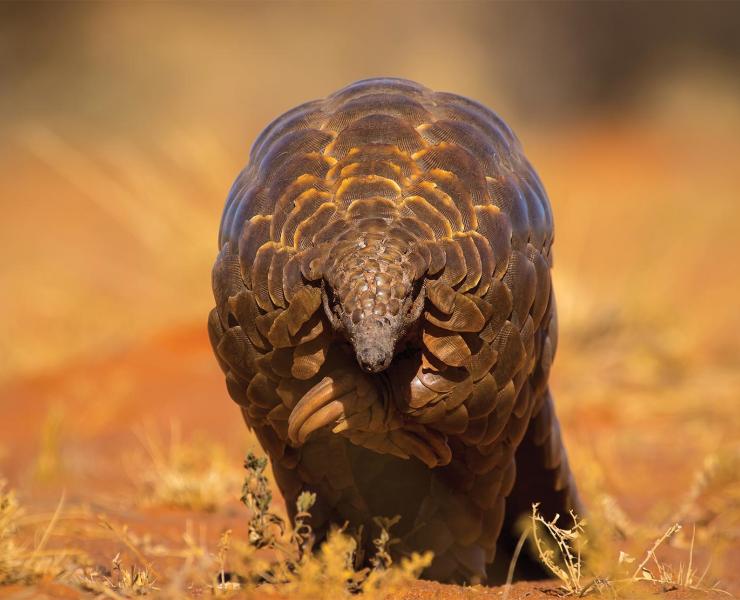
Tough yet delicate, ancient yet vanishing—the pangolin is a paradox of nature. With its overlapping scales and shy, solitary habits, the pangolin roams quietly through forests and grasslands, mostly at night. It walks upright like a tiny dinosaur, curling into a tight, impenetrable ball when threatened. Though pangolins are Africa’s most trafficked mammal, they remain invisible to most safari-goers. Your best chance of seeing one is in Ruaha or Katavi National Parks, especially during night drives with experienced trackers.
Why it’s special: A once-in-a-decade sighting. It evokes emotion—both wonder and a sense of responsibility to protect it. Best time to go: Dry season (June to October); opt for camps offering nocturnal safaris.
2. African Wild Dog – The Vanishing Hunters of the Bush
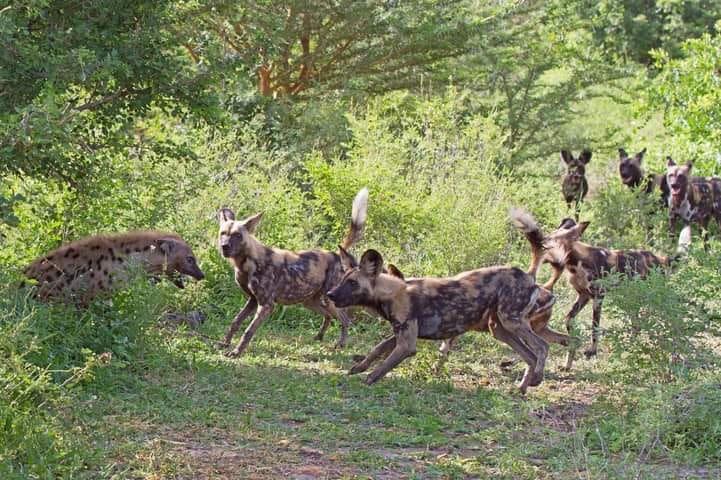
Agile, social, and extremely rare, African wild dogs are the most efficient hunters in the animal kingdom—with an 80% success rate during coordinated chases. Their colorful, mottled coats earn them the nickname “painted wolves,” and their tightly bonded packs operate with military discipline. Wild dogs once roamed much of Tanzania, but now survive primarily in Nyerere (Selous) and Ruaha, where fewer tourists go. Spotting them requires timing, luck, and guides who know their pack movements.
What makes it rare: Less than 6,000 remain in the wild. Seeing a pack means you’re in a thriving, healthy ecosystem. Safari tip: Plan your visit around denning season (June–August) when dogs stay close to pups.
3. Shoebill Stork – The Living Dinosaur of African Wetlands
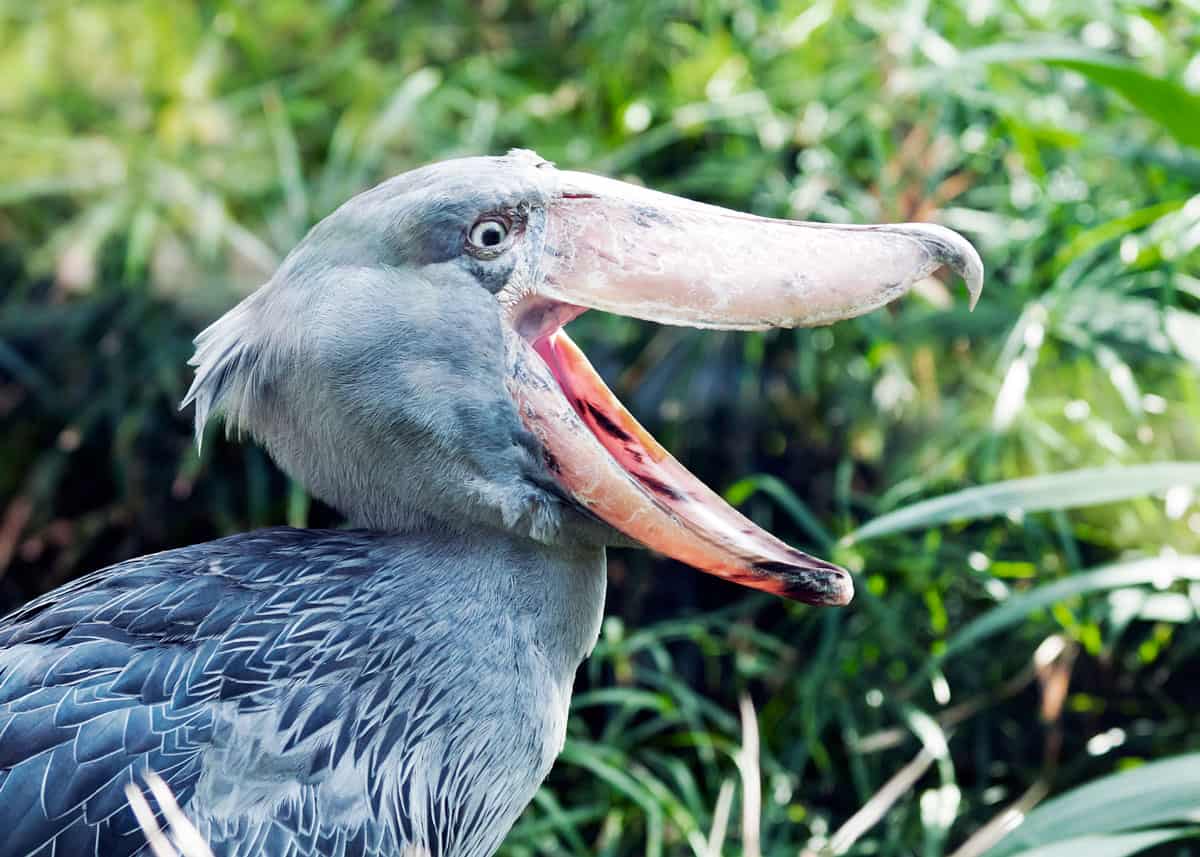
Imagine a four-foot-tall bird with piercing eyes and a bill shaped like a Dutch clog. The shoebill stork is one of the strangest and most sought-after birds in Africa. It’s eerily motionless, stalking prey in swampy waters before striking with lightning-fast precision. Though more common in Uganda, southern Tanzania’s Lake Rukwa and the wetlands near Katavi occasionally offer sightings—an insider secret known to serious birders.
Why birders dream of it: It’s bizarre, ancient, and intensely rare. Its silence and size make it ghostlike in the wild. Best season: Green season (December to March), when wetlands are lush and active.
4. Aardvark – The Nighttime Oddity of the African Plains
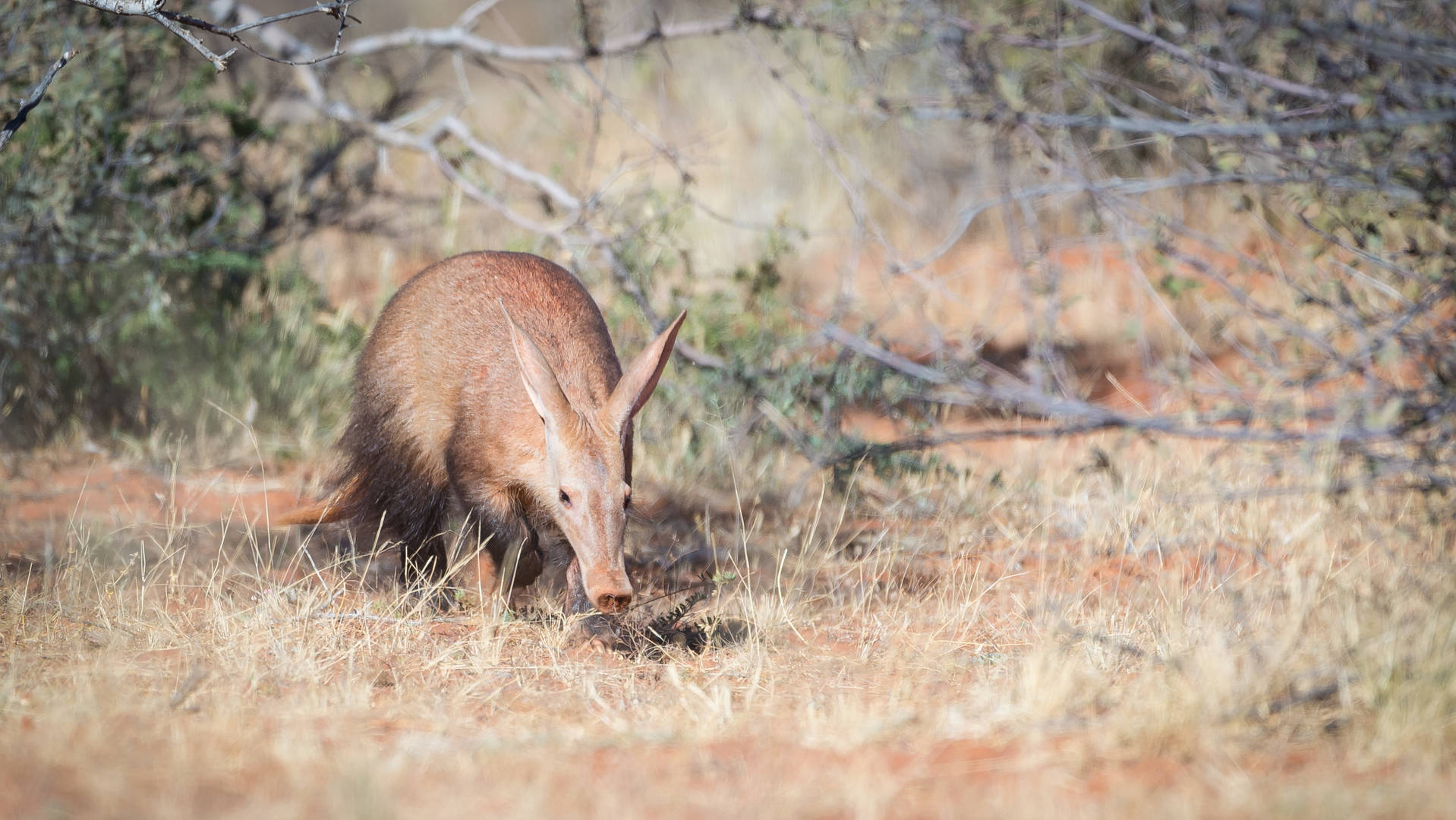
The aardvark looks like an animal stitched together from parts of others—a pig-like snout, rabbit ears, and a kangaroo tail. It’s nature’s termite vacuum, digging for insects all night with powerful claws.
Because they’re nocturnal, solitary, and extremely shy, aardvarks are rarely spotted on traditional safaris. But in Ruaha, Tarangire, and the Ngorongoro Highlands, sightings are possible—especially during colder months when they forage earlier.
What makes it magical: Its rarity and strange, prehistoric appearance. Even guides celebrate aardvark sightings. Travel tip: Choose luxury lodges with guided night drives, and consider cooler months (June–August).
5. Caracal & Serval – The Shy Shadows of the Grasslands
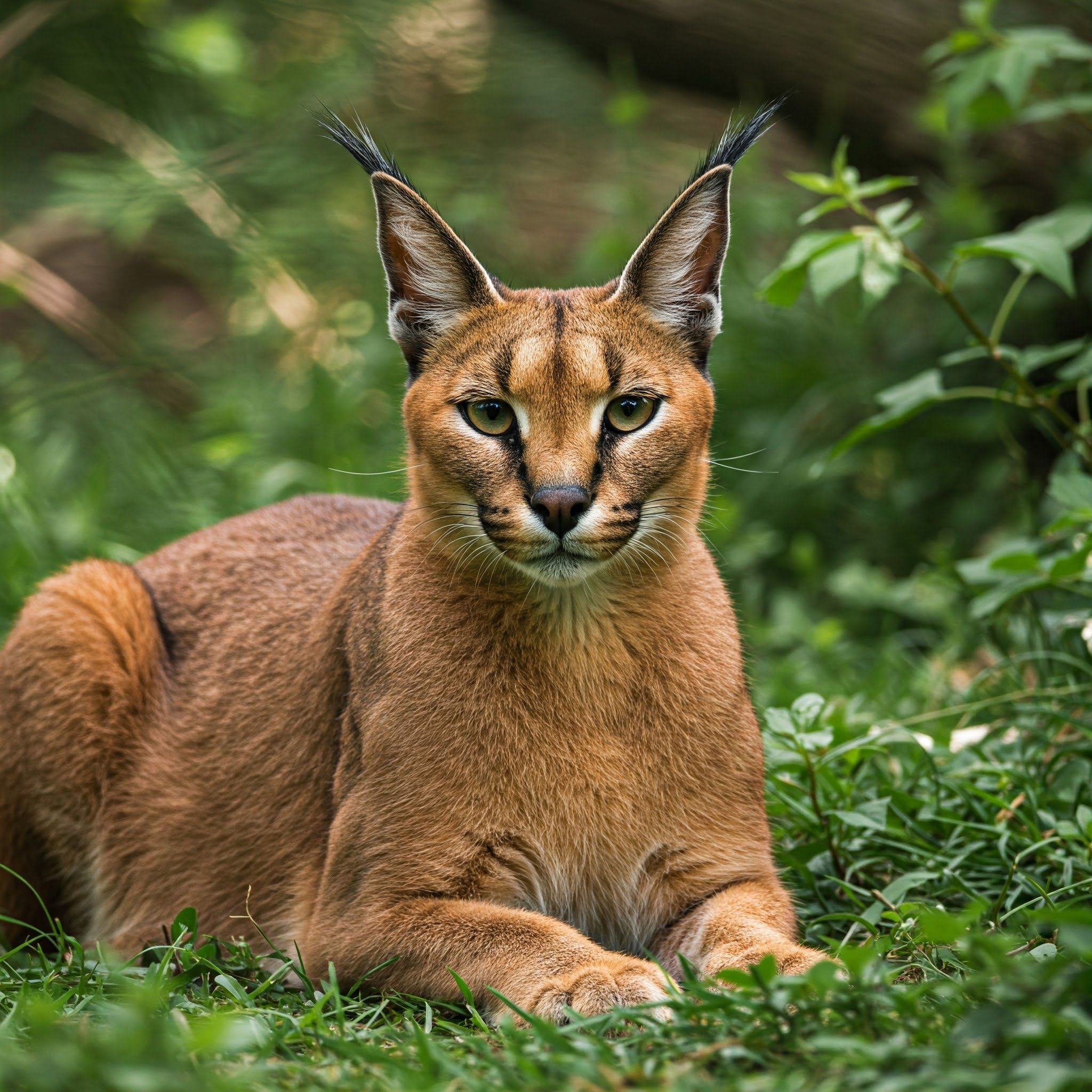
Caracal
Sleek, powerful, and rarely seen, the caracal is a striking predator with long, tufted ears and explosive hunting power. Found in drier, rocky regions, this nocturnal cat is best spotted in Ndutu or the Serengeti’s eastern reaches.
Serval
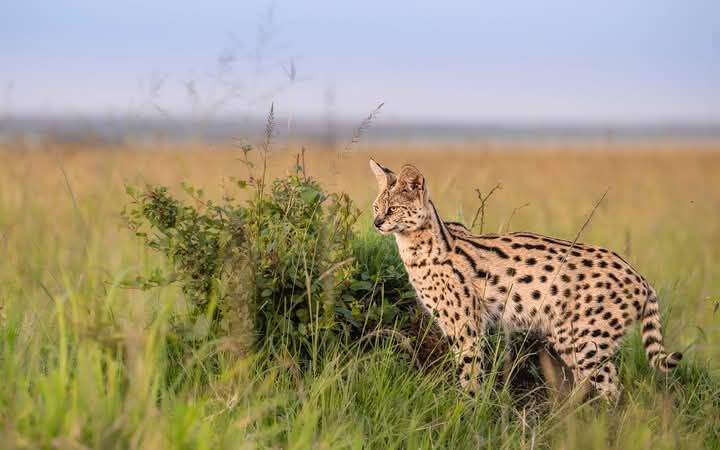
With its golden coat, black spots, and stilt-like legs, the serval blends perfectly into tall grasses. It’s more commonly seen than the caracal—especially in Central Serengeti and Ngorongoro Crater—but still rare. Why they’re remarkable: Spotting one feels like being let in on a private wildlife secret. They symbolize grace and stealth.
Photo tip: Early morning and late afternoon drives offer the best lighting and movement.
6. Honey Badger – Africa’s Fiercest Creature
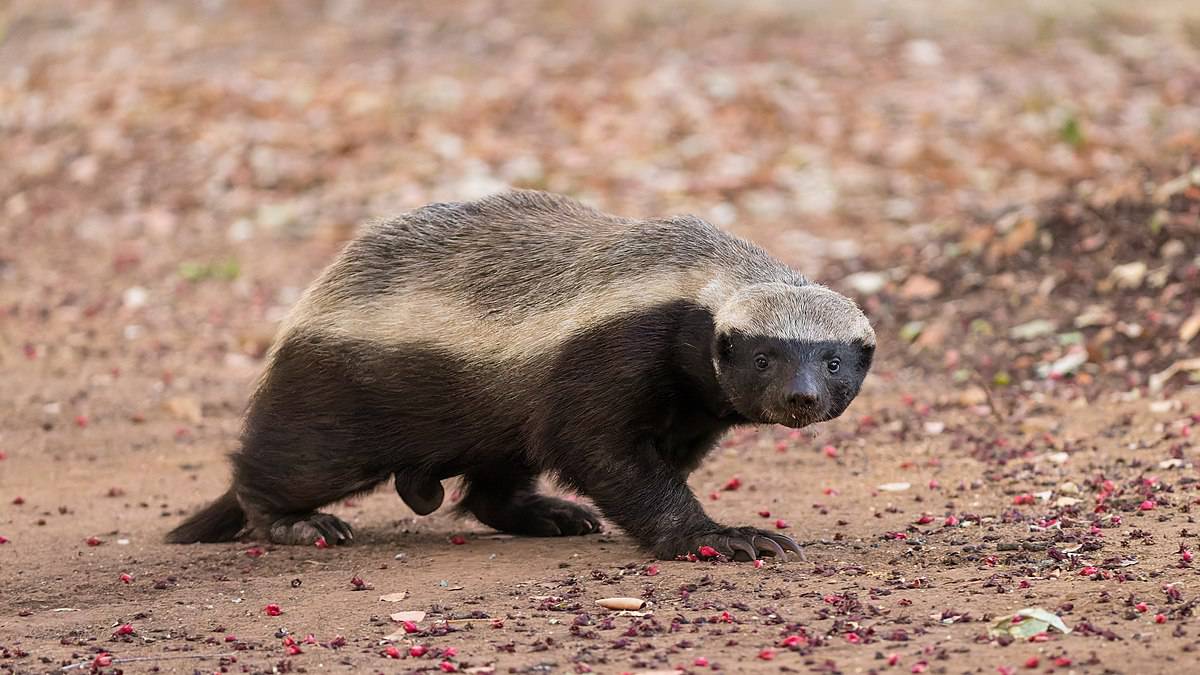
Small in size but immense in bravery, the honey badger is nature’s most fearless mammal. It takes on lions, breaks into beehives, and shrugs off venomous snake bites. Known for its toughness and cunning, it’s rarely seen—but always respected.
In Serengeti, Ruaha, and Tarangire, lucky travelers might spot one trotting alone, sniffing out food with unshakable focus. Why it’s legendary: It’s the underdog of the safari world. Resilient, tough, and unpredictable. Pro tip: Ask your guide to listen for alarm calls—animals often alert each other when a honey badger is nearby.
7. Zorilla – The African Polecat You’ve Never Heard Of
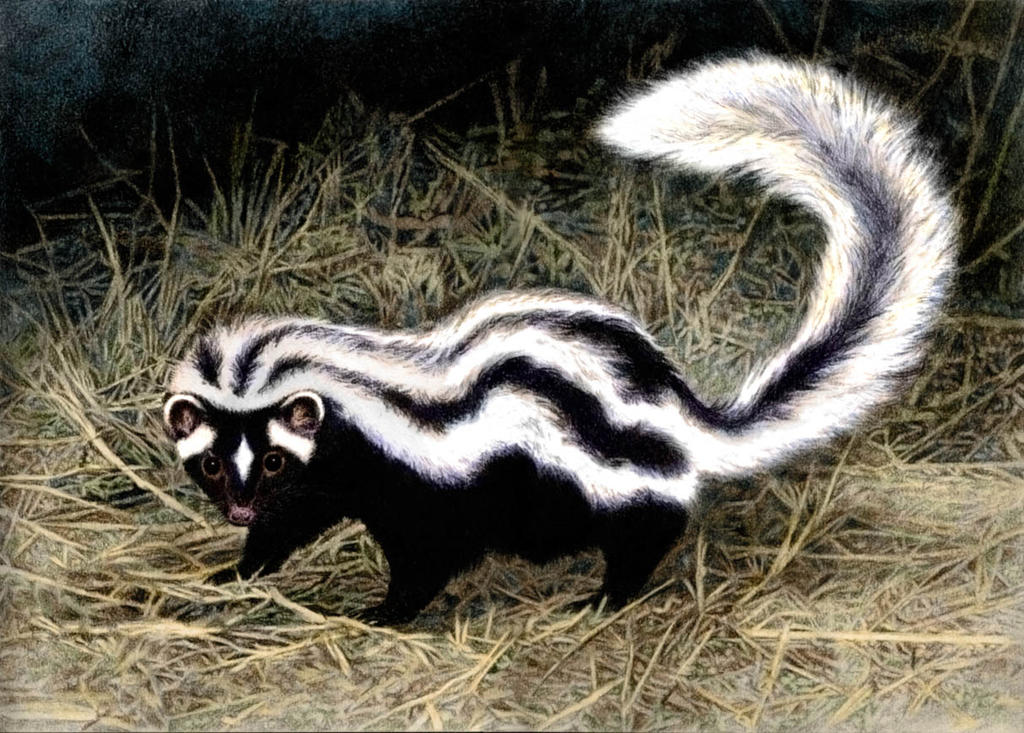
Often mistaken for a skunk, the zorilla is a tiny predator with bold black-and-white markings and a strong scent defense. It’s fast, clever, and highly elusive—appearing only on rare night drives.
Seen occasionally in Southern Serengeti and Tarangire, spotting a zorilla is a badge of honor for safari veterans.
Why it’s cool: It’s comical, rare, and misunderstood—a safari surprise nobody expects.
Safari tip: Night drives in private conservancies or national parks with special permits give you a better chance.
8. Black Rhino – The Endangered Icon of Ngorongoro Crater
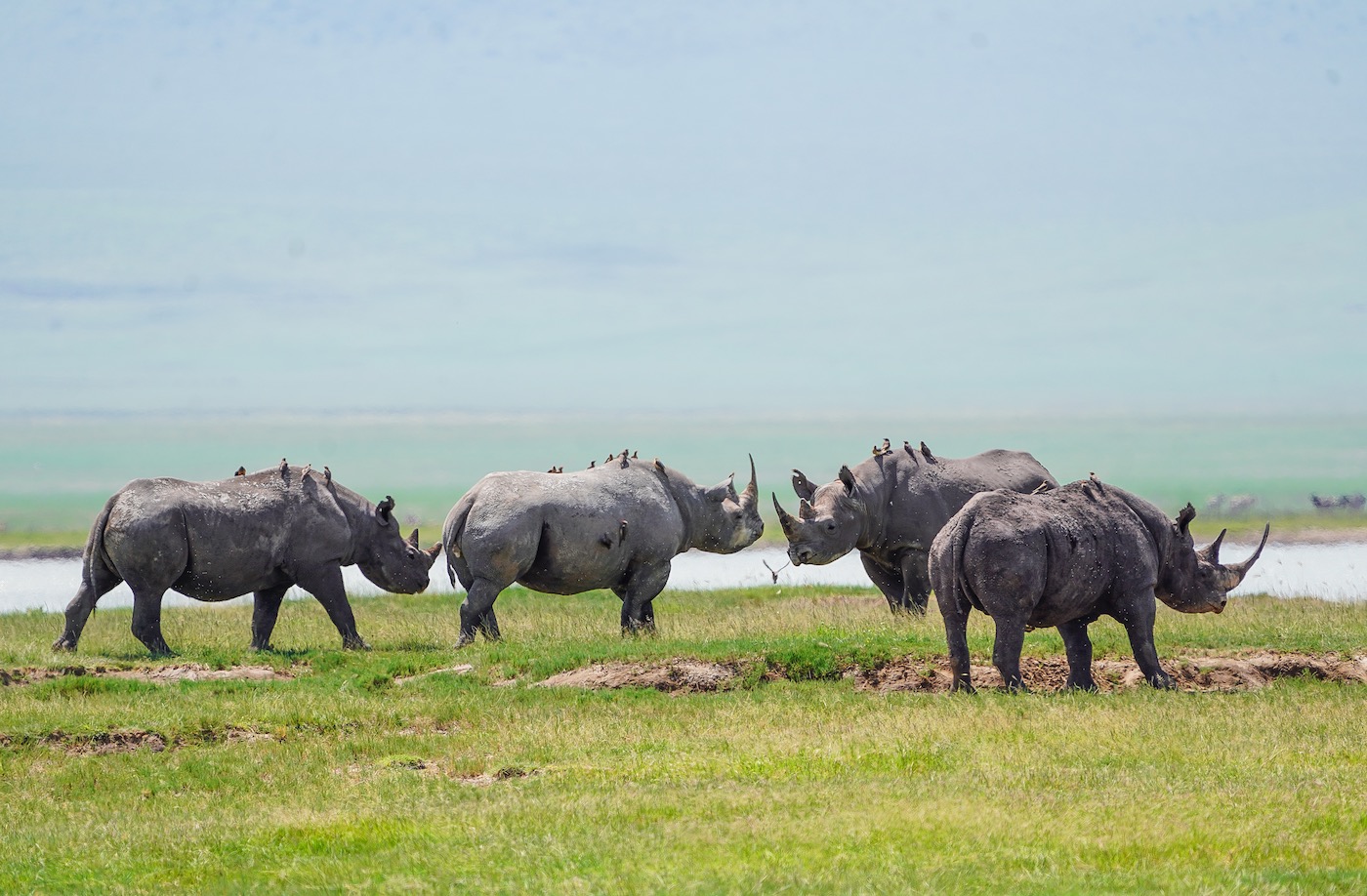
With its curved horns, armored body, and deep-set eyes, the black rhino is a living fossil and a conservation symbol. In Tanzania, they’re critically endangered, with small numbers remaining in the Ngorongoro Crater—protected by rangers and strict anti-poaching patrols.
Spotting one roaming across the crater floor, mist rising behind it, is a humbling moment of reverence.
What makes it unforgettable: You’re witnessing the survival of a species on the brink. It’s powerful and emotional.
Conservation tip: Choose safari companies that support rhino preservation and community-based wildlife protection.
9. Wildebeest River Crossings – Nature’s Most Dramatic Migration
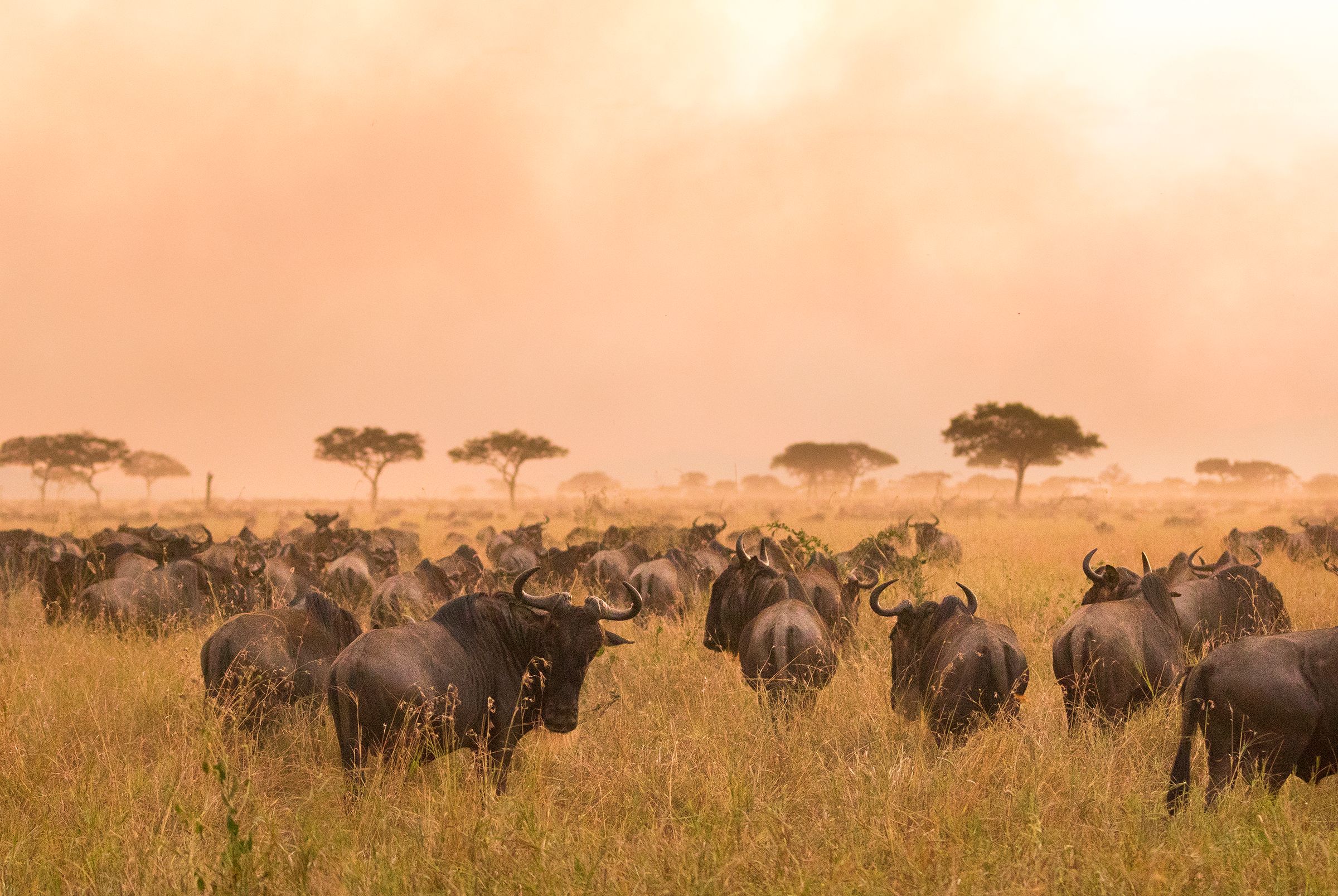
Every year, over 1.5 million wildebeest and zebras cross the Mara River in Northern Serengeti—battling currents, crocodiles, and fear. It’s Africa’s greatest wildlife spectacle, but also incredibly rare to witness at the right place and time.
Between July and October, travel to Kogatende or Lamai with a guide who understands migration patterns. Wait patiently near a crossing point—and prepare for an explosion of hooves, splashes, and primal survival.
Why it’s epic: It’s nature’s drama in real-time. No two crossings are alike, and the emotional energy is unforgettable.
Photography tip: Bring a zoom lens and prepare to stay still for hours—you’ll be rewarded.
10. Bat-Eared Foxes – The Furry Sentinels of the Serengeti
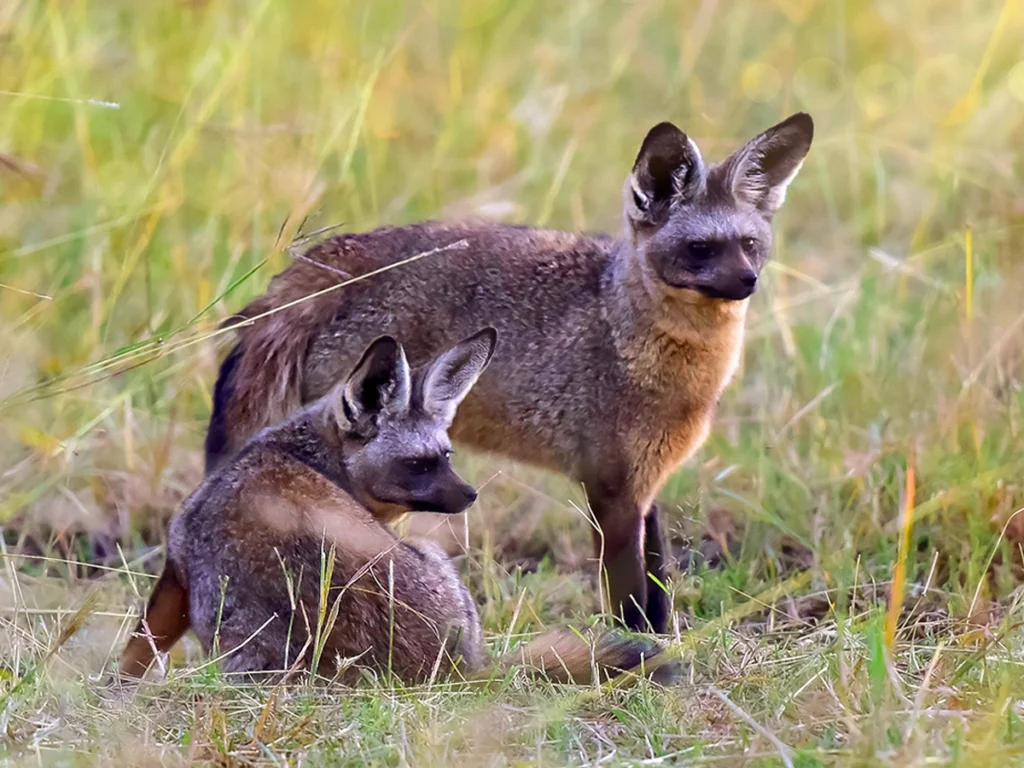
With oversized ears, alert stances, and curious eyes, bat-eared foxes are insect specialists that look like bushland sentinels. Often found in Central Serengeti, these social creatures are best seen at dawn or dusk near open plains and termite mounds.
They’re playful, photogenic, and utterly adorable—a perfect find for families and photographers.
Why travelers love them: They’re small, quirky, and a joy to watch. One of Serengeti’s hidden gems.
Where to stay: Lodges near Seronera or Naabi Hill offer higher chances of sightings.
Plan Your Rare Safari Moments with Paul Tours Safari
At Paul Tours Safari, we believe the true magic of Africa lies in the unexpected—the rare sightings, the quiet moments, the breathtaking encounters that can’t be found on a checklist. That’s why we specialize in crafting private luxury safaris designed around your unique interests, guided by expert local professionals who know where extraordinary experiences hide. From remote wilderness areas and ethical wildlife adventures to carefully selected luxury lodges that immerse you in nature without compromising comfort, every detail is curated to elevate your journey. Let us create your once-in-a-lifetime safari filled with rare encounters and unforgettable stories. Contact us at [email protected] or explore more at www.paultoursafari.com.
Discover more from Paul Tours Safari
Subscribe to get the latest posts sent to your email.