
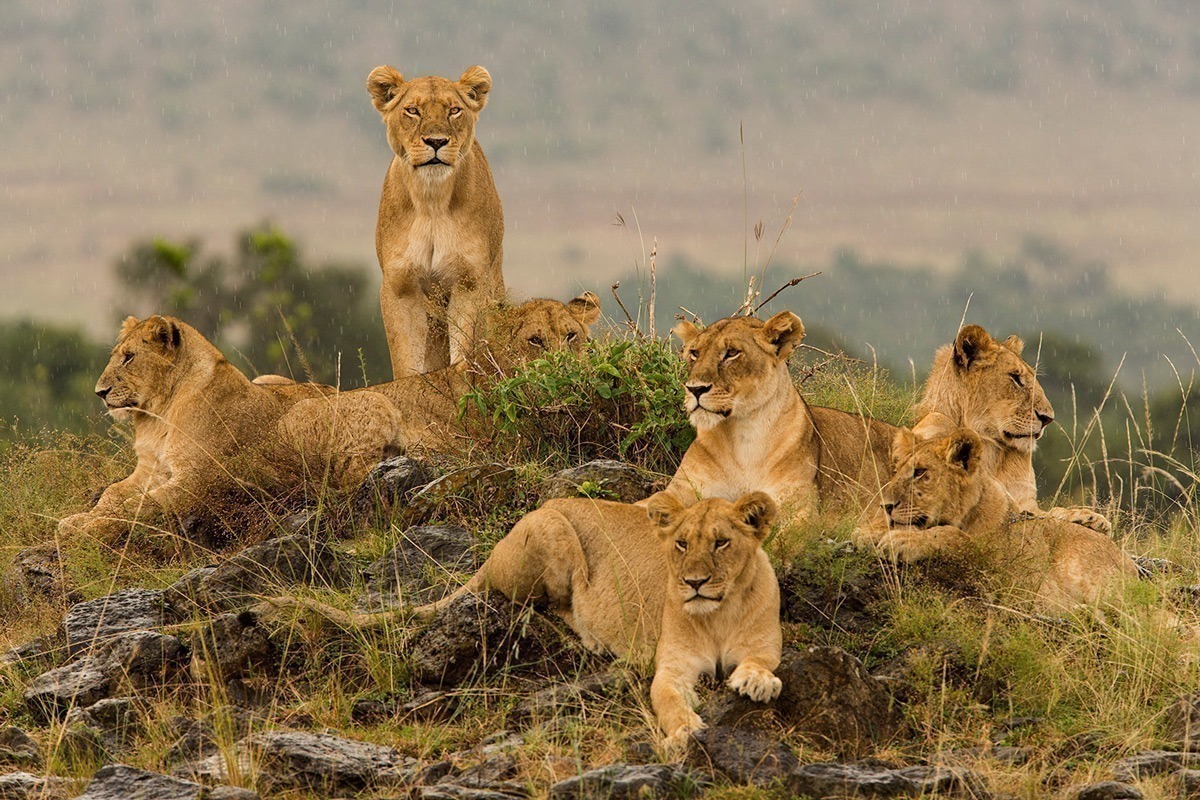
When planning a safari adventure, knowing the best time to visit Tanzania, Kenya, and Zanzibar is essential for maximizing wildlife sightings and enjoying comfortable weather. These East African destinations rank among the world’s top spots for unforgettable wildlife experiences. From the dramatic Great Migration sweeping across the vast Serengeti plains and Masai Mara Reserve, to the rich marine biodiversity in Zanzibar’s turquoise waters, each place offers unique seasonal highlights.
By understanding seasonal patterns—such as dry and wet seasons, animal migrations, and breeding cycles—you can choose the ideal time to visit. This knowledge helps you witness iconic African animals like lions, elephants, zebras, and rare bird species at their most active. Whether you want to see predators on the hunt, newborn calves taking their first steps, or simply relax on pristine beaches, planning your trip around these natural rhythms ensures a richer, more rewarding safari experience.
Best Time to Visit Tanzania for Wildlife Viewing
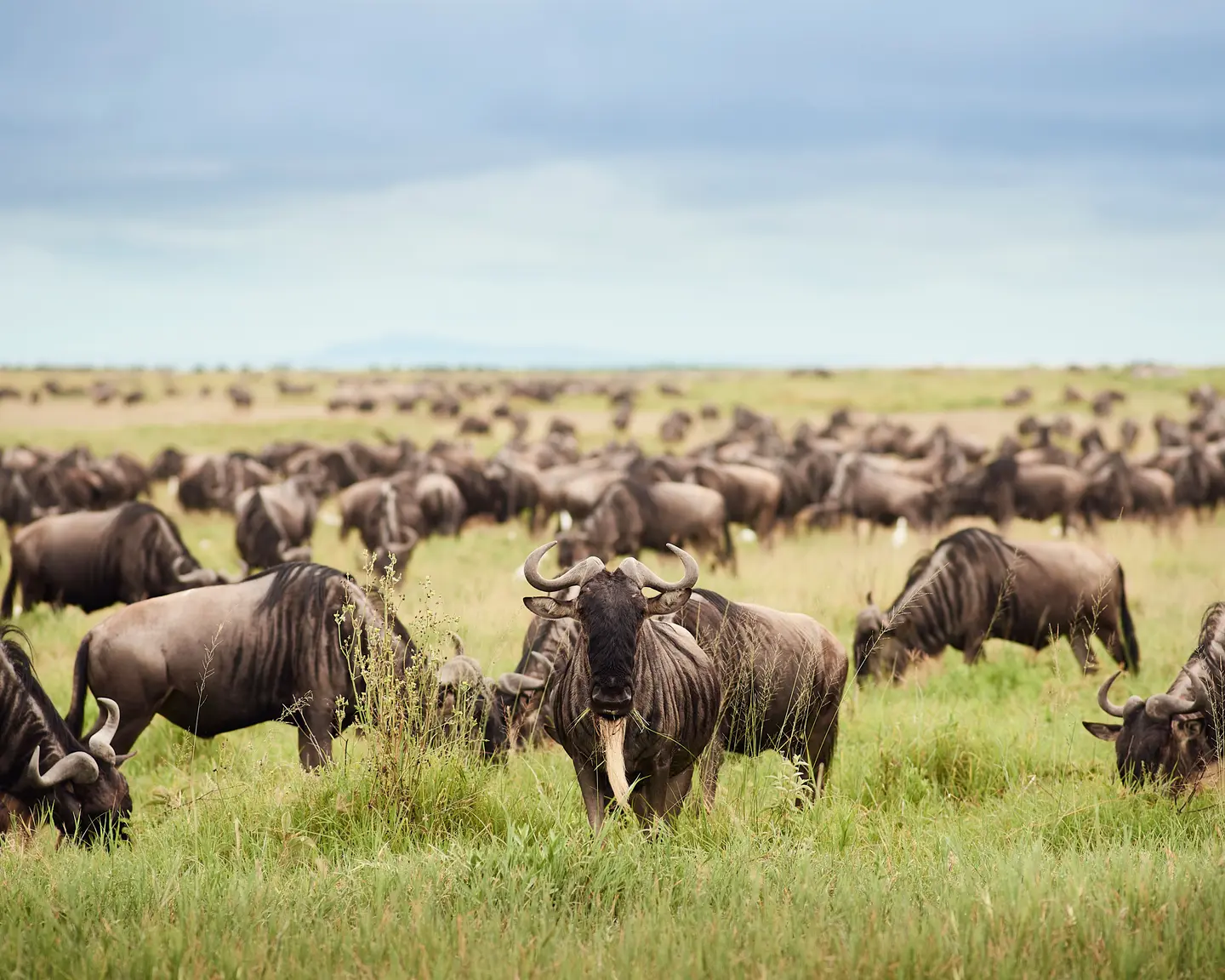
Tanzania offers some of the richest and most diverse wildlife experiences in Africa. The best time to visit Tanzania for wildlife viewing is during the dry season, which runs from June to October. During these months, the weather stays mostly dry and cool. As a result, animals gather around shrinking water sources, making them easier to spot. Game drives during this period provide excellent opportunities to see the Big Five—lion, elephant, buffalo, leopard, and rhinoceros—and many other species. One of the highlights of this season is the Great Migration. Millions of wildebeest, zebras, and gazelles travel across the Serengeti plains in search of fresh grazing. This event creates dramatic river crossings and intense predator-prey interactions that thrill visitors.
The short rainy season, from November to December, also offers great wildlife viewing. Although the landscape becomes greener and more lush, animals tend to spread out. This period is ideal for spotting newborn animals and birdwatching. From March to May, Tanzania experiences the long rainy season. Heavy rains make some roads difficult to access, and wildlife viewing becomes more challenging. However, this time suits travelers seeking fewer crowds, lower prices, and vibrant, green landscapes.
Best Time to Visit Kenya for Wildlife Viewing
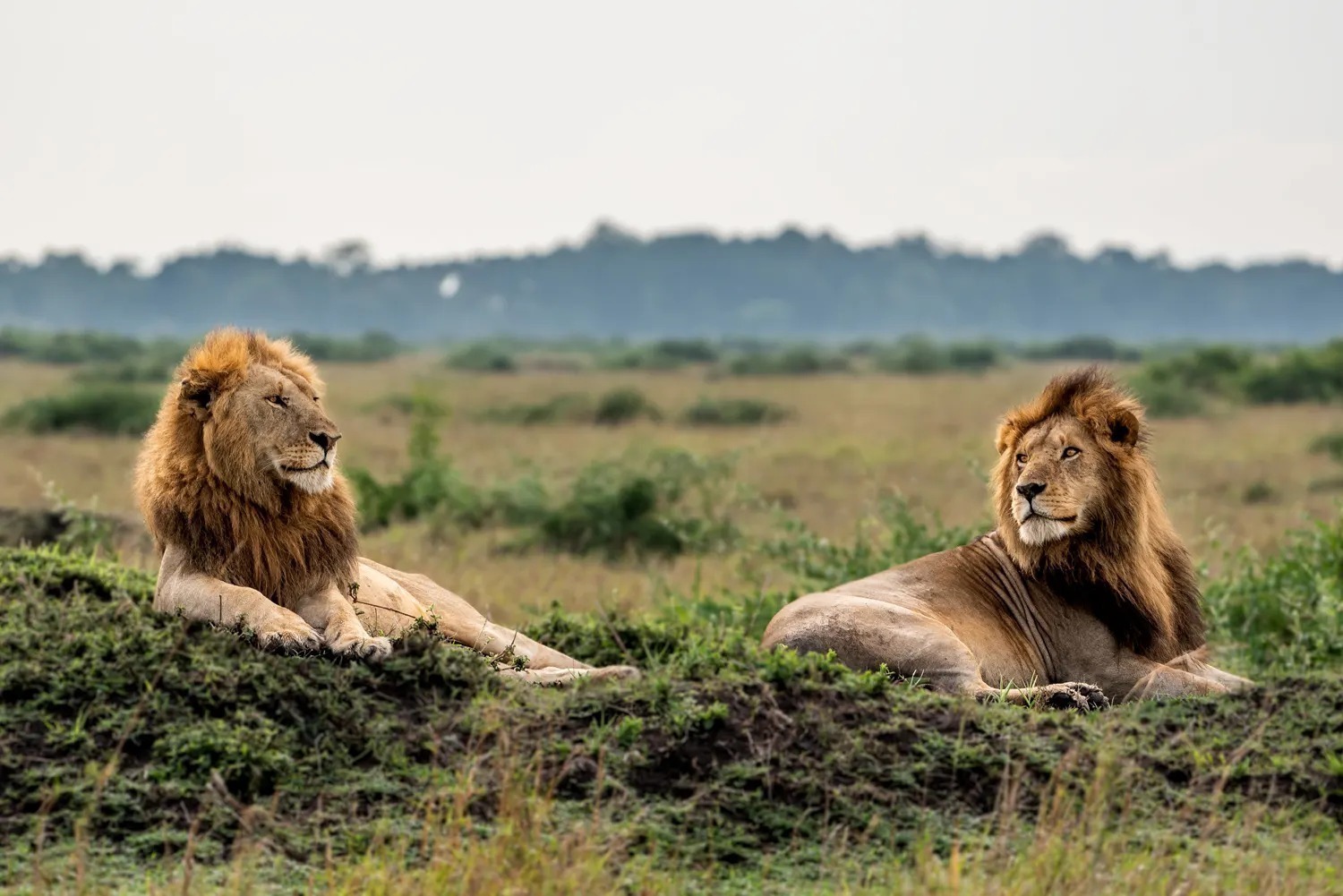
Kenya’s Maasai Mara National Reserve shares much of its ecosystem with Tanzania’s Serengeti, making it a top destination for wildlife lovers. The best time to visit Kenya for wildlife viewing is during the dry season, from July to October. This period coincides with the peak of the Great Migration in the Masai Mara. As water sources shrink, wildlife gathers around rivers and watering holes, creating excellent opportunities to see predators hunting the migrating herds.
Another great time to visit is between January and March, when the weather is pleasant, and animals spread out across the Mara plains. Game viewing during these months remains excellent, with good chances to spot a wide variety of wildlife. The wet seasons, from April to June and November to December, transform the landscape into lush greenery. While the scenery becomes more vibrant, thicker foliage can make spotting animals more challenging. However, these months bring fewer tourists, offering a quieter and more intimate safari experience.
When to Visit Zanzibar for Optimal Wildlife and Beach Experiences
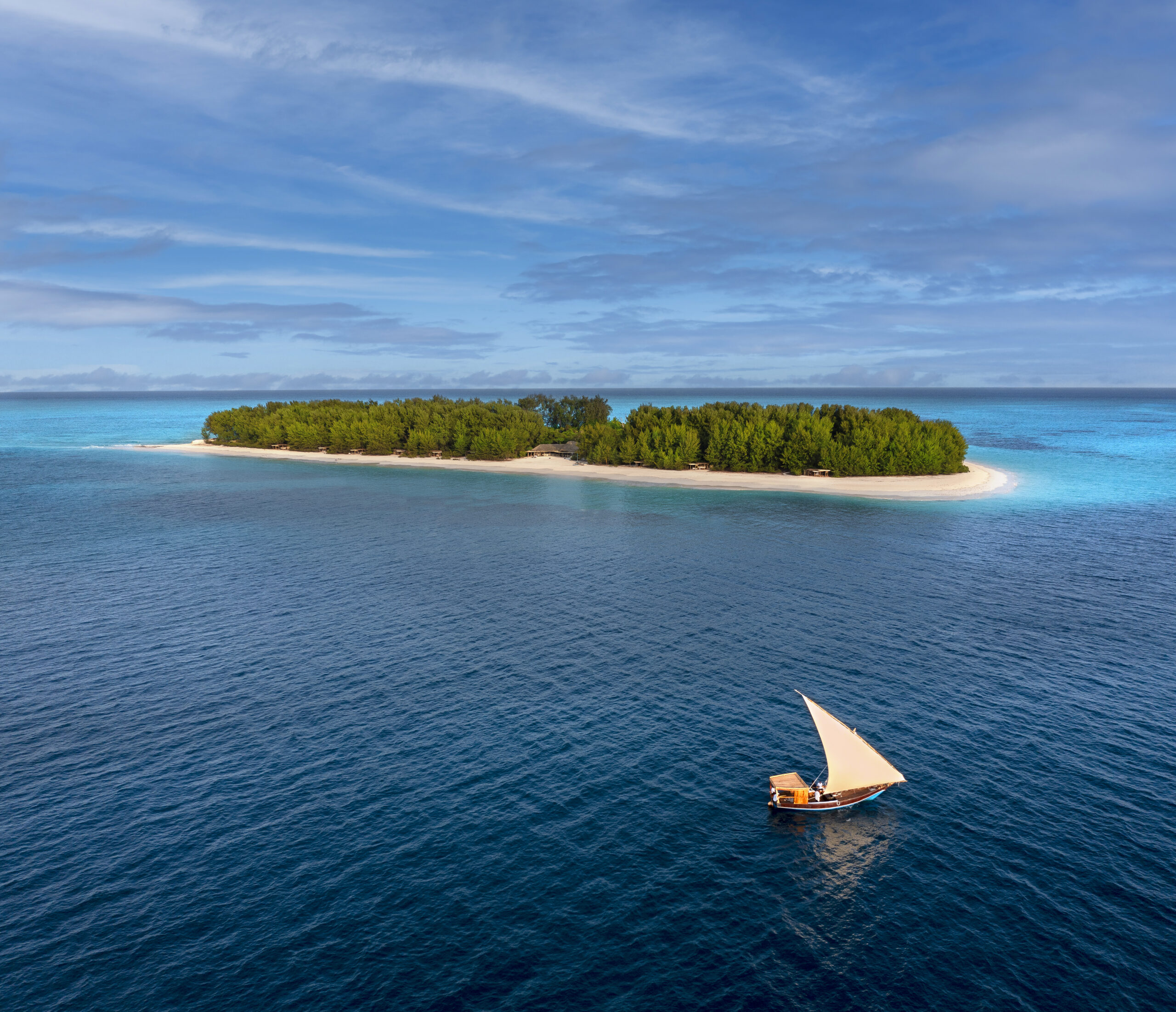
Zanzibar is best known for its white-sand beaches, crystal-clear waters, and rich cultural heritage—but it also offers exceptional marine wildlife experiences. The best time to visit Zanzibar is during the dry seasons from June to October and December to February. These months bring sunny skies, low humidity, and calm seas, making conditions ideal for beach relaxation and ocean-based adventures. During this time, travelers can enjoy snorkeling and scuba diving along vibrant coral reefs, swim with wild dolphins, or watch sea turtles glide through the clear waters. Marine life is especially active, and visibility for diving and underwater photography is excellent.
The long rainy season, which stretches from March to May, brings heavier downpours and choppy seas. This can limit marine excursions and beach activities. However, the island is quieter and more peaceful during this period, with lush vegetation and fewer crowds—an appealing option for travelers seeking privacy or budget-friendly rates. From July to October, Zanzibar also offers the chance to spot humpback whales as they migrate through the Indian Ocean. This adds a unique wildlife element to a beach holiday and makes this period even more rewarding for nature lovers.
Why Timing Your Visit Matters
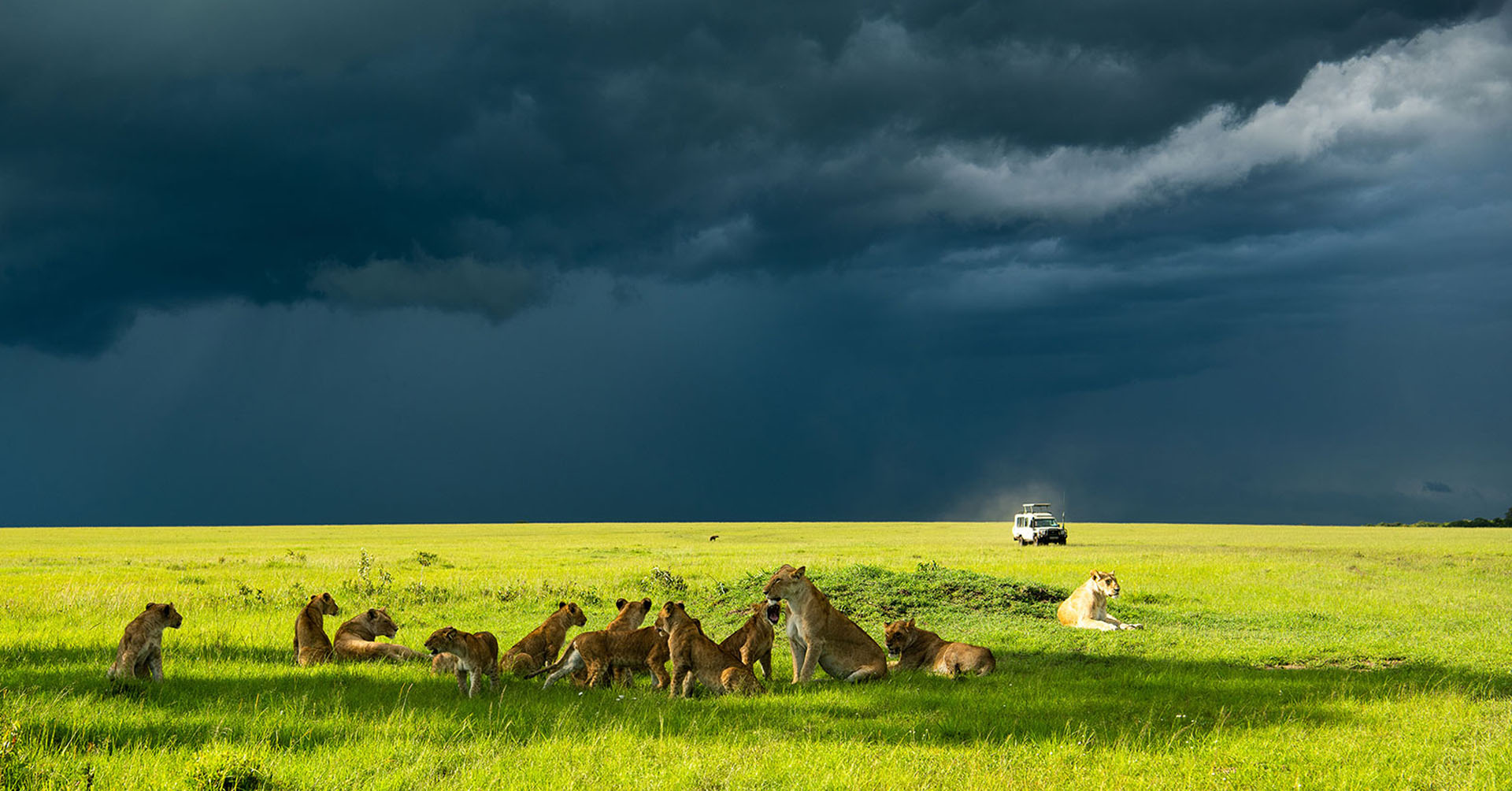
Timing your visit to East Africa can dramatically shape your safari and beach experience. The dry seasons—from June to October and January to February—are the most popular for safaris in Tanzania and Kenya. During these months, animals gather around limited water sources, making them easier to spot. Game drives are smoother, and photography conditions are excellent with clear skies and golden light.
In contrast, the green seasons (also known as the wet seasons) transform the landscapes into lush, vibrant panoramas. These months—March to May and November to December—are ideal for birdwatchers and photographers looking for dramatic backdrops and unique lighting. You’ll also see plenty of newborn wildlife during these periods.
However, rain can make some areas harder to access, and wildlife may spread out due to plentiful water. If you prefer fewer crowds, lower lodge rates, and quiet national parks, the green season could be a great choice.
Whether you’re chasing the Great Migration, seeking a romantic beach retreat in Zanzibar, or planning a family adventure, understanding East Africa’s seasonal patterns ensures a smoother, more rewarding journey.
Final Thoughts: Plan Your Ultimate Safari and Zanzibar Trip
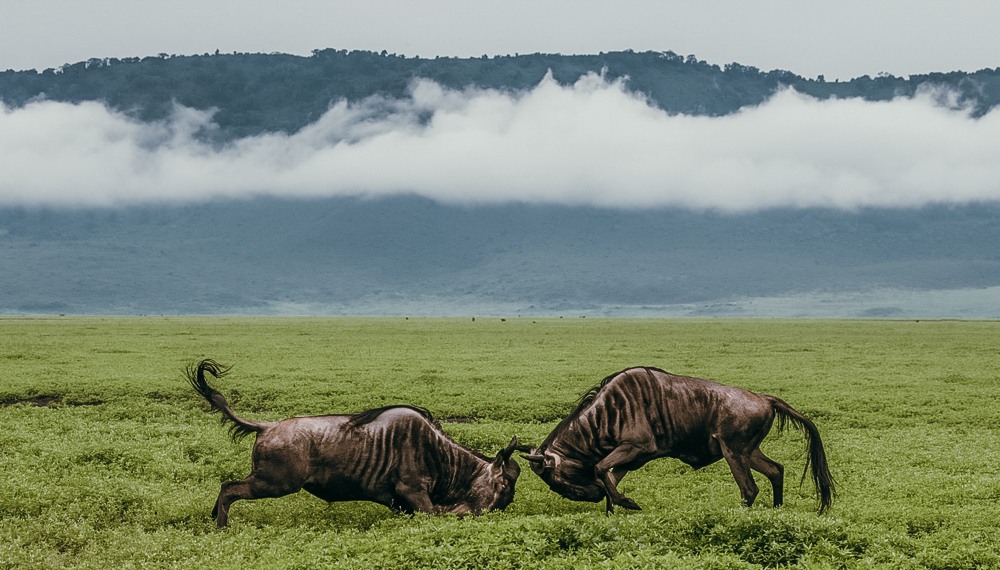
Whether you’re dreaming of witnessing the Great Migration thunder across the Serengeti and Masai Mara, or relaxing on Zanzibar’s pristine beaches surrounded by vibrant marine life, timing your visit is everything. Knowing the best time to visit Tanzania, Kenya, and Zanzibar for wildlife viewing allows you to design a journey that matches your interests—whether that’s thrilling predator action, peaceful moments with baby animals, or diving alongside sea turtles and dolphins.
By planning in advance, you can secure the finest luxury lodges, access exclusive experiences, and ensure smooth travel during East Africa’s peak seasons. From game drives through iconic national parks to barefoot luxury on the Indian Ocean coast, the timing of your trip plays a vital role in delivering the safari of your dreams.
At Paul Tours Safari, we create tailor-made, luxury safari itineraries designed around seasonal wildlife activity, weather conditions, and your personal preferences. Let us help you turn your vision into a once-in-a-lifetime East African adventure.
[email protected] | www.paultoursafari.com
Discover more from Paul Tours Safari
Subscribe to get the latest posts sent to your email.