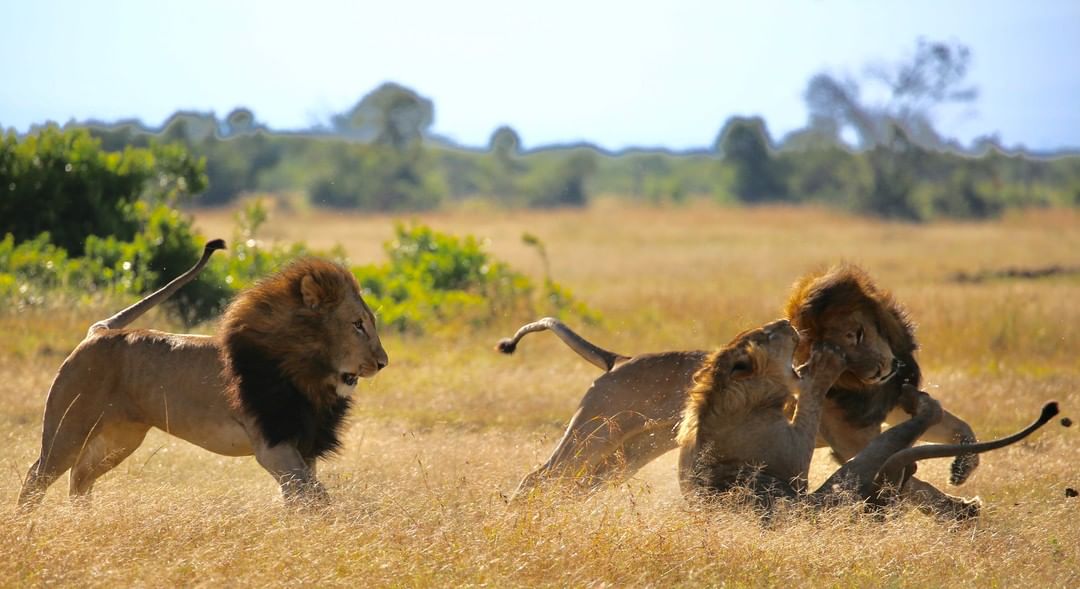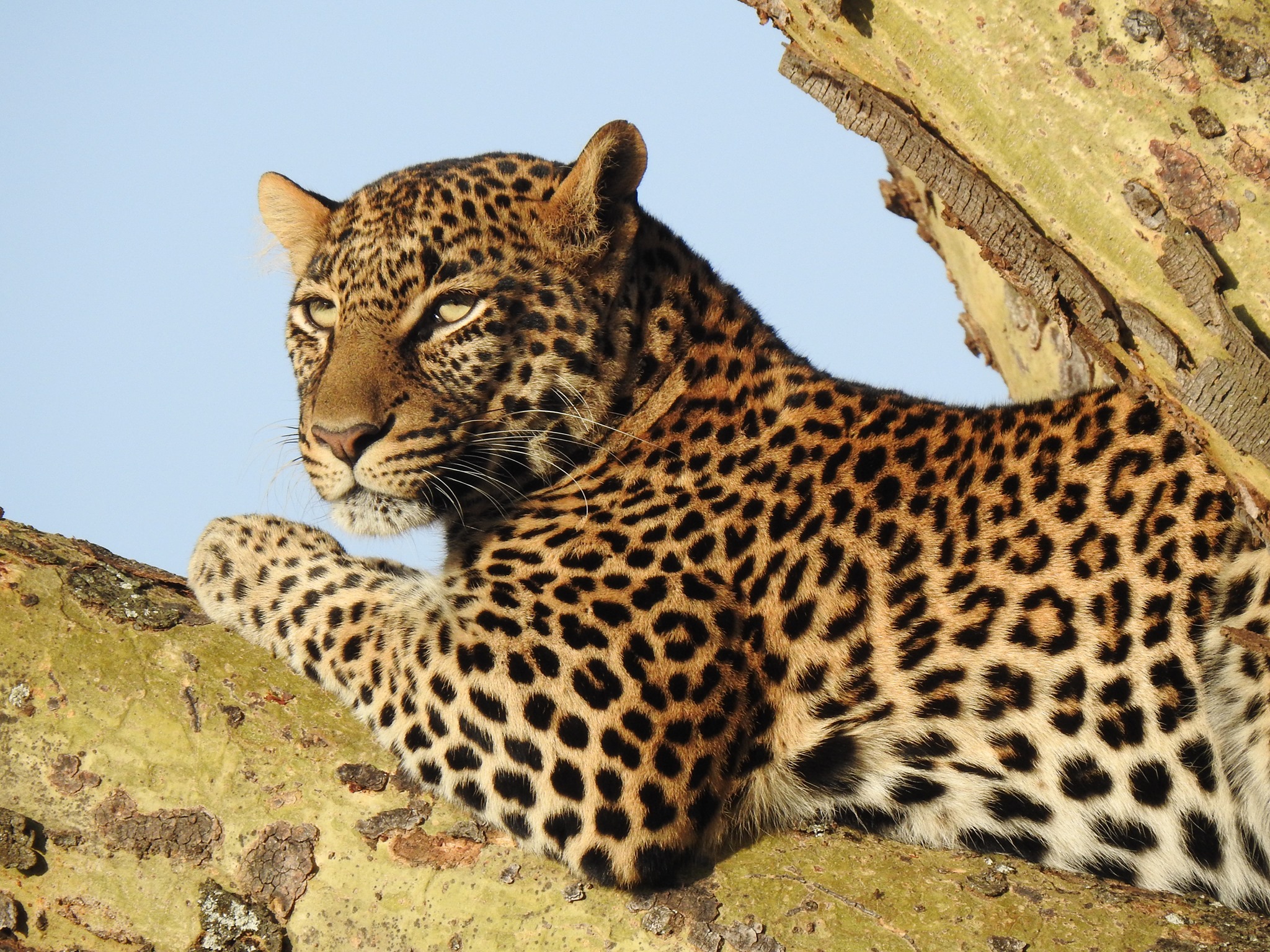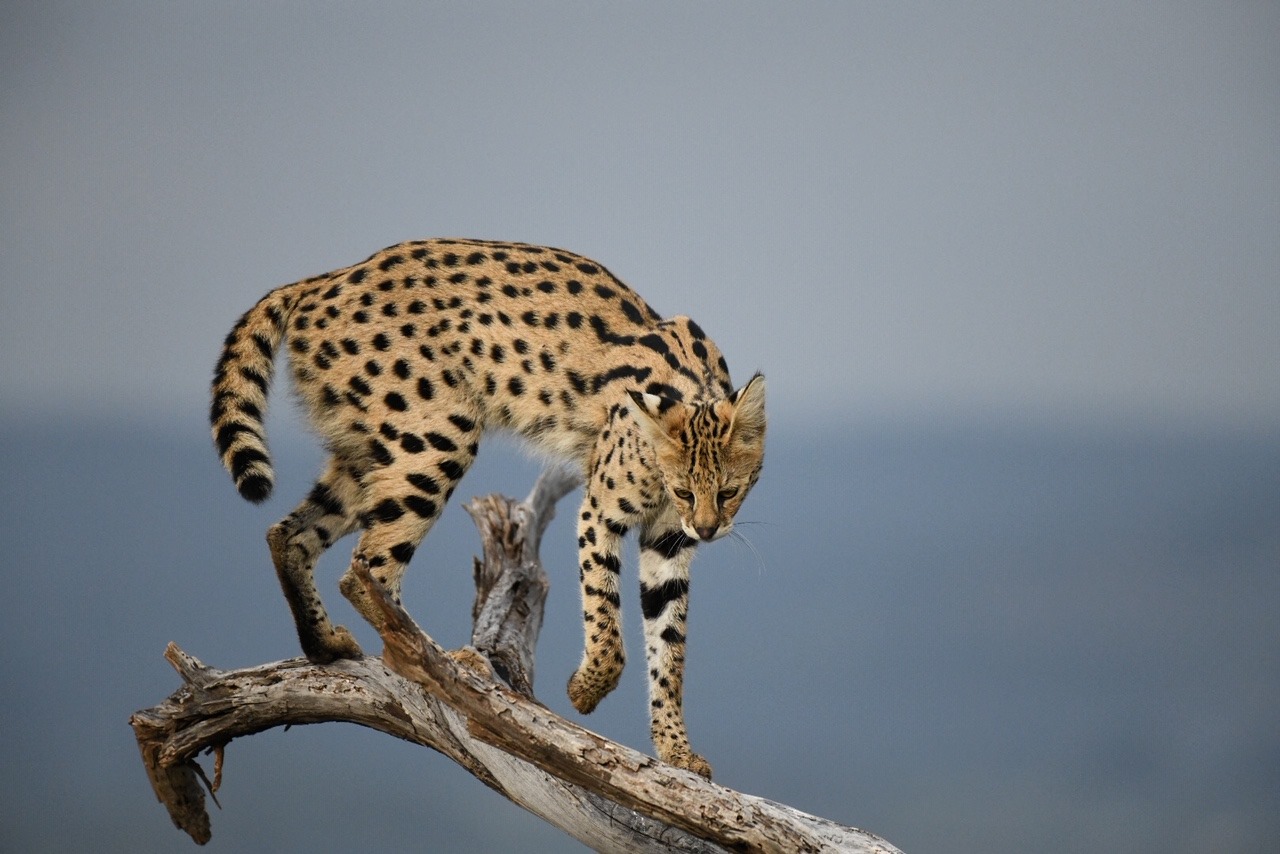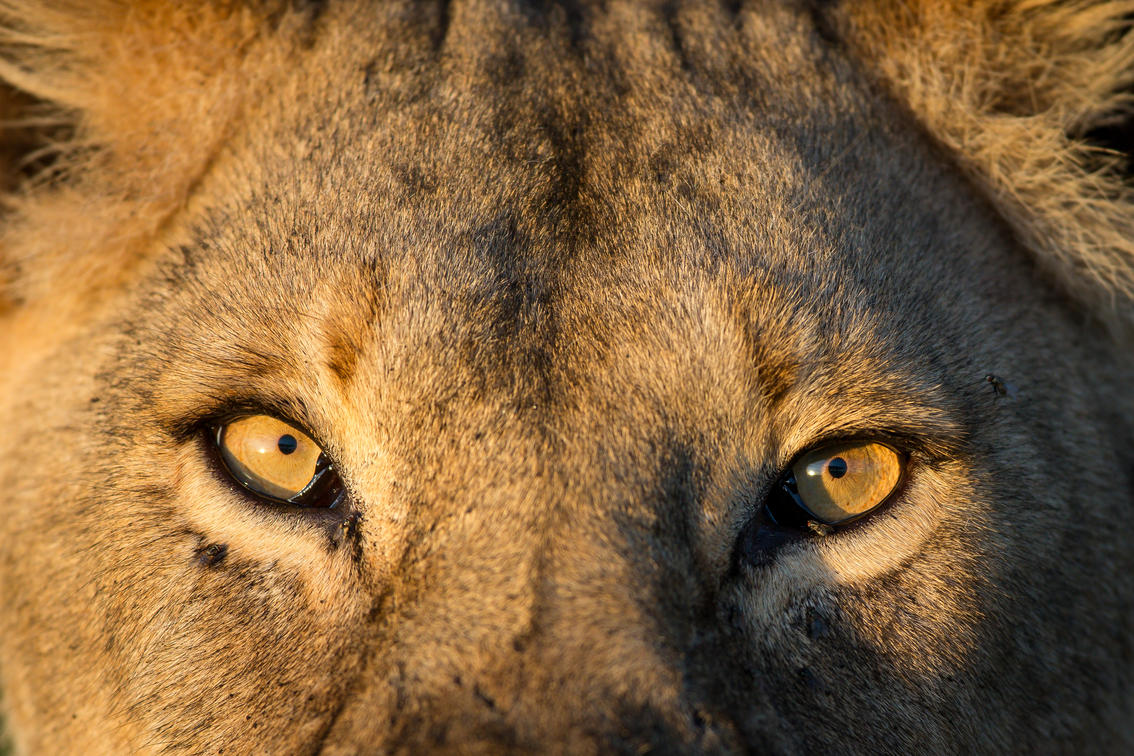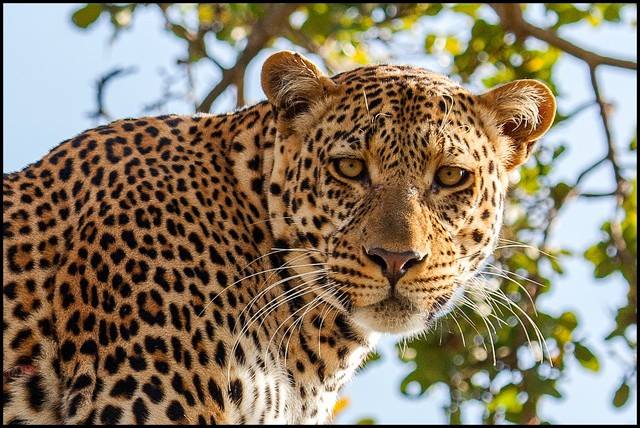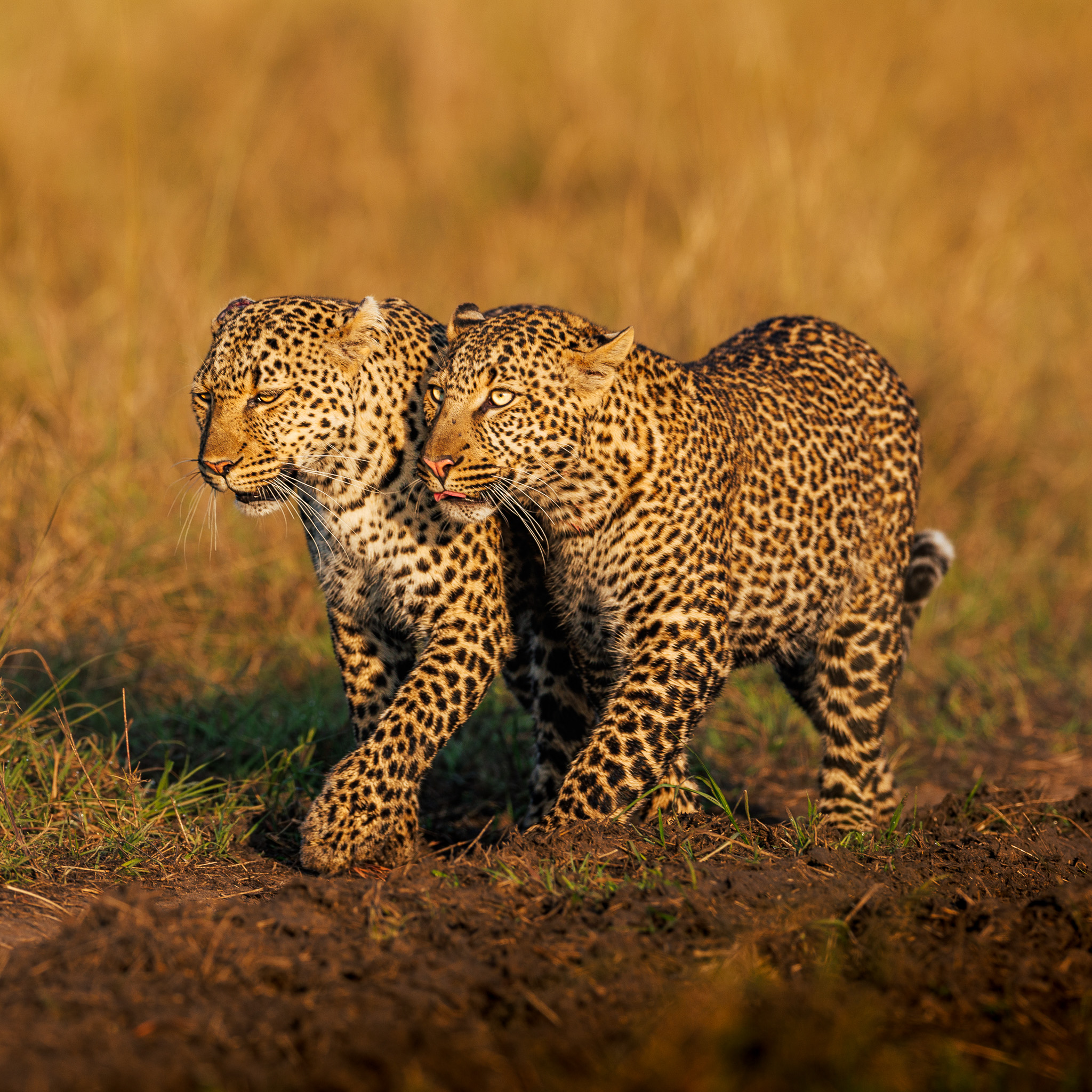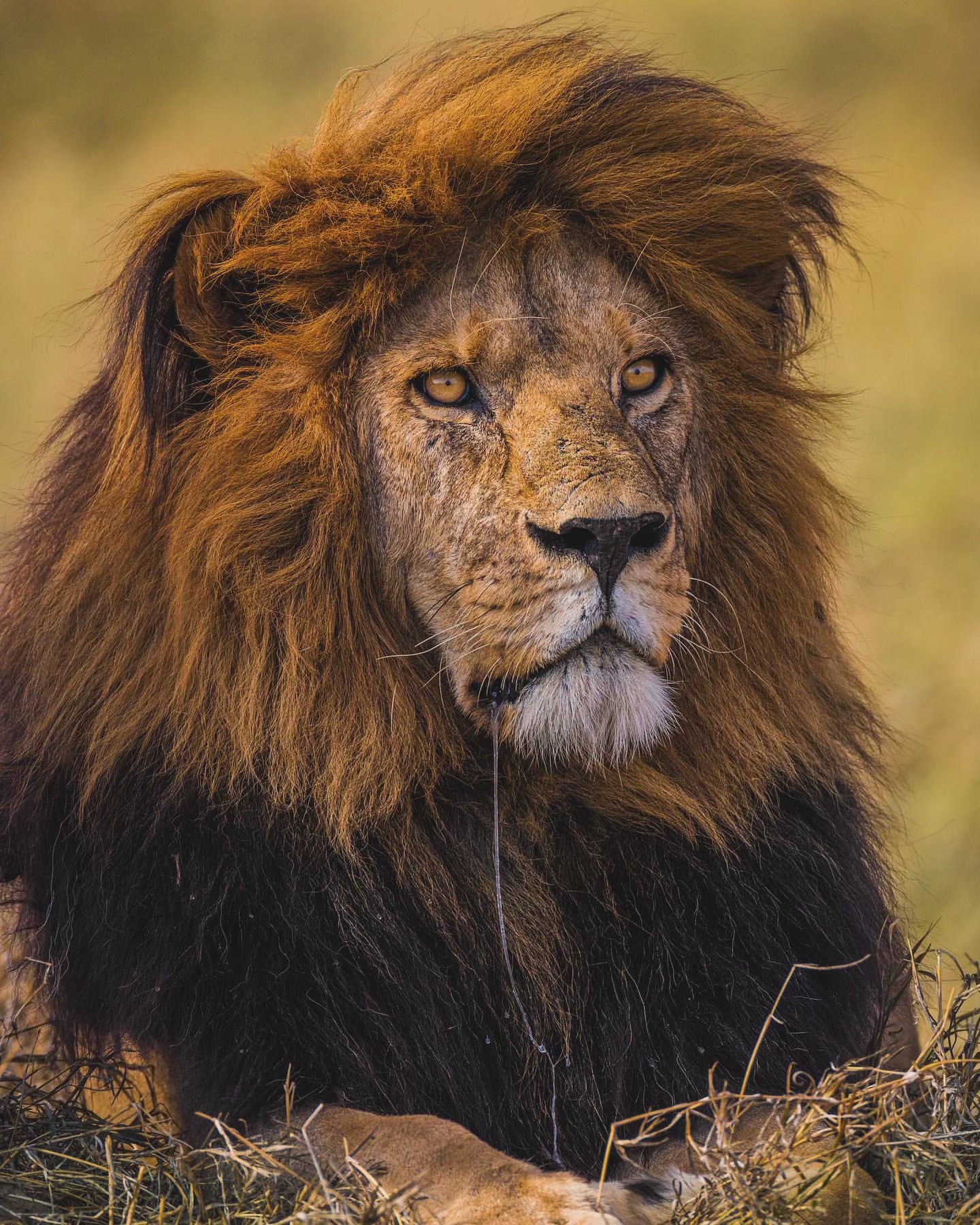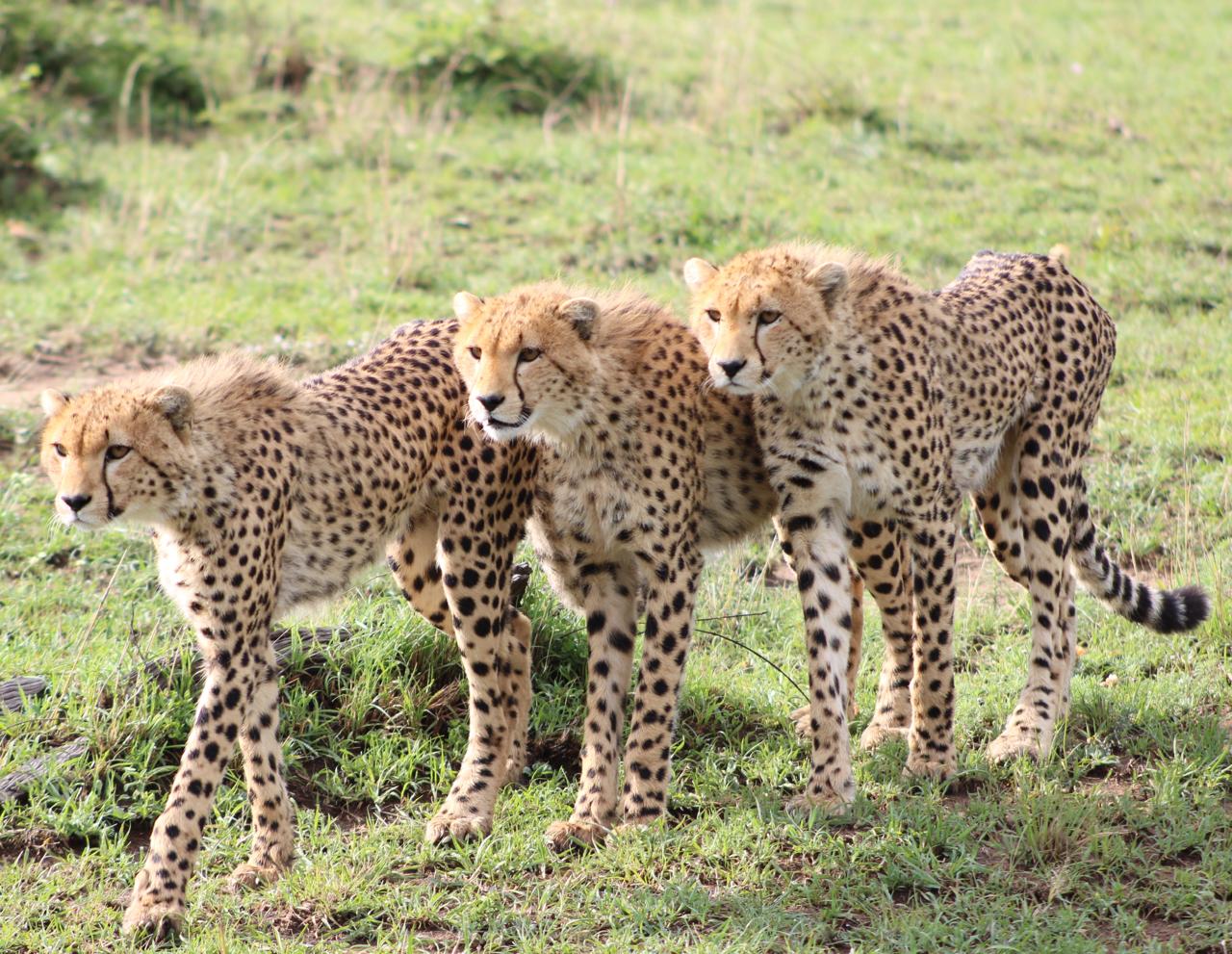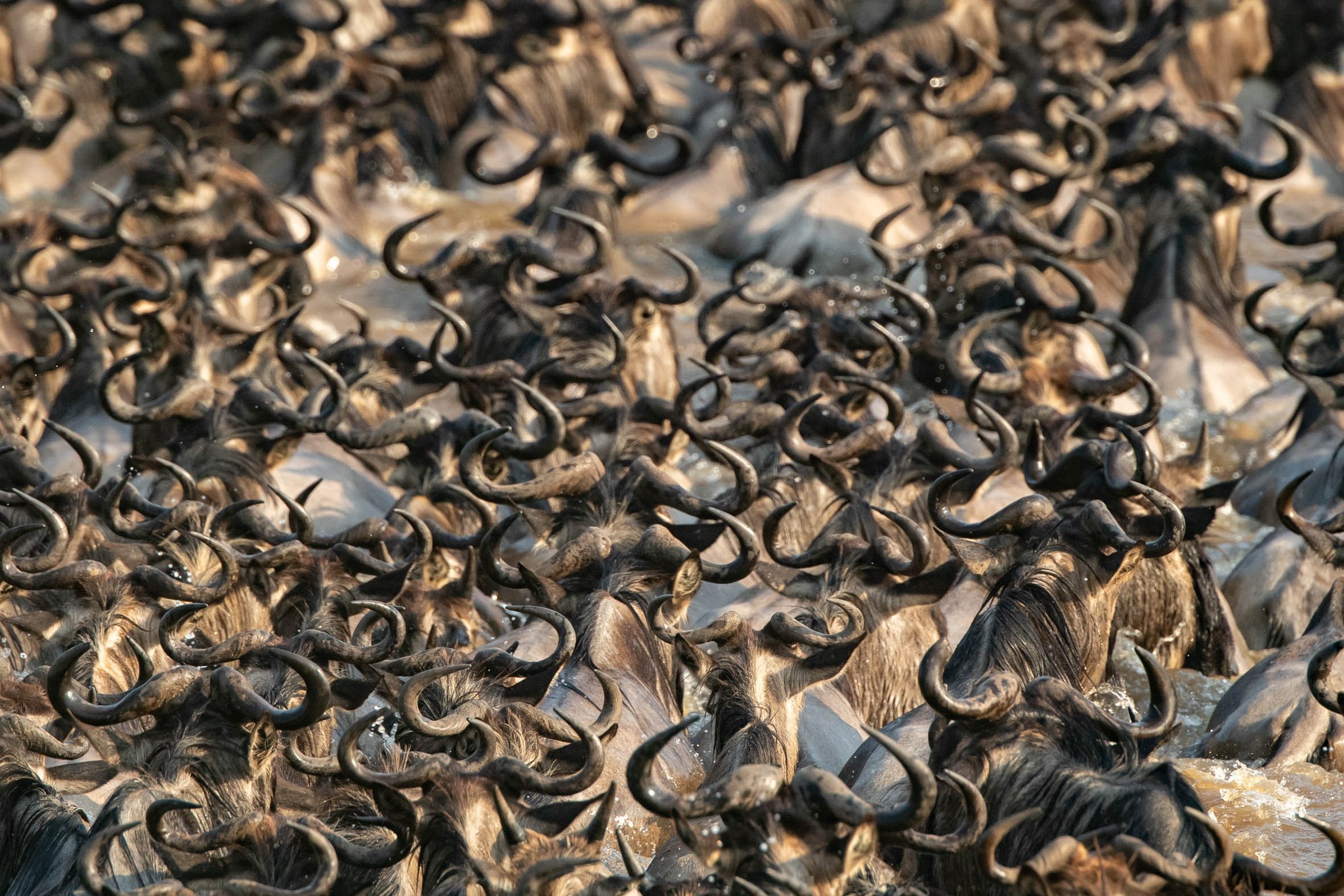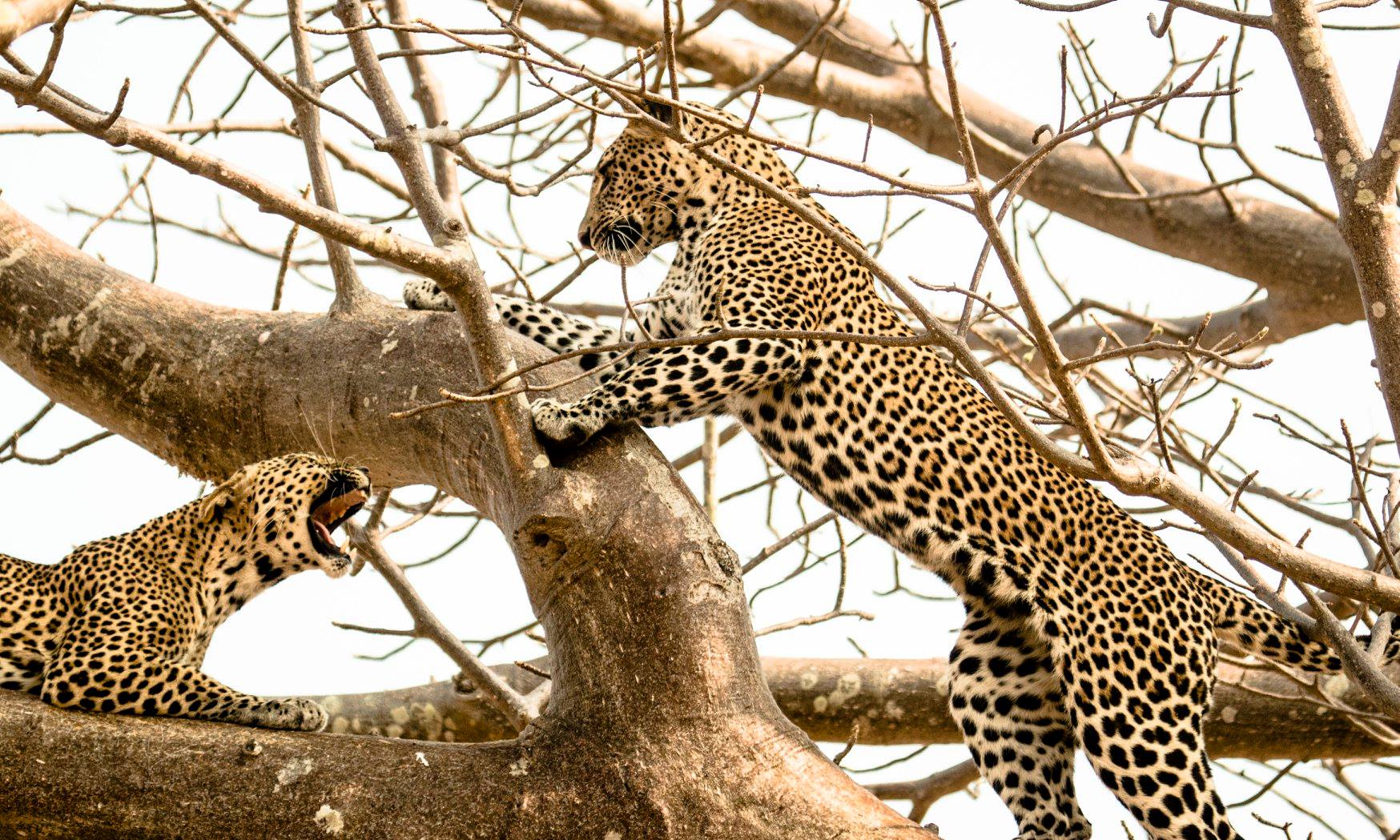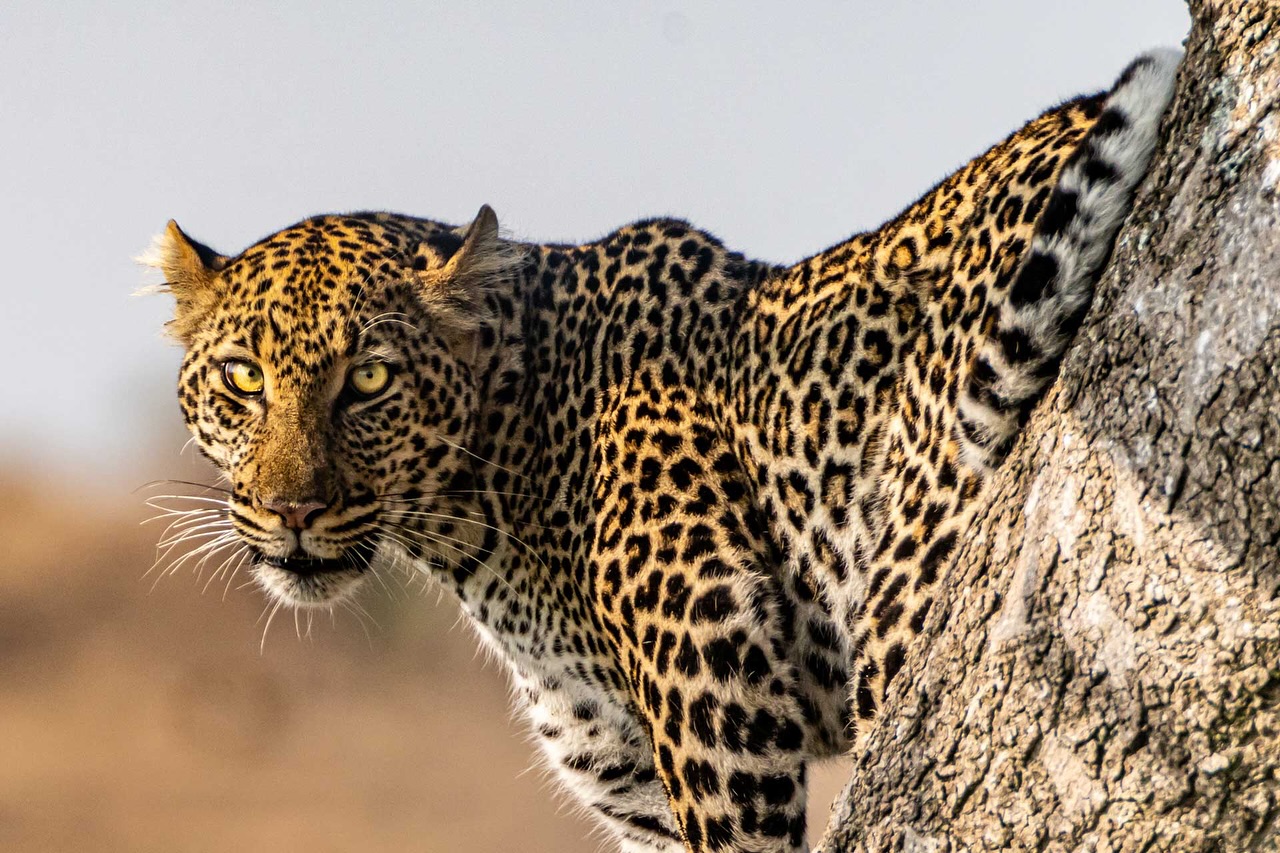
Experience the ultimate 12-day Kenya photography safari, designed for wildlife enthusiasts and photographers seeking close encounters with Africa’s most iconic predators. This journey spans Kenya’s most photogenic landscapes, from the vast Maasai Mara to the riverine habitats of Samburu and the rugged beauty of Laikipia. It provides unparalleled opportunities to capture lions, leopards, cheetahs, and more.
Your adventure begins in Nairobi, where your guide welcomes you and provides a safari briefing. Then, travel to the Maasai Mara National Reserve, Africa’s premier predator destination. Over several days, photograph lions lounging on kopjes, cheetahs sprinting across open plains, and elusive leopards resting in trees. The rolling grasslands and dramatic skies create perfect backdrops for action shots and sweeping landscapes.
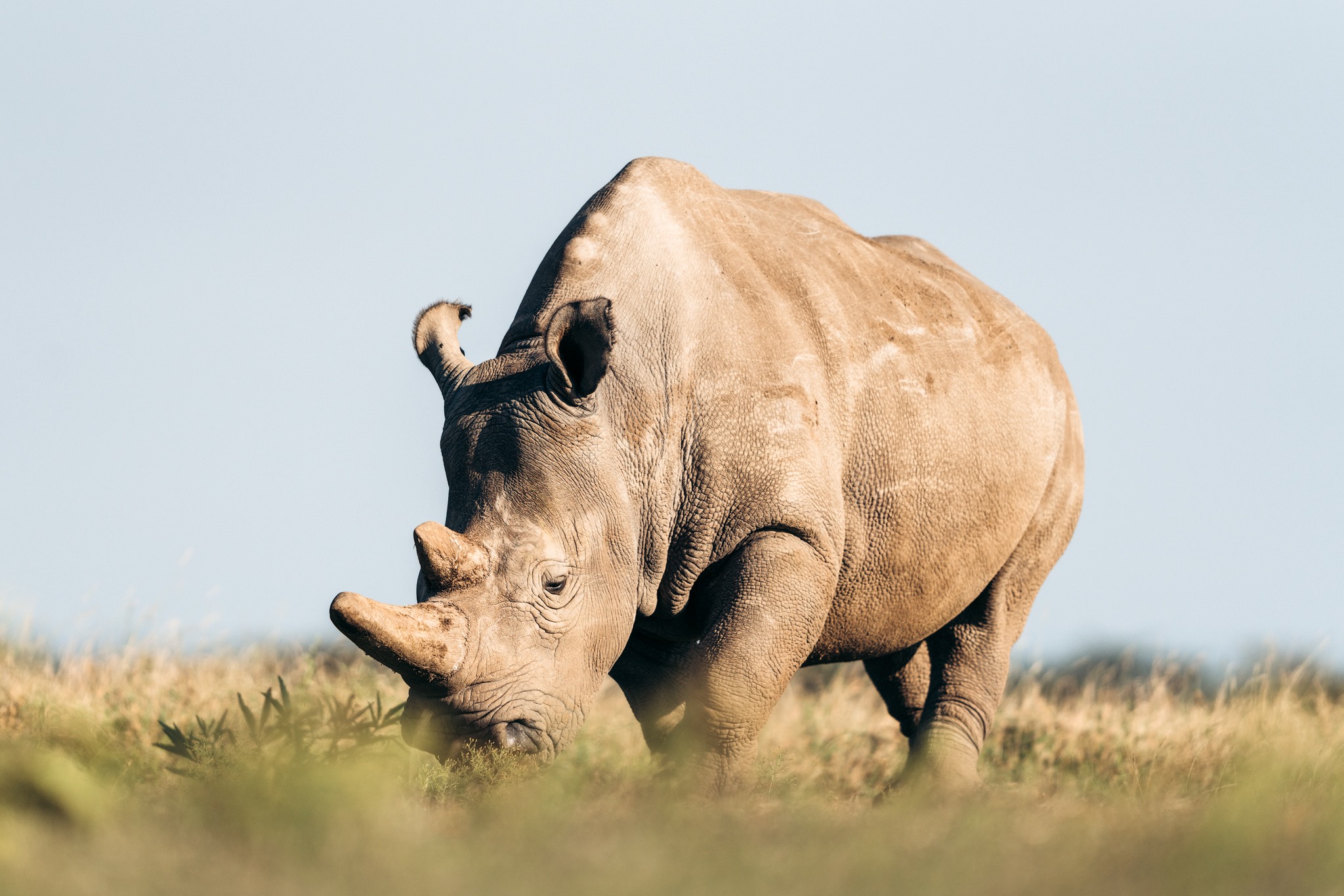
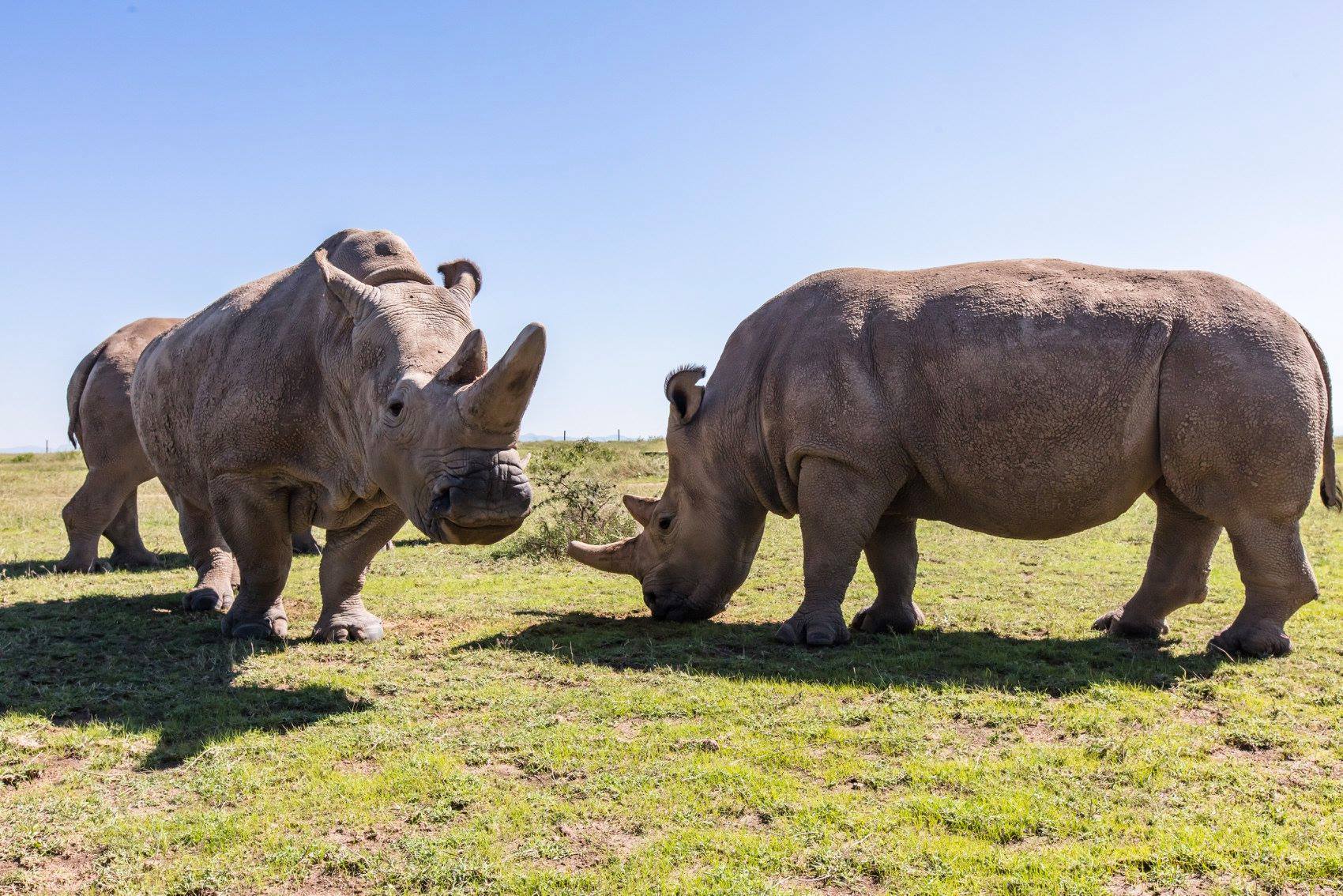
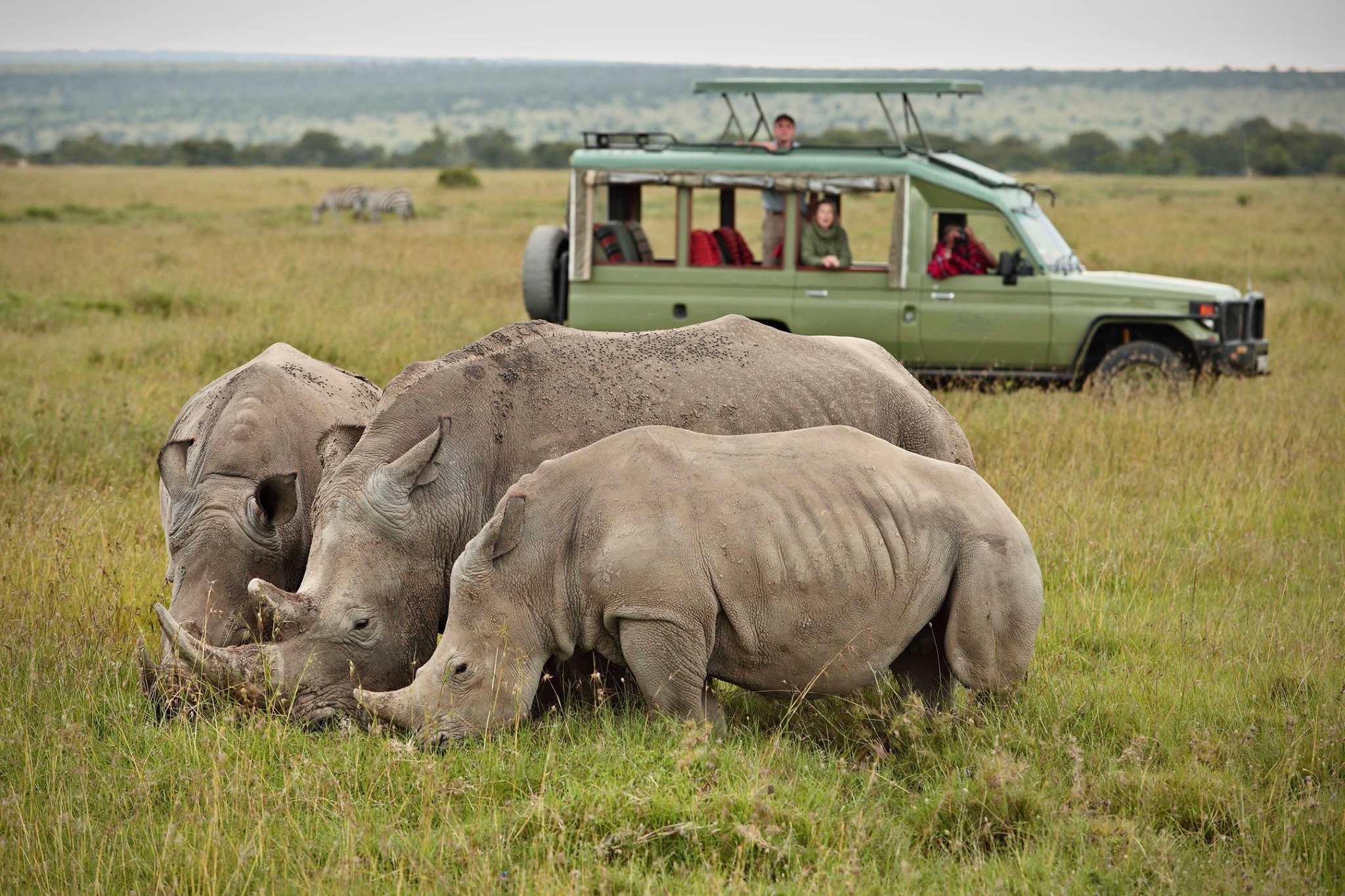
Next, explore Ol Pejeta Conservancy and Laikipia Plateau, known for high densities of lions, leopards, and black rhinos. The semi-arid landscapes and riverine corridors allow photographers to capture intimate wildlife moments.
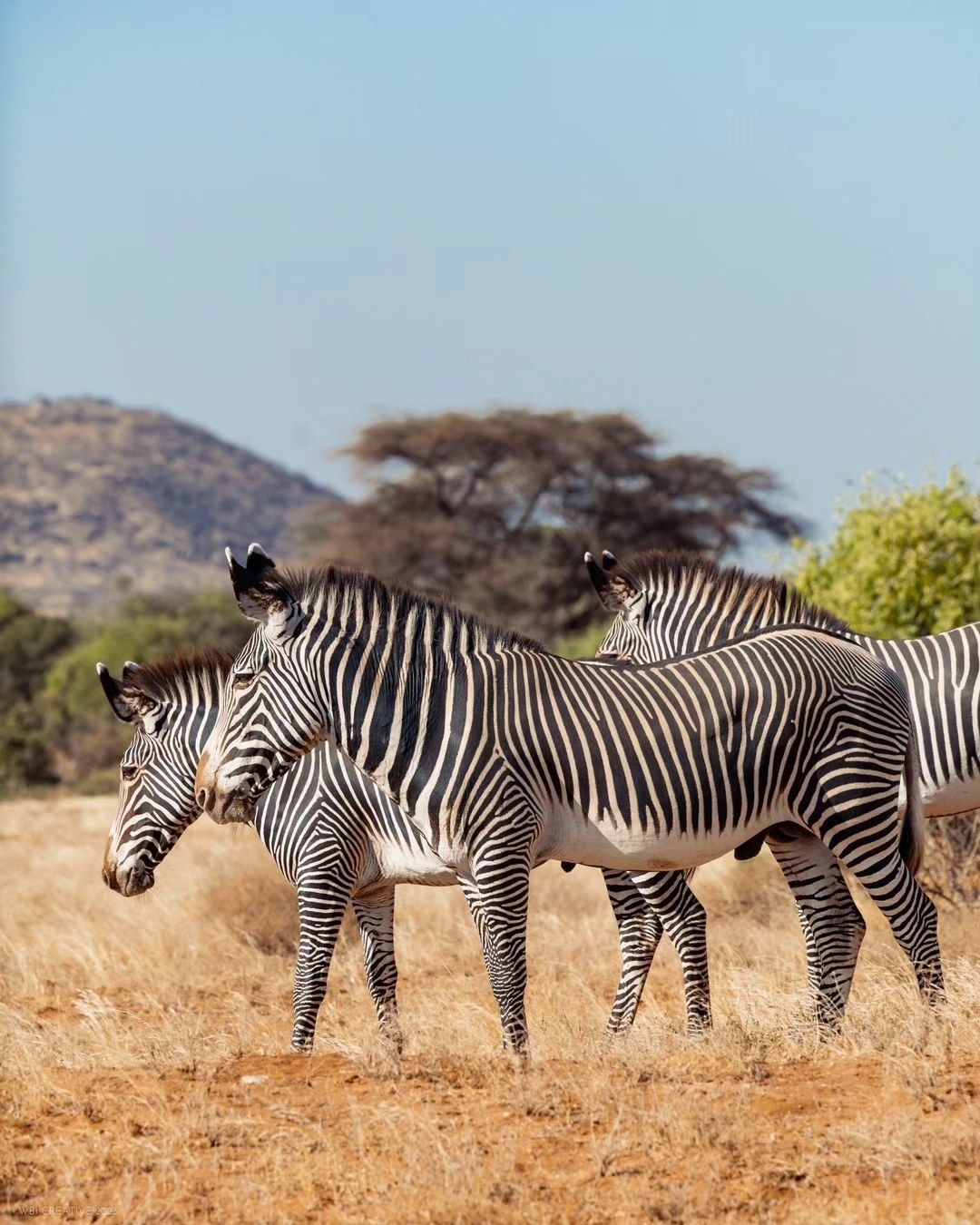
Continue to Samburu National Reserve, home to unique predators and the rare Grevy’s zebra. The riverbanks, acacia-studded hills, and open savannah provide diverse photographic settings. These locations are ideal for action photography and close-up wildlife portraits.
Finally, spend time in Lewa Wildlife Conservancy and Northern Laikipia, where cheetahs, lions, and rhinos roam freely in less-crowded areas. Expert guides position you for optimal lighting and behavior shots while offering photography advice throughout the safari.
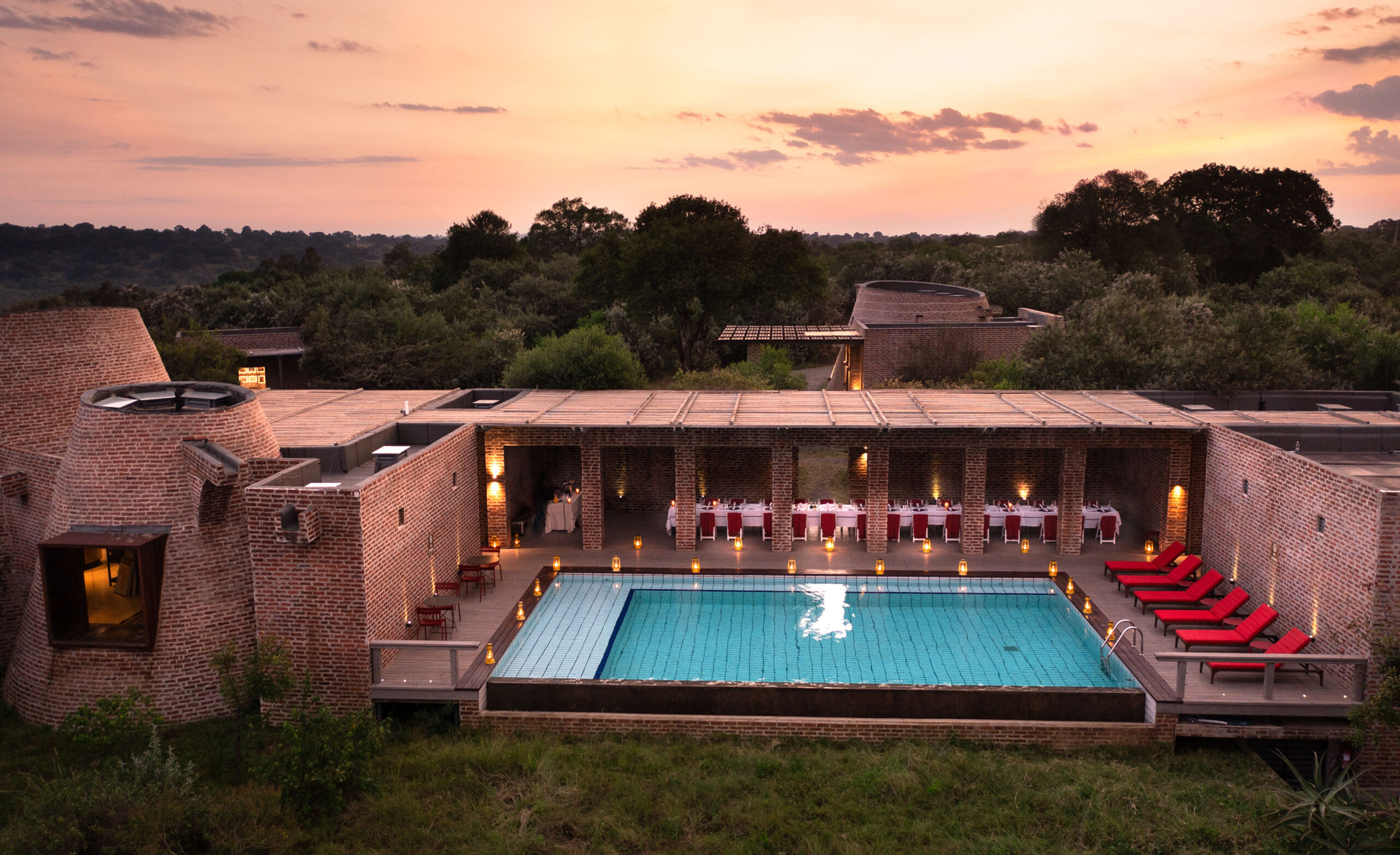
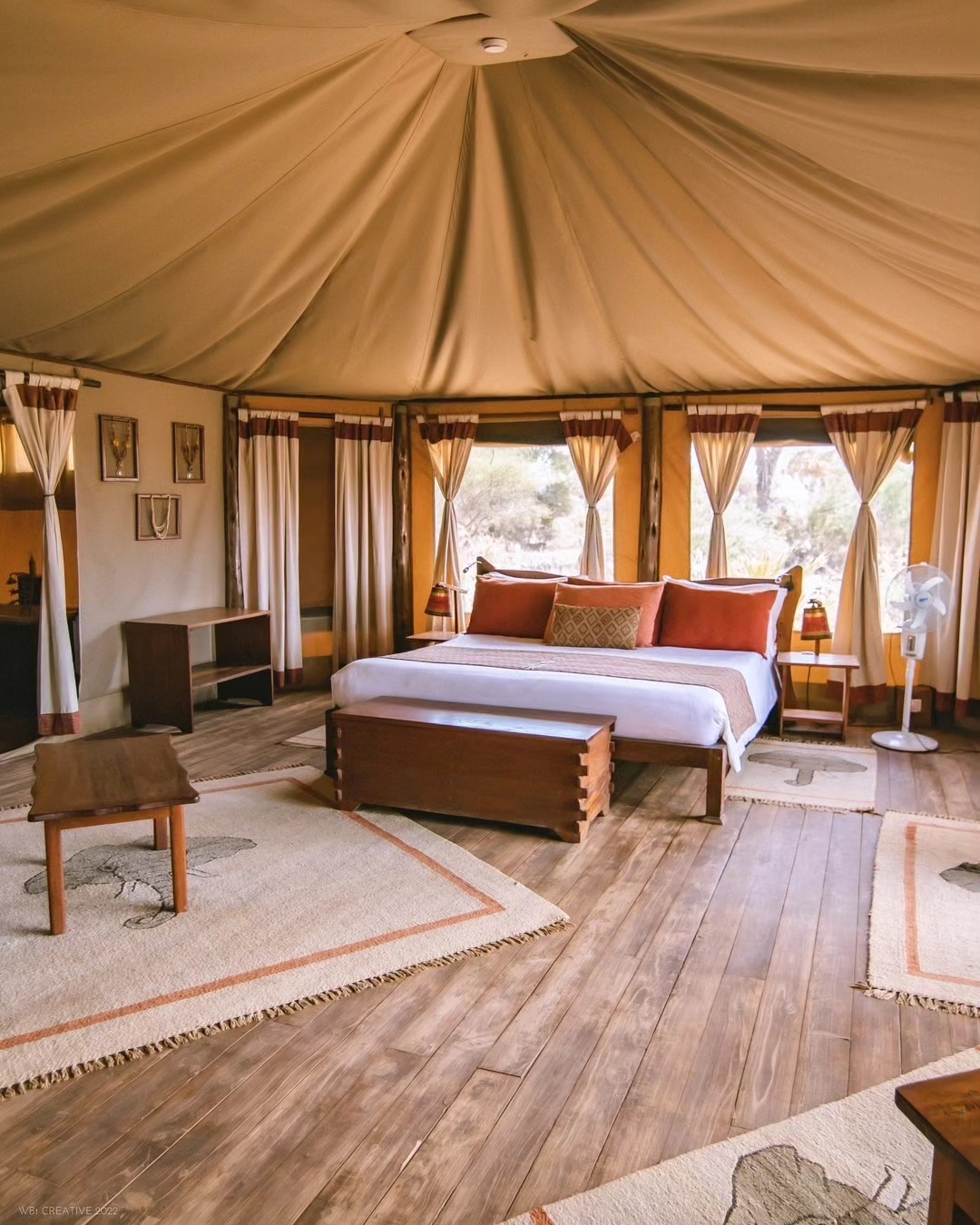
Accommodations include luxury lodges and photography-focused tented camps, ensuring comfort and easy access to game drives. Early morning and late afternoon drives capture the golden-hour light, while optional hides and elevated viewpoints allow for creative and intimate photography.
This 12-day Kenya photography safari combines action, drama, and iconic landscapes, leaving photographers with breathtaking predator encounters and unforgettable memories.
14 Days
13 Nights
LUXURY SAFARI
2-7
English, France, Germany, Spain
Maasai Mara (Central & South Mara): Photograph iconic lion prides, cheetahs chasing across open plains, and elusive leopards resting in trees. Stunning savannah landscapes and dramatic skies provide perfect backdrops.
Maasai Mara (North Mara & Talek): Capture large predator groups, cheetah action, and seasonal wildebeest migration (July–October). Rolling plains and kopjes offer excellent photography compositions.
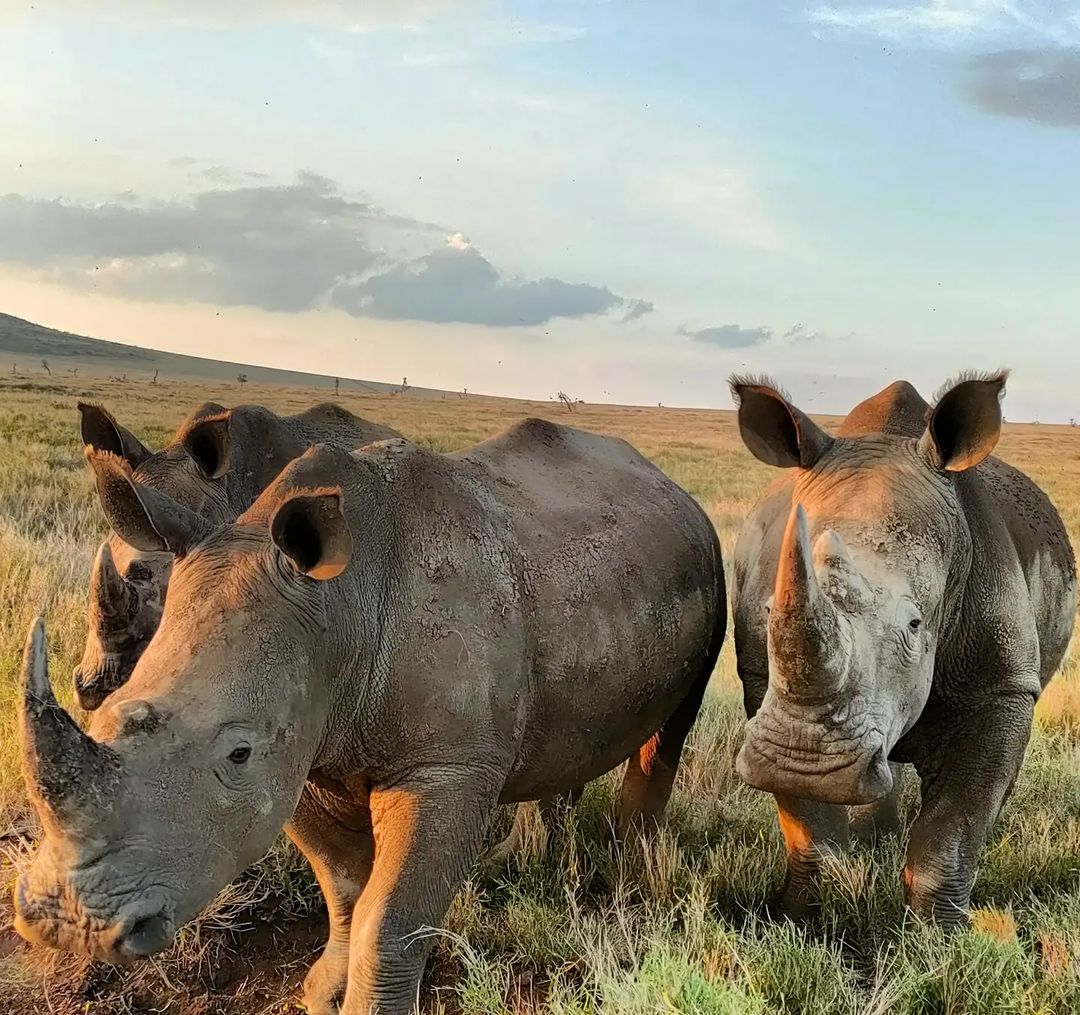
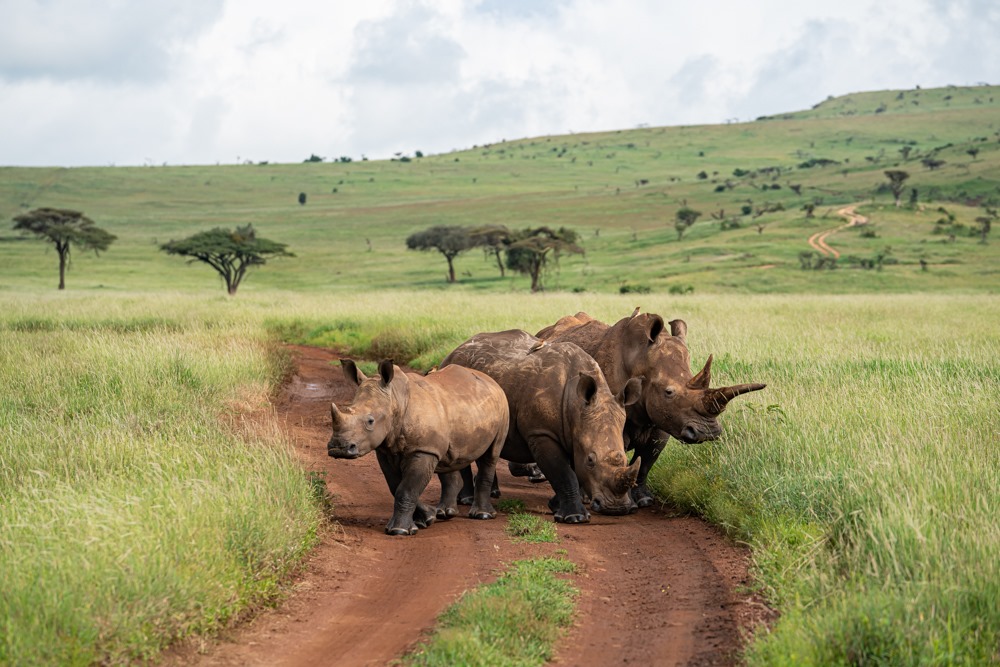
Ol Pejeta Conservancy / Laikipia Plateau: High predator densities with lions, leopards, and black rhinos. Semi-arid landscapes and riverine corridors allow dramatic wildlife shots in authentic settings.
Samburu National Reserve: Unique predators and rare species such as Grevy’s zebra. Riverbanks, acacia-studded hills, and open savannah offer diverse photographic opportunities.
Lewa Wildlife Conservancy / Northern Laikipia: Less-crowded areas for cheetahs, lions, and rhinos. Capture undisturbed wildlife behavior and stunning landscapes.
Photography-Friendly Lodges & Camps: All accommodations are strategically located to maximize wildlife access. Early morning and late afternoon drives capture golden-hour light. Optional hides and elevated viewpoints allow creative and intimate photography.
Expert Safari Guides: Guides provide tips on camera settings, positioning, and wildlife behavior, ensuring you capture the best shots throughout the safari.
Scenic Landscapes: From Maasai Mara’s sweeping plains to Laikipia’s semi-arid hills and Samburu’s riverine habitats, every day offers varied and dramatic photographic backdrops.
Optional Hot Air Balloon: Capture panoramic sunrise shots over Maasai Mara (additional activity), ideal for wide-angle wildlife and landscape photography.
Adventure Seekers
Can be customized
Can start any day
Luxury Travelers
Wildlife photographers (all levels)
Upon arrival at Jomo Kenyatta International Airport (Nairobi), you will be warmly welcomed by your safari representative. Transfer to your lodge in Nairobi, where you can rest and refresh after your flight.
In the afternoon, attend a safari briefing where your guide will outline the 14-day itinerary, photography tips, and vehicle arrangements. This session ensures you are fully prepared for the wildlife and photographic opportunities ahead.
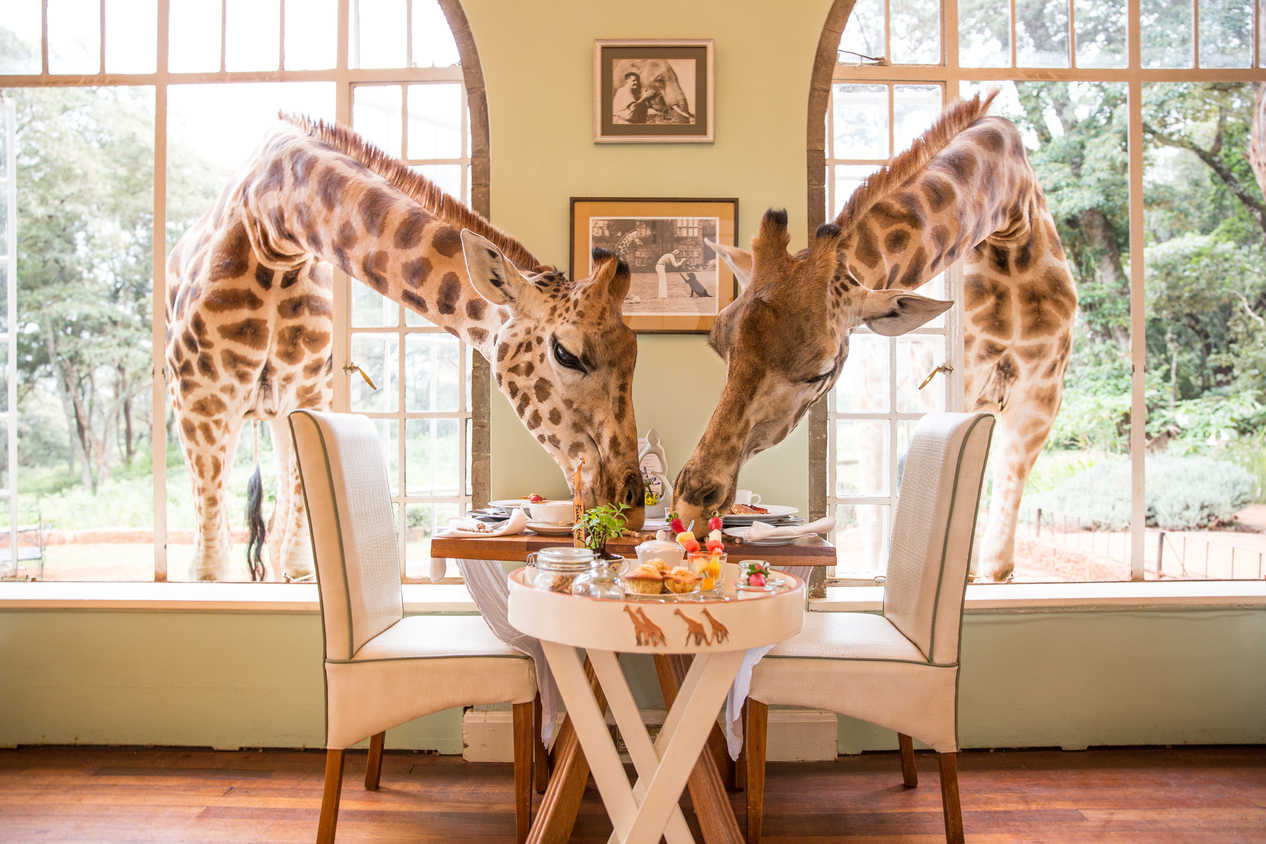
If time permits, you can explore the lodge surroundings and practice early wildlife or bird photography. Some lodges, like Giraffe Manor, offer unique opportunities to photograph resident wildlife up close, providing a gentle start to your safari photography adventure.
Enjoy dinner at the lodge and get a good night’s rest to prepare for early morning departure to the Maasai Mara.
Accommodation: Giraffe Manor or Hamingways Nairobi
Photography Tips:
Familiarize yourself with camera settings and lens options for safari wildlife.
Practice low-light techniques for evening or indoor photography.
Prepare your gear and memory cards for the early morning game drives starting on Day 2.
After an early breakfast, depart Nairobi for the Maasai Mara National Reserve, either by scenic road transfer or a short domestic flight. Upon arrival, check into your photography-focused lodge or tented camp, settle in, and prepare your camera gear.
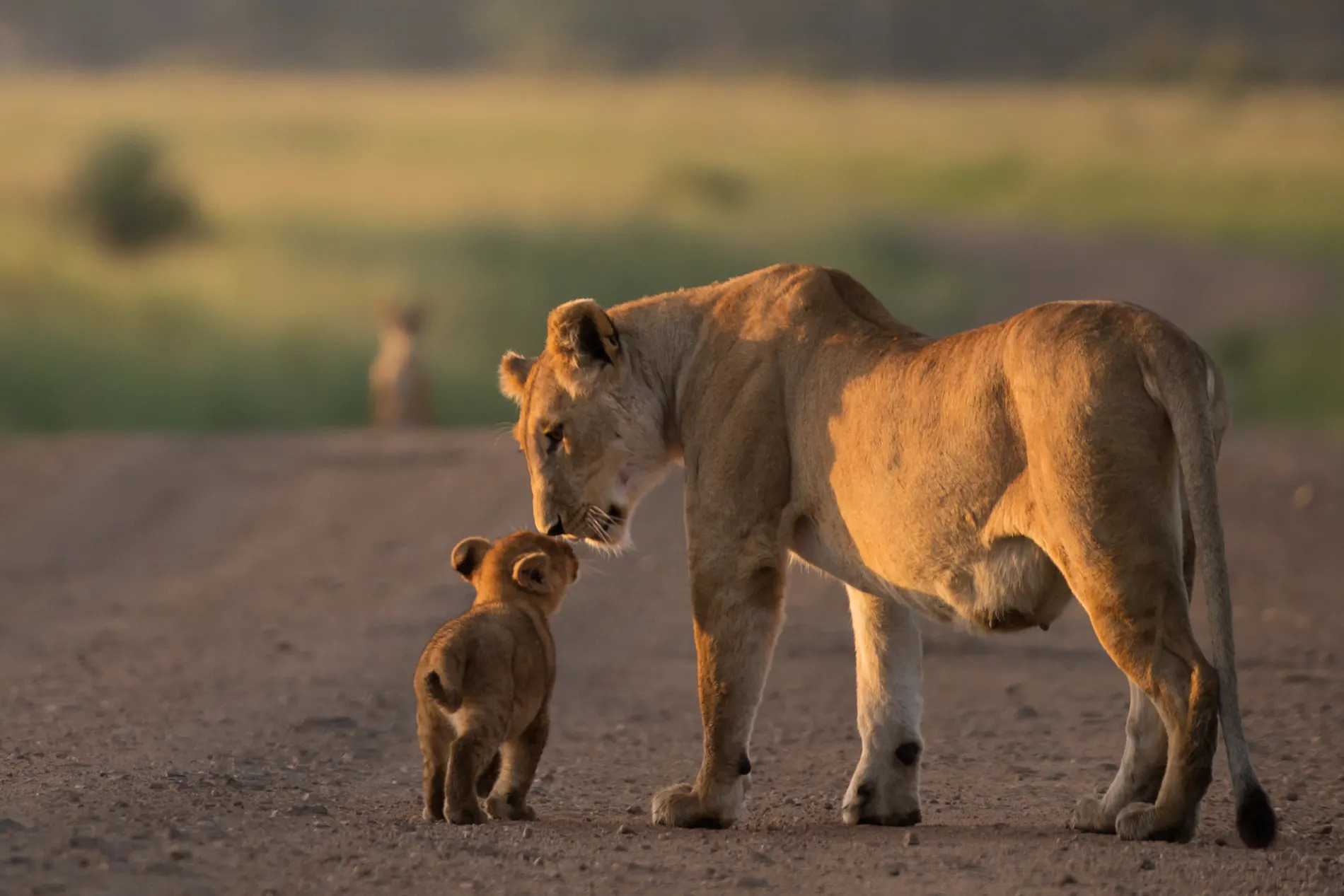
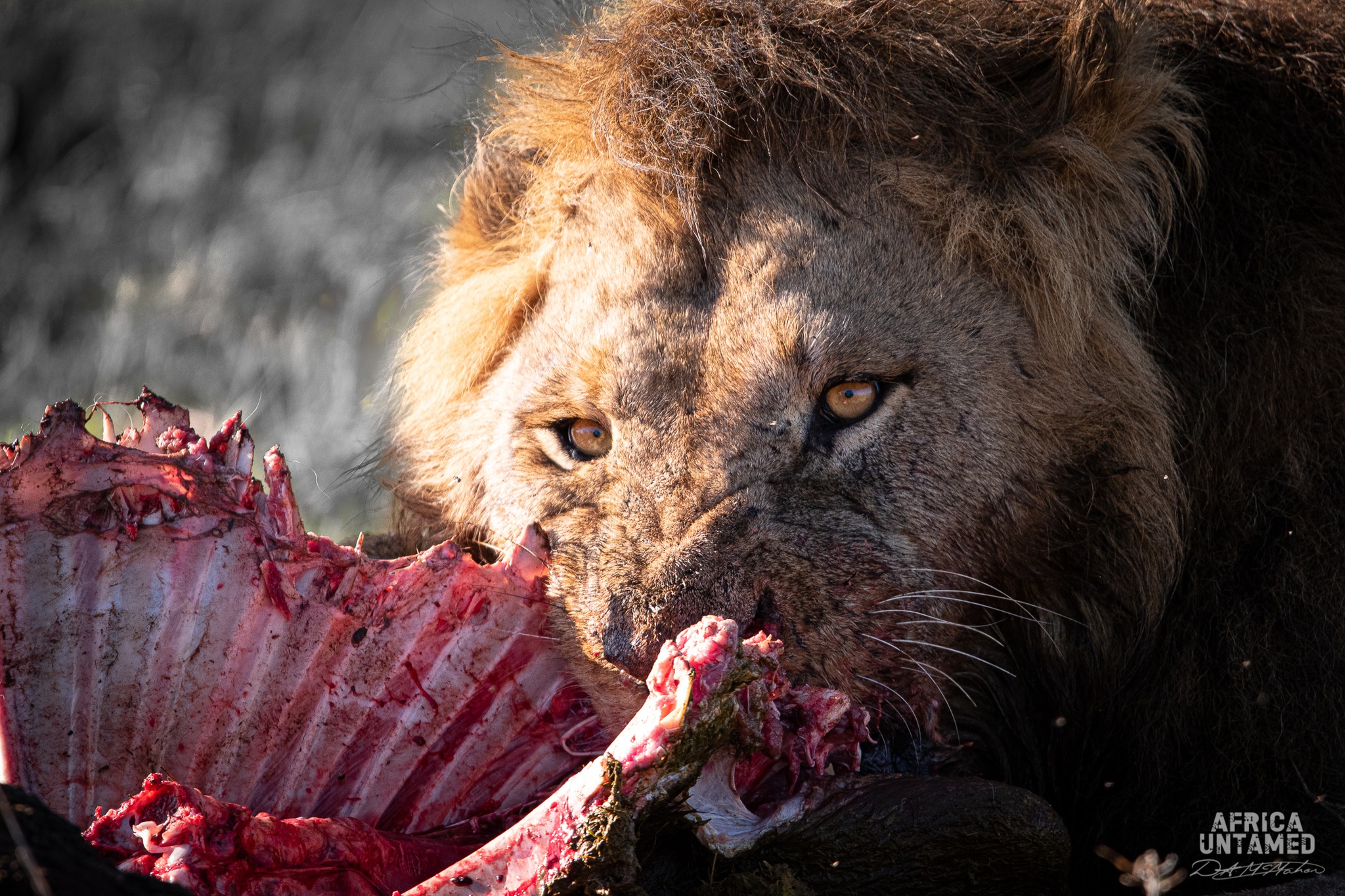
In the afternoon, embark on your first Maasai Mara game drive, entering one of the most predator-rich ecosystems in Africa. The Mara is home to lions, leopards, cheetahs, hyenas, and large herbivore herds. Capture lions lounging on kopjes, cheetahs sprinting across open plains, and leopards stealthily moving through acacia trees. Elephants, zebras, and giraffes add depth and diversity to your compositions.
Your guide will assist with vehicle positioning, camera settings, and framing, helping you take full advantage of natural lighting. Look for behavioral moments like predators stalking prey, lion cubs playing, or elephants interacting in herds. The Mara’s golden light during late afternoon creates stunning shadows and highlights for dramatic wildlife photography.
After the game drive, return to your lodge for dinner under the African sky, and if your lodge offers evening photography options, capture night sky shots or nocturnal wildlife near the camp. Use this time to review your images, organize your memory cards, and prepare for the early morning drives starting on Day 3.
Optional: Some lodges offer cultural visits to Maasai villages in the late afternoon, giving you opportunities to photograph traditional Maasai life and crafts.
Accommodation: Mara Serena Safari Lodge / Mara Plains Camp
Photography Tips:
Telephoto lenses (200–600mm) are ideal for predators and distant wildlife.
Wide-angle lenses work for sweeping plains and animal compositions.
Use burst mode for action shots, especially cheetah sprints or lion hunts.
Pay attention to light direction to create dramatic shadows and silhouettes.
Wake up early for a sunrise game drive, when predators are most active and the light is ideal for photography. Capture lions on kopjes, leopards in trees, and cheetahs preparing to hunt. The soft morning light adds warmth and depth, perfect for wildlife action shots and dramatic landscape compositions.
After the morning drive, return to your lodge for breakfast and a short rest. Take this time to review your photographs, check your camera settings, and adjust lenses for afternoon activities.
In the late morning, you can take an optional guided nature walk near your camp. This offers close-up photography opportunities for birds, insects, and smaller wildlife species, enhancing your portfolio with macro and detail shots.
After lunch, head out for an afternoon game drive, covering different Mara zones to maximize wildlife encounters. Focus on predator behavior such as lionesses hunting, cheetahs sprinting across open plains, or leopard cubs playing. Wide savannah landscapes, acacia trees, and scattered kopjes create classic African safari compositions.
Your guide will assist with vehicle positioning, lighting angles, and capturing wildlife interactions. Take advantage of the late afternoon golden light to photograph dramatic silhouettes of elephants, giraffes, and predators against the Mara horizon.
Return to your lodge in the evening for dinner and image review, or engage in optional night photography, capturing nocturnal wildlife or the starry African sky.
Accommodation: Mara Serena Safari Lodge / Mara Plains Camp
Photography Tips:
Use telephoto lenses for predators in action and distant wildlife.
Wide-angle lenses are perfect for landscapes with animals in the foreground.
Experiment with silhouettes during sunrise and sunset.
Observe animal behavior to anticipate action shots.
Keep spare batteries and memory cards ready for extended drives.
Begin the day with an early morning game drive in the North Mara and Talek areas, where predator densities are exceptionally high. Photograph large lion prides lounging on kopjes, cheetahs hunting in open plains, and leopards resting in trees. The morning light enhances textures and colors, creating striking wildlife portraits.
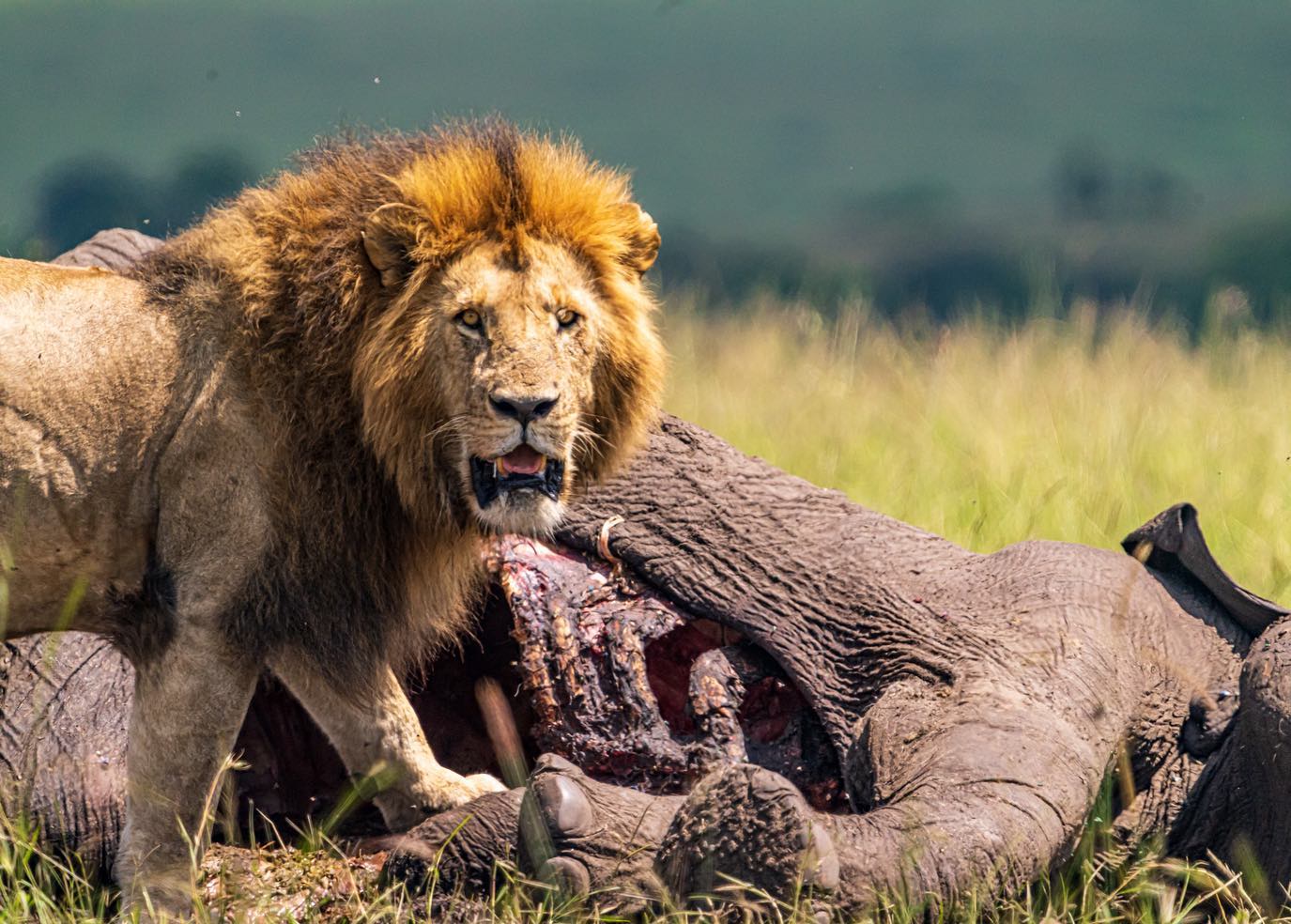
Return to your lodge for breakfast and a short rest before heading out for the late morning drive, exploring different parts of the Mara to capture varied landscapes and wildlife behavior. Look for dramatic interactions between predators and prey, such as lion hunts, hyena pack dynamics, and cheetah stalking sequences.
After lunch at the lodge, enjoy an afternoon game drive, taking advantage of the golden-hour lighting. The Talek River and surrounding plains provide excellent opportunities for action shots, reflections, and silhouette compositions. Acacia trees, scattered kopjes, and rolling savannahs add depth and scale to your images.
Optional: Visit a Maasai village in the late afternoon for cultural photography, capturing traditional attire, crafts, and daily life. Your guide will ensure respectful and authentic interactions.
Return to your lodge in the evening for dinner and image review, preparing your camera gear for another early start on Day 5.
Accommodation: Angama Mara / Kichwa Tembo Tented Camp
Photography Tips:
Use telephoto lenses for close-ups of predators and distant wildlife.
Wide-angle lenses help capture the Mara’s dramatic landscapes with animals.
Pay attention to light direction for silhouettes and backlit subjects.
Keep vehicles moving slowly to anticipate wildlife behavior.
Be ready with burst mode for fast action, especially cheetah chases.
After an early breakfast, check out of your Maasai Mara lodge and transfer to Ol Pejeta Conservancy or Laikipia Plateau, either via scenic road or domestic flight. Upon arrival, check into your photography-focused lodge or tented camp.
Spend the afternoon on your first game drive in Ol Pejeta, which is renowned for high densities of lions, leopards, and black rhinos. This area offers semi-arid landscapes and riverine corridors that create dramatic backdrops for wildlife photography. Capture lion prides hunting, leopards lounging in trees, and black rhinos grazing against open plains.
Your guide will assist with vehicle positioning and camera settings to ensure optimal shots. Take advantage of the late afternoon golden hour, creating stunning silhouettes and warm tones across the plains. Look for opportunities to photograph elephants, giraffes, and zebras in combination with predators for dynamic compositions.
Return to your lodge for dinner and evening relaxation. Review your photographs, charge batteries, and prepare camera gear for early morning game drives on Day 6.
Accommodation: Ol Pejeta Bush Camp / Segera Retreat
Photography Tips:
Use a telephoto lens (200–600mm) for predators and distant wildlife.
Wide-angle lenses are perfect for capturing semi-arid landscapes and riverine scenes.
Golden-hour light provides warm tones and dramatic shadows—plan compositions accordingly.
Observe wildlife behavior to anticipate action moments for impactful shots.
Wake up early for a sunrise game drive, when predators are most active and lighting is ideal for photography. Capture lions hunting in the early light, leopards resting in acacia trees, and cheetahs sprinting across open plains. The semi-arid landscapes and riverine corridors offer dramatic backdrops for wildlife portraits and action shots.
Return to your lodge for breakfast and a short rest, reviewing your images and adjusting camera settings for the next drive.
In the late morning, head out for another game drive, exploring different areas of the conservancy to maximize wildlife sightings. Look for black rhinos grazing, elephants interacting in herds, and hyenas exhibiting social behavior. Your guide will help position the vehicle for the best photographic angles and lighting.
After lunch at the lodge, embark on an afternoon game drive, taking advantage of the golden-hour light. Capture wildlife silhouettes against the semi-arid hills, reflections in rivers, and predators in natural interactions with prey. This is also an ideal time for wide-angle landscape shots that include animals in their natural habitat.
Return to your lodge in the evening for dinner and image review. Prepare your gear for an early transfer to Samburu National Reserve on Day 7.
Accommodation: Ol Pejeta Bush Camp / Segera Retreat
Photography Tips:
Use telephoto lenses for predators, especially leopards and cheetahs.
Wide-angle lenses capture sweeping landscapes with wildlife.
Observe predator-prey interactions to anticipate dramatic action shots.
Golden-hour and backlighting create stunning silhouettes.
Carry extra batteries and memory cards for extended drives.
Wake up early for a sunrise game drive, focusing on predators and other wildlife in semi-arid landscapes. Photograph lions hunting, leopards resting in acacia trees, and cheetahs sprinting across open plains. The morning light enhances textures and colors, perfect for dynamic action shots and wildlife portraits.
Return to your lodge for breakfast and a short rest, reviewing your photos and preparing camera gear for the next drive.
In the late morning, take a guided nature walk or short vehicle drive to capture smaller wildlife, birds, and scenic compositions. The Laikipia Plateau is ideal for photographing herds of elephants, giraffes, and zebras with predators in the distance.
After lunch, head out for an afternoon game drive, taking advantage of golden-hour light to photograph dramatic silhouettes, wildlife interactions, and river reflections. Your guide will help position the vehicle to maximize photographic opportunities, including predator-prey interactions and unique landscape compositions.
Return to your lodge for dinner and image review, ensuring your gear is ready for the early transfer to Samburu National Reserve on Day 8.
Accommodation: Ol Pejeta Bush Camp / Segera Retreat
Photography Tips:
Use telephoto lenses for predators and distant wildlife.
Wide-angle lenses are perfect for capturing landscapes with animals.
Observe predator behavior to anticipate action moments.
Golden-hour light enhances depth, color, and dramatic shadows.
Keep spare batteries and memory cards ready for extended drives.
After an early breakfast at your lodge in Ol Pejeta, transfer to Samburu National Reserve, either via scenic road or domestic flight. Upon arrival, check into your photography-focused lodge or tented camp, designed for easy access to wildlife and optimal photographic positioning.
In the afternoon, embark on your first game drive in Samburu, exploring the Ewaso Ng’iro River area and surrounding semi-arid plains. Samburu is home to unique predators such as lions, leopards, and cheetahs, along with endangered species like Grevy’s zebra and reticulated giraffes. Capture wildlife in natural habitats with dramatic lighting, including riverside reflections and semi-arid landscapes.
Your guide will provide expert advice on vehicle positioning, lighting, and photography techniques, helping you anticipate wildlife behavior for more impactful action shots. Focus on capturing predator interactions, lion and leopard behavior, and the interplay between wildlife and landscape.
Return to your lodge in the evening for dinner and image review. Prepare camera gear for early morning game drives on Day 9, maximizing golden-hour photography opportunities.
Accommodation: Samburu Intrepids Safari Camp / Elephant Bedroom Camp
Photography Tips:
Telephoto lenses are essential for capturing predators at a safe distance.
Wide-angle lenses work well for landscapes with animals in the foreground.
Use early morning and late afternoon light for warm tones and dramatic shadows.
Observe predator behavior to anticipate hunts or interactions.
Include river reflections in compositions for creative shots.
Start the day with a sunrise game drive, when predators are most active and the morning light is ideal for photography. Capture lions resting or hunting, leopards moving through acacia trees, and cheetahs scanning for prey. Early light creates warm tones and dramatic shadows across the semi-arid landscape.
Return to your lodge for breakfast and a short rest. Take this time to review your morning images and adjust camera settings, ensuring your lenses and memory cards are ready for the next drives.
In the late morning, continue with a game drive along the Ewaso Ng’iro River, photographing wildlife drinking, crossing, or interacting. Look for Grevy’s zebras, reticulated giraffes, elephants, and buffalo, which make excellent subjects in predator-focused compositions.
After lunch at the lodge, head out for an afternoon game drive, taking advantage of golden-hour light. Focus on capturing predator-prey interactions, wildlife silhouettes, and expansive landscapes. Your guide will help you anticipate action moments and position the vehicle for the best angles, ensuring you capture dramatic and authentic wildlife shots.
Optional: Visit a Samburu village for cultural photography opportunities, capturing traditional lifestyles and crafts, while maintaining respectful interactions.
Return to your lodge for dinner and image review, preparing gear for the transfer to Lewa Wildlife Conservancy / Northern Laikipia on Day 10.
Accommodation: Samburu Intrepids Safari Camp / Elephant Bedroom Camp
Photography Tips:
Telephoto lenses are essential for predators and distant wildlife.
Wide-angle lenses capture landscapes with animals in the foreground.
Early morning and late afternoon provide the best light.
Pay attention to wildlife behavior to anticipate action shots.
Incorporate river reflections and foreground elements for creative compositions.
After an early breakfast, transfer from Samburu to Lewa Wildlife Conservancy or Northern Laikipia, either by scenic road or domestic flight. Upon arrival, check into your photography-focused lodge or tented camp, strategically located to maximize wildlife access and photographic opportunities.
In the afternoon, embark on your first game drive in Lewa, exploring semi-arid plains, river valleys, and rolling hills. This region is renowned for cheetahs, lions, and black rhinos, as well as elephants, zebras, and giraffes. Capture predators in action and wildlife interacting naturally within vast, less-crowded landscapes.
Your guide will provide advice on positioning, lighting, and camera settings, helping you anticipate wildlife behavior for dramatic shots. Use the golden-hour light to photograph silhouettes, wildlife reflections, and sweeping landscapes, combining predators with iconic scenery.
Return to your lodge in the evening for dinner and image review, ensuring camera gear is ready for a full day of photography on Day 11.
Accommodation: Lewa Safari Camp / Porini Rhino Camp
Photography Tips:
Telephoto lenses are essential for predators and distant wildlife.
Wide-angle lenses capture expansive landscapes with animals in the frame.
Early morning and late afternoon light provides warm tones and dramatic shadows.
Observe predator-prey interactions to anticipate action moments.
Use natural features like trees, hills, and riverbanks for creative compositions.
Wake up early for a sunrise game drive, capturing predators and other wildlife in the soft morning light. Photograph lions resting or hunting, leopards moving stealthily, and cheetahs sprinting across open plains. The golden light enhances textures and colors, ideal for action shots and wildlife portraits.
Return to your lodge for breakfast and a short rest. Use this time to review your images and adjust your camera gear for the next drives.
In the late morning, head out on another game drive, exploring different areas of Lewa to maximize wildlife sightings. Capture black rhinos grazing, elephants interacting in herds, and zebras or giraffes in their natural habitat. Your guide will assist with vehicle positioning and camera angles, ensuring the best shots while keeping a safe distance from predators.
After lunch at the lodge, embark on an afternoon game drive, taking advantage of the golden-hour light to capture dramatic silhouettes, predator-prey interactions, and wildlife compositions against rolling hills and river valleys. Use natural features like trees and hills to create layered and dynamic photographs.
Return to your lodge in the evening for dinner and image review, preparing gear for the transfer to Nairobi via flight or road on Day 12.
Accommodation: Lewa Safari Camp / Porini Rhino Camp
Photography Tips:
Use telephoto lenses (200–600mm) for predators and distant wildlife.
Wide-angle lenses are perfect for sweeping landscapes with animals.
Observe predator behavior to anticipate hunting or interaction moments.
Golden-hour light creates warm tones, long shadows, and dramatic silhouettes.
Capture reflections in rivers and natural frames for creative compositions.
Wake up early for a sunrise game drive, capturing predators and other wildlife in the soft morning light. Focus on lions hunting or resting, leopards in acacia trees, and cheetahs scanning for prey or sprinting across open plains. The morning light enhances textures and creates dramatic shadows, perfect for action and landscape shots.
Return to your lodge for breakfast and a short rest, reviewing your images and adjusting camera settings for the afternoon.
In the late morning, embark on a second game drive, exploring less-visited areas of Lewa or Northern Laikipia. Capture black rhinos grazing, elephants interacting, and other wildlife in their natural habitats. This is also an ideal opportunity for wide-angle shots of predators within the expansive landscape, combining dramatic scenery with action.
After lunch, head out for an afternoon game drive, taking advantage of golden-hour lighting to photograph silhouettes, predator-prey interactions, and wildlife compositions against rolling hills, river valleys, and open plains. Your guide will help anticipate wildlife behavior, positioning you for the best photographic angles.
Return to the lodge in the evening for dinner and image review, preparing gear for the transfer to Nairobi on Day 13.
Accommodation: Lewa Safari Camp / Porini Rhino Camp
Photography Tips:
Telephoto lenses are essential for predators and distant wildlife.
Wide-angle lenses are perfect for expansive landscapes with animals.
Observe predator behavior to anticipate action and dramatic shots.
Use natural features such as hills, trees, and rivers for layered compositions.
Golden-hour light creates stunning silhouettes and warm tones for creative images.
Begin the day with an early morning game drive, capturing the last moments of predator and wildlife photography. Focus on lions, leopards, and cheetahs, as well as elephants, giraffes, zebras, and rhinos in their natural habitats. The soft morning light is perfect for dramatic action shots, close-up portraits, and wide landscape compositions.
Return to your lodge for breakfast, pack your belongings, and check out. Depending on your departure time, enjoy a short late-morning drive, giving one last chance to photograph wildlife in the semi-arid landscapes, river valleys, and rolling hills of Lewa.
By late morning or early afternoon, transfer to Nairobi via domestic flight or road. Upon arrival, check into your Nairobi lodge. Use the afternoon to review your safari portfolio, organize images, and prepare gear for departure the following day.
Optional: If time permits, take a short visit to Nairobi National Park for additional wildlife photography close to the city, including lions, giraffes, and rhinos against a Nairobi skyline backdrop.
Accommodation: Nairobi Safari Lodge / Giraffe Manor
Photography Tips:
Capture last-minute wildlife interactions and dramatic landscapes.
Use telephoto lenses for predators and distant subjects.
Wide-angle lenses work well for expansive views with animals in the frame.
Golden-hour light can provide creative silhouettes and warm tones.
Back up all images to avoid data loss before departure.
Wake up early for a final morning in Nairobi. Depending on your flight schedule, you can enjoy a short visit to Nairobi National Park to photograph wildlife such as lions, giraffes, and rhinos against the city skyline, capturing a unique contrast between nature and urban life.
Return to your lodge for breakfast, complete check-out, and ensure all photography gear and luggage are prepared. Your safari representative will assist with airport transfer to Jomo Kenyatta International Airport for your departure flight.
Take this time to reflect on the incredible wildlife experiences you’ve captured over the past 14 days, from the predator-rich Maasai Mara to the less-crowded and scenic landscapes of Ol Pejeta, Samburu, and Lewa Conservancy.
Photography Tips:
Use any available morning light for quick landscape or wildlife shots near the lodge.
Make sure all images are backed up and memory cards cleared before departure.
Capture candid moments of the lodge environment or local wildlife for a final safari memory.
End of Safari – Say goodbye to your guides and lodge staff, carrying home a portfolio of unforgettable wildlife photographs and memories from Kenya’s most iconic predator-filled landscapes.
Download this tour's PDF brochure and start your planning offline.
Let’s clarify your confusions. Here are some of the Frequently Asked Questions which most of our client asks.
Looking for more info? Send a question to the tour agent to find out more.
Telephoto lenses (200–600mm) are recommended for predators, while wide-angle lenses are useful for landscapes and wildlife compositions. Tripods and extra batteries are also essential.
Yes, our experienced safari guides provide tips on camera settings, positioning, and wildlife behavior to help you capture the best shots.
Absolutely. The safari accommodates all skill levels, from beginners to professional photographers. Guides provide support and advice throughout.
Most travelers require a Kenya eVisa, which should be obtained before arrival. Please check your country’s specific entry requirements.