
Planning a safari in East Africa?
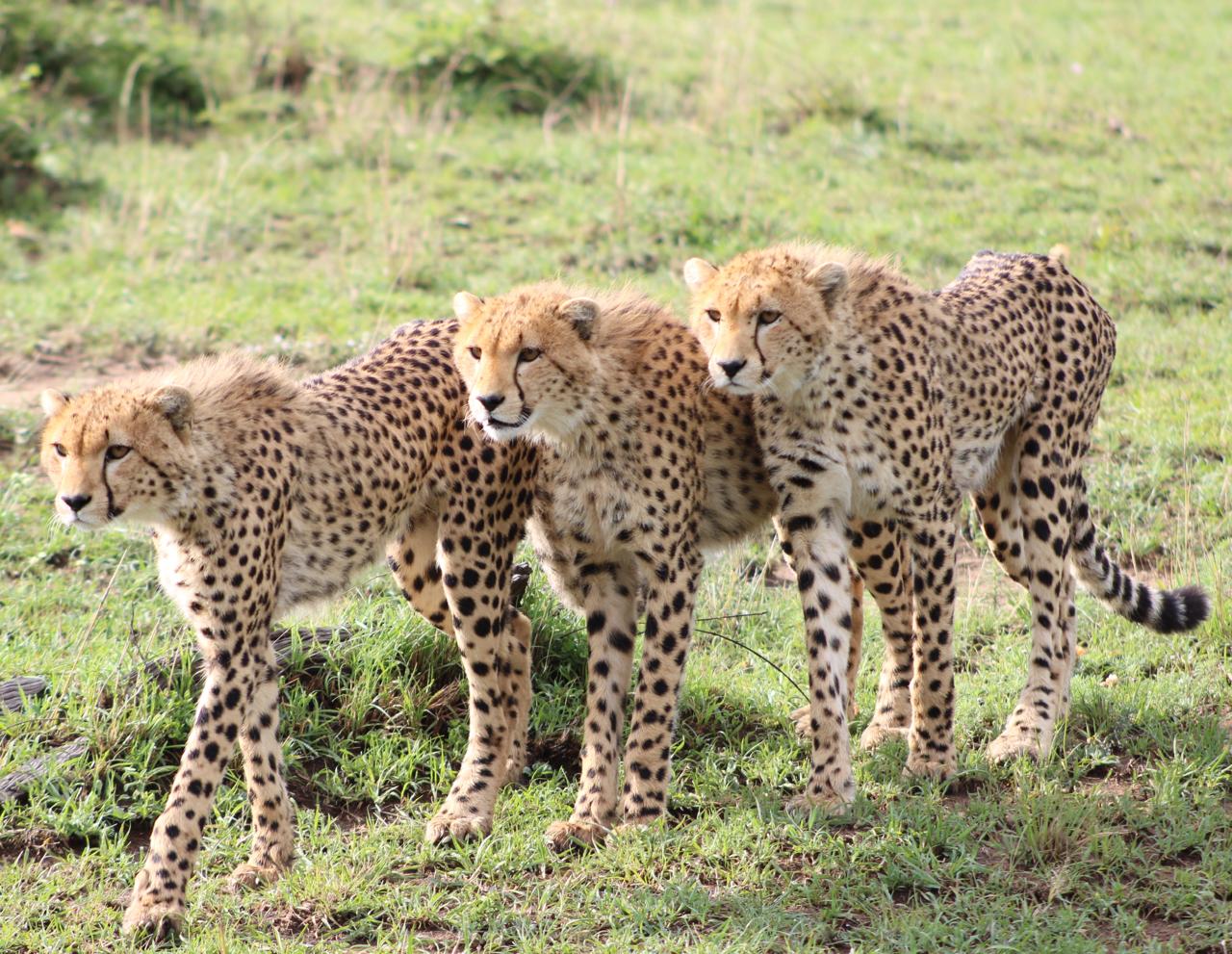
Tanzania and Kenya are home to the world’s most iconic big cats—lions, leopards, and cheetahs. From the endless plains of the Serengeti and the dramatic Ngorongoro Crater to Kenya’s Maasai Mara and Amboseli, this guide reveals the best parks, seasons, and tips for spotting these magnificent predators. East Africa is a dream destination for wildlife enthusiasts. Tanzania and Kenya offer unforgettable safari experiences. Here, lions, leopards, and cheetahs thrive in the wild. Moreover, these countries host some of the most iconic parks in the world.
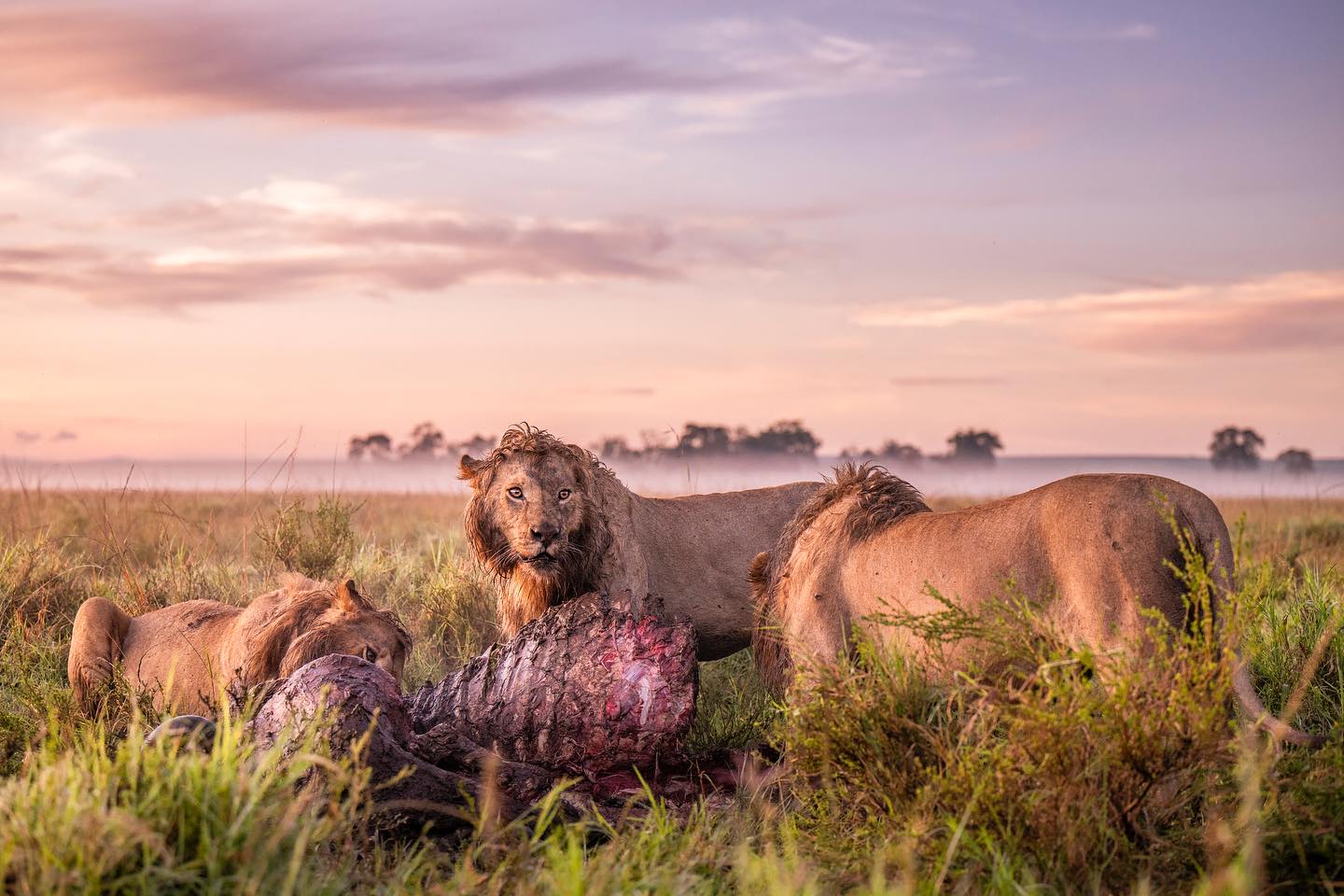
In Tanzania, the Serengeti and Ngorongoro Crater provide perfect landscapes for big cat sightings. Meanwhile, Kenya’s Maasai Mara and Amboseli National Park offer incredible predator encounters. Travelers can watch lion prides resting under acacia trees. For example, leopards often perch high in trees, making them a thrilling sight. Cheetahs sprint across open plains in pursuit of prey, providing unforgettable moments.
Additionally, this guide highlights the best seasons and insider tips for spotting big cats. Early morning and late evening game drives increase the chances of sightings. Furthermore, working with expert safari guides ensures a safer and more rewarding experience.
Overall, East Africa is the ultimate destination for big cat lovers. By planning carefully and visiting the top parks, travelers can witness lions, leopards, and cheetahs up close. This safari promises memories that last a lifetime.
Lions – The Kings of the Savannah
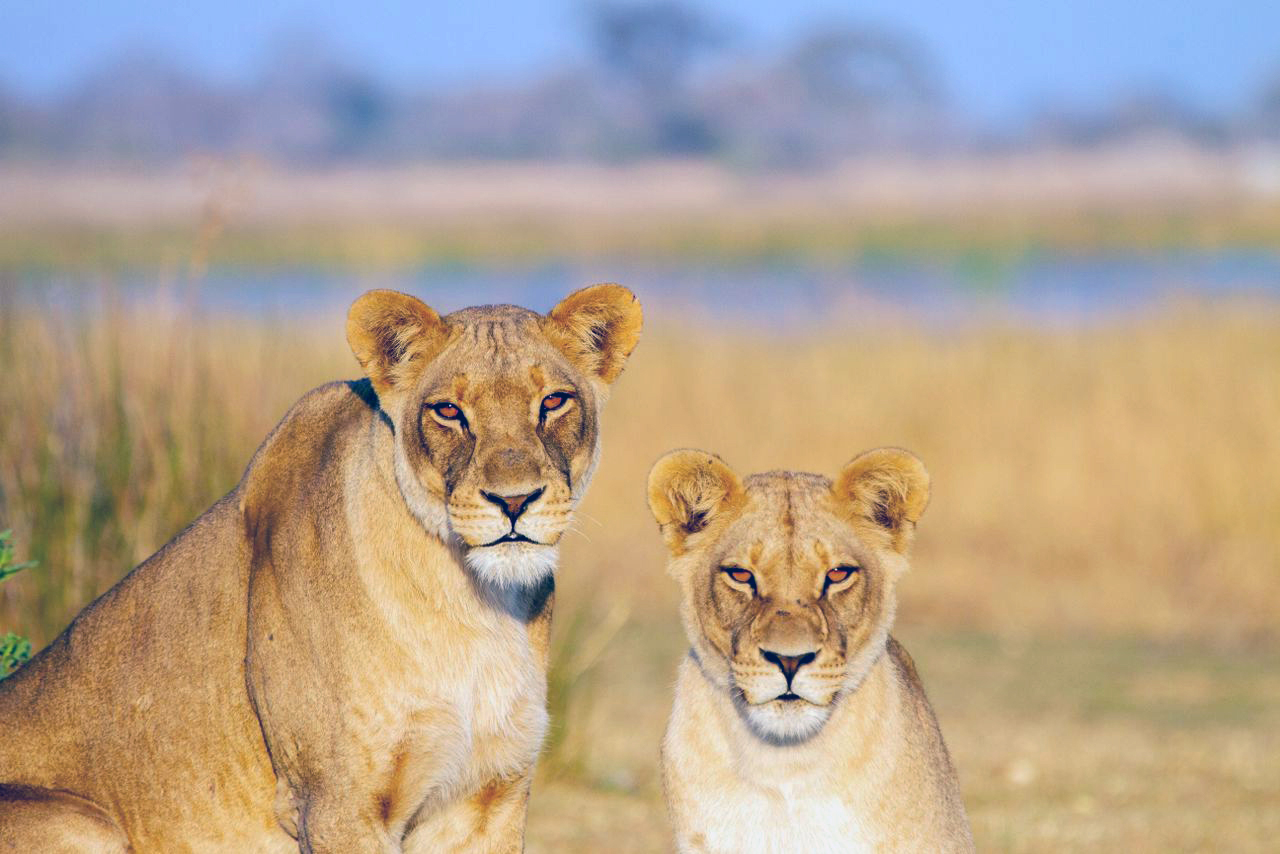
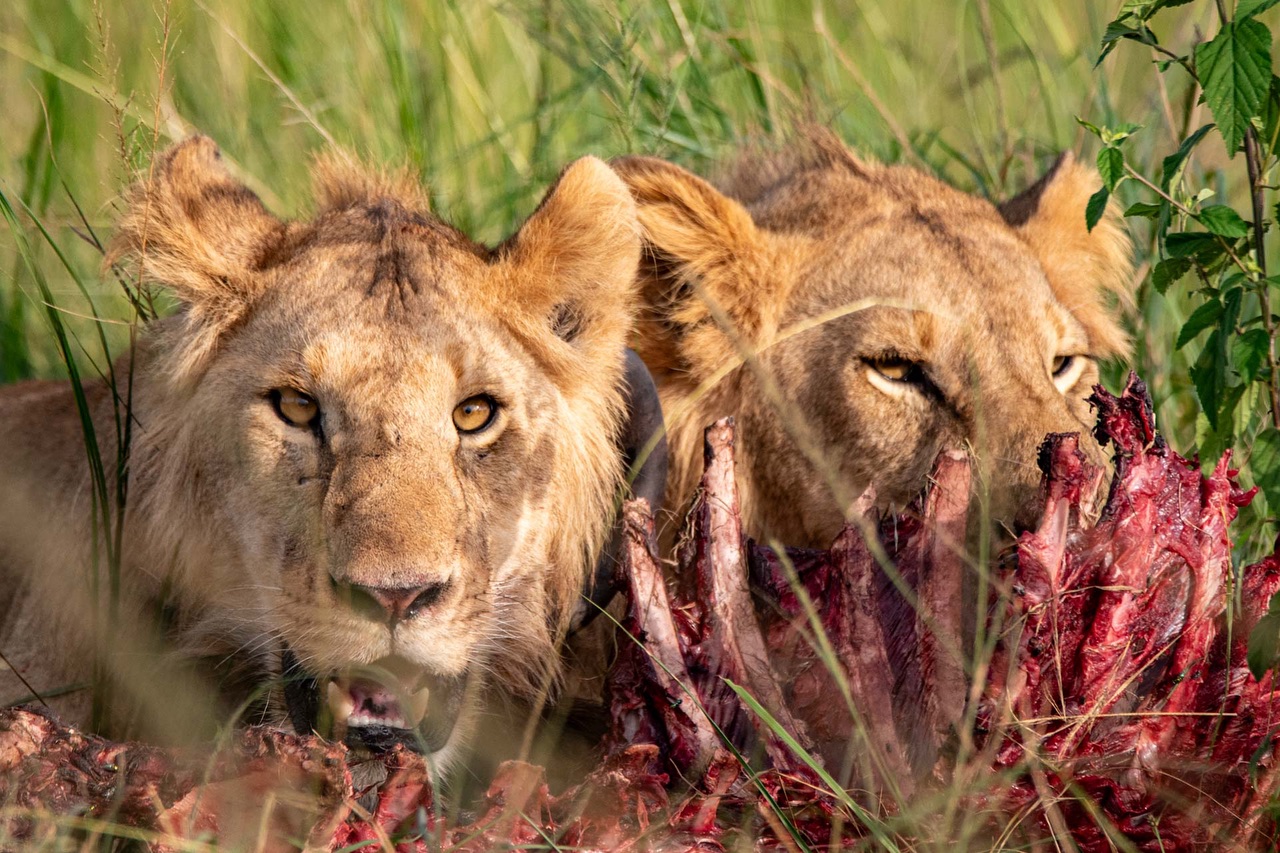
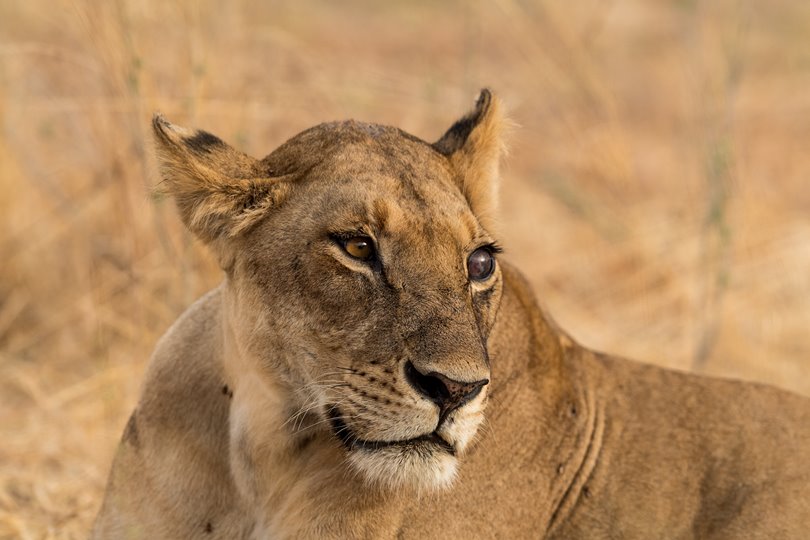
Lions are Africa’s most iconic predators. They live in prides and are often seen resting under shady trees. In Tanzania, the Serengeti’s central Seronera Valley offers daily lion sightings. Ngorongoro Crater also has one of the highest lion densities in the world. Meanwhile, in Kenya, Maasai Mara National Reserve is famous for large prides, especially during the Great Migration. Amboseli National Park provides scenic views of lions with Mount Kilimanjaro in the background.
Lions are more active during early mornings and late afternoons. Therefore, game drives at these times increase the chances of sightings. Moreover, guided safaris help you track prides safely and efficiently. Whether you are a first-time visitor or an experienced wildlife photographer, seeing lions in East Africa is an unforgettable experience. These majestic cats truly earn their title as “Kings of the Savannah.”
Best Places to See Lions in Tanzania
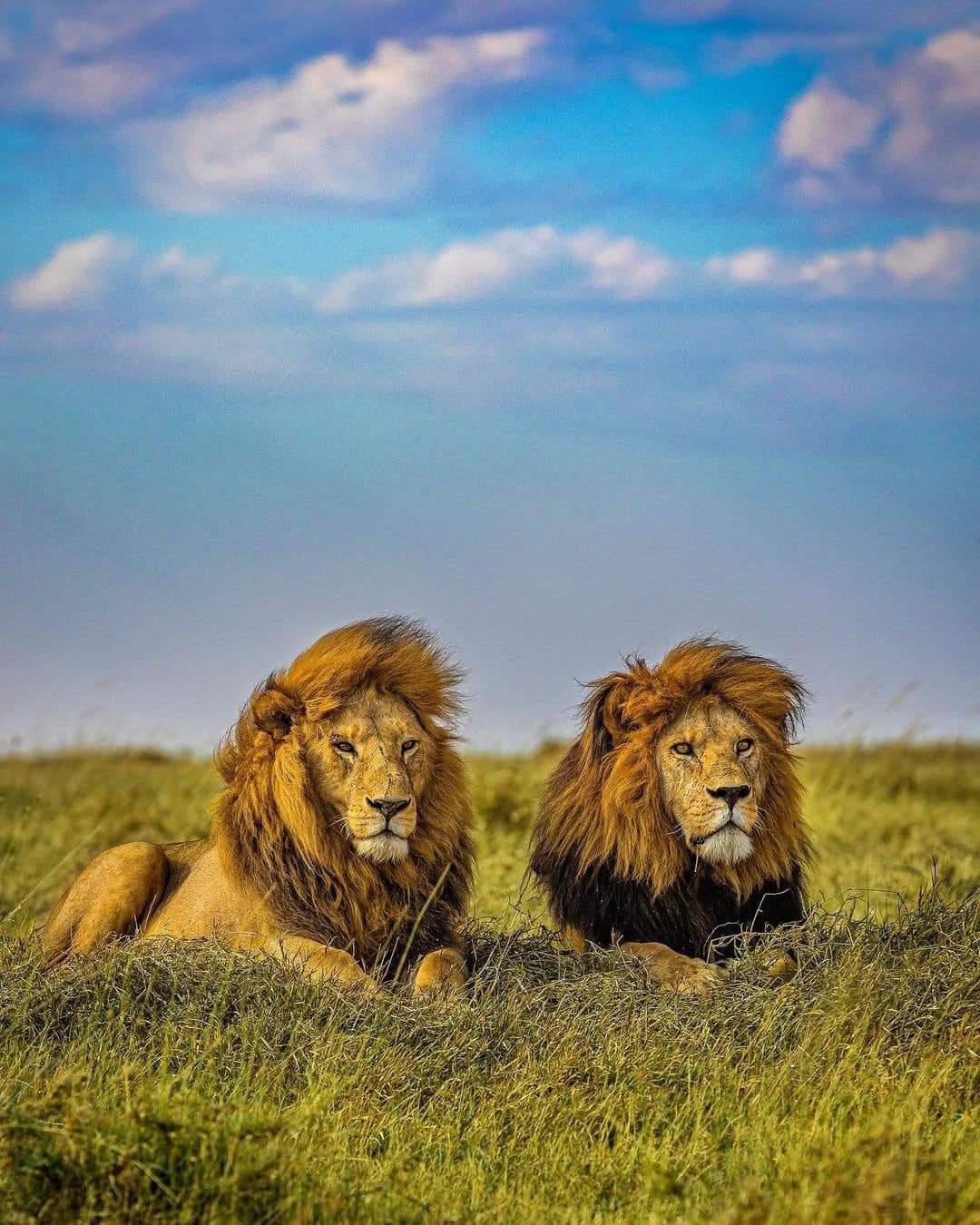
Tanzania is a premier destination for witnessing lions in their natural habitat. Within the Serengeti National Park, areas like Seronera Valley, Ndutu, and Namiri Plains are renowned for their large lion prides, making sightings frequent and reliable. The Ngorongoro Crater is another top location, with one of Africa’s highest lion densities, often allowing visitors to see prides resting, hunting, or raising cubs. Ruaha National Park, located in southern Tanzania, offers a more remote safari experience where lions roam freely in vast wilderness areas alongside leopards and cheetahs. In northern Tanzania, Tarangire National Park is ideal for spotting lions near waterholes during the dry season, surrounded by large elephant herds and diverse wildlife. For travelers seeking less-crowded experiences, Selous Game Reserve (now Nyerere National Park) provides expansive savannahs and riverine forests where lion populations thrive. Other notable areas include Lake Manyara National Park, famous for its tree-climbing lions, and Lobo and Kogatende regions in the northern Serengeti, which offer unique predator encounters during migration periods. Visiting these parks during the dry season (June–October) increases your chances of seeing lions actively hunting and interacting within their prides. Together, these regions make Tanzania a world-class destination for big cat enthusiasts and wildlife photographers alike.
Best Places to See Lions in Kenya
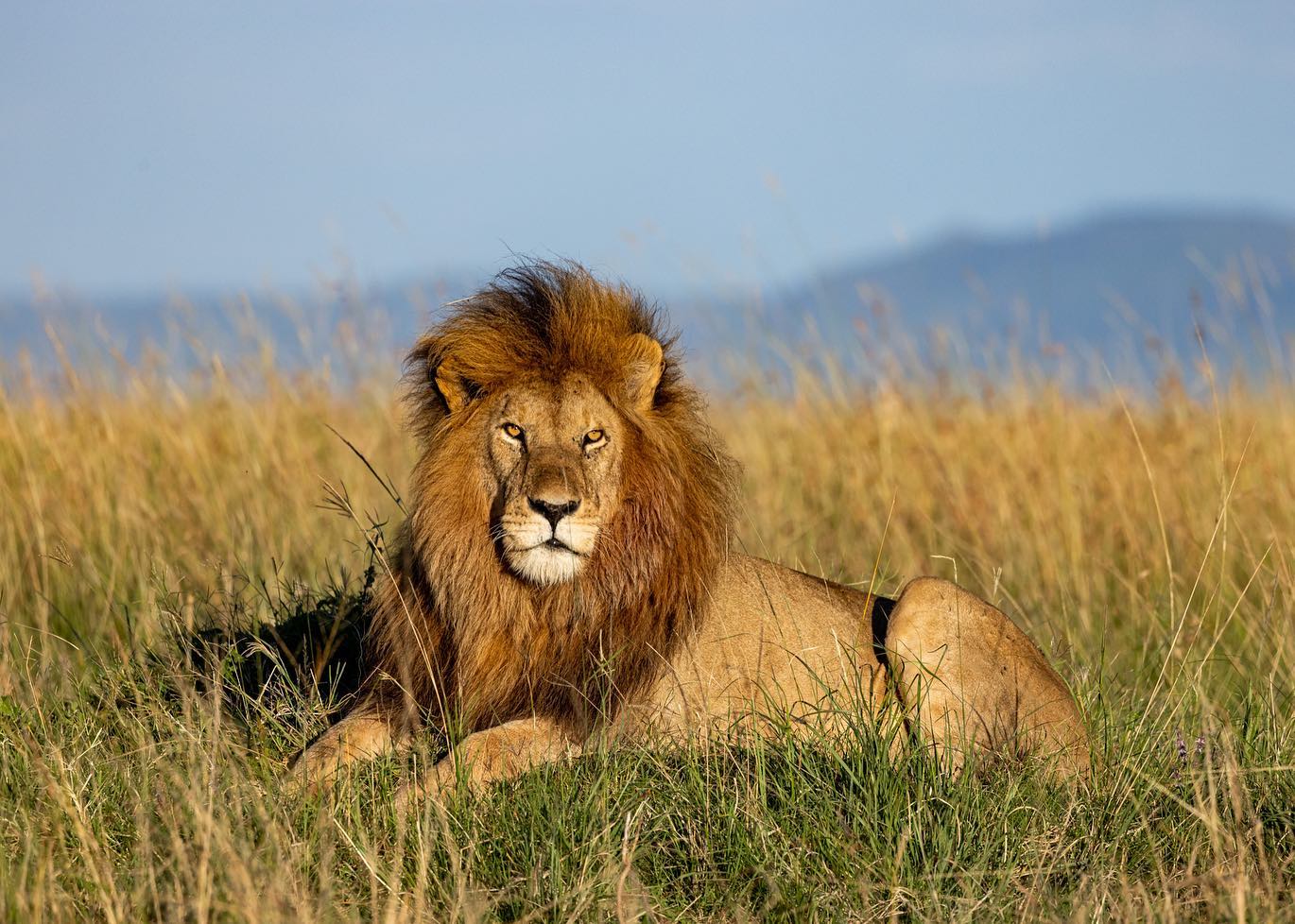
Kenya is a world-class destination for seeing lions in the wild. In the Maasai Mara National Reserve, several regions are renowned for predator sightings. These include Mara Triangle, Talek River area, Mugie Conservancy, Olare Motorogi Conservancy, Loita Hills, and the Oloololo Escarpment. Large lion prides are common here, especially during the Great Migration when prey such as wildebeest and zebras move across the plains. Lions are often seen hunting, resting, or interacting within their prides.
In Amboseli National Park, lions roam near Observation Hill, Kimana River, and around swamps and seasonal waterholes. The iconic Mount Kilimanjaro provides a stunning backdrop for wildlife photography. Lions here are frequently active in the early morning and late afternoon.
Samburu National Reserve and nearby Buffalo Springs and Shaba Conservancy offer a more remote safari experience. Lions share these areas with leopards, cheetahs, and unique northern species such as Grevy’s zebra, reticulated giraffe, and gerenuk.
Tsavo East and Tsavo West National Parks are vast wilderness areas with diverse habitats. Notable spots include Galana River, Mzima Springs, Chyulu Hills, and Aruba Dam. Lions here often hunt across open savannahs and volcanic hills. Visiting during the dry season (June–October) increases your chances of seeing lions actively hunting or resting at water sources.
Together, these regions make Kenya one of the ultimate destinations for big cat enthusiasts and wildlife photographers seeking authentic predator encounters.
Leopards – The Masters of Stealth
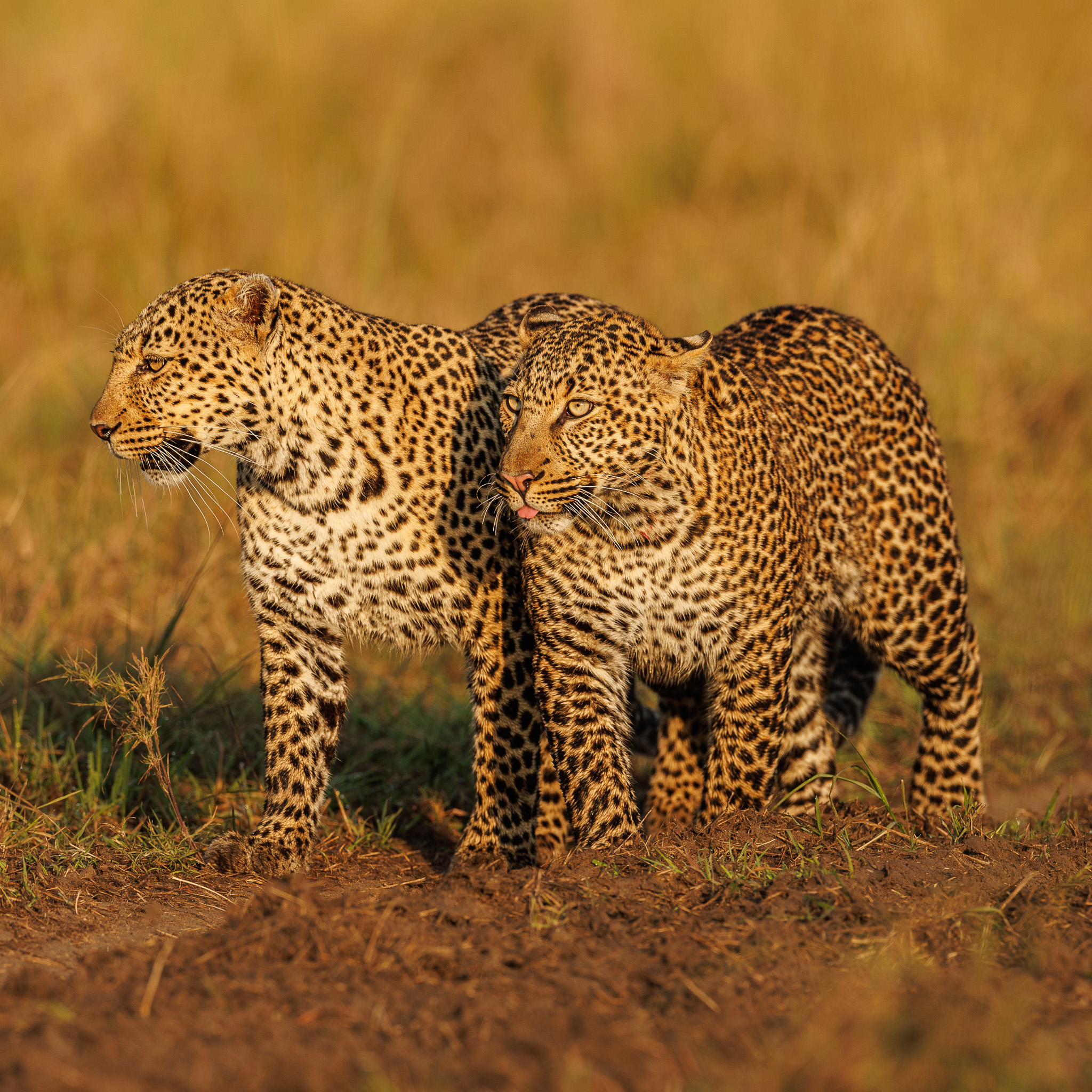
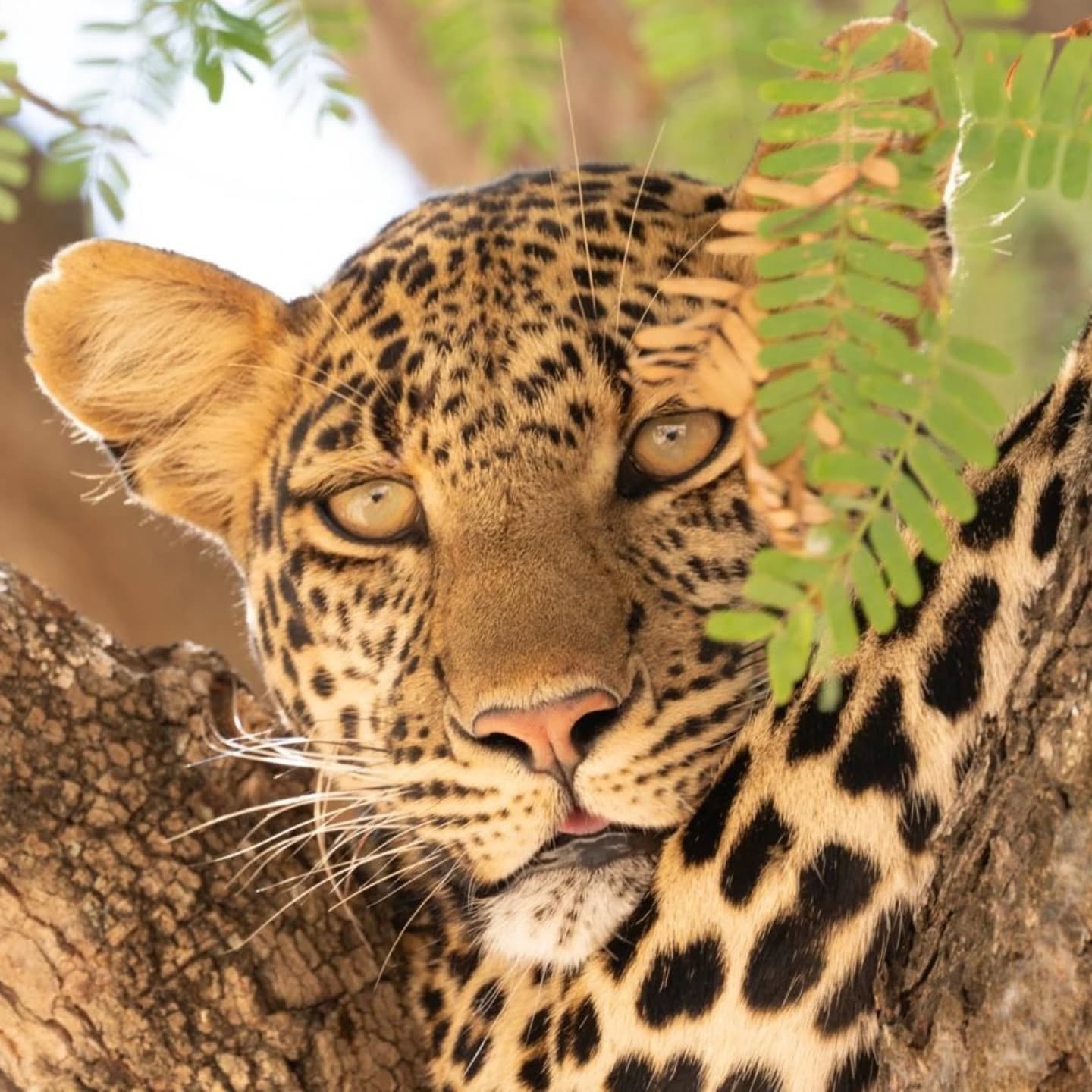
Leopards are Africa’s most elusive big cats. They are solitary, nocturnal hunters that rely on stealth and camouflage to catch prey. Unlike lions, they prefer to stalk quietly and ambush rather than chase. Leopards are often seen resting in trees, which makes them harder to spot.
In Tanzania, excellent leopard sightings occur across the Serengeti ecosystem, particularly in Seronera Valley, Ndutu, and Namiri Plains. Ngorongoro Crater is another top location, hosting several leopards alongside lions and hyenas. Ruaha National Park in the south offers remote wilderness experiences with strong leopard populations. Selous Game Reserve (Nyerere National Park) and Lake Manyara National Park are also prime areas for leopards, especially in dense thickets and riverine forests.
In Kenya, leopards can be found in the Maasai Mara Triangle, Talek River region, Mugie Conservancy, Olare Motorogi Conservancy, and Loita Hills. Amboseli National Park provides sightings among acacia trees near swamps and waterholes, while Samburu National Reserve, Buffalo Springs, and Shaba Conservancy offer remote habitats. Tsavo East and Tsavo West are excellent for spotting leopards in rocky outcrops, riverine forests, and savannah plains.
Leopards are most active during dusk, night, and early morning. Guided safaris increase your chances of observing them safely. Seeing a leopard in East Africa is a rare and unforgettable experience, showcasing the silent power, grace, and agility of these masters of stealth.
Cheetahs – The Fastest Hunters
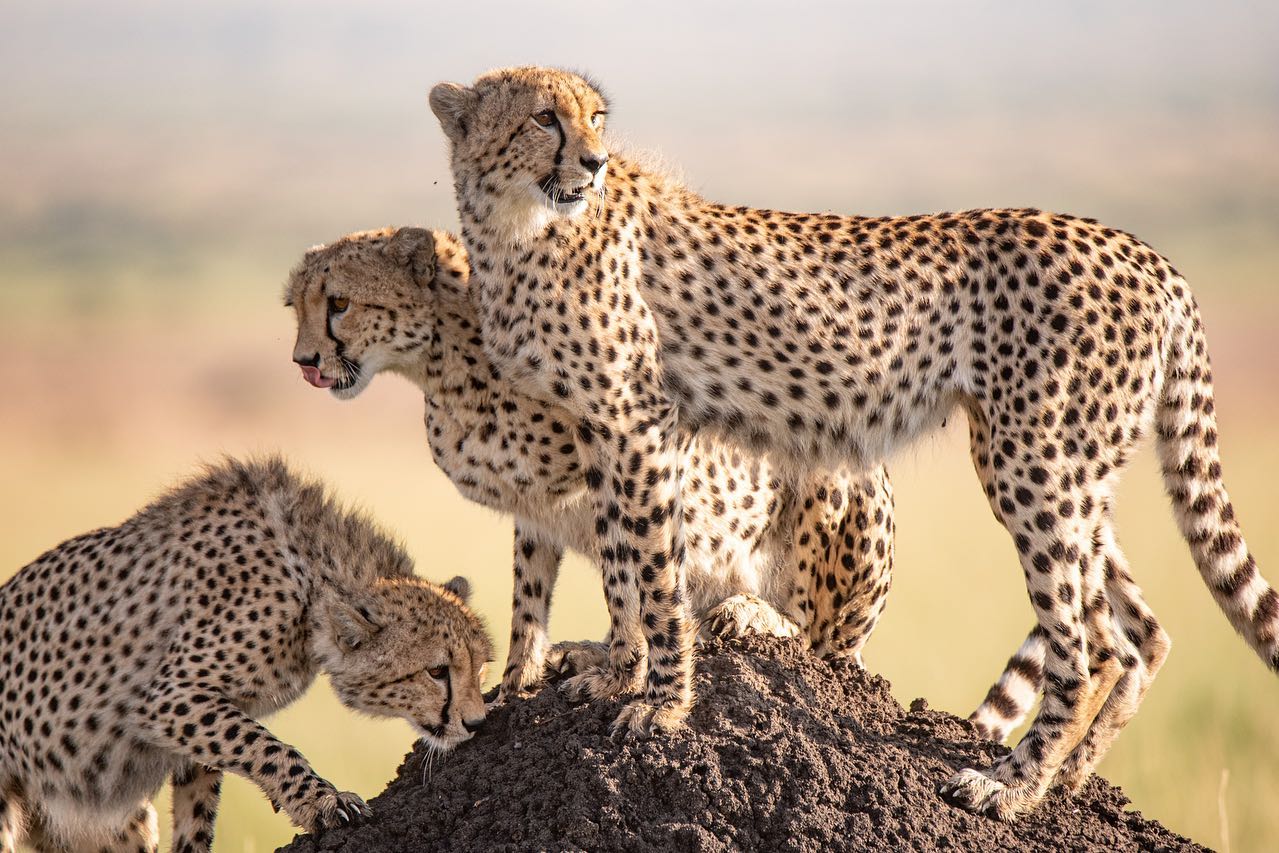
Cheetahs are Africa’s fastest land predators, capable of reaching speeds up to 112 km/h (70 mph) in short bursts. Unlike lions and leopards, they rely on speed and agility to catch prey rather than stealth or strength. Cheetahs are diurnal hunters, mostly active during the early morning and late afternoon.
In Tanzania, the Serengeti National Park is the top destination for cheetah sightings. Key areas include Ndutu, Seronera Valley, and Namiri Plains, where cheetahs are often seen hunting across open grasslands. Ruaha National Park and Selous Game Reserve (Nyerere National Park) also host cheetah populations, though sightings are less frequent due to their elusive nature.
In Kenya, cheetahs are commonly spotted in the Maasai Mara Triangle, Talek River region, and Olare Motorogi Conservancy. They also roam the Amboseli plains and Samburu National Reserve, preferring open savannahs where they can use their speed effectively. Tsavo East and Tsavo West are other excellent areas for cheetahs, particularly near open plains and rocky outcrops.
Visiting during the dry season (June–October) increases your chances of observing cheetahs actively hunting or resting in the shade. Seeing a cheetah sprint across the African plains is a thrilling experience, highlighting their unmatched speed, grace, and precision.
The Top Safari Parks for Big Cats
If your main goal is to see lions, leopards, and cheetahs, East Africa has some of the world’s best safari parks. In Tanzania, the Serengeti National Park stands out with its endless plains, the Great Migration, and key areas like Seronera, Ndutu, and Namiri Plains, which are hotspots for lions, leopards, and cheetahs. Ngorongoro Crater is a natural “big cat arena,” with one of the highest predator densities in Africa. Ruaha National Park offers remote wilderness and strong populations of lions and leopards, while Tarangire National Park is perfect for spotting lions near waterholes. Selous Game Reserve (Nyerere National Park) also provides vast, less-crowded landscapes where big cats thrive.
In Kenya, the Maasai Mara National Reserve is a world-famous destination for dramatic predator-prey action, especially during the Great Migration. Key areas include Mara Triangle, Talek River region, and Olare Motorogi Conservancy, known for large prides and regular leopard sightings. Amboseli National Park combines iconic Kilimanjaro views with frequent lion and leopard encounters near swamps and waterholes. Samburu National Reserve, including Buffalo Springs and Shaba Conservancy, offers remote areas with lions, leopards, and cheetahs. Tsavo East and Tsavo West National Parks provide vast savannahs, riverine forests, and rocky outcrops, giving excellent opportunities for spotting all big cats.
Visiting during the dry season (June–October) increases your chances of witnessing big cats hunting, interacting within prides, or resting near water sources. These parks collectively make East Africa a top destination for wildlife enthusiasts, photographers, and anyone dreaming of seeing Africa’s iconic predators in action.
When is the Best Time for a Big Cat Safari
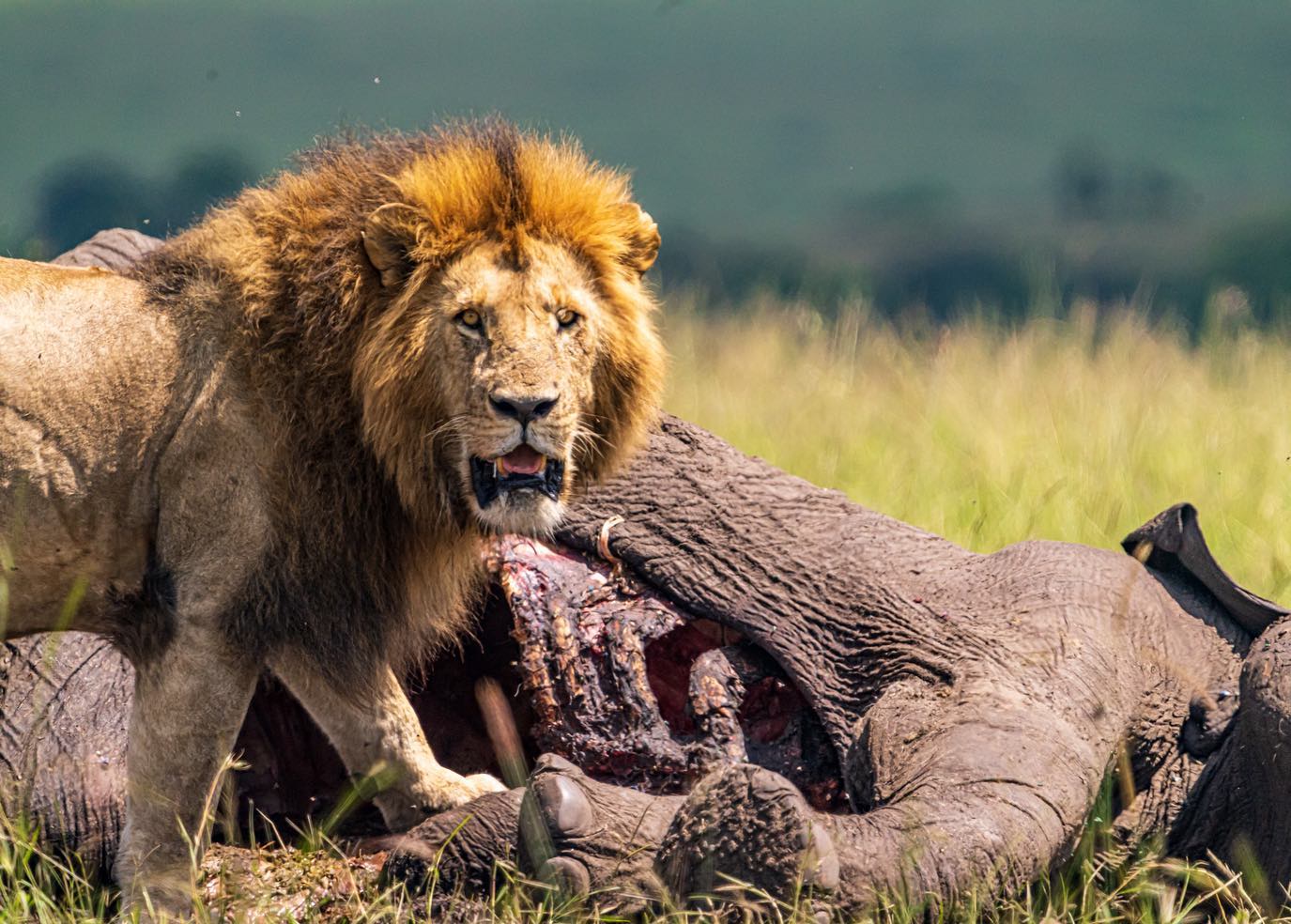
The dry season (June–October) is widely regarded as the best time for big cat safaris across East Africa. During these months, animals concentrate around waterholes, making lions, leopards, and cheetahs easier to spot. Game drives in the early morning and late afternoon further increase your chances of seeing predators in action.
Calving season (January–March) in Ndutu, Serengeti is ideal for cheetah hunting. Thousands of wildebeest calves are born during this time, attracting predators and creating spectacular hunting opportunities. Cheetahs take advantage of the open plains and newborn herds, offering some of the most thrilling wildlife encounters.
The Great Migration (July–October), spanning Maasai Mara and the Tanzania-Kenya border, is another peak period for big cat sightings. Lions, leopards, and cheetahs follow the massive herds of wildebeest and zebra, resulting in dramatic predator-prey interactions. Photographers and wildlife enthusiasts can witness hunting, stalking, and pride interactions like nowhere else on Earth.
Visiting outside these peak periods also has advantages. The green season (November–May) offers fewer tourists, lush landscapes, and active wildlife, though predators may be more dispersed. Understanding the seasons and predator behavior allows you to plan a safari that maximizes your chances of seeing Africa’s iconic big cats at their best.
Planning Your East Africa Safari
To maximize your chances of seeing big cats, start by choosing a reputable safari operator with experienced guides. Early morning and evening game drives are ideal, as predators are most active during these times. Consider a photographic safari if you want extended opportunities to capture lions, leopards, and cheetahs. Private safaris offer flexibility, allowing you to follow predator sightings and spend more time observing hunting, stalking, and pride interactions.
At Paul Tours Safari, we offer a variety of packages designed for big cat enthusiasts. Our experienced team knows the best parks, areas, and times to find lions, leopards, and cheetahs. With personalized itineraries, private vehicles, and expert guides, we ensure you have an unforgettable safari experience. Whether it’s the Serengeti, Maasai Mara, or Ngorongoro Crater, our team helps you see Africa’s iconic predators safely and in comfort. Book your safari with Paul Tours Safari and experience East Africa’s wildlife like never before.
Conclusion
East Africa is truly the ultimate destination to see big cats in the wild. Imagine watching lion prides roam the Serengeti, spotting leopards resting in Samburu trees, and witnessing cheetahs sprint across the Ndutu plains. Every safari is a front-row seat to nature’s most thrilling predator encounters.
Don’t just dream about it—experience it! With Paul Tours Safari, you get expert guides, private vehicles, and personalized itineraries to maximize your chances of seeing lions, leopards, and cheetahs in action. Whether it’s your first safari or a return adventure, our team ensures safety, comfort, and unforgettable memories.
Book your East Africa big cat adventure today or contact us here and step into the heart of the wild. Spots fill up fast, especially during the dry season and Great Migration, so secure your safari now and make your wildlife dreams a reality!
Discover more from Paul Tours Safari
Subscribe to get the latest posts sent to your email.