
Tanzania Safari vs Kenya Safari: Which Is Better?
Choosing an African safari is an exciting experience, but selecting the right destination can feel overwhelming. For many travelers, the biggest question is whether to visit Tanzania or Kenya. Both countries are world-famous for their spectacular wildlife, breathtaking landscapes, and unforgettable safari adventures. However, each destination offers unique experiences that appeal to different types of travelers.
Tanzania is renowned for its vast wilderness, iconic national parks, and luxurious safari experiences. It is home to the legendary Serengeti National Park, the breathtaking Ngorongoro Crater, and the elephant-rich Tarangire National Park. In addition, Tanzania offers the opportunity to combine a wildlife safari with a relaxing beach holiday on the tropical islands of Zanzibar, Pemba, or Mafia Island.
Kenya, on the other hand, is famous for the Maasai Mara National Reserve, exceptional cultural experiences, and excellent wildlife viewing throughout the year. It also provides easy access through Nairobi, making it a convenient choice for many international travelers.
Although both countries are home to the Big Five and share the world-famous Great Wildebeest Migration, they differ in several important ways. Factors such as wildlife density, national parks, luxury accommodations, safari costs, accessibility, crowd levels, photography opportunities, and beach extensions can significantly influence your overall experience. Therefore, understanding these differences is essential before planning your dream safari.
Why Compare Tanzania and Kenya?
Tanzania and Kenya are neighboring countries in East Africa, and together they offer some of the best safari experiences in the world. As a result, many travelers find it difficult to decide which destination is right for them. While both countries promise incredible wildlife encounters, they are not identical. For example, Tanzania offers larger national parks, more remote wilderness areas, and generally fewer safari vehicles. Kenya, meanwhile, is well known for its accessible safari destinations, vibrant Maasai culture, and the iconic Maasai Mara.
Comparing the two destinations helps you choose the safari that best matches your travel goals, budget, and expectations. Whether you’re looking for a luxury honeymoon, a family adventure, a photography expedition, or your very first African safari, knowing the strengths of each country will help you make a confident decision.
Who Is This Guide For?
This guide is designed for anyone planning an African safari, including:
- First-time safari travelers
- Couples planning a honeymoon
- Families with children
- Luxury travelers seeking exclusive experiences
- Wildlife photographers
- Birdwatchers
- Adventure seekers
- Solo travelers
- Travel planners and tour organizers
- Anyone deciding between Tanzania and Kenya
Whether you’re planning a short safari or a once-in-a-lifetime luxury journey, this guide will provide the information you need to choose the right destination.
What You’ll Learn
In this comprehensive comparison, you’ll discover:
- The major differences between Tanzania and Kenya safaris
- Which country offers the best wildlife viewing
- Where to experience the Great Wildebeest Migration
- The top national parks and game reserves in each country
- How safari costs compare
- Which destination offers better luxury lodges and tented camps
- The best time to visit Tanzania and Kenya
- Which country is better for families, honeymooners, photographers, and first-time visitors
- How to combine a safari with a beach holiday
- The advantages and disadvantages of each destination
- Expert recommendations to help you choose the perfect safari
By the end of this guide, you’ll have a clear understanding of what makes each destination unique. More importantly, you’ll be able to confidently choose the safari that matches your travel style, interests, and budget, ensuring an unforgettable African adventure.
Tanzania Safari vs Kenya Safari: Quick Comparison
Choosing between Tanzania and Kenya can be challenging because both destinations offer exceptional safari experiences. Together, they form the heart of East Africa’s wildlife tourism and attract millions of visitors each year. While they share many similarities, such as incredible wildlife, the Big Five, and the Great Wildebeest Migration, each country offers a unique safari experience. Therefore, understanding their key differences will help you choose the destination that best matches your travel style, interests, and budget.
Whether you’re planning a luxury honeymoon, a family vacation, a photography expedition, or your very first African safari, this comparison provides a clear overview of what each country has to offer.
Side-by-Side Comparison
| Feature | Tanzania Safari | Kenya Safari |
|---|---|---|
| Best For | Luxury safaris, honeymooners, photographers, exclusive experiences | Classic safaris, cultural experiences, shorter itineraries |
| Flagship Destination | Serengeti National Park | Maasai Mara National Reserve |
| Great Wildebeest Migration | Available for most of the year | Best known for dramatic Mara River crossings |
| Big Five | Excellent opportunities throughout major parks | Excellent opportunities throughout major parks |
| National Parks | Larger, less crowded, and highly diverse | Smaller, well-connected, and easy to access |
| Luxury Accommodation | Exceptional luxury lodges, tented camps, and private villas | High-end safari camps and luxury lodges |
| Wildlife Viewing | Outstanding throughout the year | Outstanding throughout the year |
| Crowds | Generally fewer safari vehicles | Busier during peak migration season |
| Photography | Expansive landscapes, dramatic sunsets, and open plains | Iconic river crossings and elephant photography |
| Beach Extensions | Zanzibar, Pemba Island, and Mafia Island | Diani Beach, Watamu, and Malindi |
| Accessibility | Kilimanjaro, Arusha, Dar es Salaam, and Zanzibar airports | Nairobi serves as the main international gateway |
| Ideal Trip Length | 7–14 days | 4–10 days |
| Overall Experience | Exclusive, immersive, and luxurious | Classic, adventurous, and culturally rich |
Key Differences at a Glance
Although Tanzania and Kenya both provide world-class safari experiences, they appeal to different types of travelers.
Tanzania is widely recognized for its vast protected areas, breathtaking scenery, and exclusive safari experiences. The country is home to internationally renowned destinations such as Serengeti National Park, Ngorongoro Crater, and Tarangire National Park, where visitors can enjoy remarkable wildlife encounters with relatively fewer vehicles. Moreover, Tanzania offers one of the greatest advantages in Africa—the opportunity to combine an unforgettable safari with a luxury beach holiday in Zanzibar, Pemba Island, or Mafia Island. This combination makes Tanzania an ideal choice for honeymooners, families, photographers, and travelers seeking a premium safari experience.
Kenya, by contrast, is famous for the legendary Maasai Mara National Reserve, one of Africa’s most iconic wildlife destinations. In addition, Kenya offers rich cultural interactions with the Maasai community, excellent conservancies, and convenient international connections through Nairobi. Travelers with limited time often choose Kenya because many of its leading safari destinations are easily accessible, allowing them to enjoy an exceptional wildlife experience within a shorter itinerary.
When comparing the two destinations, Tanzania generally stands out for travelers seeking luxury, privacy, expansive wilderness, and diverse landscapes. Meanwhile, Kenya excels in accessibility, cultural tourism, and classic safari experiences that have inspired generations of wildlife enthusiasts.
Ultimately, there is no universal winner. The best destination depends on your personal preferences and the type of journey you want to experience. However, if you’re looking for a more exclusive, immersive, and luxurious African safari, Tanzania is often considered the superior choice, especially when paired with a relaxing beach escape on the Zanzibar Archipelago.
Where Are Tanzania and Kenya Located?
Tanzania and Kenya are neighboring countries in East Africa, a region renowned for its extraordinary wildlife, breathtaking landscapes, and world-class safari experiences. Together, they form one of the most famous safari destinations on the planet, attracting millions of travelers each year who come to witness iconic wildlife, diverse ecosystems, and the spectacular Great Wildebeest Migration.
Although each country has its own unique attractions, they share a rich natural heritage that makes them ideal destinations for anyone seeking an authentic African safari. Their close proximity also allows travelers to explore both countries in a single journey, creating an unforgettable East African adventure.
East Africa Overview
East Africa is widely regarded as the birthplace of the modern safari. The region is home to some of the world’s most celebrated national parks, game reserves, and conservation areas, where wildlife roams freely across vast landscapes.
Tanzania is the largest country in East Africa, covering approximately 947,300 square kilometers (365,756 square miles). It borders Kenya to the north, Uganda, Rwanda, Burundi, Democratic Republic of the Congo, Zambia, Malawi, and Mozambique, while its eastern coastline stretches along the beautiful Indian Ocean.
Kenya, located directly north of Tanzania, covers approximately 580,367 square kilometers (224,081 square miles). It shares borders with Tanzania, Uganda, South Sudan, Ethiopia, and Somalia, and also enjoys a stunning coastline along the Indian Ocean. Both countries benefit from a favorable climate, abundant wildlife, and an extensive network of protected areas, making them among the best safari destinations in Africa.
Shared Ecosystems
One of the most remarkable features of Tanzania and Kenya is that they share several interconnected ecosystems. Wildlife does not recognize international borders, allowing animals to move naturally between protected areas in both countries.
The most famous example is the Serengeti–Mara Ecosystem, which includes Serengeti National Park in Tanzania and the Maasai Mara National Reserve in Kenya. Every year, more than two million wildebeests, zebras, and gazelles migrate across this ecosystem in search of fresh grazing, creating the world-famous Great Wildebeest Migration.
Beyond the Serengeti-Mara ecosystem, the two countries also share similar habitats, including:
- Vast savannah grasslands
- Acacia woodlands
- Riverine forests
- Freshwater lakes
- Wetlands
- Mountain ecosystems
- Semi-arid landscapes
As a result, visitors can expect exceptional wildlife viewing in both countries, including opportunities to see the Big Five, cheetahs, giraffes, hippos, crocodiles, and hundreds of bird species.
Border and Travel Connections
Thanks to their shared border, traveling between Tanzania and Kenya is both practical and popular. Many visitors choose to combine the two countries into one itinerary, allowing them to experience the best of East Africa in a single trip.
The most commonly used border crossings include:
- Namanga Border – Connecting Arusha (Tanzania) and Nairobi (Kenya)
- Isebania–Sirari Border – Connecting the Serengeti ecosystem with the Maasai Mara region
- Lunga Lunga–Horohoro Border – Connecting the Kenyan coast with Tanzania’s northern coastline
In addition to road travel, several airlines operate daily flights between major cities such as Nairobi, Arusha, Kilimanjaro, Dar es Salaam, and Zanzibar. Domestic charter flights also connect leading safari destinations, making it easy to combine multiple national parks or extend your journey with a beach holiday.
Because of these excellent transport links, many luxury travelers choose a combined Tanzania and Kenya safari, enjoying the endless plains of the Serengeti, the wildlife-rich Maasai Mara, and the pristine beaches of Zanzibar or Kenya’s Indian Ocean coast—all within one unforgettable East African adventure.
Wildlife Comparison: Tanzania vs Kenya
Wildlife is the main reason travelers visit Tanzania and Kenya. Both countries are among the best safari destinations in the world, offering extraordinary opportunities to observe animals in their natural habitat. From the legendary Big Five to millions of migrating wildebeests, East Africa delivers unforgettable wildlife encounters throughout the year.
Although Tanzania and Kenya share many of the same animal species, the scale of their wildlife experiences differs. Tanzania is home to larger protected areas and supports one of the highest concentrations of wildlife in Africa. Meanwhile, Kenya is celebrated for its accessible game reserves, thriving conservancies, and exceptional predator sightings. Understanding these differences can help you choose the destination that best suits your safari goals.
Big Five Comparison
One of the biggest highlights of any African safari is spotting the Big Five—the lion, leopard, elephant, African buffalo, and black rhinoceros. Originally named by big-game hunters because they were the most difficult animals to hunt on foot, today they are the most sought-after wildlife sightings for photographers and safari enthusiasts.
Both Tanzania and Kenya provide excellent opportunities to see the Big Five.
Tanzania
Tanzania is widely regarded as one of Africa’s best destinations for the Big Five. Parks such as Serengeti National Park, Ngorongoro Crater, Tarangire National Park, Nyerere National Park, and Ruaha National Park offer outstanding wildlife viewing throughout the year. The Ngorongoro Crater, in particular, is one of the few places where visitors have a realistic chance of seeing all five animals in a single day.
Kenya
Kenya also offers excellent Big Five sightings, especially in the Maasai Mara National Reserve, Amboseli National Park, Tsavo National Parks, and selected private conservancies. The Maasai Mara is famous for its healthy lion population and frequent leopard sightings, while rhinos are commonly seen in protected areas such as Lake Nakuru National Park and Ol Pejeta Conservancy.
Winner: Tanzania has a slight advantage because of its larger protected areas and the exceptional wildlife density found in destinations like the Ngorongoro Crater.
Predators
Predator sightings are often the most thrilling part of a safari. Watching lions hunt, cheetahs sprint across open plains, or leopards resting in acacia trees creates unforgettable memories.
Tanzania
Tanzania supports one of the largest predator populations in Africa. The Serengeti ecosystem is home to thousands of lions, leopards, cheetahs, spotted hyenas, and African wild dogs. The open grasslands make wildlife easier to spot, especially during the Great Migration when predators follow massive herds of wildebeests and zebras.
Kenya
Kenya’s Maasai Mara is equally famous for predator action. Lions, cheetahs, and leopards are regularly spotted, while the annual migration brings dramatic hunting scenes along the Mara River.
Winner: Tanzania, thanks to the vast Serengeti ecosystem and year-round predator activity.
Elephants
Both countries protect impressive elephant populations, but the viewing experience is slightly different.
Tanzania
Tarangire National Park is often called the “Kingdom of Elephants.” During the dry season, visitors can encounter herds of more than 300 elephants gathering along the Tarangire River. Large elephant populations are also found in Nyerere National Park and Ruaha National Park.
Kenya
Amboseli National Park is internationally famous for its elephants. Many of its bulls have enormous tusks, and the backdrop of Mount Kilimanjaro creates one of Africa’s most iconic safari photographs.
Winner: Draw. Tanzania offers larger elephant populations, while Kenya provides some of the world’s most photogenic elephant encounters.
Giraffes
Giraffes are among Africa’s most graceful animals and can be seen in both countries.
Tanzania
Tanzania is home to the Masai giraffe, the country’s national animal. They are commonly seen in Serengeti, Tarangire, Ruaha, and Nyerere National Parks.
Kenya
Kenya is home to both the Masai giraffe and the Reticulated giraffe, particularly in Samburu National Reserve, where the beautifully patterned reticulated giraffe is a major attraction.
Winner: Kenya, thanks to the opportunity to see multiple giraffe species.
Zebras
Zebras are abundant throughout both countries and play a vital role in the Great Wildebeest Migration.
Tanzania
Large herds of plains zebras roam the Serengeti alongside millions of wildebeests. They are also common in Tarangire, Ngorongoro, and Lake Manyara National Park.
Kenya
Zebras are widespread in the Maasai Mara, Amboseli, Tsavo, and Samburu. Kenya is also one of the few places where visitors can see the rare Grevy’s zebra, which is native to northern Kenya.
Winner: Kenya, due to the presence of both plains zebras and the endangered Grevy’s zebra.
Hippos
Hippos spend most of their day submerged in rivers and pools before grazing at night.
Tanzania
The Serengeti, Katavi National Park, Nyerere National Park, and Ruaha National Park all support large hippo populations. Hippo pools are popular stops during game drives.
Kenya
Hippos are commonly seen in the Mara River, Lake Naivasha, and several rivers throughout the Maasai Mara.
Winner: Tanzania, particularly for the impressive hippo concentrations in Katavi and Nyerere.
Crocodiles
Nile crocodiles are among Africa’s most powerful predators.
Tanzania
The Grumeti River and Mara River in the Serengeti are home to enormous crocodiles that prey on migrating wildebeests during river crossings.
Kenya
The Mara River also hosts large Nile crocodiles, creating dramatic scenes during the migration season.
Winner: Draw, as both countries share the same river system and offer spectacular crocodile sightings.
Birdlife
East Africa is a paradise for birdwatchers.
Tanzania
Tanzania boasts more than 1,100 bird species, including flamingos, fish eagles, kingfishers, hornbills, bee-eaters, vultures, and ostriches. Parks such as Lake Manyara, Arusha National Park, and Ruaha are particularly rewarding for bird enthusiasts.
Kenya
Kenya is home to over 1,100 bird species as well. Lake Nakuru is famous for flamingos, while the Rift Valley lakes attract countless migratory birds each year.
Winner: Draw. Both countries rank among Africa’s top birdwatching destinations.
Endemic and Rare Species
While both countries share much of their wildlife, each also protects species that are more commonly found within its borders.
Tanzania Highlights
- African wild dogs
- Large chimpanzee populations in Mahale Mountains and Gombe
- Puku antelope
- Roan antelope
- Sable antelope
Kenya Highlights
- Grevy’s zebra
- Reticulated giraffe
- Beisa oryx
- Somali ostrich
- Gerenuk
These unique species make both destinations attractive for experienced safari travelers looking to expand their wildlife checklist.
Wildlife Comparison Summary
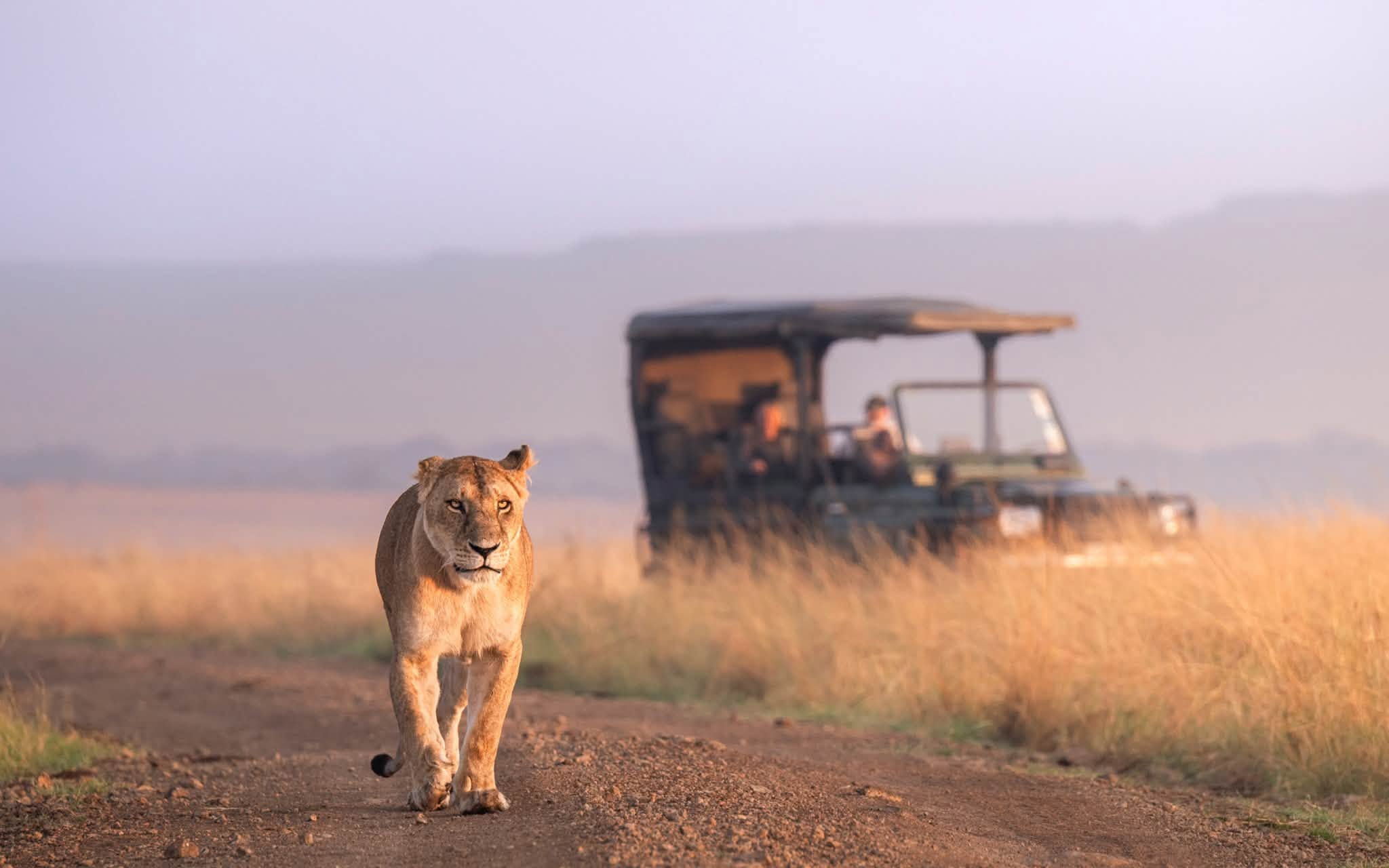
When it comes to wildlife, both Tanzania and Kenya deliver extraordinary safari experiences. However, Tanzania stands out for its vast wilderness, higher overall wildlife density, larger national parks, and the opportunity to experience the Great Wildebeest Migration for much of the year. These factors make it an excellent choice for travelers seeking an immersive and luxurious safari.
Kenya, on the other hand, shines through its exceptional conservancies, iconic Maasai Mara, and unique northern species such as the Grevy’s zebra and reticulated giraffe. It is an outstanding destination for travelers who value accessibility, cultural experiences, and classic East African safaris.
For many wildlife enthusiasts, Tanzania earns a slight overall advantage, while combining Tanzania and Kenya offers the ultimate East African safari experience, allowing visitors to experience the best wildlife both countries have to offer.
The Great Wildebeest Migration
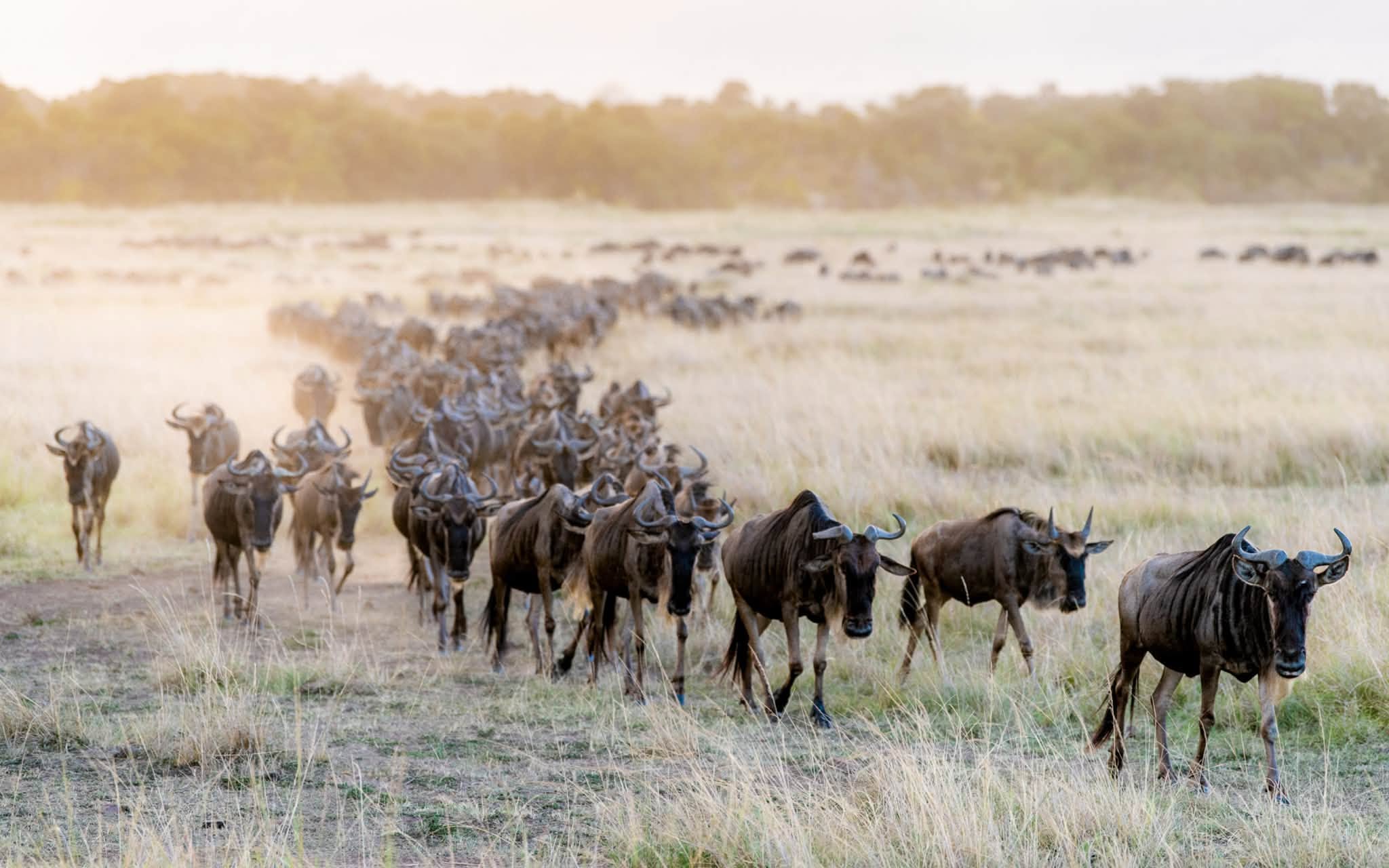
The Great Wildebeest Migration is widely regarded as the greatest wildlife spectacle on Earth. Every year, more than 2 million wildebeests, accompanied by hundreds of thousands of zebras and gazelles, embark on a remarkable journey across the Serengeti-Mara ecosystem in search of fresh grazing and water. This incredible natural event is driven by seasonal rainfall, creating a continuous cycle of movement rather than a single migration from one destination to another.
Unlike many people believe, the migration does not begin in one country and end in another. Instead, the herds move in a circular pattern between Tanzania’s Serengeti National Park and Kenya’s Maasai Mara National Reserve throughout the year. As a result, travelers can witness different stages of the migration depending on when they visit.
The migration is more than a journey of survival. It is a dramatic display of nature at its finest. Along the way, predators such as lions, leopards, cheetahs, hyenas, and Nile crocodiles follow the herds, creating some of the most breathtaking wildlife encounters ever recorded.
Migration Calendar
Although weather patterns can cause slight variations each year, the migration generally follows a predictable annual cycle.
| Month | Location | Highlights |
|---|---|---|
| January | Southern Serengeti (Ndutu) | Calving season begins |
| February | Southern Serengeti | Thousands of wildebeest calves are born daily |
| March | Southern & Central Serengeti | Predator activity remains high |
| April | Central Serengeti | Herds begin moving north |
| May | Western Corridor | Large columns of migrating animals |
| June | Western Serengeti | Grumeti River crossings |
| July | Northern Serengeti & Maasai Mara | Mara River crossings begin |
| August | Northern Serengeti & Maasai Mara | Peak river crossings |
| September | Maasai Mara & Northern Serengeti | Excellent wildlife viewing |
| October | Northern Serengeti | Herds begin returning south |
| November | Central & Eastern Serengeti | Migration continues south |
| December | Southern Serengeti | Herds return to calving grounds |
This continuous movement means there is no single “best” month to witness the migration. Instead, the ideal time depends on the specific experience you’re hoping to enjoy.
Best Time to Experience the Migration in Tanzania
Tanzania offers the advantage of hosting the migration for most of the year, making it one of the best safari destinations for travelers who want flexibility.
January to March – Calving Season
During these months, the herds gather in the southern Serengeti and Ndutu Conservation Area. More than 500,000 wildebeest calves are born within a few weeks, attracting large numbers of lions, cheetahs, leopards, and hyenas. This is one of the best times to witness predator-prey interactions.
April to June – The Journey North
As the rainy season ends, the herds move through the central Serengeti toward the western corridor. During June, many animals cross the Grumeti River, where massive Nile crocodiles wait beneath the water’s surface.
July to October – Northern Serengeti
One of the most dramatic stages of the migration takes place in northern Serengeti as thousands of wildebeests attempt to cross the dangerous Mara River. While many animals successfully reach the opposite bank, others fall victim to crocodiles or strong river currents.
November to December – Return to the South
Following the short rains, the herds gradually travel back toward the southern Serengeti, completing the annual migration cycle.
Best Time to Experience the Migration in Kenya
Kenya experiences the migration during a shorter period, but it is famous for one of the migration’s most spectacular events.
July to October – Maasai Mara
During these months, large herds cross from Tanzania into the Maasai Mara National Reserve. The dramatic Mara River crossings have become some of the most photographed wildlife moments in the world.
Visitors during this period often witness:
- Thousands of wildebeests crossing crocodile-filled rivers
- Lions hunting migrating animals
- Cheetahs chasing gazelles across open plains
- Large elephant herds
- Exceptional game viewing throughout the reserve
Because this is Kenya’s peak safari season, accommodation often sells out months in advance.
River Crossings
The river crossings are undoubtedly the most dramatic phase of the Great Wildebeest Migration. Faced with steep riverbanks, powerful currents, and giant Nile crocodiles, thousands of wildebeests leap into the water in a desperate attempt to reach fresh grazing. Not every crossing is successful. Some animals are swept away by the current, while others become prey for crocodiles waiting beneath the surface. Meanwhile, predators such as lions and hyenas patrol the riverbanks, ready to take advantage of exhausted animals.
The two most famous river crossings include:
- Grumeti River (Western Serengeti, Tanzania) – Best during June
- Mara River (Northern Serengeti, Tanzania, and Maasai Mara, Kenya) – Best between July and October
Although the Mara River receives more global attention, the Grumeti River crossings offer equally thrilling wildlife encounters with significantly fewer crowds.
Calving Season
The calving season is one of the most rewarding times to visit Tanzania. Between late January and early March, approximately 500,000 wildebeest calves are born in the southern Serengeti and Ndutu region. The abundance of newborn animals attracts Africa’s top predators, resulting in exceptional wildlife viewing and incredible photography opportunities. Lions, cheetahs, hyenas, jackals, and leopards remain active throughout the season, creating dramatic scenes that are difficult to witness elsewhere.
Unlike the busy river crossing season, the calving period often provides a quieter safari experience while still delivering extraordinary wildlife encounters.
Which Country Offers the Best Migration Experience?
Both Tanzania and Kenya provide unforgettable opportunities to witness the Great Wildebeest Migration. However, the overall experience differs depending on when you travel and what you hope to see.
Tanzania offers the most complete migration experience because the herds spend approximately eight to ten months of the year within the Serengeti ecosystem. Visitors can witness every stage of the migration, from calving season and predator action to the Grumeti and Mara River crossings, all within Tanzania’s protected areas. In addition, Tanzania generally offers larger landscapes, fewer safari vehicles, and a more immersive wildlife experience.
Kenya, on the other hand, is the premier destination for travelers who specifically want to witness the famous Mara River crossings between July and October. During this period, the Maasai Mara delivers exceptional game viewing and some of the most dramatic wildlife photography opportunities in Africa. However, because the migration remains in Kenya for only a few months each year, visitors have a shorter window to experience this natural spectacle.
Final Verdict
If your dream is to experience the entire Great Wildebeest Migration, Tanzania is the clear winner. Its larger protected areas, longer migration season, and diverse wildlife experiences provide unmatched opportunities throughout the year. However, if your primary goal is to witness the iconic Mara River crossings, Kenya is an outstanding choice, especially between July and October. For travelers with enough time, combining Tanzania and Kenya offers the ultimate Great Migration safari, allowing you to experience every stage of one of the world’s greatest wildlife spectacles.
Best National Parks and Game Reserves
One of the biggest factors to consider when choosing between Tanzania and Kenya is the variety and quality of their national parks and game reserves. Both countries are home to world-renowned protected areas that offer exceptional wildlife viewing, breathtaking scenery, and unforgettable safari experiences. However, each destination has its own unique strengths.
Tanzania boasts some of Africa’s largest and most pristine wilderness areas. Its parks cover vast landscapes with fewer visitors, making them ideal for travelers seeking exclusive and immersive safaris. Meanwhile, Kenya is famous for its iconic game reserves, private conservancies, and excellent accessibility, making it a favorite for first-time safari travelers and shorter itineraries.
Below is a closer look at the best national parks and game reserves in each country.
Best National Parks in Tanzania
1. Serengeti National Park
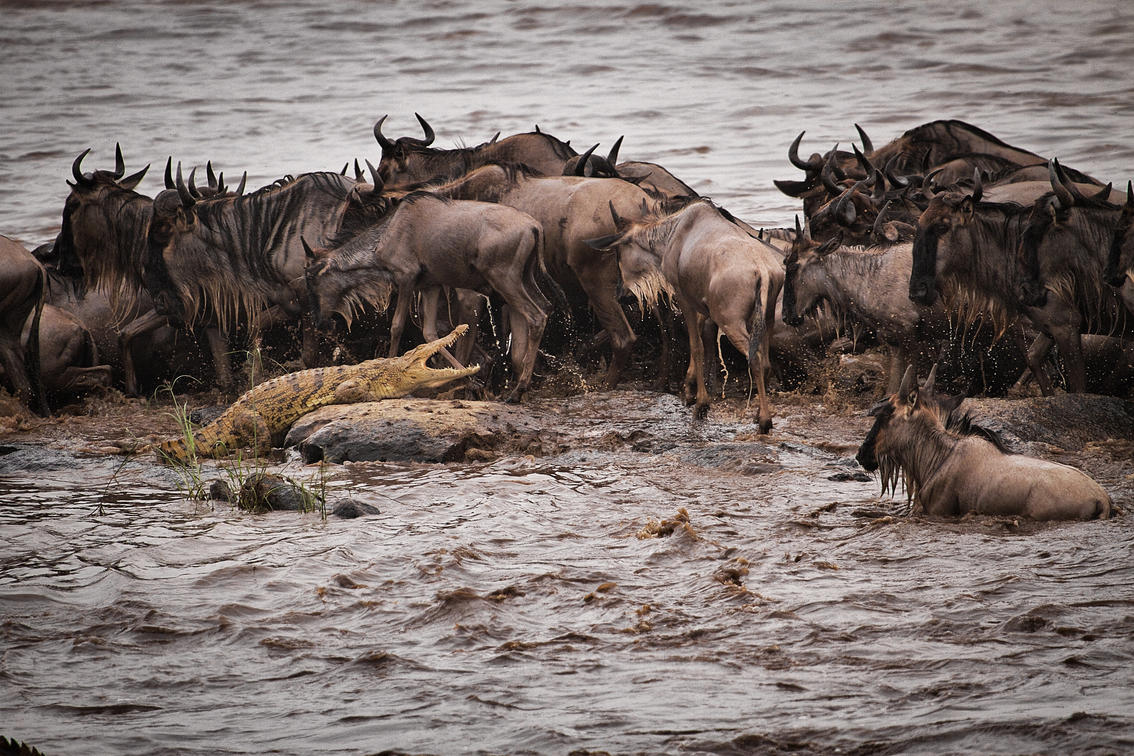
The Serengeti National Park is Tanzania’s most famous safari destination and one of the greatest wildlife reserves in the world. Covering approximately 14,750 square kilometers (5,700 square miles), the park is renowned for its endless plains, abundant wildlife, and the spectacular Great Wildebeest Migration. Visitors can expect outstanding sightings of the Big Five, large prides of lions, cheetahs, leopards, elephants, giraffes, and millions of migrating wildebeests and zebras. The Serengeti also offers exceptional luxury lodges, mobile tented camps, hot air balloon safaris, and year-round game viewing.
Best for: Great Migration, Big Five, luxury safaris, photography, and first-time visitors.
2. Ngorongoro Crater
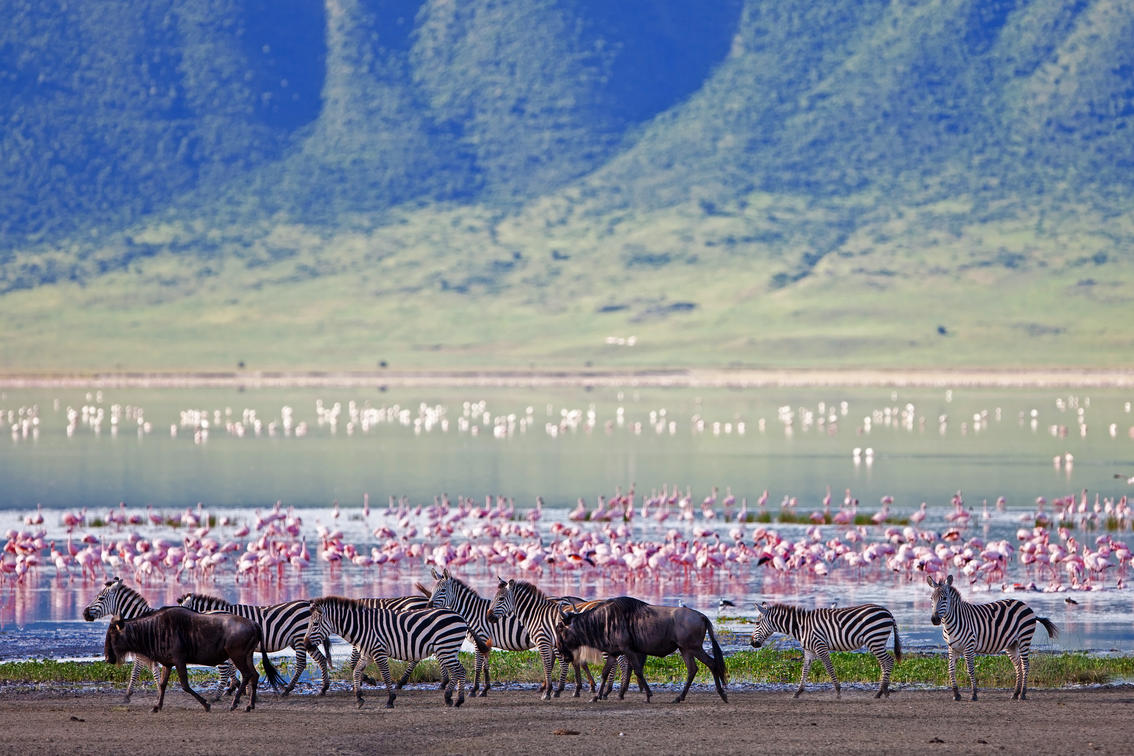
A UNESCO World Heritage Site, the Ngorongoro Crater is the world’s largest intact volcanic caldera. Often referred to as the “Eighth Wonder of the World,” it supports one of Africa’s highest concentrations of wildlife within a relatively small area. Because animals rarely leave the crater, visitors enjoy excellent opportunities to spot lions, elephants, buffaloes, hippos, flamingos, and the endangered black rhinoceros in a single game drive.
Best for: Big Five, rhino sightings, family safaris, and day trips.
3. Tarangire National Park

Tarangire National Park is famous for its enormous elephant herds and iconic baobab trees. During the dry season, thousands of animals gather along the Tarangire River, creating exceptional wildlife viewing opportunities. Besides elephants, visitors can see lions, leopards, giraffes, zebras, wildebeests, and more than 550 bird species.
Best for: Elephants, birdwatching, photography, and quieter safaris.
4. Lake Manyara National Park
Although smaller than many other parks, Lake Manyara National Park offers remarkable biodiversity. The park features groundwater forests, open grasslands, hot springs, and the alkaline Lake Manyara itself. It is well known for its tree-climbing lions, large troops of baboons, flamingos, hippos, and diverse birdlife.
Best for: Birdwatching, tree-climbing lions, scenic landscapes, and short safaris.
5. Nyerere National Park
Formerly part of the Selous Game Reserve, Nyerere National Park is Africa’s largest national park. Its remote location provides an authentic safari experience with very few visitors. The park is home to elephants, lions, African wild dogs, buffaloes, crocodiles, and hippos. Unlike many parks, Nyerere also offers boat safaris along the Rufiji River.
Best for: Remote safaris, boat safaris, walking safaris, and wildlife enthusiasts.
6. Ruaha National Park
Ruaha National Park is Tanzania’s largest national park and one of East Africa’s hidden gems. It supports one of Africa’s largest lion populations and impressive numbers of elephants, leopards, cheetahs, and wild dogs. Because it receives fewer visitors, Ruaha offers a truly exclusive safari experience.
Best for: Predator sightings, exclusive safaris, and experienced safari travelers.
7. Mahale Mountains National Park
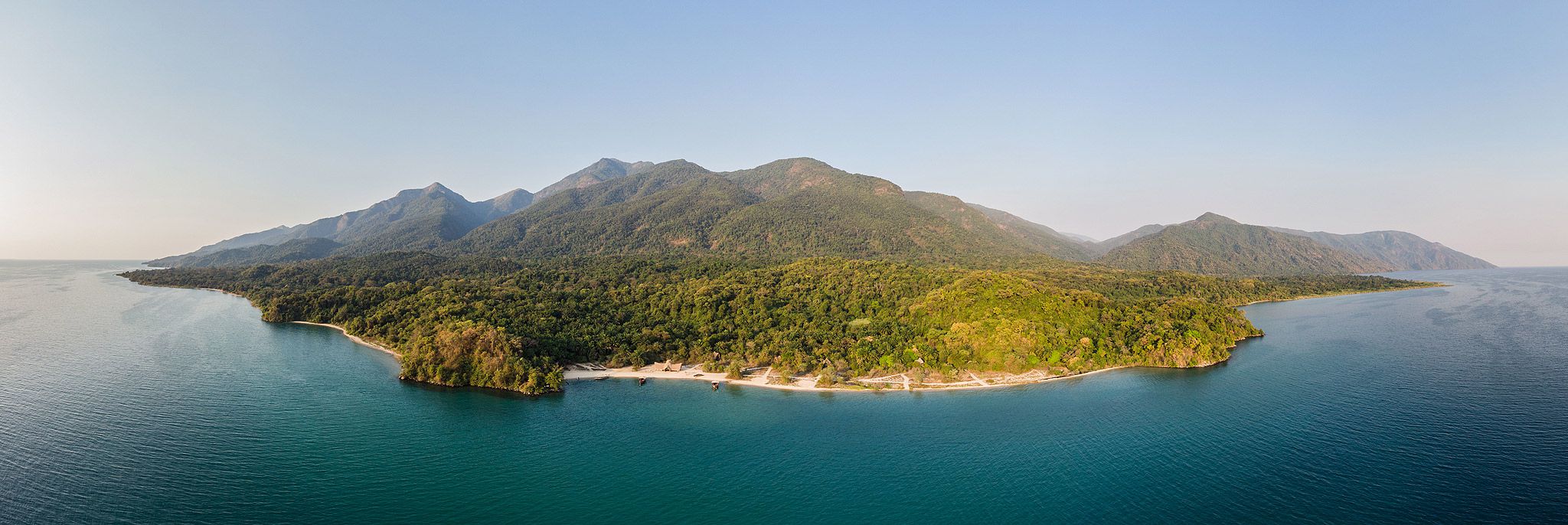
Located on the shores of Lake Tanganyika, Mahale Mountains National Park offers a completely different safari experience. Instead of traditional game drives, visitors trek through lush forests to observe wild chimpanzees in their natural habitat. The park also offers pristine beaches, crystal-clear waters, and spectacular mountain scenery.
Best for: Chimpanzee trekking, adventure travel, and nature lovers.
8. Katavi National Park
Katavi National Park is one of Tanzania’s least-visited parks, making it perfect for travelers seeking solitude and untouched wilderness. During the dry season, the park hosts enormous concentrations of hippos, crocodiles, buffaloes, and elephants, while predators frequently patrol the floodplains.
Best for: Off-the-beaten-path safaris, wildlife photography, and exclusive experiences.
Best National Parks and Game Reserves in Kenya
1. Maasai Mara National Reserve
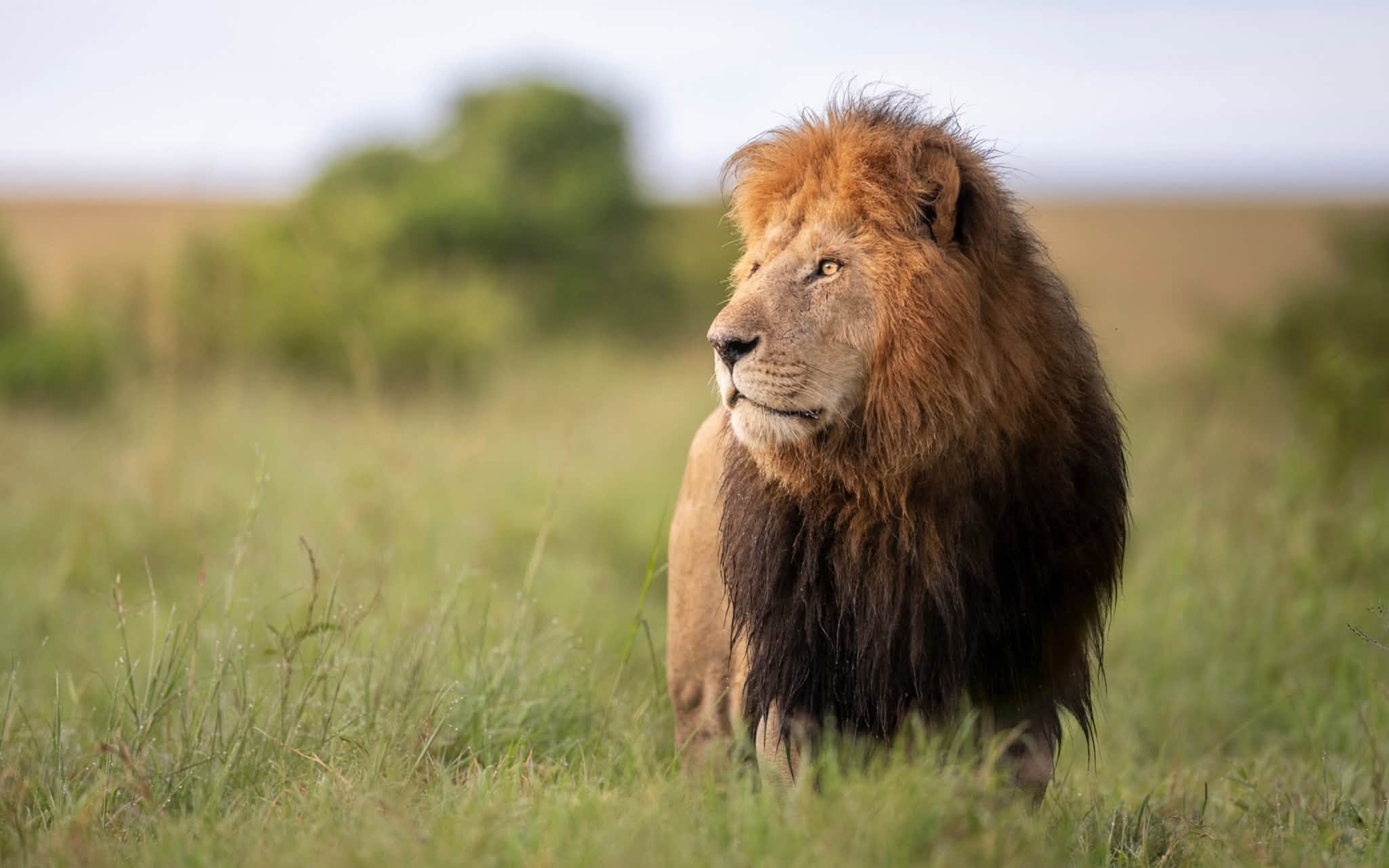
The Maasai Mara National Reserve is Kenya’s most famous safari destination and one of Africa’s premier wildlife reserves. It is particularly famous for the Great Wildebeest Migration and its exceptional populations of lions, leopards, and cheetahs. The reserve also offers excellent luxury camps, hot air balloon safaris, and cultural visits to Maasai communities.
Best for: Great Migration, Big Five, first-time visitors, and photography.
2. Amboseli National Park
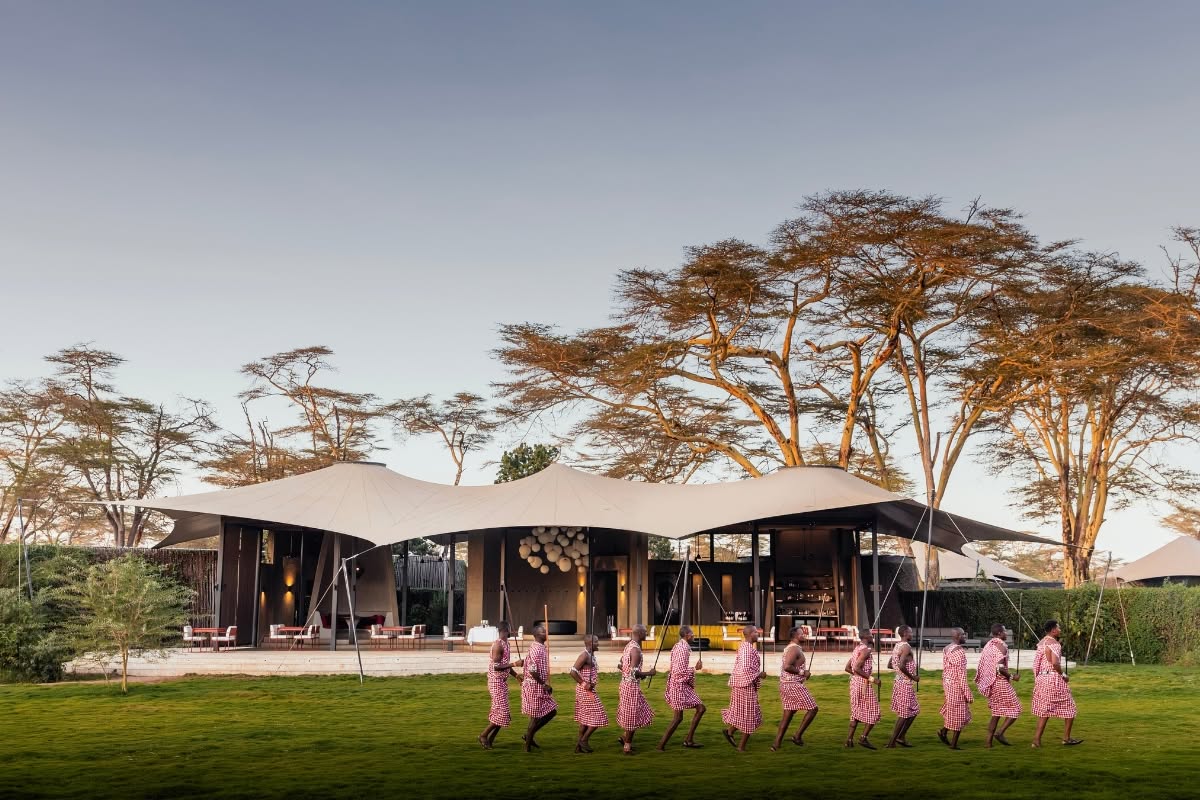
Amboseli National Park is famous for its large elephant herds and breathtaking views of Mount Kilimanjaro. Visitors regularly encounter elephants with enormous tusks, along with lions, buffaloes, giraffes, zebras, and hundreds of bird species.
Best for: Elephant photography, family safaris, and scenic landscapes.
3. Tsavo East National Park
Tsavo East is one of Kenya’s largest national parks and is known for its vast open plains and famous “red elephants,” which acquire their distinctive color from the park’s red volcanic soil. The Galana River attracts crocodiles, hippos, and numerous bird species.
Best for: Large mammals, remote landscapes, and road safaris.
4. Tsavo West National Park
Neighboring Tsavo East, Tsavo West features volcanic hills, lava flows, natural springs, and dense vegetation. Its varied landscape supports elephants, rhinos, lions, leopards, and numerous bird species.
Best for: Scenic beauty, rhino conservation, and geological attractions.
5. Samburu National Reserve
Samburu National Reserve is famous for wildlife species rarely seen elsewhere in East Africa. Visitors can spot the Samburu Special Five, which include the Grevy’s zebra, reticulated giraffe, gerenuk, Somali ostrich, and Beisa oryx.
Best for: Rare wildlife, photography, and cultural experiences.
6. Lake Nakuru National Park
Lake Nakuru National Park is internationally recognized for its flamingos and successful rhino conservation program. The park also supports lions, leopards, buffaloes, Rothschild’s giraffes, and more than 450 bird species.
Best for: Birdwatching, rhino sightings, and day trips.
7. Aberdare National Park
Aberdare National Park offers a completely different safari environment, with mountain forests, waterfalls, bamboo woodlands, and cool highland climates. Wildlife includes elephants, leopards, giant forest hogs, black rhinos, and several rare antelope species.
Best for: Mountain scenery, forest wildlife, and hiking.
8. Laikipia Conservancies
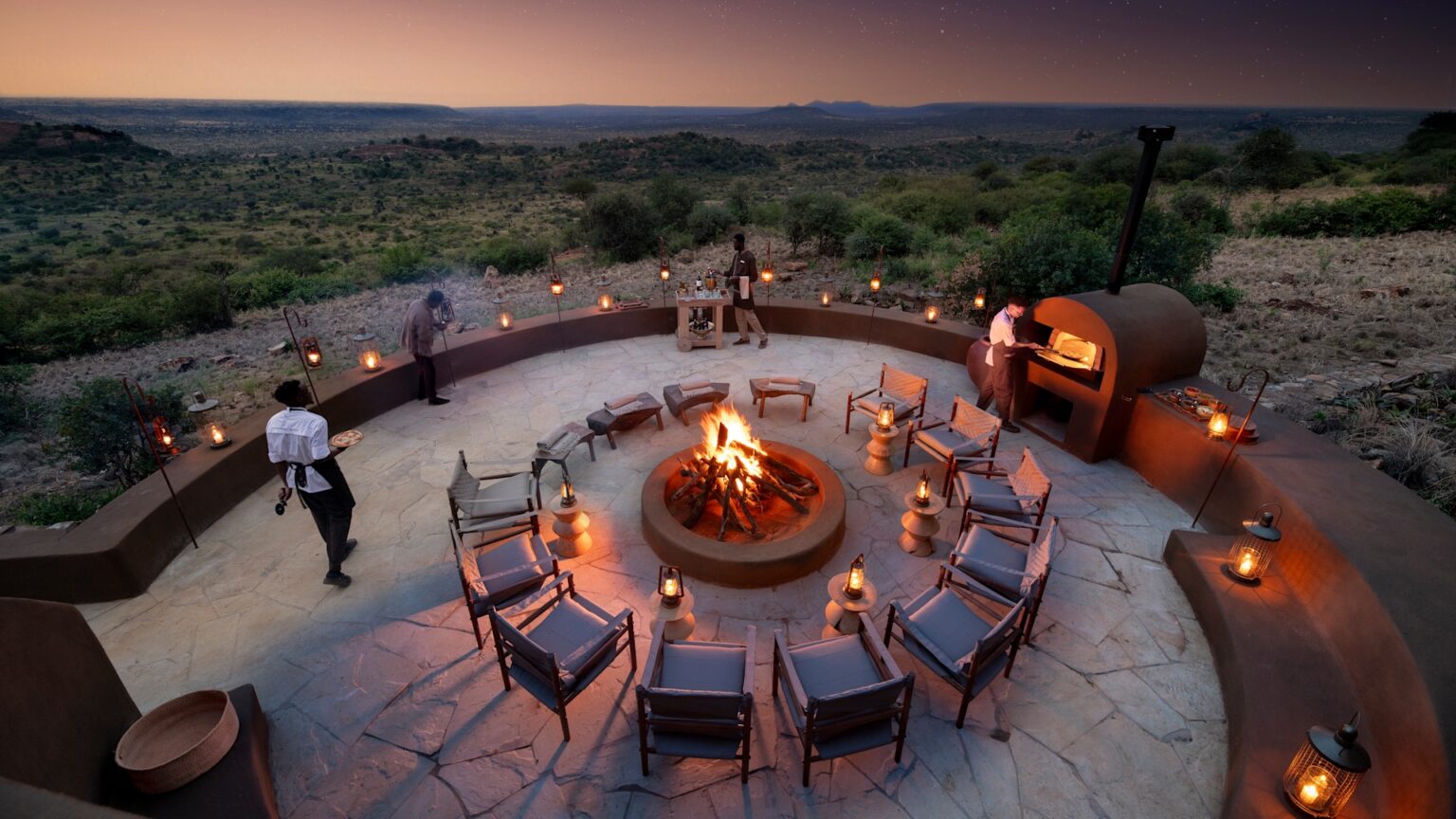
The Laikipia Conservancies comprise a network of privately managed wildlife conservancies that focus on conservation and sustainable tourism. These conservancies offer luxury accommodations, walking safaris, horseback safaris, camel safaris, and excellent opportunities to see endangered species such as black rhinos and African wild dogs.
Best for: Luxury safaris, conservation experiences, and exclusive wildlife encounters.
Final Comparison
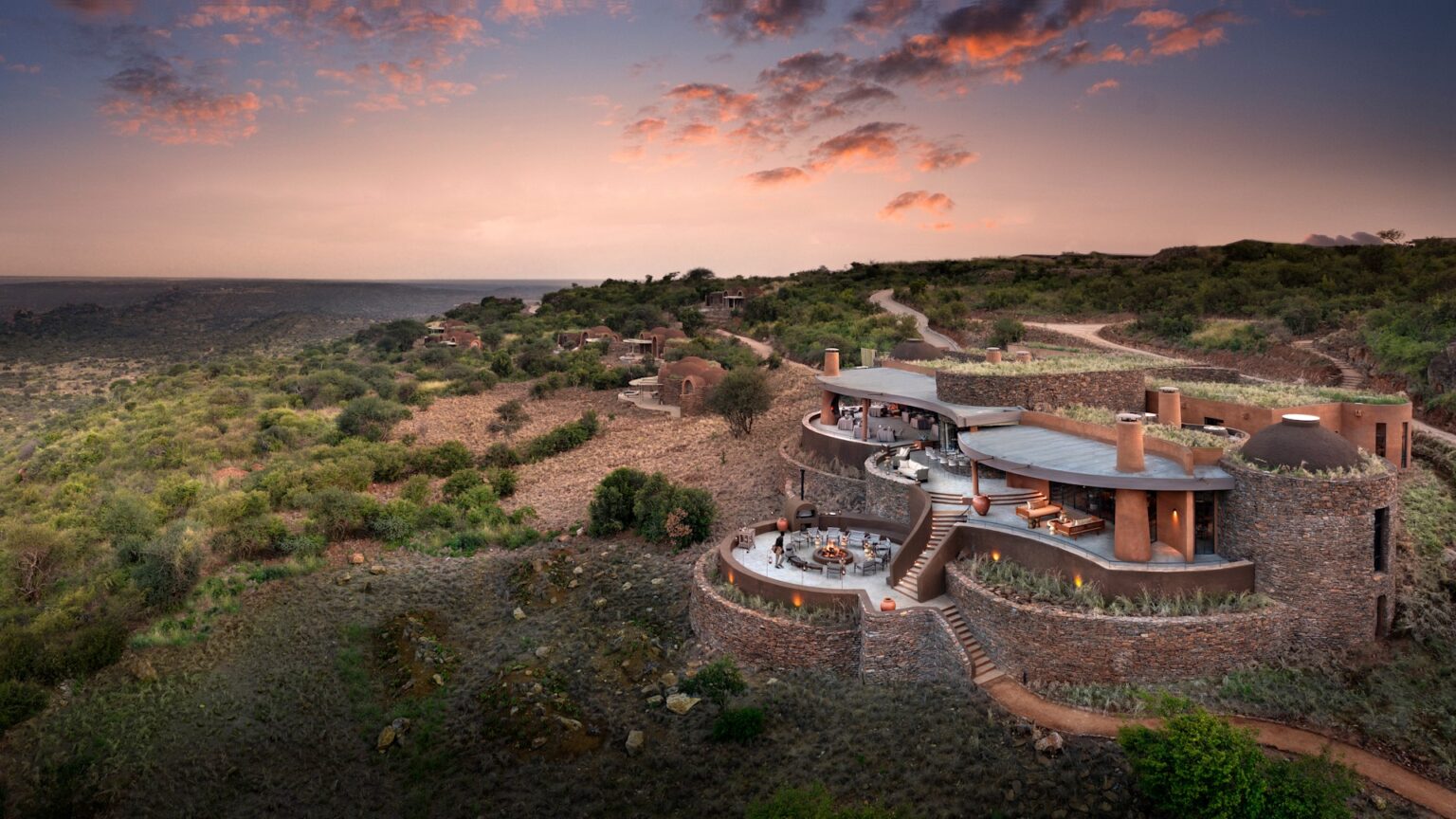
Both Tanzania and Kenya offer some of Africa’s finest national parks and game reserves. However, Tanzania has a clear advantage in terms of park size, ecological diversity, and the variety of safari experiences available. From the endless plains of the Serengeti to the wildlife-rich Ngorongoro Crater, the remote wilderness of Ruaha, and the chimpanzee forests of Mahale, Tanzania provides unmatched diversity for safari enthusiasts.
Kenya, on the other hand, excels in accessibility, private conservancies, and iconic destinations such as the Maasai Mara and Amboseli National Park. Its well-developed tourism infrastructure makes it an excellent choice for travelers with limited time.
Overall, if you’re seeking the most diverse and immersive safari experience, Tanzania stands out as the stronger destination. Nevertheless, Kenya remains one of the world’s premier safari destinations and is an outstanding choice for travelers looking for a classic East African adventure.
Landscape Comparison: Tanzania vs Kenya
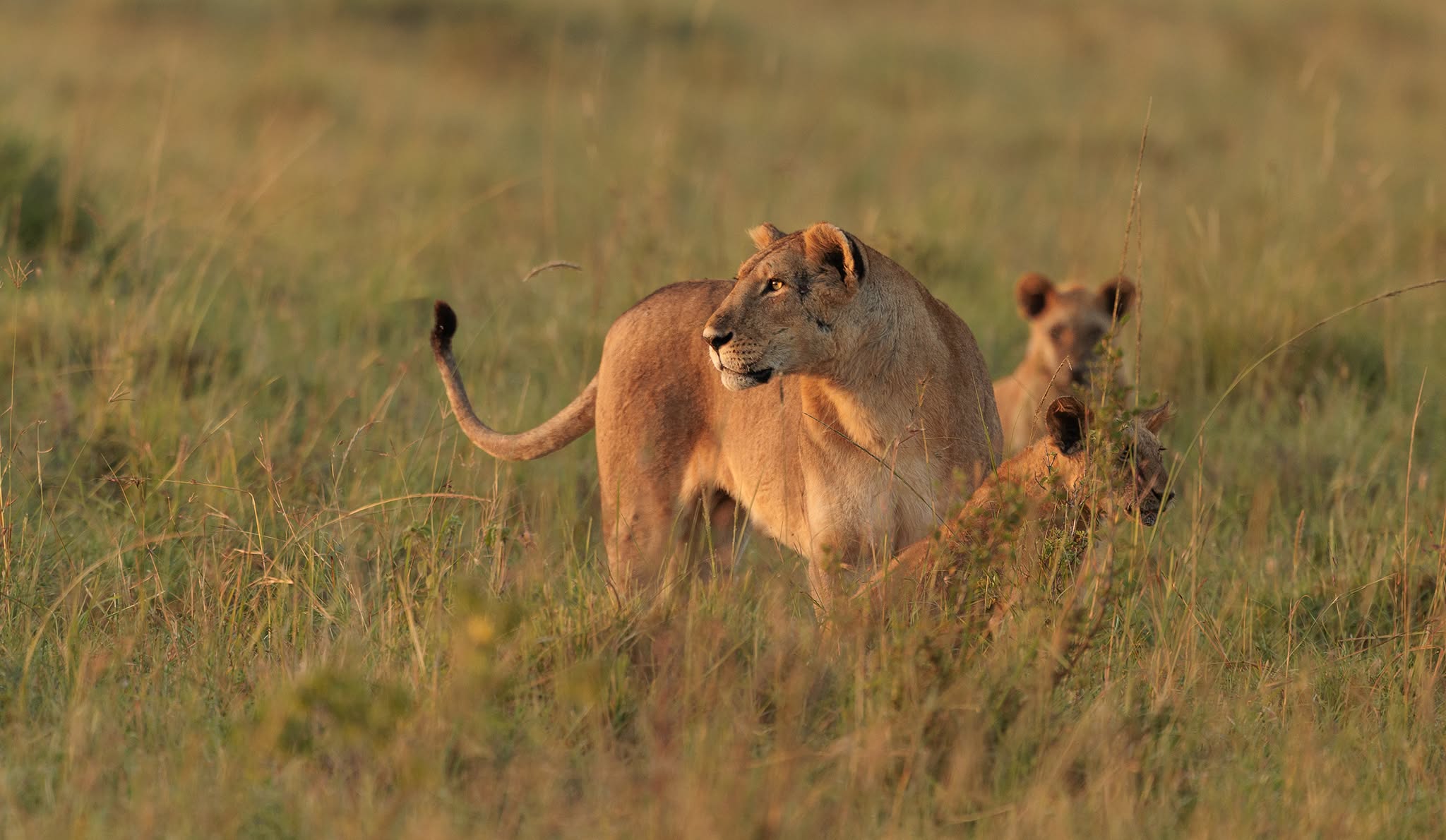
The beauty of an African safari extends far beyond its wildlife. While animals are often the main attraction, the landscapes themselves play an equally important role in creating unforgettable experiences. From endless savannahs and towering mountains to volcanic craters, lush forests, winding rivers, sparkling lakes, and tropical beaches, both Tanzania and Kenya offer remarkable natural beauty.
However, the two countries differ significantly in terms of size, geographical diversity, and scenery. Tanzania is the larger of the two and features a broader range of landscapes, making it an excellent destination for travelers seeking variety. Meanwhile, Kenya is celebrated for its dramatic scenery, rolling hills, and iconic views that have inspired countless wildlife documentaries.
Savannahs
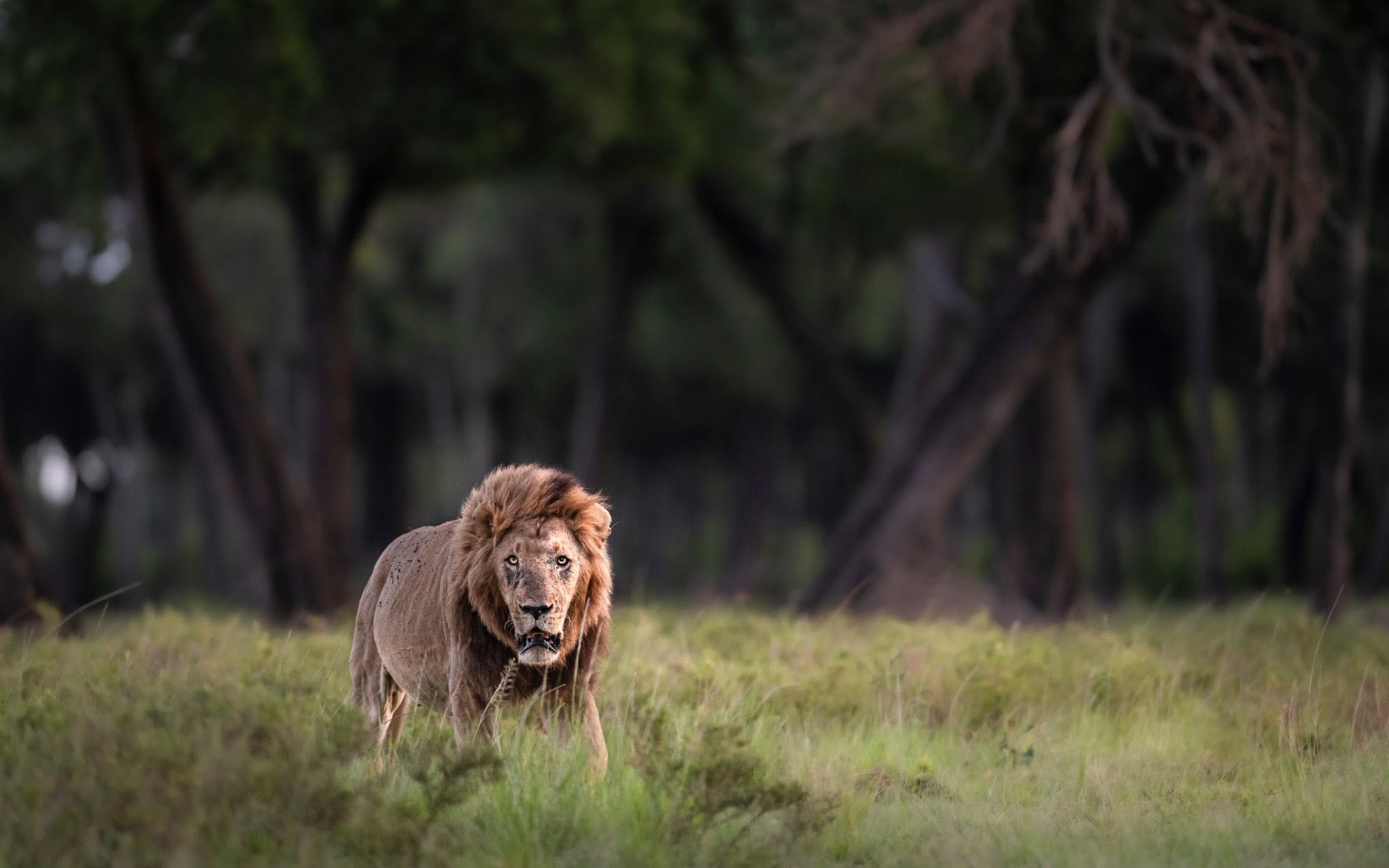
Savannah grasslands are the classic image of an African safari. These vast open plains support millions of grazing animals and provide ideal hunting grounds for Africa’s top predators.
Tanzania
Tanzania is home to some of the largest and most spectacular savannah ecosystems in the world. The endless plains of Serengeti National Park stretch as far as the eye can see, creating one of Africa’s most iconic landscapes. Similar grasslands can also be found in Ruaha National Park, Nyerere National Park, and Tarangire National Park.
Because of these expansive plains, wildlife is easier to spot, and visitors often enjoy panoramic views during game drives.
Kenya
Kenya’s most famous savannah is the Maasai Mara National Reserve, where rolling grasslands provide exceptional wildlife viewing throughout the year. Other parks, including Tsavo East and Amboseli National Park, also feature open plains with diverse wildlife.
Winner: Tanzania, thanks to the vastness of the Serengeti and its larger protected ecosystems.
Mountains
East Africa is home to some of Africa’s most impressive mountains.
Tanzania
Tanzania boasts Mount Kilimanjaro, the highest mountain in Africa at 5,895 meters (19,341 feet). It also features the beautiful Usambara Mountains, the Udzungwa Mountains, and the Mahale Mountains, each offering unique hiking and wildlife experiences.
Kenya
Kenya is home to Mount Kenya, Africa’s second-highest mountain. The country also features the scenic Aberdare Range, known for its waterfalls, forests, and mountain wildlife.
Winner: Tanzania, home to Africa’s highest peak and a wider variety of mountain landscapes.
Lakes
Both countries are blessed with beautiful lakes that support rich biodiversity.
Tanzania
Tanzania borders three of Africa’s Great Lakes—Lake Victoria, Lake Tanganyika, and Lake Nyasa (Lake Malawi). In addition, parks such as Lake Manyara National Park offer spectacular birdlife and scenic beauty.
Kenya
Kenya is famous for the lakes of the Great Rift Valley, including Lake Nakuru, Lake Naivasha, Lake Bogoria, and Lake Elementaita, which attract flamingos and countless other bird species.
Winner: Draw. Tanzania has larger lakes, while Kenya offers greater diversity within the Rift Valley.
Rivers
Rivers are the lifeblood of East Africa’s wildlife ecosystems.
Tanzania
The Mara River, Grumeti River, Rufiji River, and Ruaha River support millions of animals and provide dramatic wildlife encounters. The Rufiji River is especially famous for its boat safaris in Nyerere National Park.
Kenya
Kenya’s Mara River is globally recognized for the dramatic wildebeest river crossings during the Great Migration. Rivers in Amboseli and Tsavo also attract large concentrations of wildlife.
Winner: Tanzania, thanks to its greater variety of major wildlife rivers and unique boat safari opportunities.
Forests
Although East Africa is famous for open grasslands, both countries also protect beautiful forests.
Tanzania
Tanzania features the ancient Mahale Mountains Forest, Gombe National Park, the Eastern Arc Mountains, and the lush forests of Udzungwa National Park. These habitats are home to chimpanzees, monkeys, and numerous endemic bird species.
Kenya
Kenya’s forests include Aberdare National Park, Kakamega Forest, and the Mau Forest Complex. These forests shelter elephants, leopards, rare birds, and unique plant life.
Winner: Tanzania, especially for chimpanzee trekking and biodiversity.
Beaches
One of Tanzania’s greatest advantages is its stunning coastline along the Indian Ocean.
Tanzania
After an exciting safari, travelers can relax on the world-famous beaches of Zanzibar, Pemba Island, and Mafia Island. Crystal-clear waters, white-sand beaches, luxury resorts, coral reefs, and exceptional diving make Tanzania one of Africa’s top beach destinations.
Kenya
Kenya also offers beautiful coastal destinations, including Diani Beach, Watamu, Malindi, and Lamu Island. These beaches are famous for their soft white sand, turquoise waters, and excellent water sports.
Winner: Tanzania, thanks to the global appeal of Zanzibar and its diverse island experiences.
Overall Landscape Comparison
Both Tanzania and Kenya boast extraordinary natural beauty, making either destination an excellent choice for an African safari. However, Tanzania offers greater geographical diversity, larger protected landscapes, and a seamless combination of wildlife, mountains, volcanoes, forests, lakes, rivers, and tropical islands. This variety allows travelers to experience multiple ecosystems within a single itinerary.
Kenya, meanwhile, impresses with its dramatic scenery, rolling savannahs, the iconic Maasai Mara, the majestic Mount Kenya, and the picturesque lakes of the Great Rift Valley. Its landscapes are equally stunning and provide exceptional opportunities for wildlife viewing and photography.
Verdict
If you’re looking for the most diverse landscapes in East Africa, Tanzania takes the lead. Its combination of the endless Serengeti plains, the breathtaking Ngorongoro Crater, Africa’s highest mountain, pristine forests, vast rivers, and the idyllic beaches of Zanzibar creates an unmatched travel experience. Nevertheless, Kenya remains a spectacular destination for travelers seeking classic African scenery and unforgettable safari adventures.
Big Five Safari Comparison: Tanzania vs Kenya
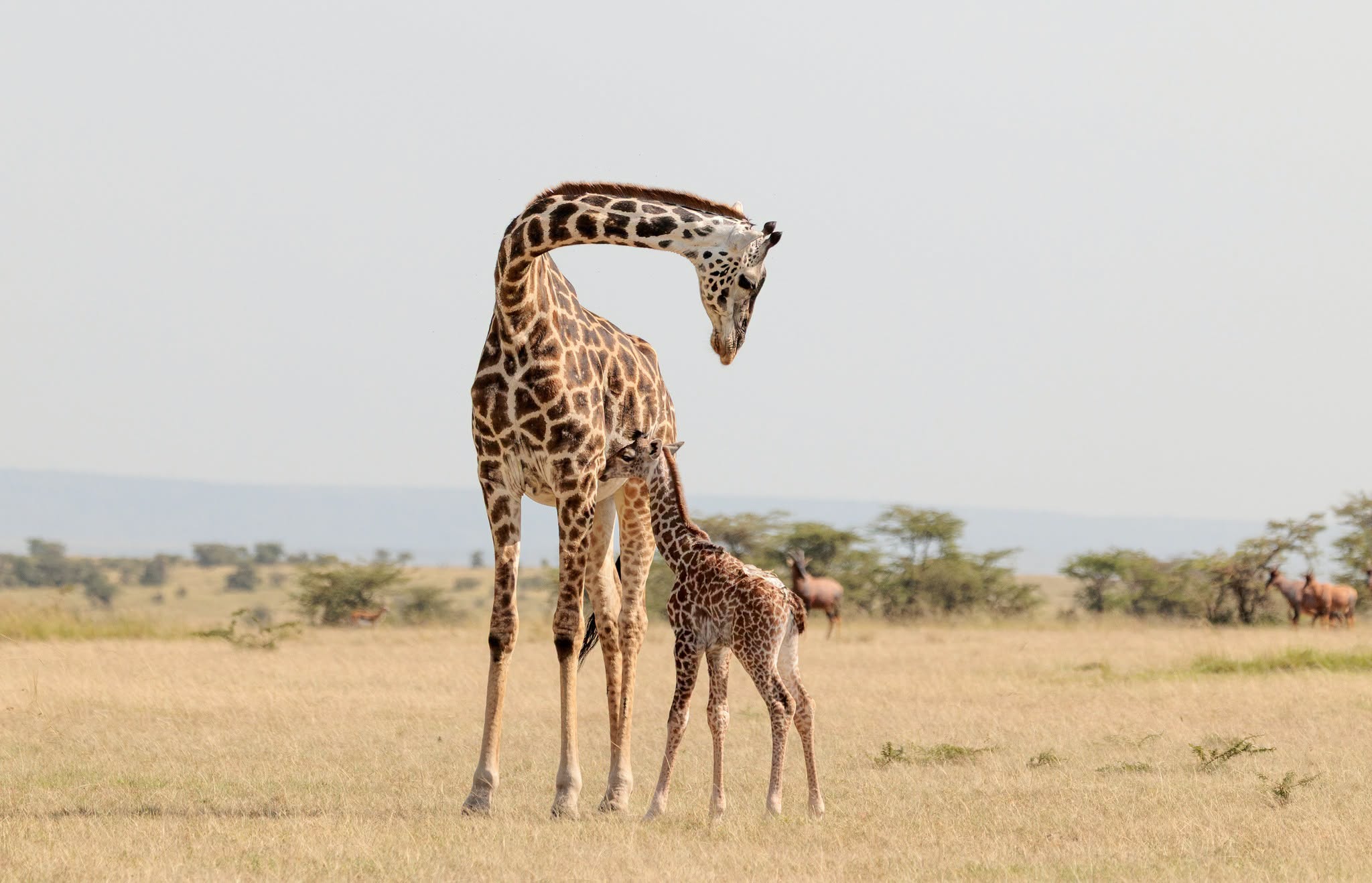
For many travelers, seeing the Big Five is the ultimate goal of an African safari. The term “Big Five” refers to the lion, leopard, African elephant, black rhinoceros, and African buffalo. Originally coined by big-game hunters to describe the five most difficult animals to hunt on foot, today the term represents the most sought-after wildlife sightings for safari enthusiasts and photographers.
Both Tanzania and Kenya offer excellent opportunities to see the Big Five. However, the quality of the experience varies depending on the destination, wildlife density, and the type of safari you choose. While Tanzania is known for its vast protected areas and abundant wildlife, Kenya is celebrated for its iconic game reserves and successful conservation programs.
Let’s compare each member of the Big Five.
Lion
The African lion is one of the most iconic symbols of the safari experience. Watching a pride resting beneath an acacia tree or witnessing a hunt at sunrise is an unforgettable moment for any visitor.
Tanzania
Tanzania is home to one of the largest lion populations in Africa, with an estimated 15,000 to 16,000 lions. The Serengeti National Park, Ngorongoro Conservation Area, Ruaha National Park, Nyerere National Park, and Tarangire National Park all provide exceptional lion sightings throughout the year.
The Serengeti is particularly famous for its large prides and frequent predator activity during the Great Wildebeest Migration, making it one of the best places on Earth to observe lions in their natural environment.
Kenya
Kenya also offers outstanding lion sightings, particularly in the Maasai Mara National Reserve, Amboseli National Park, and the Laikipia Conservancies. The Maasai Mara has gained worldwide recognition through wildlife documentaries featuring its famous lion prides.
Verdict
Winner: Tanzania
Thanks to its larger protected areas, higher lion population, and year-round predator activity, Tanzania provides a more consistent lion-viewing experience.
Leopard
Leopards are among Africa’s most elusive predators. Their secretive behavior makes every sighting especially rewarding.
Tanzania
Leopards are regularly spotted in Serengeti National Park, Ruaha National Park, Tarangire National Park, and Nyerere National Park. Experienced guides often know the best territories where these magnificent cats rest in acacia trees during the day.
Kenya
The Maasai Mara is one of the best places in Africa to see leopards, especially along the Talek and Mara Rivers. Leopards are also found in Samburu and several private conservancies.
Verdict
Winner: Draw
Both countries offer excellent leopard sightings, especially when guided by experienced safari guides.
Elephant
African elephants are the largest land mammals on Earth and are among the most beloved safari animals.
Tanzania
Tanzania has one of Africa’s largest elephant populations. Tarangire National Park is especially famous for its massive herds, while Nyerere National Park and Ruaha National Park also support thousands of elephants.
During the dry season, visitors often witness hundreds of elephants gathering around rivers and waterholes.
Kenya
Kenya’s Amboseli National Park is world-famous for its elephants, many of which have enormous tusks. The breathtaking backdrop of Mount Kilimanjaro makes Amboseli one of the most photographed elephant destinations in Africa.
Verdict
Winner: Tanzania
Although Amboseli offers iconic scenery, Tanzania provides larger elephant populations across multiple national parks.
Rhino
Rhinos are the rarest members of the Big Five and are often the most challenging animals to find during a safari.
Tanzania
The best place to see black rhinos in Tanzania is the Ngorongoro Crater, where a carefully protected population continues to thrive. Smaller populations can also be found in selected conservation areas.
Kenya
Kenya has invested heavily in rhino conservation and is one of Africa’s leading destinations for rhino viewing. Lake Nakuru National Park, Ol Pejeta Conservancy, and Tsavo West National Park offer excellent opportunities to see both black and white rhinos.
Verdict
Winner: Kenya
Kenya has larger protected rhino populations and offers a higher probability of successful rhino sightings.
African Buffalo
African buffalo are among the most common members of the Big Five, yet they remain one of Africa’s most powerful and unpredictable animals.
Tanzania
Large buffalo herds roam across Serengeti National Park, Ngorongoro Crater, Katavi National Park, Ruaha National Park, and Nyerere National Park. In Katavi, visitors can sometimes observe herds numbering in the thousands.
Kenya
Buffaloes are commonly seen in Maasai Mara, Amboseli, Tsavo, and Lake Nakuru National Park.
Verdict
Winner: Tanzania
The country’s larger wilderness areas support enormous buffalo populations, especially in Katavi and Nyerere.
Which Country Is Better for the Big Five?
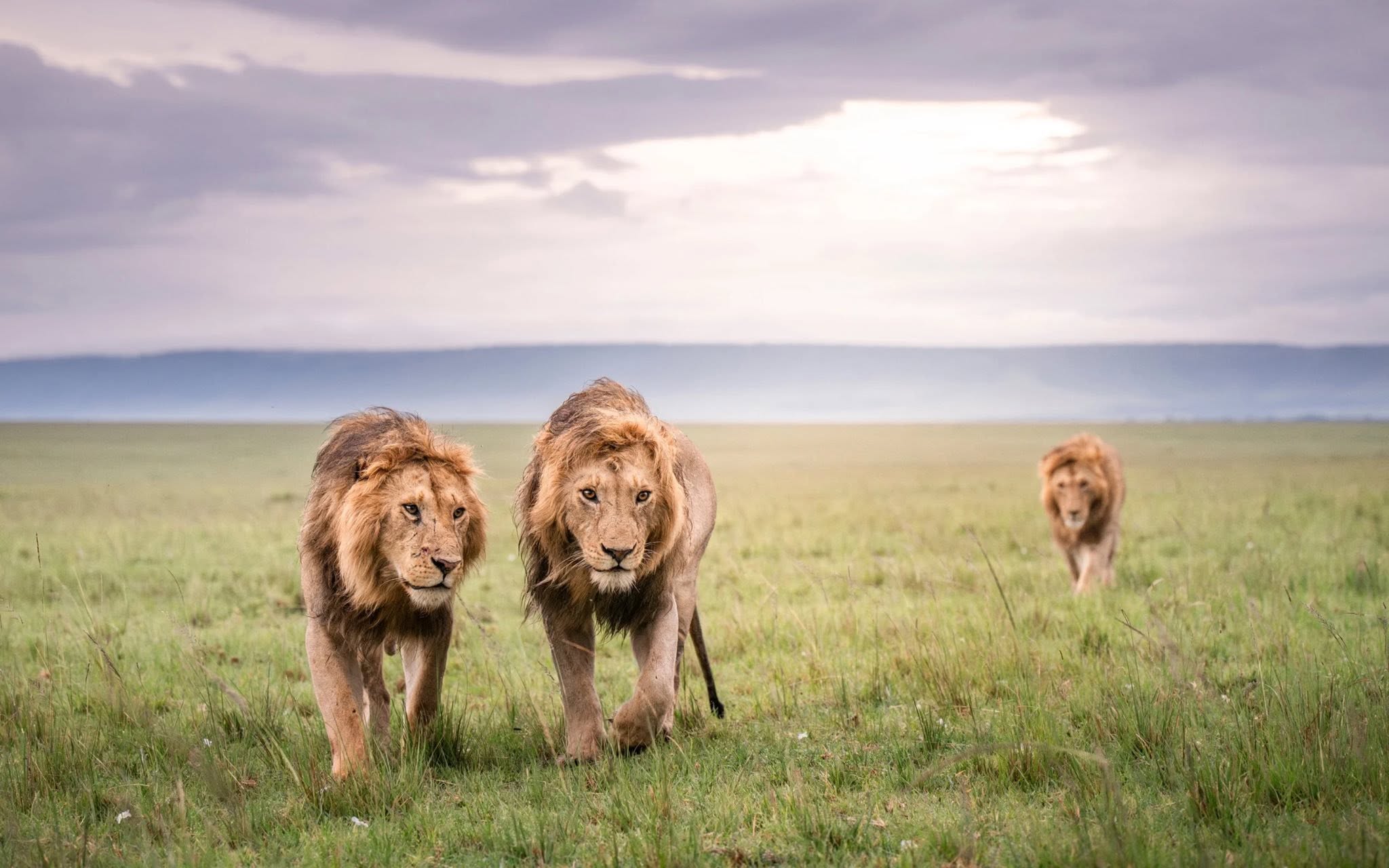
Both Tanzania and Kenya offer exceptional Big Five safaris. However, Tanzania has a slight overall advantage due to its larger national parks, greater wildlife densities, and wider variety of safari destinations. Visitors can enjoy outstanding sightings of lions, elephants, buffaloes, and leopards while exploring iconic parks such as the Serengeti, Ngorongoro Crater, Tarangire, Ruaha, and Nyerere.
Kenya, on the other hand, stands out for rhino conservation and offers some of Africa’s best opportunities to observe both black and white rhinos. The Maasai Mara also delivers exceptional Big Five sightings, making Kenya an outstanding safari destination in its own right.
Big Five Comparison Summary
| Big Five Animal | Tanzania | Kenya | Winner |
|---|---|---|---|
| Lion | ⭐⭐⭐⭐⭐ | ⭐⭐⭐⭐☆ | Tanzania |
| Leopard | ⭐⭐⭐⭐⭐ | ⭐⭐⭐⭐⭐ | Draw |
| Elephant | ⭐⭐⭐⭐⭐ | ⭐⭐⭐⭐☆ | Tanzania |
| Rhino | ⭐⭐⭐⭐☆ | ⭐⭐⭐⭐⭐ | Kenya |
| Buffalo | ⭐⭐⭐⭐⭐ | ⭐⭐⭐⭐☆ | Tanzania |
Final Verdict
If your primary goal is to enjoy the ultimate Big Five safari, Tanzania is the stronger overall destination. Its vast wilderness, exceptional wildlife populations, and world-famous parks create one of the finest safari experiences anywhere in Africa.
Nevertheless, Kenya remains an excellent choice, particularly for travelers hoping to maximize their chances of seeing rhinos or those planning a shorter safari centered around the iconic Maasai Mara. For the most comprehensive wildlife adventure, many travelers choose to combine both countries into a single East African safari, experiencing the very best that Tanzania and Kenya have to offer.
Luxury Safari Experience: Tanzania vs Kenya
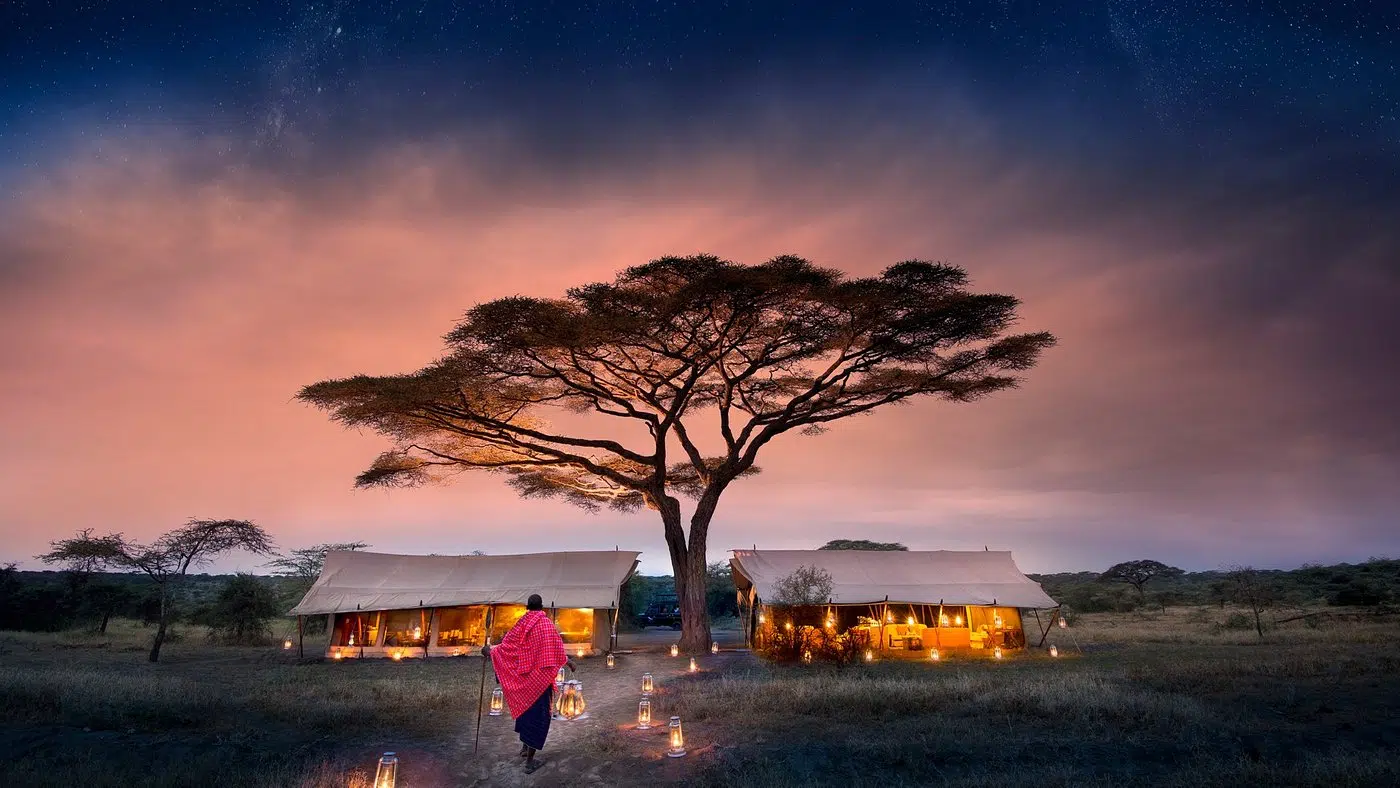
An African safari has evolved far beyond traditional game drives. Today, luxury travelers expect exceptional wildlife encounters combined with world-class accommodations, personalized service, fine dining, and exclusive experiences. Both Tanzania and Kenya deliver outstanding luxury safaris, attracting honeymooners, families, photographers, and discerning travelers from around the world. However, while both destinations offer five-star experiences, they differ in terms of exclusivity, privacy, and the variety of luxury options available. Tanzania is widely recognized for its vast wilderness, ultra-luxury lodges, and seamless safari-and-beach combinations, whereas Kenya is renowned for its elegant conservancies and classic safari hospitality.
Luxury Lodges
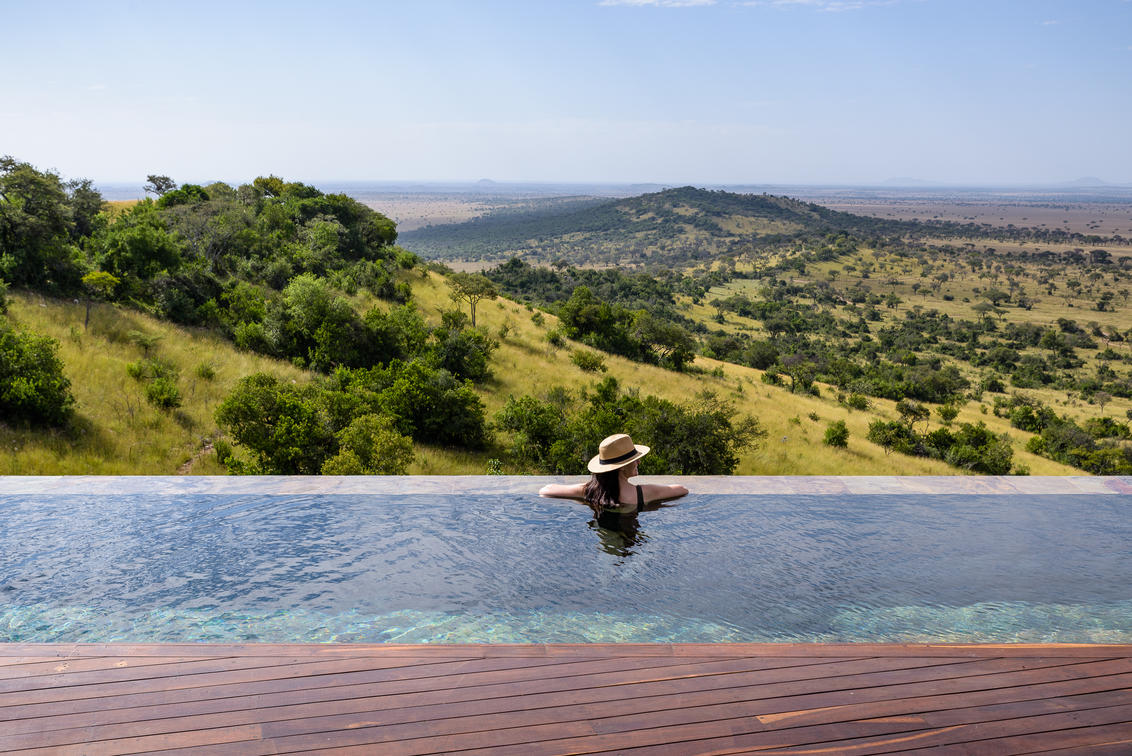
Luxury safari lodges represent the highest standard of accommodation in the African wilderness. In Tanzania, these lodges are strategically located in iconic destinations such as Serengeti National Park, the Ngorongoro Conservation Area, Tarangire National Park, and Nyerere National Park. Guests can enjoy spacious suites, infinity pools overlooking the savannah, private decks, gourmet cuisine, wellness spas, and personalized butler service, all while surrounded by spectacular wildlife. Kenya also boasts an impressive collection of luxury lodges, particularly in the Maasai Mara, Amboseli, and Laikipia Conservancies. Although the quality of service is exceptional in both countries, Tanzania offers a greater selection of ultra-luxury properties situated in larger and more secluded wilderness areas, making it the preferred destination for travelers seeking complete privacy and exclusivity.
Luxury Tented Camps
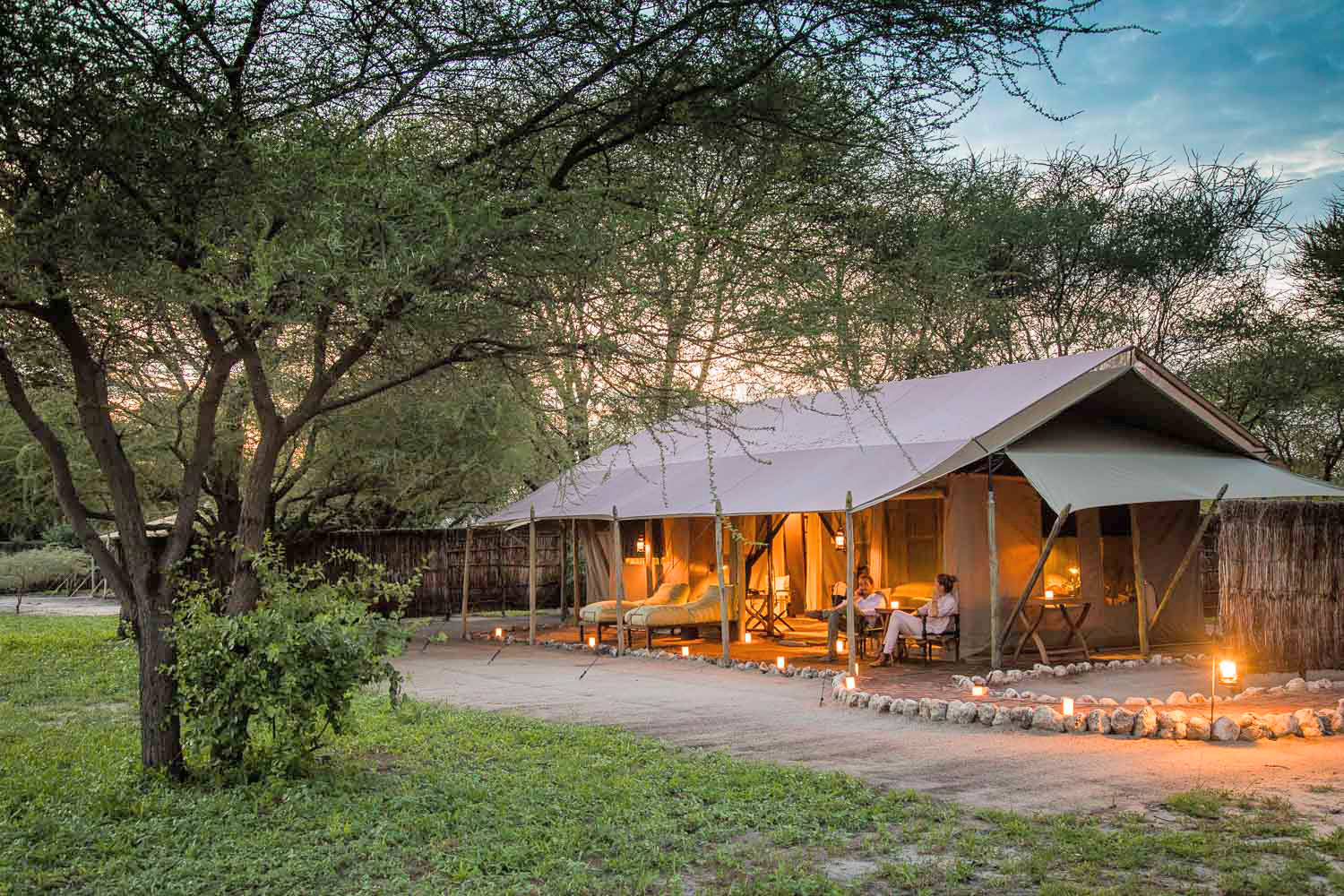
Luxury tented camps offer one of the most authentic ways to experience Africa without sacrificing comfort. Unlike traditional camping, these elegant accommodations feature spacious bedrooms, en-suite bathrooms, king-size beds, private verandas, and first-class hospitality. Tanzania is especially famous for its luxury tented camps, many of which move seasonally to follow the Great Wildebeest Migration across the Serengeti. This allows guests to stay close to the action while enjoying premium comfort in the heart of the wilderness. Kenya also offers exceptional luxury camps throughout the Maasai Mara and private conservancies, combining traditional safari charm with modern luxury. Nevertheless, Tanzania’s mobile migration camps and exclusive wilderness settings provide a more immersive and unique safari experience.
Private Villas
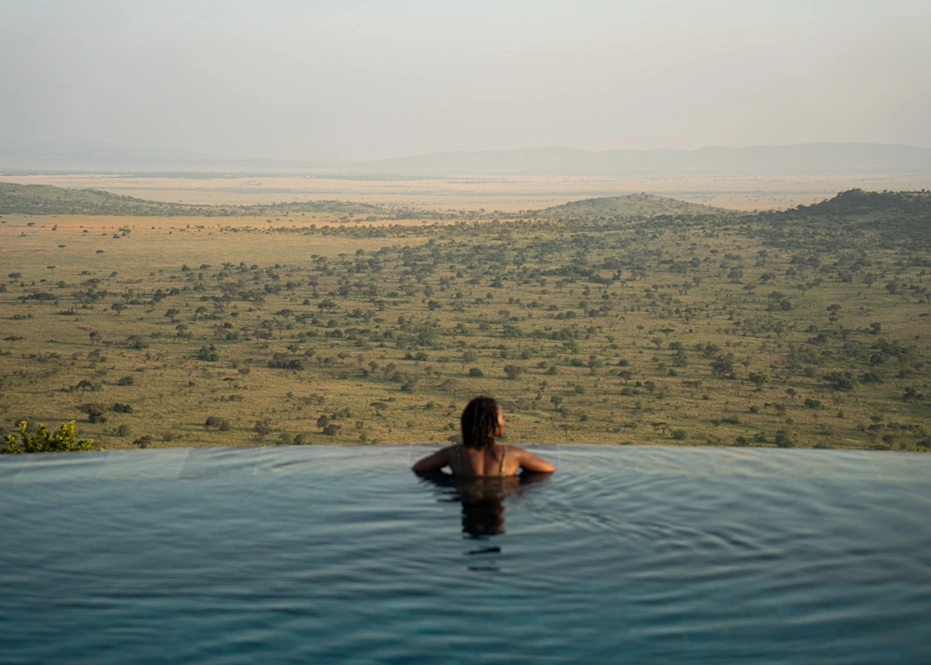
For travelers who value complete privacy and personalized service, private safari villas provide the ultimate luxury experience. In Tanzania, these exclusive villas are ideal for families, honeymooners, and small groups seeking a tailor-made safari. Many feature private swimming pools, dedicated chefs, personal butlers, exclusive safari vehicles, and professional guides who customize every aspect of the journey according to guests’ preferences. Kenya also offers beautiful private villas within its luxury conservancies and safari lodges, providing excellent service and intimate wildlife experiences. However, Tanzania offers a broader range of high-end private-use accommodations, making it the stronger choice for travelers seeking absolute exclusivity.
Fly-in Safaris
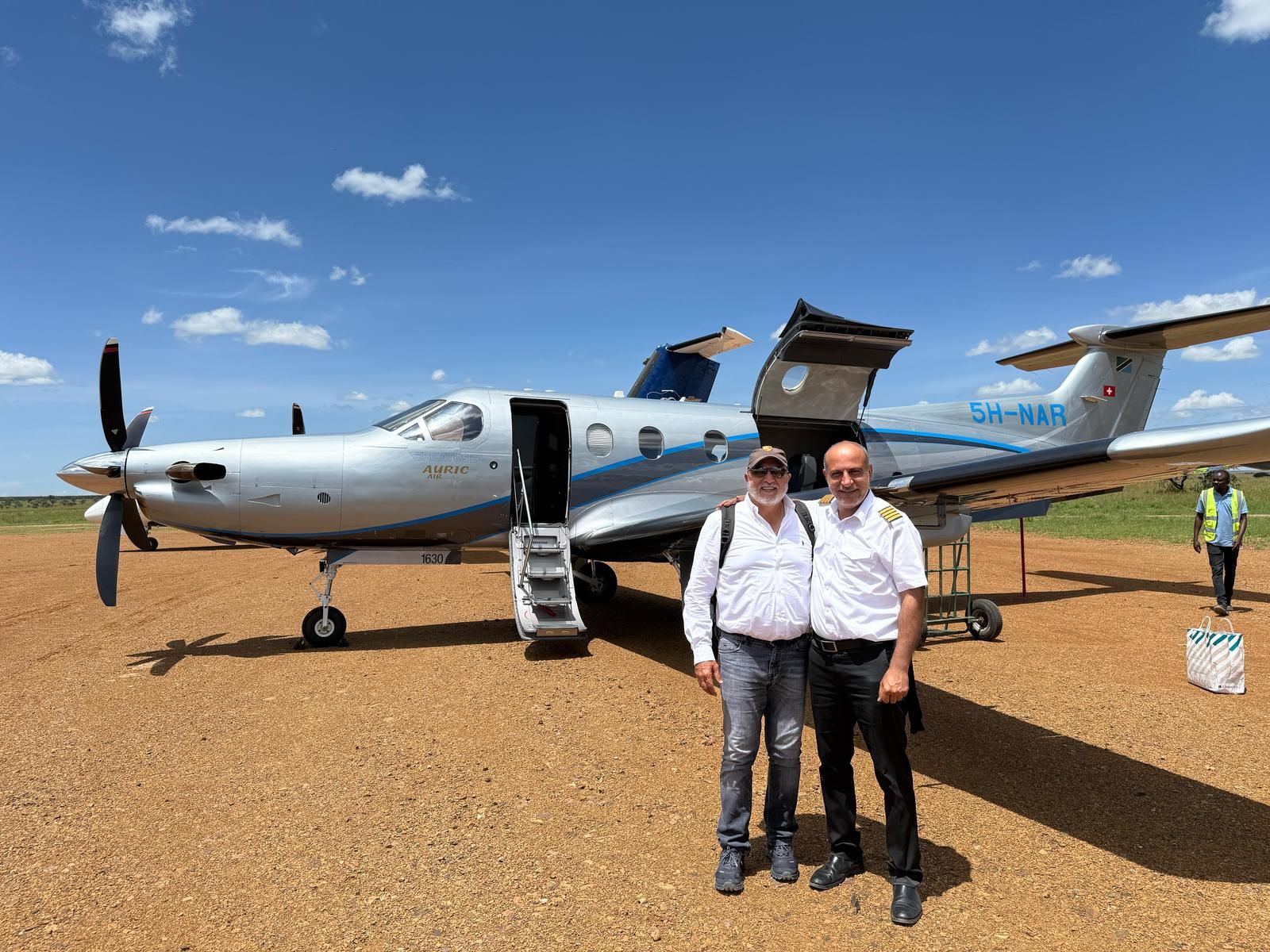
Fly-in safaris have become increasingly popular among luxury travelers because they maximize time in the bush while minimizing long road transfers. In Tanzania, scheduled and private charter flights connect destinations such as Serengeti National Park, Ngorongoro, Tarangire, Ruaha, Nyerere, and Zanzibar, allowing visitors to explore multiple regions with ease. Kenya has an equally efficient network of domestic flights connecting Nairobi with the Maasai Mara, Amboseli, Samburu, and Laikipia Conservancies. As a result, both countries offer convenient and luxurious air travel. Tanzania, however, provides the added advantage of easily combining a world-class safari with a luxury beach holiday on Zanzibar, creating a seamless multi-destination itinerary.
Private Game Drives
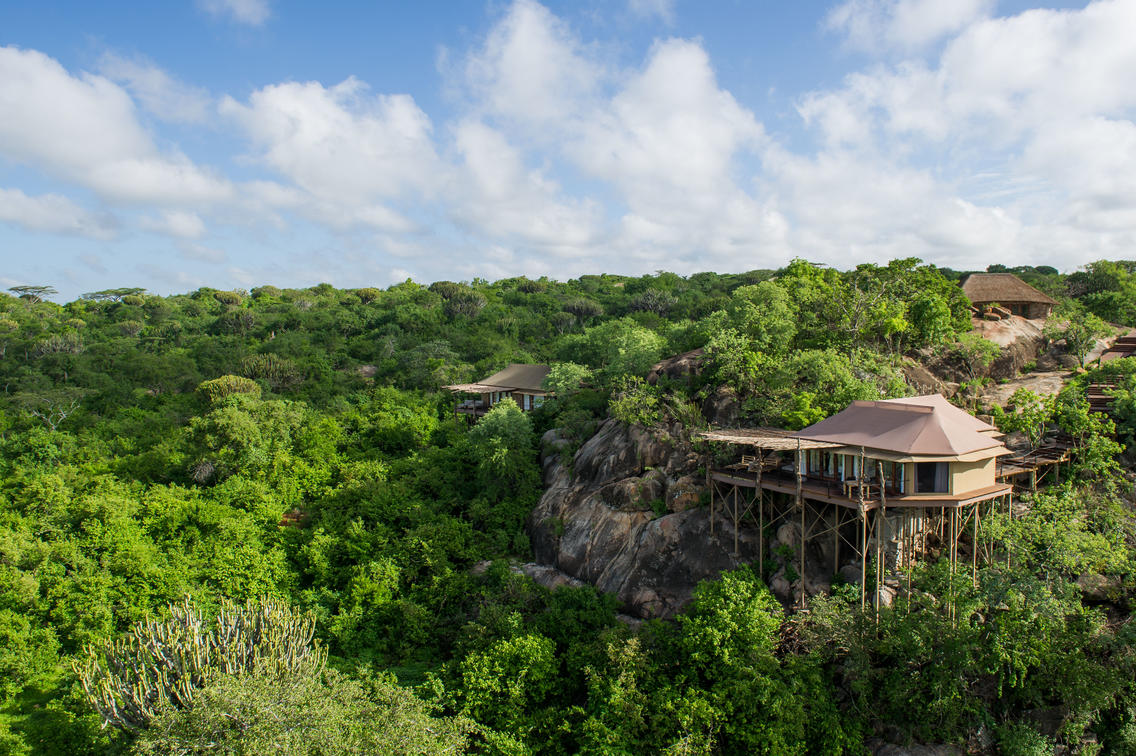
Private game drives allow guests to explore the wilderness at their own pace with a dedicated safari vehicle and professional guide. Rather than following a fixed schedule, travelers can spend more time observing wildlife, photographing special moments, or adjusting their itinerary according to personal interests. Throughout Tanzania, private game drives are a standard feature of many luxury safari packages, particularly in Serengeti, Tarangire, Ruaha, and Nyerere National Park. Kenya also offers outstanding private game drives, especially within private conservancies where exclusive access often allows off-road driving and night safaris. Even so, Tanzania’s larger protected areas and lower visitor numbers create a quieter and more intimate game-viewing experience.
VIP Experiences
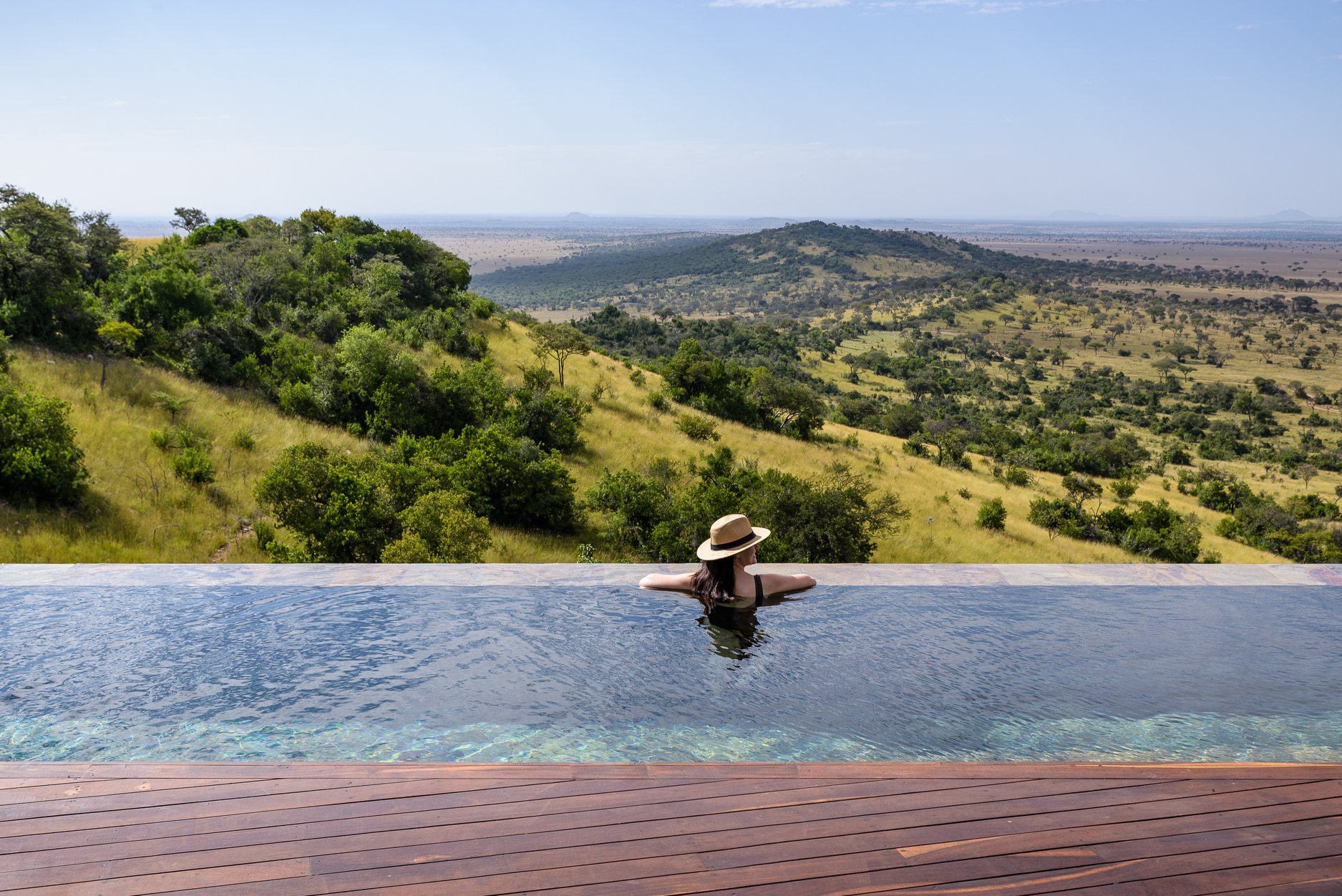
Luxury safaris are defined not only by exceptional accommodation but also by unforgettable experiences that go beyond traditional game drives. Tanzania offers a remarkable collection of VIP activities, including sunrise hot-air balloon safaris over the Serengeti, champagne bush breakfasts, private bush dinners beneath the stars, scenic helicopter flights, guided walking safaris, cultural visits to Maasai communities, luxury yacht excursions in Zanzibar, and exclusive-use safari camps. Kenya provides equally memorable experiences, such as hot-air balloon safaris above the Maasai Mara, horseback safaris, camel trekking, cultural encounters with the Maasai and Samburu communities, and luxury wellness retreats. However, Tanzania’s ability to combine exclusive wildlife experiences with world-famous tropical islands gives it a unique advantage for luxury travelers.
Final Verdict
Both Tanzania and Kenya rank among the world’s leading luxury safari destinations, offering exceptional hospitality, breathtaking wildlife, and unforgettable experiences. However, Tanzania consistently stands out for its expansive wilderness, lower visitor density, greater variety of ultra-luxury accommodations, and the opportunity to combine a safari with a relaxing beach escape in Zanzibar. These advantages create a more exclusive and immersive journey, particularly for honeymooners, photographers, and travelers seeking the highest level of comfort and privacy.
Kenya remains an outstanding choice for visitors who value its iconic Maasai Mara, renowned conservancies, and rich cultural experiences. Nevertheless, if you’re looking for the ultimate luxury African safari, Tanzania offers the more complete and rewarding experience.
Accommodation Comparison: Tanzania vs Kenya
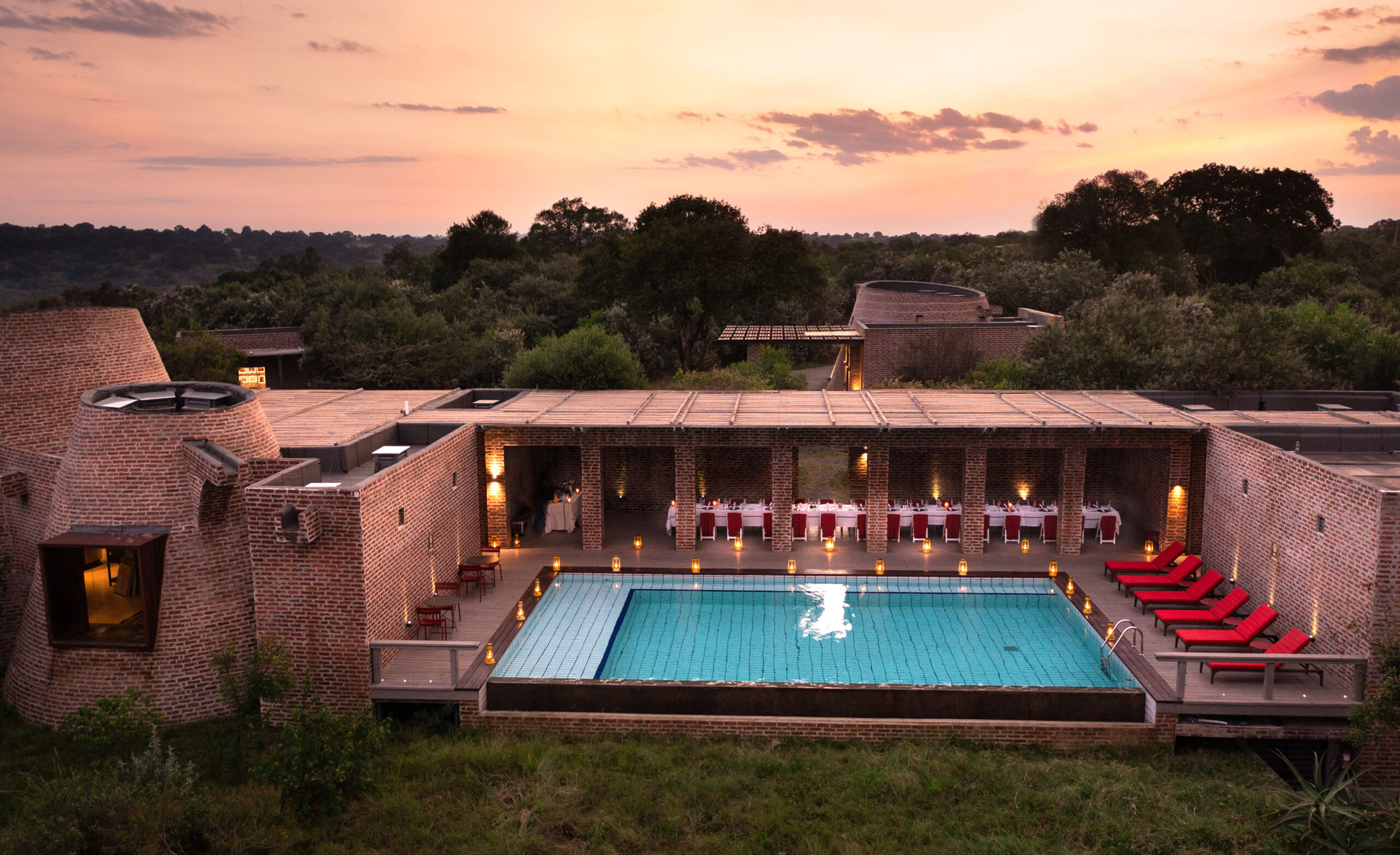
Choosing the right accommodation is one of the most important parts of planning an African safari. The quality of your lodge or camp can significantly influence your overall experience, from wildlife viewing and comfort to service, privacy, and dining. Fortunately, both Tanzania and Kenya offer an impressive range of accommodations that cater to every type of traveler, whether you’re planning a budget-friendly adventure, a family vacation, a romantic honeymoon, or an ultra-luxury safari.
While both countries provide excellent hospitality, Tanzania stands out for its wider selection of luxury and ultra-luxury properties located in vast, less crowded wilderness areas. Kenya, on the other hand, offers outstanding accommodations with easy access to its famous national parks and private conservancies, making it an excellent choice for shorter safari itineraries.
Budget Lodges
Budget lodges provide comfortable accommodation at affordable prices, making African safaris accessible to travelers who want to experience incredible wildlife without spending excessively. In Tanzania, budget lodges are available near popular destinations such as Serengeti National Park, Tarangire National Park, Lake Manyara National Park, and the Ngorongoro Conservation Area. Although these lodges offer simpler facilities than luxury properties, they typically include clean rooms, private bathrooms, restaurant services, and guided safari activities. Kenya also has an excellent selection of budget lodges around the Maasai Mara, Amboseli, Lake Nakuru, and Tsavo National Parks. Overall, both countries provide good value for money, but Kenya generally offers slightly more budget-friendly accommodation options due to its well-established tourism infrastructure.
Mid-Range Lodges
Mid-range lodges are ideal for travelers seeking a balance between affordability and comfort. In Tanzania, these lodges often feature spacious rooms, swimming pools, beautiful gardens, quality restaurants, and excellent service while remaining close to major wildlife areas. Many are located in Karatu, Serengeti, Tarangire, and the Ngorongoro Highlands, making them perfect for multi-park safaris. Kenya also offers an impressive collection of mid-range safari lodges throughout the Maasai Mara, Amboseli, Samburu, and Laikipia. Both countries provide excellent mid-range accommodation, although Tanzania often offers larger properties with more spectacular natural surroundings.
Luxury Lodges
Luxury lodges deliver exceptional comfort, elegant design, personalized service, and unforgettable views of Africa’s wilderness. In Tanzania, luxury lodges are found in iconic destinations such as the Serengeti, Ngorongoro Crater, Tarangire, Ruaha, and Nyerere National Park. Guests enjoy spacious suites, infinity pools, gourmet dining, spa facilities, private decks, and premium safari experiences. Kenya also features outstanding luxury lodges, particularly within the Maasai Mara, Amboseli, and Laikipia Conservancies. However, Tanzania’s larger selection of internationally acclaimed luxury properties and more secluded locations make it the stronger choice for travelers seeking exclusivity.
Ultra-Luxury Camps
Ultra-luxury safari camps represent the highest level of accommodation available in Africa. These exclusive properties combine the adventure of staying in the wilderness with five-star comfort and highly personalized service. In Tanzania, many ultra-luxury camps are located in the Serengeti and even move seasonally to follow the Great Wildebeest Migration. Guests enjoy beautifully designed tented suites, private plunge pools, personal butlers, fine dining, and private game drives. Kenya also offers exceptional ultra-luxury camps, particularly in the Maasai Mara and private conservancies, where privacy and personalized experiences are a priority. Nevertheless, Tanzania’s extensive wilderness and world-famous mobile migration camps give it a clear advantage in this category.
Family Lodges
Traveling with children requires accommodations that combine comfort, safety, and family-friendly facilities. Tanzania offers a growing number of lodges designed specifically for families, featuring spacious family suites, interconnecting rooms, child-friendly dining options, swimming pools, educational wildlife activities, and flexible safari schedules. Many lodges also provide private vehicles, allowing families to enjoy personalized game drives at their own pace. Kenya is equally well known for family safaris, especially in private conservancies where children can participate in nature walks, cultural experiences, and junior ranger programs. Both countries provide excellent options for family travel, making this category largely equal.
Honeymoon Lodges
Few experiences are more romantic than celebrating a honeymoon in the African wilderness. Tanzania has earned an outstanding reputation as one of the world’s premier honeymoon destinations by combining luxury safari experiences with the white-sand beaches of Zanzibar. Couples can enjoy private villas, candlelit bush dinners, champagne breakfasts, spa treatments, outdoor bathtubs overlooking the savannah, and breathtaking sunsets before relaxing on tropical islands after their safari. Kenya also offers exceptional honeymoon lodges, particularly within the Maasai Mara and along the beautiful coastline at Diani Beach and Lamu Island. However, Tanzania’s seamless combination of world-class safari destinations and the idyllic Zanzibar Archipelago makes it the preferred choice for honeymooners seeking both adventure and romance.
Final Verdict
Both Tanzania and Kenya offer excellent accommodation across every price range, from comfortable budget lodges to some of the most luxurious safari properties in the world. Kenya excels in affordability, accessibility, and family-friendly conservancies, making it an attractive destination for a wide variety of travelers.
However, Tanzania consistently leads in luxury, exclusivity, and diversity of accommodation. Its exceptional collection of luxury lodges, ultra-luxury tented camps, private villas, and romantic honeymoon retreats—combined with the opportunity to extend your journey to Zanzibar—creates one of the finest safari experiences anywhere in Africa.
Accommodation Comparison Summary
| Accommodation Type | Tanzania | Kenya | Winner |
|---|---|---|---|
| Budget Lodges | ⭐⭐⭐⭐☆ | ⭐⭐⭐⭐⭐ | Kenya |
| Mid-Range Lodges | ⭐⭐⭐⭐⭐ | ⭐⭐⭐⭐☆ | Tanzania |
| Luxury Lodges | ⭐⭐⭐⭐⭐ | ⭐⭐⭐⭐☆ | Tanzania |
| Ultra-Luxury Camps | ⭐⭐⭐⭐⭐ | ⭐⭐⭐⭐☆ | Tanzania |
| Family Lodges | ⭐⭐⭐⭐⭐ | ⭐⭐⭐⭐⭐ | Draw |
| Honeymoon Lodges | ⭐⭐⭐⭐⭐ | ⭐⭐⭐⭐☆ | Tanzania |
Overall Winner: Tanzania
For travelers seeking the most diverse, luxurious, and memorable safari accommodation, Tanzania offers the stronger overall experience, particularly for luxury travelers, honeymooners, and those looking to combine an unforgettable safari with a relaxing beach escape in Zanzibar.
Safari Costs: Tanzania vs Kenya
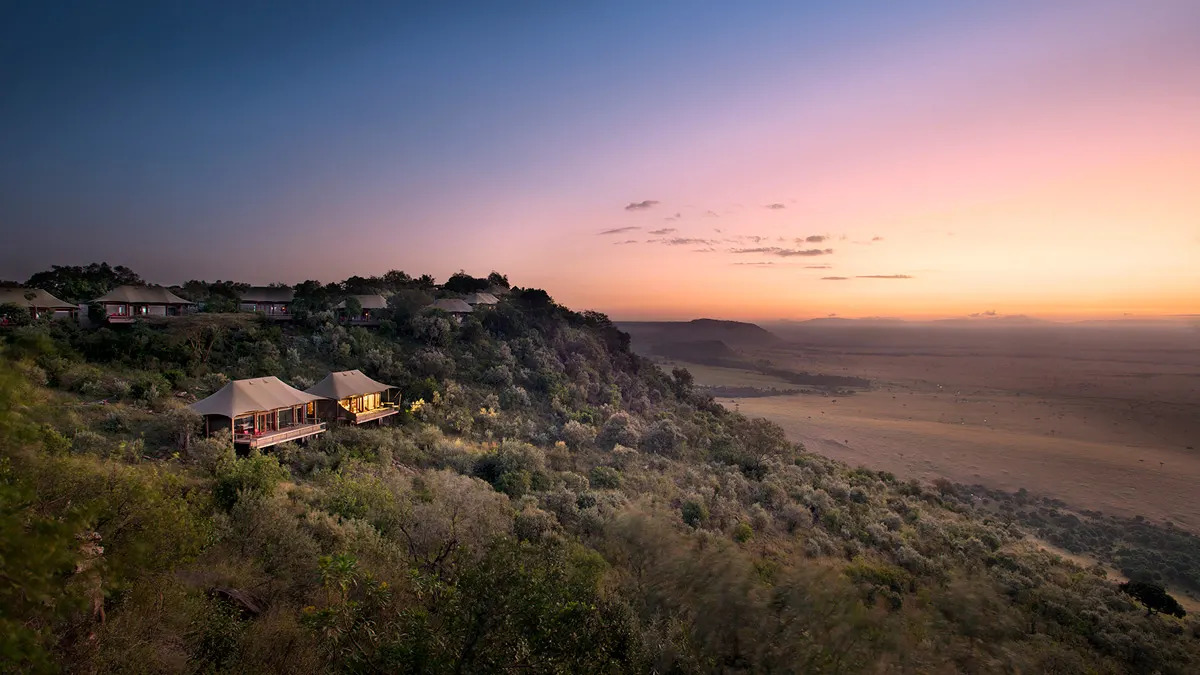
One of the most important factors when planning an African safari is understanding the overall cost. Safari prices vary depending on several factors, including the destination, travel season, accommodation standard, number of travel days, transportation, and the activities included in the itinerary. Both Tanzania and Kenya offer safari experiences for different budgets, from affordable adventures to ultra-luxury journeys.
In general, Kenya tends to be slightly more affordable for budget travelers, thanks to its extensive tourism infrastructure and shorter travel distances. Tanzania, however, provides greater value for luxury travelers, offering larger national parks, more exclusive accommodations, and a more immersive safari experience. Although a Tanzanian safari may cost more, many travelers consider it a worthwhile investment because of the exceptional wildlife, privacy, and overall quality of the experience.
Budget Safari Prices
Budget safaris are perfect for travelers who want to experience Africa’s incredible wildlife while keeping costs under control. These safaris usually include budget lodges or permanent camps, shared game drives, and standard safari vehicles. Meals, park entry fees, and guide services are often included, although luxury amenities are limited. In Tanzania, budget safaris generally cost between USD 250 and USD 400 per person per day, depending on the season and itinerary. In Kenya, similar experiences typically range from USD 180 to USD 350 per person per day, making Kenya the slightly more affordable option for budget-conscious travelers.
Winner: Kenya, offering lower entry-level safari prices.
Mid-Range Safari Prices
Mid-range safaris provide an excellent balance between comfort, quality, and affordability. Travelers usually stay in comfortable safari lodges or tented camps featuring private bathrooms, quality dining, swimming pools, and professional guiding services.A mid-range safari in Tanzania typically costs between USD 450 and USD 700 per person per day, while similar packages in Kenya generally range from USD 400 to USD 650 per person per day. Although Tanzania is often slightly more expensive, the experience usually includes access to larger national parks and more exclusive safari locations.
Winner: Draw, as both countries offer excellent value within this category.
Luxury Safari Prices
Luxury safaris focus on exceptional comfort, personalized service, and exclusive wildlife experiences. Guests stay in five-star lodges or luxury tented camps, enjoy gourmet dining, travel with experienced guides, and often benefit from private safari vehicles and customized itineraries.
In Tanzania, luxury safaris generally range from USD 800 to USD 1,800 per person per day, depending on the season and accommodation selected. In Kenya, luxury safaris typically cost between USD 700 and USD 1,600 per person per day.
Although Tanzania’s prices are slightly higher, the country offers larger protected areas, fewer safari vehicles, and some of Africa’s finest luxury lodges, making it an outstanding choice for travelers seeking a premium safari experience.
Winner: Tanzania, for delivering greater exclusivity and overall luxury.
Ultra-Luxury Safari Prices
Ultra-luxury safaris represent the pinnacle of African travel. These journeys include private villas, exclusive-use safari camps, charter flights, private guides, gourmet cuisine, premium beverages, wellness facilities, and highly personalized service.
In Tanzania, ultra-luxury safaris generally start at USD 2,000 per person per day and can exceed USD 5,000 per person per day at the most exclusive properties. Kenya offers similar high-end experiences, typically ranging from USD 1,800 to USD 4,500 per person per day.
While both destinations offer world-class luxury, Tanzania’s exceptional selection of exclusive properties in the Serengeti, Ngorongoro, and private concessions places it among the finest luxury safari destinations anywhere in the world.
Winner: Tanzania, for its wider selection of ultra-luxury safari experiences.
Park Fees
National park entrance fees form an important part of every safari budget. These fees support wildlife conservation, park management, and community development.
In Tanzania, park fees are generally higher than in Kenya, particularly for world-famous destinations such as Serengeti National Park, Ngorongoro Conservation Area, and Tarangire National Park. Additional charges may also apply for concession fees, crater service fees, or camping permits.
In Kenya, park entry fees vary between national parks and conservancies. Popular destinations such as the Maasai Mara National Reserve and Amboseli National Park also charge premium entrance fees during peak season, although overall costs are often slightly lower than in Tanzania.
Despite the higher fees, Tanzania’s parks offer larger protected ecosystems and more extensive wildlife viewing opportunities, providing excellent value for many travelers.
Winner: Kenya, for slightly lower average park fees.
Flights
International and domestic flights represent another major safari expense.
Both Tanzania and Kenya are well connected to major international destinations. Kenya’s Nairobi serves as one of Africa’s busiest aviation hubs, offering numerous direct international flights. Tanzania is accessible through Kilimanjaro International Airport, Julius Nyerere International Airport (Dar es Salaam), and Abeid Amani Karume International Airport (Zanzibar).
Domestic flights are widely available in both countries and are commonly used by luxury travelers to reduce driving time. Tanzania’s extensive fly-in safari network also makes it easy to combine multiple safari destinations with a beach holiday in Zanzibar.
Winner: Kenya, for its larger international flight network, while Tanzania excels in safari-to-beach connections.
Hidden Costs
When budgeting for a safari, it is important to consider expenses that may not be included in the advertised package price. These additional costs can have a significant impact on your total travel budget.
Common hidden costs include:
- International flights
- Visa fees
- Travel insurance
- Tips for safari guides and lodge staff
- Premium alcoholic beverages
- Laundry services
- Optional activities such as hot-air balloon safaris
- Personal shopping and souvenirs
- Medical evacuation insurance
- Airport transfers (where not included)
Before booking, always review your itinerary carefully to understand exactly what is included and what will require additional payment. A transparent safari operator should clearly explain all costs in advance to help you avoid unexpected expenses.
Final Verdict
Both Tanzania and Kenya offer excellent safari experiences across every budget level. Kenya is generally the better option for travelers seeking affordable safaris, thanks to its lower accommodation costs, slightly cheaper park fees, and convenient flight connections.
Tanzania, however, offers exceptional value for travelers seeking premium and luxury experiences. Its larger national parks, lower visitor density, exclusive accommodations, and world-renowned wildlife create a safari that many consider unmatched in Africa.
Safari Cost Comparison Summary
| Cost Category | Tanzania | Kenya | Winner |
|---|---|---|---|
| Budget Safaris | USD 250–400/day | USD 180–350/day | Kenya |
| Mid-Range Safaris | USD 450–700/day | USD 400–650/day | Draw |
| Luxury Safaris | USD 800–1,800/day | USD 700–1,600/day | Tanzania |
| Ultra-Luxury Safaris | USD 2,000–5,000+/day | USD 1,800–4,500/day | Tanzania |
| Park Fees | Higher | Slightly Lower | Kenya |
| Flight Connectivity | Excellent | Excellent | Kenya |
| Overall Luxury Value | Outstanding | Excellent | Tanzania |
Overall Winner: Tanzania
If your priority is the most affordable safari, Kenya offers a slight financial advantage. However, if you’re seeking the best overall safari experience with world-class wildlife, exclusive accommodations, and exceptional service, Tanzania delivers superior value and remains one of the world’s premier luxury safari destinations.
Best Time to Visit Tanzania vs Kenya
One of the most common questions travelers ask is, “When is the best time to visit Tanzania or Kenya?” The answer depends on the type of safari experience you want. Both countries offer exceptional wildlife viewing throughout the year, but each month brings different weather conditions, wildlife activities, and travel opportunities.
Generally, the dry season (June to October) is considered the best time for classic game viewing because vegetation is thinner and animals gather around rivers and waterholes. However, the green season (November to May) offers fewer crowds, beautiful scenery, excellent birdwatching, and unique events such as the Great Wildebeest Migration calving season in Tanzania.
Below is a month-by-month comparison to help you choose the ideal time for your safari.
January
January is one of the best months to visit Tanzania, especially the southern Serengeti and Ndutu region, where the Great Wildebeest Migration gathers before the calving season. Wildlife is abundant, landscapes remain lush after the short rains, and predator activity begins to increase. Kenya also enjoys pleasant weather during January, with excellent game viewing in the Maasai Mara, Amboseli, and Samburu, making it a wonderful time for safari.
Best For: Green landscapes, wildlife photography, and early migration.
Winner: Tanzania
February
February is considered one of the finest safari months in Tanzania because it marks the peak of the Great Wildebeest Calving Season. Hundreds of thousands of wildebeest calves are born across the Ndutu plains, attracting lions, cheetahs, hyenas, and leopards. Kenya also experiences excellent wildlife viewing during February, although it does not offer a comparable migration event at this time of year.
Best For: Calving season, predator action, and wildlife photography.
Winner: Tanzania
March
March continues to provide excellent safari conditions in Tanzania as the migration remains in the southern and central Serengeti. Predator sightings remain outstanding, and visitor numbers are generally lower than during the peak dry season. Kenya also offers rewarding game viewing, although occasional rainfall begins toward the end of the month.
Best For: Wildlife viewing with fewer crowds.
Winner: Tanzania
April
April marks the beginning of the long rainy season in both Tanzania and Kenya. While occasional heavy showers occur, many travelers appreciate the lush green scenery, excellent birdwatching, and discounted accommodation rates. Wildlife remains present throughout the parks, although some remote roads may become more challenging to access.
Best For: Budget travel, birdwatching, and photography.
Winner: Draw
May
May remains part of the green season, offering excellent value for travelers seeking luxury safaris at reduced prices. Tanzania’s Serengeti begins to see the migration moving toward the western corridor, while Kenya’s parks remain relatively quiet and uncrowded. Although rain is still possible, game viewing can be surprisingly rewarding.
Best For: Luxury deals, fewer tourists, and peaceful safaris.
Winner: Tanzania
June
June marks the beginning of the dry season and is widely regarded as one of the best months for safari in East Africa. In Tanzania, the Great Wildebeest Migration moves into the western Serengeti, where visitors may witness dramatic Grumeti River crossings. Kenya also begins to experience excellent wildlife viewing as the weather becomes cooler and drier.
Best For: Dry-season safaris and migration viewing.
Winner: Tanzania
July
July is one of the most popular safari months in both countries. In Tanzania, the migration reaches the northern Serengeti, while Kenya begins welcoming massive herds into the Maasai Mara. Wildlife viewing is exceptional, temperatures are comfortable, and the risk of rain is very low.
Best For: Great Migration and Big Five safaris.
Winner: Draw
August
August is considered peak safari season across East Africa. The famous Mara River crossings are often at their most dramatic as thousands of wildebeests attempt to cross crocodile-filled waters between the Serengeti and Maasai Mara. Because of this spectacle, both Tanzania and Kenya attract visitors from around the world.
Best For: River crossings and wildlife photography.
Winner: Draw
September
September continues to offer outstanding safari conditions. Large herds remain in the northern Serengeti and Maasai Mara, predator activity remains high, and dry weather provides excellent game-viewing opportunities. Visitor numbers begin to decrease slightly compared to August, creating a more relaxed safari experience.
Best For: Migration, predators, and pleasant weather.
Winner: Draw
October
October is the final month of the dry season before the short rains arrive. Wildlife remains concentrated around water sources, making animal sightings particularly rewarding. Toward the end of the month, the migration gradually begins returning south toward the Serengeti.
Best For: Classic wildlife safaris and photography.
Winner: Tanzania
November
November brings the short rains, transforming the landscapes into vibrant shades of green. Tanzania’s migrating herds begin moving back toward the southern Serengeti, while migratory birds arrive in both countries. Visitor numbers decrease, creating quieter safari experiences and better accommodation availability.
Best For: Green season, birdwatching, and value for money.
Winner: Tanzania
December
December combines excellent weather with the return of the Great Wildebeest Migration to the southern Serengeti. Holiday travelers enjoy beautiful green landscapes, active wildlife, and the beginning of another migration cycle. Kenya also offers wonderful safari experiences during December, especially around Christmas and New Year.
Best For: Holiday safaris, migration, and family travel.
Winner: Tanzania
Best Time to Visit Summary
| Month | Best Destination | Highlights |
|---|---|---|
| January | Tanzania | Migration in Southern Serengeti |
| February | Tanzania | Great Wildebeest Calving Season |
| March | Tanzania | Predators and fewer crowds |
| April | Draw | Green season and lower prices |
| May | Tanzania | Luxury deals and migration movement |
| June | Tanzania | Grumeti River crossings |
| July | Draw | Great Migration and Big Five |
| August | Draw | Mara River crossings |
| September | Draw | Peak wildlife viewing |
| October | Tanzania | Dry season and excellent game viewing |
| November | Tanzania | Green season and returning migration |
| December | Tanzania | Migration returns south |
Final Verdict
Both Tanzania and Kenya offer world-class safari experiences throughout the year, and there is no bad time to visit either destination. Kenya excels during the July to September migration season, particularly for travelers hoping to witness the dramatic Mara River crossings.
However, Tanzania offers exceptional safari experiences in every month of the year. From the calving season in February and the Grumeti River crossings in June to the northern Serengeti migration in July and the returning herds in December, Tanzania provides more year-round wildlife opportunities than any other safari destination in Africa.
Overall Winner: Tanzania
If you’re looking for the best year-round safari destination, Tanzania is the clear choice. Its diverse landscapes, world-famous national parks, and nearly continuous Great Wildebeest Migration ensure unforgettable wildlife experiences no matter when you visit.
Weather Comparison: Tanzania vs Kenya
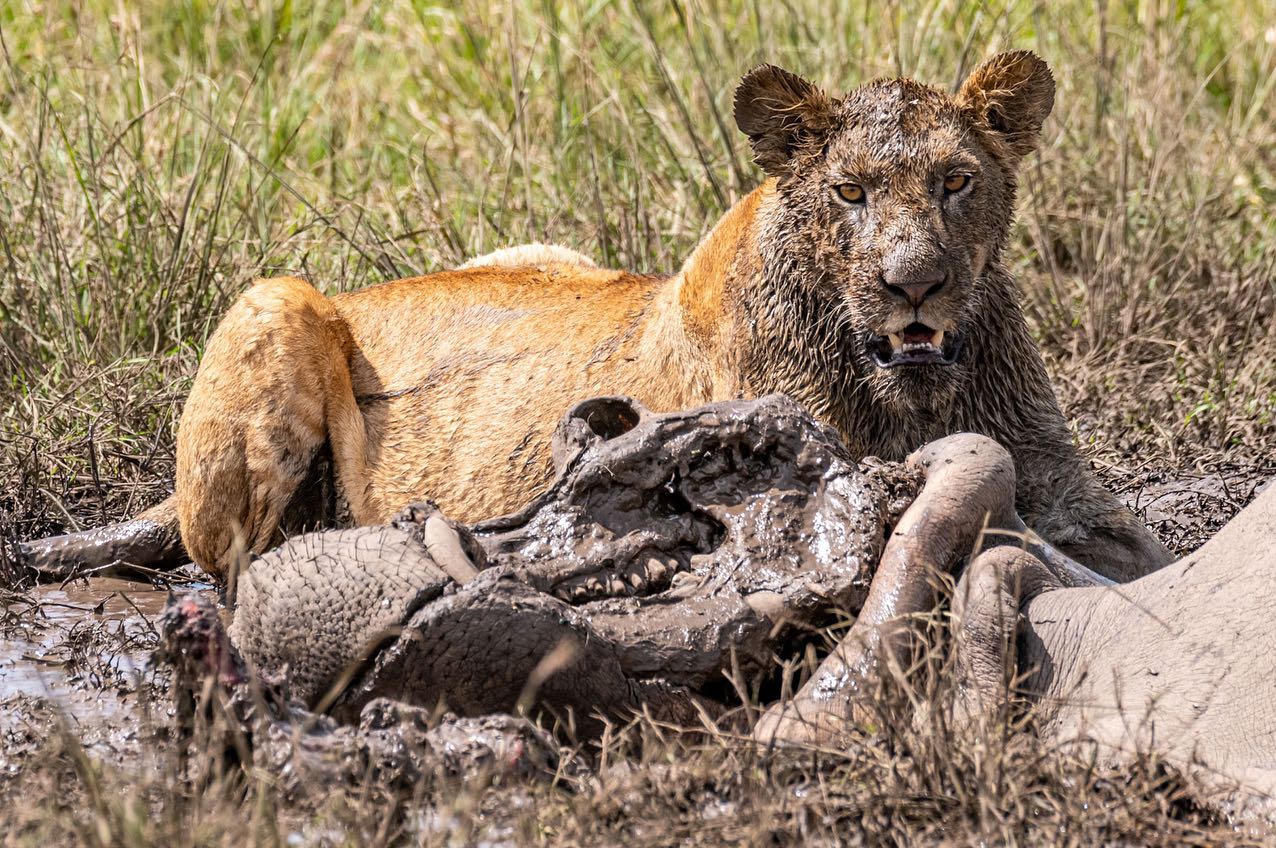
Weather plays a significant role in determining the quality of your safari experience. It influences wildlife movements, road conditions, photography opportunities, and overall travel comfort. Fortunately, both Tanzania and Kenya enjoy pleasant tropical climates that allow visitors to go on safari throughout the year. However, seasonal weather patterns differ slightly between the two countries because of variations in geography, altitude, and proximity to the Indian Ocean.
Both destinations experience two main seasons—the dry season and the green (rainy) season. The dry season is generally preferred for wildlife viewing because animals gather around permanent water sources, while the green season offers lush landscapes, excellent birdwatching, and fewer tourists.
Dry Season
The dry season is widely regarded as the best time for safari in both Tanzania and Kenya. It generally runs from late June to October, although some areas begin drying out as early as May. During this period, rainfall is minimal, vegetation becomes less dense, and wildlife concentrates around rivers, lakes, and waterholes, making animals easier to spot.
In Tanzania, the dry season is particularly spectacular in Serengeti National Park, Tarangire National Park, Ruaha National Park, and Nyerere National Park, where game viewing reaches its peak. The northern Serengeti also hosts the dramatic Mara River crossings between July and October. Kenya experiences similarly excellent conditions, especially in the Maasai Mara, Amboseli National Park, Samburu National Reserve, and Tsavo National Parks.
Because the dry season coincides with the peak tourist season, accommodation prices are generally higher, and popular lodges should be booked several months in advance.
Winner: Draw – Both Tanzania and Kenya offer exceptional safari conditions during the dry season.
Green Season
The green season transforms East Africa into a lush paradise. It typically occurs between November and May, with the heaviest rains usually falling during March, April, and May. Although occasional showers are expected, rain rarely lasts all day, and many mornings remain bright and sunny.
In Tanzania, the green season brings one of the continent’s greatest wildlife events—the Great Wildebeest Calving Season in the southern Serengeti between January and March. During this period, hundreds of thousands of wildebeest calves are born, attracting lions, cheetahs, hyenas, and leopards. Kenya also becomes beautifully green, offering excellent birdwatching and quieter safari experiences with fewer visitors.
The green season is also an excellent time for photographers, as landscapes become vibrant, skies are dramatic, and wildlife remains highly active.
Winner: Tanzania, thanks to the world-famous Great Wildebeest Calving Season.
Rainfall
Rainfall patterns are similar across both countries, although the amount and timing vary depending on altitude and location.
Tanzania experiences two rainy seasons in most northern safari regions:
- Short rains: November to December
- Long rains: March to May
Southern and western Tanzania may experience slightly different rainfall patterns, but many parks remain accessible throughout the year.
Kenya follows a comparable pattern, with:
- Short rains: October to December
- Long rains: March to May
Despite these rainy periods, heavy showers are often followed by sunshine, particularly during the short rains. Modern safari vehicles and well-maintained roads ensure that most popular parks remain accessible even during wetter months.
Travelers should note that some remote camps and seasonal roads may temporarily close during periods of heavy rainfall.
Winner: Draw, as both countries have similar rainfall patterns and year-round safari opportunities.
Temperature
Temperatures remain comfortable throughout the year in both Tanzania and Kenya, although they vary depending on altitude and location.
In Tanzania, daytime temperatures in popular safari destinations generally range between 20°C and 30°C (68°F–86°F). Highland areas such as the Ngorongoro Conservation Area can be quite cool in the early morning and evening, while lower-altitude parks like Nyerere National Park and Ruaha National Park tend to be warmer.
Kenya enjoys similar temperatures, typically ranging between 18°C and 29°C (64°F–84°F) in most safari regions. Destinations such as Amboseli National Park and Tsavo National Parks are warmer, whereas the Aberdare Highlands and areas surrounding Mount Kenya experience cooler conditions.
Regardless of the season, travelers should pack lightweight clothing for daytime activities along with a warm jacket for early morning and evening game drives.
Winner: Draw, as both countries enjoy comfortable year-round safari temperatures.
Weather Comparison Summary
| Weather Factor | Tanzania | Kenya | Winner |
|---|---|---|---|
| Dry Season | June – October | June – October | Draw |
| Green Season | November – May (Excellent calving season) | November – May | Tanzania |
| Rainfall | Two rainy seasons | Two rainy seasons | Draw |
| Temperature | 20°C–30°C (68°F–86°F) | 18°C–29°C (64°F–84°F) | Draw |
Final Verdict
Both Tanzania and Kenya enjoy favorable weather throughout the year, making them outstanding safari destinations regardless of the season. The dry months provide the best wildlife viewing, while the green season rewards travelers with lush landscapes, fewer crowds, lower prices, and excellent birdwatching.
However, Tanzania has a slight advantage because its green season coincides with the spectacular Great Wildebeest Calving Season in the southern Serengeti, offering a wildlife experience that cannot be matched elsewhere. Combined with its diverse landscapes and year-round safari opportunities, Tanzania remains the stronger choice for travelers seeking exceptional wildlife experiences in every season.
Crowds and Safari Traffic: Tanzania vs Kenya
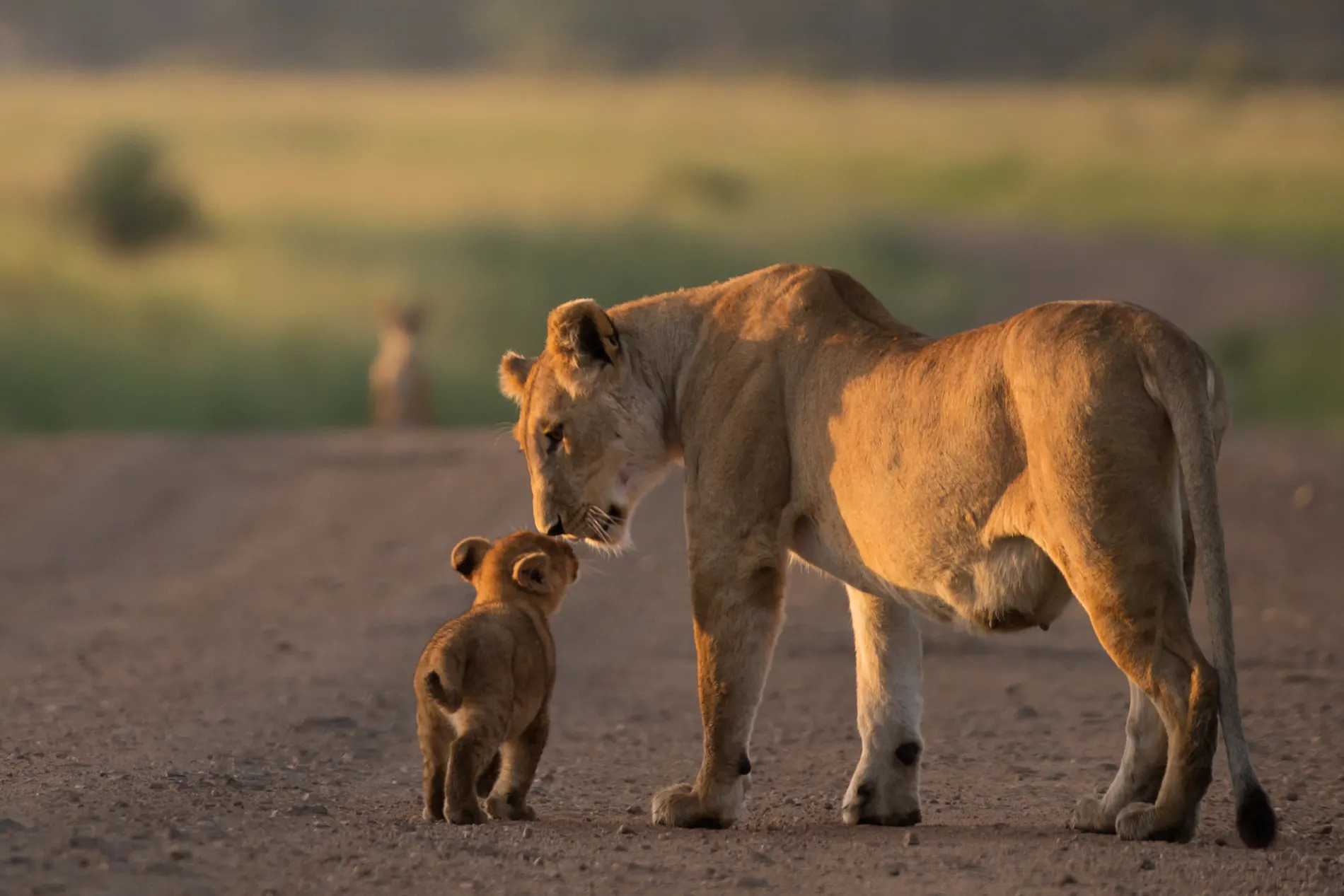
For many travelers, the quality of a safari is measured not only by the wildlife they see but also by the atmosphere of the experience. Watching a pride of lions surrounded by dozens of safari vehicles can diminish the sense of wilderness, while enjoying the same sighting with only a few vehicles creates a far more intimate and memorable encounter. This is why understanding safari crowds and vehicle density is an important part of choosing between Tanzania and Kenya.
Both countries experience seasonal fluctuations in visitor numbers. However, Tanzania generally offers a quieter and more exclusive safari experience, thanks to its larger national parks, lower visitor density, and vast protected areas. Kenya, while equally spectacular for wildlife, often attracts more visitors to its most popular reserves due to its accessibility and well-established tourism industry.
Peak Season
The peak safari season typically runs from July to October, when dry weather creates ideal wildlife viewing conditions and the Great Wildebeest Migration reaches the northern Serengeti and Maasai Mara. During these months, both Tanzania and Kenya welcome visitors from around the world.
In Kenya, the Maasai Mara becomes particularly busy, especially during the famous Mara River crossings. Popular wildlife sightings can attract numerous safari vehicles, particularly around predators and river crossing points. Travelers should also expect higher accommodation rates and limited lodge availability during this period.
Tanzania also experiences increased visitor numbers, especially in the Serengeti and Ngorongoro Crater. However, because the Serengeti covers nearly 15,000 square kilometers (5,700 square miles), visitors are spread across a much larger area. This creates a more relaxed safari atmosphere, even during the busiest months.
Winner: Tanzania, for offering a more spacious and less crowded peak-season safari.
Shoulder Season
The shoulder season generally falls between January and March and November to early December. These months provide an excellent balance of favorable weather, abundant wildlife, and fewer tourists.
In Tanzania, the shoulder season is particularly rewarding because it coincides with the Great Wildebeest Calving Season in the southern Serengeti. Visitors enjoy exceptional wildlife viewing, active predators, lush landscapes, and significantly fewer safari vehicles than during the dry season.
Kenya also offers excellent wildlife experiences during the shoulder season, particularly in Amboseli, Samburu, and the Maasai Mara. Visitor numbers remain moderate, allowing for comfortable game drives and easier lodge availability.
For travelers seeking high-quality safaris without peak-season crowds, the shoulder season is one of the best times to visit either country.
Winner: Tanzania, thanks to the combination of fewer crowds and the spectacular calving season.
Low Season
The low season usually occurs during the long rains from March to May. Although some travelers avoid these months because of occasional rainfall, this period offers several advantages, including lower accommodation prices, fewer tourists, and beautifully green landscapes.
In Tanzania, national parks remain open, wildlife is still abundant, and luxury lodges often offer attractive seasonal discounts. The quieter atmosphere allows visitors to enjoy game drives with very few other vehicles, creating a more exclusive safari experience.
Kenya also experiences reduced visitor numbers during the low season. While heavy rains may occasionally affect road conditions in some areas, most major parks remain accessible, and wildlife viewing continues to be rewarding.
For photographers and travelers looking for excellent value, the low season can be one of the most enjoyable times to visit East Africa.
Winner: Draw, as both countries offer peaceful safaris and attractive pricing during the low season.
Vehicle Density
Vehicle density refers to the number of safari vehicles sharing wildlife sightings. Lower vehicle density creates a more authentic safari experience, allowing guests to spend quality time observing animals without large crowds.
One of Tanzania’s greatest advantages is the sheer size of its protected areas. Parks such as Serengeti National Park, Ruaha National Park, Nyerere National Park, and Katavi National Park cover vast wilderness areas where visitors can often spend hours exploring without encountering another vehicle. Even in popular locations like the Serengeti, safari traffic is generally dispersed across different regions.
In Kenya, wildlife viewing is excellent, but vehicle density can be noticeably higher in famous destinations such as the Maasai Mara during peak migration months. Popular predator sightings and river crossings may attract multiple safari vehicles at the same time, particularly during July and August.
Travelers seeking solitude, uninterrupted photography, and a stronger sense of wilderness will generally find Tanzania to be the better choice.
Winner: Tanzania
Private Experiences
Luxury travelers increasingly seek private and personalized safari experiences that offer flexibility, privacy, and exclusive wildlife encounters.
In Tanzania, private game drives, exclusive-use safari camps, private villas, and remote concessions allow visitors to explore vast wilderness areas with minimal disturbance. Parks such as Ruaha, Nyerere, Mahale Mountains, and Katavi are especially well suited for travelers looking to escape the crowds. Tanzania also offers private walking safaris, fly-in safaris, hot-air balloon experiences, and exclusive bush dinners that enhance the feeling of exclusivity.
Kenya also provides outstanding private experiences, particularly within its renowned conservancies, where guest numbers are carefully managed and activities such as night game drives, horseback safaris, and guided bush walks are available. These conservancies deliver exceptional service and intimate wildlife encounters.
While both countries excel in luxury travel, Tanzania’s larger wilderness areas and lower visitor density create a more immersive and private safari overall.
Winner: Tanzania
Crowds and Safari Traffic Comparison Summary
| Category | Tanzania | Kenya | Winner |
|---|---|---|---|
| Peak Season | Less crowded, larger parks | Busier in popular reserves | Tanzania |
| Shoulder Season | Excellent wildlife with fewer visitors | Moderate visitor numbers | Tanzania |
| Low Season | Quiet parks and excellent value | Quiet parks and good discounts | Draw |
| Vehicle Density | Low across most parks | Higher in popular reserves | Tanzania |
| Private Experiences | Outstanding exclusivity and privacy | Excellent conservancies | Tanzania |
Final Verdict
Both Tanzania and Kenya offer unforgettable safari experiences, but the atmosphere differs considerably. Kenya’s popular parks, particularly the Maasai Mara, can become busy during the migration season because of their global popularity and accessibility. For many travelers, this is a worthwhile trade-off for the incredible wildlife viewing.
Tanzania, however, consistently provides a quieter, more spacious, and more exclusive safari experience. Its larger national parks, lower vehicle density, and remote wilderness areas allow visitors to connect with nature in a more authentic way. Whether exploring the endless plains of the Serengeti, the wild landscapes of Ruaha, or the remote beauty of Nyerere National Park, travelers often enjoy exceptional wildlife sightings without feeling surrounded by crowds.
Overall Winner: Tanzania
If your ideal safari includes fewer vehicles, greater privacy, and a true sense of untouched wilderness, Tanzania is the clear choice. Its expansive landscapes and exclusive safari experiences make it one of the best destinations in Africa for travelers seeking both luxury and solitude.
Photography Opportunities: Tanzania vs Kenya
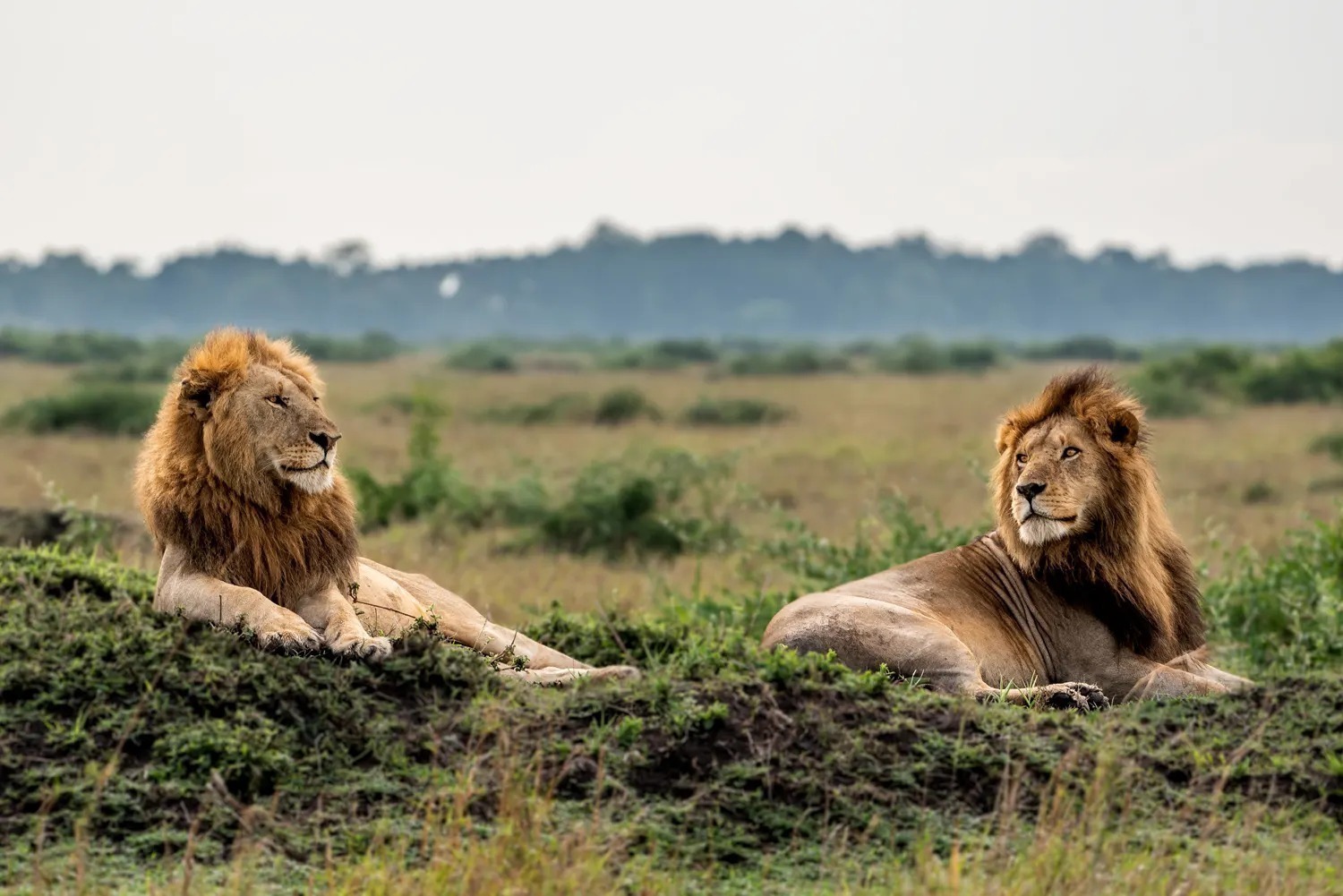
East Africa is one of the world’s greatest destinations for wildlife photography. Whether you are a professional photographer carrying high-end camera equipment or a traveler capturing memories on your smartphone, both Tanzania and Kenya provide extraordinary opportunities to photograph wildlife, dramatic landscapes, and unforgettable African sunsets.
However, while both countries offer exceptional photographic experiences, Tanzania stands out because of its larger wilderness areas, diverse ecosystems, lower vehicle density, and year-round wildlife activity. From the endless plains of the Serengeti to the dramatic Ngorongoro Crater and the pristine beaches of Zanzibar, Tanzania offers an unmatched variety of photographic subjects within a single journey.
Wildlife Photography
Wildlife photography is the primary reason many travelers visit East Africa, and both Tanzania and Kenya rank among the best destinations in the world for capturing Africa’s iconic animals.
In Tanzania, photographers enjoy exceptional opportunities to photograph the Big Five, the Great Wildebeest Migration, large elephant herds, predators in action, and countless other species across world-famous parks such as Serengeti National Park, Ngorongoro Crater, Tarangire National Park, Ruaha National Park, and Nyerere National Park. The vast landscapes and lower visitor density often allow photographers to spend more time with wildlife and capture cleaner, uninterrupted compositions.
Kenya also offers outstanding wildlife photography, particularly in the Maasai Mara National Reserve, where lions, cheetahs, leopards, elephants, and migrating wildebeests create spectacular photographic opportunities. However, during peak migration season, popular sightings may attract larger numbers of safari vehicles.
Winner: Tanzania, for its larger wilderness, greater wildlife diversity, and more exclusive photographic experiences.
Landscape Photography
Beyond its wildlife, East Africa offers some of the most breathtaking landscapes on the African continent.
Tanzania features remarkable scenery, including the endless plains of the Serengeti, the dramatic Ngorongoro Crater, ancient baobab trees in Tarangire, the rugged mountains of Mahale, the pristine waters of Lake Tanganyika, and the white-sand beaches of Zanzibar. The country’s geographical diversity allows photographers to capture an extraordinary range of landscapes during a single itinerary.
Kenya is equally renowned for its beautiful scenery. The rolling grasslands of the Maasai Mara, the snow-capped silhouette of Mount Kilimanjaro viewed from Amboseli, the Great Rift Valley escarpments, and the lakes of the Rift Valley all provide outstanding landscape photography opportunities.
Winner: Tanzania, thanks to its greater diversity of landscapes and wider variety of photographic locations.
Bird Photography
East Africa is a paradise for bird photographers, with both countries supporting hundreds of resident and migratory bird species.
Tanzania is home to more than 1,100 recorded bird species, including flamingos, crowned cranes, lilac-breasted rollers, kingfishers, hornbills, fish eagles, bee-eaters, and numerous endemic species. Parks such as Lake Manyara National Park, Tarangire National Park, Nyerere National Park, and the wetlands surrounding the Serengeti offer exceptional bird photography throughout the year.
Kenya is equally famous for birdwatching, particularly around Lake Nakuru, Lake Bogoria, Lake Naivasha, and the Maasai Mara, where flamingos and raptors provide incredible photographic opportunities.
Winner: Draw, as both countries rank among Africa’s finest bird photography destinations.
Sunrise Photography
Sunrise is often the most rewarding time for safari photography. The soft golden light, cool temperatures, and increased wildlife activity create ideal conditions for capturing dramatic images.
In Tanzania, sunrise over the Serengeti is a magical experience. As the first rays of sunlight illuminate the endless plains, photographers can capture silhouettes of acacia trees, grazing wildlife, and predators beginning their morning hunts. The Ngorongoro Crater, Tarangire, and Ruaha also offer breathtaking sunrise scenes.
Kenya’s Maasai Mara and Amboseli National Park are equally impressive at sunrise. Amboseli, in particular, provides iconic views of elephants walking beneath Mount Kilimanjaro as the morning light paints the landscape in warm golden tones.
Winner: Draw, as both countries offer spectacular sunrise photography.
Sunset Photography
African sunsets are legendary, transforming the sky into brilliant shades of orange, red, pink, and purple.
Tanzania delivers unforgettable sunset photography across the Serengeti, Tarangire, Ruaha, Nyerere, and Zanzibar. The combination of wide-open plains, scattered acacia trees, and dramatic cloud formations creates timeless safari images. Many luxury lodges also organize sundowner experiences, allowing photographers to capture spectacular evening scenes while enjoying panoramic views of the wilderness.
Kenya offers equally beautiful sunsets, particularly in the Maasai Mara, Amboseli, and the Laikipia Conservancies. The silhouette of wildlife against colorful evening skies has become one of the country’s most recognizable safari images.
Winner: Draw, as both countries provide extraordinary sunset photography opportunities.
Best Destinations for Photographers
Both Tanzania and Kenya feature world-class destinations for photographers, but each offers a slightly different experience.
In Tanzania, top photography destinations include Serengeti National Park, Ngorongoro Crater, Tarangire National Park, Ruaha National Park, Nyerere National Park, Lake Manyara National Park, Mahale Mountains National Park, and Zanzibar. Together, these locations provide unmatched opportunities to photograph wildlife, landscapes, birds, cultural experiences, and tropical coastlines.
In Kenya, leading photography destinations include Maasai Mara National Reserve, Amboseli National Park, Lake Nakuru National Park, Samburu National Reserve, Tsavo National Parks, Laikipia Conservancies, and the Great Rift Valley.
While both countries are exceptional, Tanzania offers greater diversity, larger protected areas, and more year-round photographic opportunities.
Winner: Tanzania
Photography Comparison Summary
| Photography Category | Tanzania | Kenya | Winner |
|---|---|---|---|
| Wildlife Photography | ⭐⭐⭐⭐⭐ | ⭐⭐⭐⭐☆ | Tanzania |
| Landscape Photography | ⭐⭐⭐⭐⭐ | ⭐⭐⭐⭐☆ | Tanzania |
| Bird Photography | ⭐⭐⭐⭐⭐ | ⭐⭐⭐⭐⭐ | Draw |
| Sunrise Photography | ⭐⭐⭐⭐⭐ | ⭐⭐⭐⭐⭐ | Draw |
| Sunset Photography | ⭐⭐⭐⭐⭐ | ⭐⭐⭐⭐⭐ | Draw |
| Best Photography Destinations | ⭐⭐⭐⭐⭐ | ⭐⭐⭐⭐☆ | Tanzania |
Final Verdict
Both Tanzania and Kenya are dream destinations for photographers, offering incredible opportunities to capture Africa’s wildlife, landscapes, and natural beauty. Kenya is particularly renowned for the dramatic scenery of the Maasai Mara and Amboseli, making it an excellent choice for classic safari photography.
However, Tanzania offers the more complete photographic experience. Its larger wilderness areas, lower safari traffic, year-round Great Wildebeest Migration, diverse ecosystems, and iconic locations such as the Serengeti and Ngorongoro Crater allow photographers to capture an extraordinary variety of images in one journey. From dramatic predator action and sweeping savannahs to lush forests and tropical beaches, Tanzania provides endless inspiration for photographers of every skill level.
Overall Winner: Tanzania
If your goal is to return home with a truly diverse and unforgettable wildlife photography portfolio, Tanzania is the ultimate photography destination in East Africa.
Family Safari Comparison: Tanzania vs Kenya
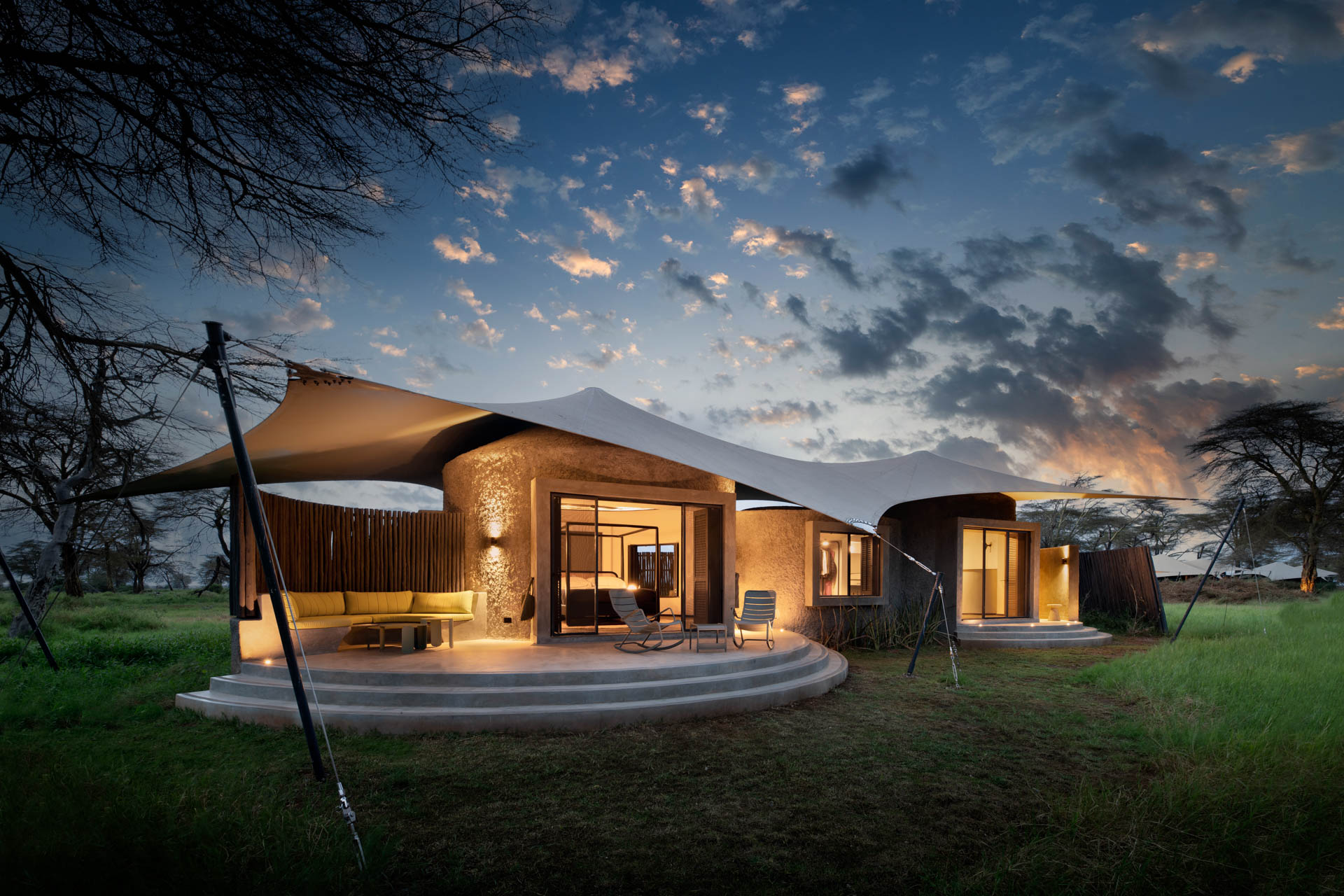
A family safari is one of the most rewarding travel experiences, offering children and adults the opportunity to connect with nature, discover incredible wildlife, and create lifelong memories together. Both Tanzania and Kenya are excellent destinations for family safaris, with a wide range of accommodations, experienced guides, and activities designed for travelers of all ages.
However, the ideal destination depends on your family’s travel style. Tanzania is best suited for families seeking a combination of wildlife, luxury, and diverse experiences, while Kenya is well known for its family-focused conservancies and interactive children’s programs. Overall, Tanzania offers greater flexibility by combining world-class safaris with cultural experiences and relaxing beach holidays in Zanzibar.
Child-Friendly Lodges
Choosing the right accommodation is essential when traveling with children. Family-friendly lodges should provide spacious rooms, flexible meal options, child-safe environments, and activities suitable for younger guests.
In Tanzania, many safari lodges are designed with families in mind, offering interconnected rooms, private family suites, swimming pools, children’s menus, babysitting services, and private safari vehicles. Luxury properties in the Serengeti, Tarangire, Ngorongoro, and Nyerere National Park often create personalized safari experiences that allow families to travel at their own pace. Many lodges also provide shorter game drives for younger children and family-focused guides who know how to keep children engaged throughout the safari.
Kenya also offers an excellent selection of child-friendly lodges, particularly in the Maasai Mara, Laikipia Conservancies, and Amboseli National Park. Several properties specialize in family travel and provide dedicated children’s clubs, junior ranger activities, and educational nature programs.
Winner: Draw, as both countries offer excellent family-friendly accommodation.
Activities
A successful family safari includes much more than game drives. Children enjoy a variety of activities that introduce them to African wildlife, local cultures, and the natural environment in fun and engaging ways.
In Tanzania, families can enjoy traditional game drives, guided nature walks in selected areas, visits to Maasai villages, wildlife education programs, hot-air balloon safaris (subject to age restrictions), canoeing in Arusha National Park, boat safaris in Nyerere National Park, and relaxing beach holidays in Zanzibar after the safari. Older children may also enjoy hiking, snorkeling, dolphin tours, and marine adventures on the Tanzanian coast.
Kenya offers a wide variety of family activities as well, including game drives, guided bush walks in private conservancies, horseback safaris, camel trekking, cultural visits with the Maasai and Samburu communities, and junior ranger programs designed specifically for children.
Both destinations provide unforgettable experiences, but Tanzania’s ability to combine wildlife adventures with tropical island activities gives families greater variety during a single vacation.
Winner: Tanzania
Safety
Safety is naturally one of the most important considerations for families planning a safari. Fortunately, both Tanzania and Kenya have long-established tourism industries with experienced guides, professional safari operators, and strict safety procedures in national parks and safari lodges.
In Tanzania, reputable safari companies operate modern, well-maintained vehicles, highly trained guides, and carefully selected accommodations that prioritize guest safety. Luxury lodges provide clear safety briefings, supervised activities, and experienced staff who understand the needs of families traveling with children.
Kenya maintains equally high standards, particularly within private conservancies and well-established safari destinations such as the Maasai Mara and Amboseli National Park. Families are always accompanied by professional guides during wildlife activities, and lodges follow comprehensive safety protocols.
When booking with a reputable tour operator, both countries are considered very safe for family safaris.
Winner: Draw
Educational Experiences
One of the greatest benefits of a family safari is the opportunity for children to learn outside the classroom. Every game drive becomes a lesson in wildlife conservation, ecology, geography, and African culture.
In Tanzania, children can learn about the Great Wildebeest Migration, the Big Five, ecosystems, animal behavior, birdlife, and conservation efforts while exploring world-famous parks such as the Serengeti and Ngorongoro Crater. Cultural visits to Maasai communities provide valuable insight into traditional lifestyles, while marine parks in Zanzibar introduce families to coral reefs, dolphins, and marine conservation.
Kenya also offers excellent educational experiences through wildlife conservancies, conservation centers, Maasai and Samburu cultural programs, and junior ranger initiatives that encourage children to develop a deeper appreciation for wildlife and environmental protection.
Although both countries excel in educational travel, Tanzania’s broader diversity of ecosystems—from savannahs and mountains to forests and tropical islands—provides a richer learning experience.
Winner: Tanzania
Family Safari Comparison Summary
| Category | Tanzania | Kenya | Winner |
|---|---|---|---|
| Child-Friendly Lodges | ⭐⭐⭐⭐⭐ | ⭐⭐⭐⭐⭐ | Draw |
| Family Activities | ⭐⭐⭐⭐⭐ | ⭐⭐⭐⭐☆ | Tanzania |
| Safety | ⭐⭐⭐⭐⭐ | ⭐⭐⭐⭐⭐ | Draw |
| Educational Experiences | ⭐⭐⭐⭐⭐ | ⭐⭐⭐⭐☆ | Tanzania |
Final Verdict
Both Tanzania and Kenya are outstanding destinations for family safaris, offering excellent accommodations, professional guides, and unforgettable wildlife encounters. Kenya is particularly strong in family-oriented conservancies and children’s safari programs, making it an excellent option for younger travelers.
However, Tanzania offers the more complete family vacation. In addition to exceptional wildlife viewing, families can enjoy diverse educational experiences, cultural encounters, boat safaris, and the opportunity to unwind on the beautiful beaches of Zanzibar after their safari. This combination of adventure, learning, and relaxation creates an unforgettable experience for travelers of all ages.
Overall Winner: Tanzania
If you’re planning a safari that combines wildlife, education, adventure, and relaxation for the whole family, Tanzania is the best all-around destination. Its world-class national parks, family-friendly lodges, and diverse experiences ensure that every member of the family returns home with lasting memories and a deeper appreciation for Africa’s natural wonders.
Honeymoon Safaris: Tanzania vs Kenya
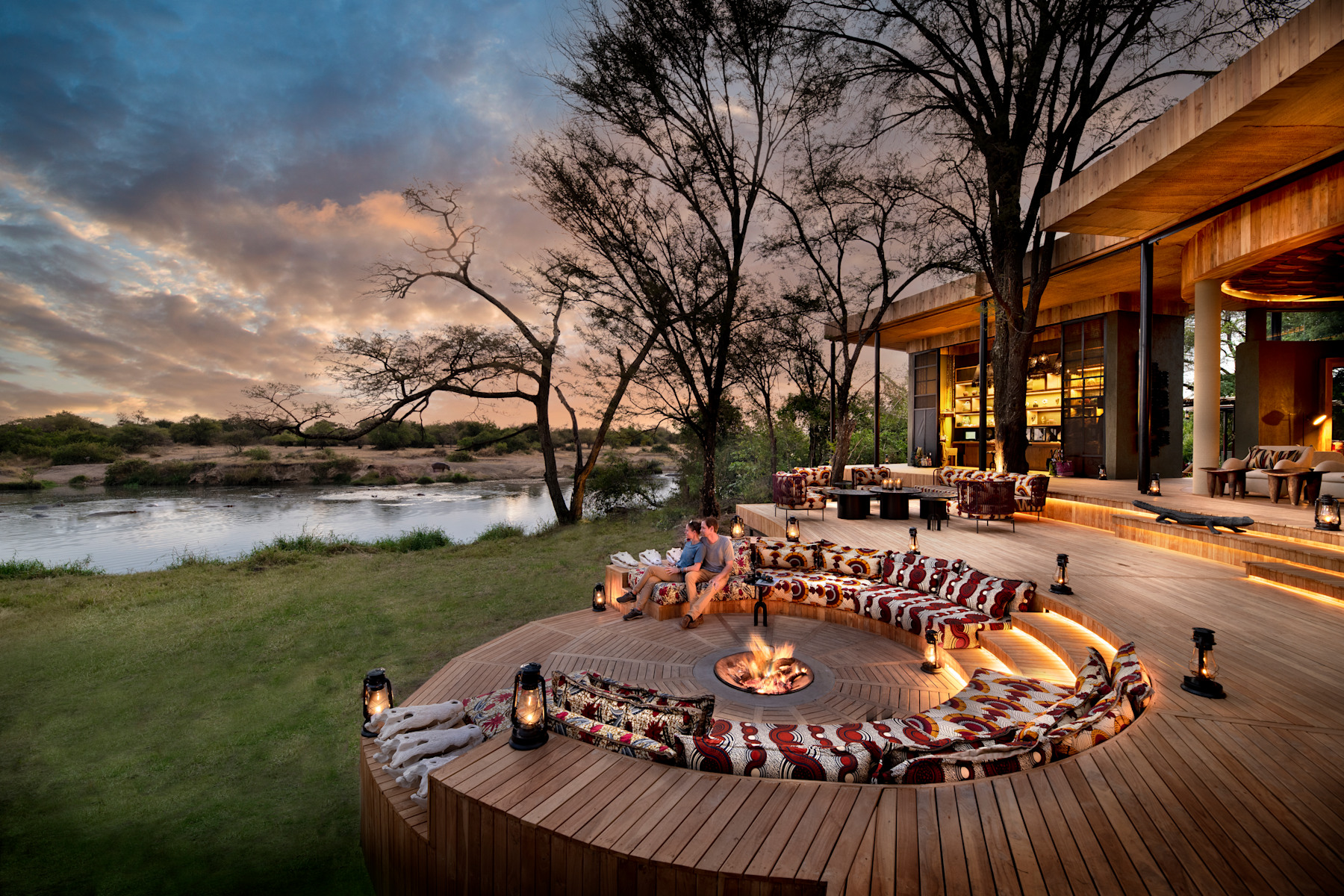
An African safari is one of the world’s most romantic travel experiences, making it an unforgettable choice for a honeymoon. Imagine waking up to the sounds of nature, watching elephants from your private terrace, enjoying a candlelit dinner beneath the stars, and ending the day with a breathtaking African sunset. Both Tanzania and Kenya offer exceptional honeymoon safaris, combining luxury accommodations, incredible wildlife, and personalized service designed for couples.
However, Tanzania is widely regarded as the premier honeymoon destination in East Africa. Its combination of world-famous safari parks, exclusive luxury lodges, private experiences, and the idyllic beaches of Zanzibar creates the perfect balance of adventure and romance. Kenya also delivers remarkable honeymoon experiences, particularly in the Maasai Mara and along its Indian Ocean coastline, but Tanzania offers greater variety and a more seamless honeymoon journey.
Romantic Lodges
The choice of accommodation plays a central role in creating a memorable honeymoon. Romantic safari lodges are designed to provide privacy, luxury, and breathtaking views, allowing couples to enjoy intimate moments surrounded by Africa’s spectacular landscapes.
In Tanzania, luxury honeymoon lodges can be found throughout Serengeti National Park, the Ngorongoro Conservation Area, Tarangire National Park, Ruaha National Park, and Nyerere National Park. Many properties feature private suites with panoramic views, plunge pools, outdoor bathtubs, spa treatments, king-size beds, private decks, and personalized butler service. Couples can relax in complete privacy while enjoying world-class hospitality and unforgettable wildlife encounters.
Kenya also offers beautiful honeymoon lodges, particularly in the Maasai Mara, Laikipia Conservancies, and Amboseli National Park. These properties combine elegant design with exceptional service and intimate safari experiences. While Kenya offers outstanding romantic accommodations, Tanzania’s broader selection of ultra-luxury lodges in larger and less crowded wilderness areas provides a more exclusive honeymoon experience.
Winner: Tanzania
Private Dinners
One of the highlights of a honeymoon safari is sharing unforgettable meals in extraordinary settings. Private dining experiences create intimate moments that couples will remember long after their journey ends.
In Tanzania, luxury lodges frequently arrange candlelit bush dinners beneath the stars, private breakfasts overlooking the Serengeti, champagne sundowners, and romantic dinners on secluded viewing decks surrounded by nature. Many lodges customize each experience with personalized menus, elegant table settings, lantern lighting, and attentive service, ensuring complete privacy for every couple.
Kenya also offers beautiful private dining experiences within luxury lodges and conservancies. Couples can enjoy bush breakfasts, sunset cocktails, and elegant dinners overlooking the Maasai Mara or Amboseli’s open plains.
Although both destinations deliver exceptional romance, Tanzania’s larger wilderness areas create an even greater sense of intimacy and exclusivity.
Winner: Tanzania
Balloon Safaris
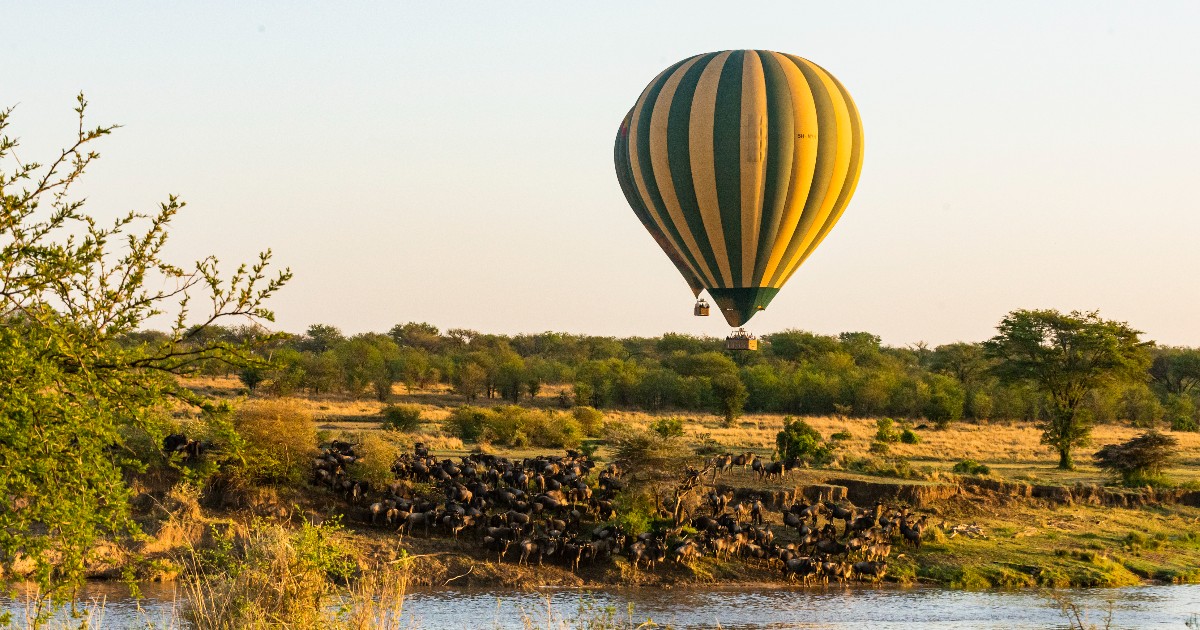
Few honeymoon experiences are as magical as floating silently above the African savannah at sunrise in a hot-air balloon. As the first light of day illuminates the landscape below, couples enjoy breathtaking panoramic views of wildlife before landing for a champagne breakfast in the bush.
In Tanzania, hot-air balloon safaris over the Serengeti National Park are among the country’s signature luxury experiences. Depending on the season, couples may witness the Great Wildebeest Migration, elephant herds, giraffes, lions, and countless other animals from above, creating extraordinary photographic and romantic moments.
Kenya also offers outstanding balloon safaris over the Maasai Mara National Reserve, where travelers can admire rolling grasslands and abundant wildlife before celebrating with a traditional champagne breakfast.
Both countries provide exceptional balloon experiences, but Tanzania’s vast Serengeti landscapes and year-round wildlife activity offer a slightly more diverse aerial adventure.
Winner: Tanzania
Beach Extensions
Many couples dream of combining an exciting safari with a relaxing beach escape, and this is where Tanzania enjoys one of its greatest advantages.
After exploring the wildlife-rich plains of the Serengeti or the Ngorongoro Crater, honeymooners can fly directly to Zanzibar, one of the world’s most beautiful tropical islands. Zanzibar offers white-sand beaches, turquoise waters, luxury beachfront resorts, private villas, sunset dhow cruises, snorkeling, scuba diving, spa treatments, and romantic oceanfront dinners. Couples can enjoy complete relaxation while celebrating the final days of their honeymoon in paradise.
Kenya also offers beautiful coastal destinations, including Diani Beach, Watamu, Malindi, and Lamu Island, all of which feature luxury resorts and excellent water activities. These destinations provide wonderful beach holidays, but Zanzibar’s international reputation, diverse luxury accommodations, and unique cultural atmosphere make it one of Africa’s most sought-after honeymoon destinations.
Winner: Tanzania
Honeymoon Safari Comparison Summary
| Category | Tanzania | Kenya | Winner |
|---|---|---|---|
| Romantic Lodges | ⭐⭐⭐⭐⭐ | ⭐⭐⭐⭐☆ | Tanzania |
| Private Dinners | ⭐⭐⭐⭐⭐ | ⭐⭐⭐⭐☆ | Tanzania |
| Balloon Safaris | ⭐⭐⭐⭐⭐ | ⭐⭐⭐⭐☆ | Tanzania |
| Beach Extensions | ⭐⭐⭐⭐⭐ | ⭐⭐⭐⭐☆ | Tanzania |
Final Verdict
Both Tanzania and Kenya offer extraordinary honeymoon safaris filled with luxury, adventure, and unforgettable wildlife encounters. Kenya provides exceptional romantic experiences through its luxury lodges, private conservancies, and beautiful Indian Ocean coastline, making it an excellent choice for newlyweds.
However, Tanzania stands out as the ultimate honeymoon destination in East Africa. Its world-famous safari parks, exclusive luxury lodges, private dining experiences, iconic Serengeti balloon safaris, and effortless connection to the pristine beaches of Zanzibar create the perfect honeymoon itinerary. Couples can enjoy thrilling wildlife adventures before relaxing on some of the world’s most beautiful beaches, all within one seamless journey.
Overall Winner: Tanzania
For couples seeking the perfect blend of romance, luxury, wildlife, and tropical paradise, Tanzania offers the most complete and unforgettable honeymoon safari experience in Africa.
Adventure Activities: Tanzania vs Kenya
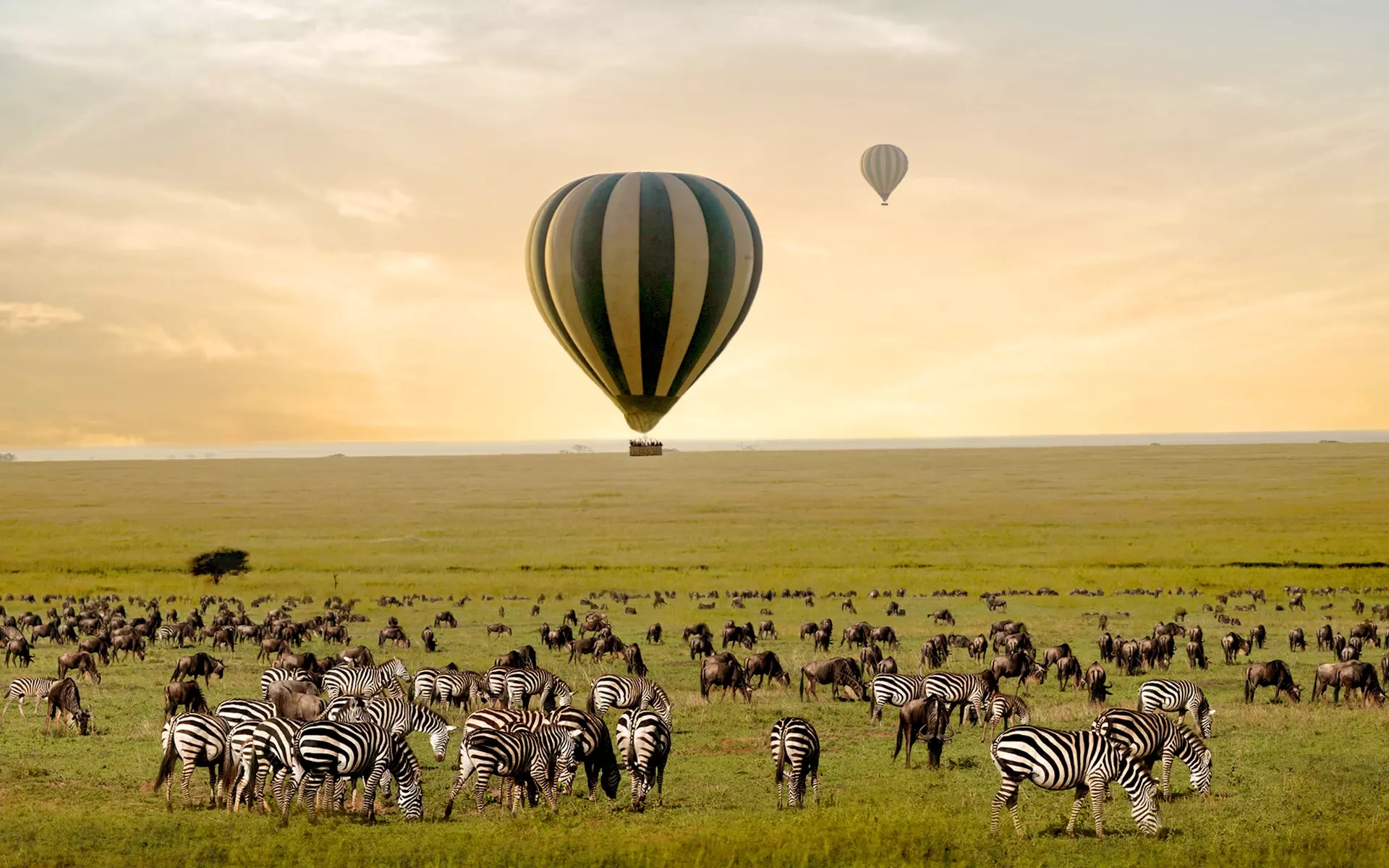
A modern safari is no longer limited to traditional game drives. Today, travelers are looking for immersive experiences that allow them to connect with nature in unique and memorable ways. From floating above the African plains in a hot-air balloon to walking through the wilderness with expert guides, adventure activities add another level of excitement to a safari journey.
Both Tanzania and Kenya offer incredible adventure experiences. Kenya is especially known for its private conservancies, where activities such as night drives and horseback safaris are widely available. Tanzania, however, offers a greater diversity of landscapes, larger wilderness areas, and the ability to combine safari adventures with luxury beach experiences in Zanzibar.
Hot Air Balloon Safari
A hot-air balloon safari is one of Africa’s most unforgettable experiences. Rising above the wilderness at sunrise, travelers enjoy breathtaking views of wildlife moving across the landscape before landing for a traditional champagne bush breakfast.
In Tanzania, the Serengeti is one of the world’s most iconic destinations for balloon safaris. Guests can fly above endless plains, witness herds of wildebeests during the Great Migration, observe elephants, giraffes, and predators from the air, and enjoy spectacular sunrise photography. The experience is especially popular among honeymooners, photographers, and luxury travelers.
Kenya also offers excellent balloon safaris, particularly over the Maasai Mara. The experience provides stunning views of rolling grasslands, wildlife herds, and the Mara River ecosystem.
Winner: Tanzania — The vast Serengeti landscape and year-round wildlife activity create an unmatched balloon safari experience.
Walking Safari
Walking safaris provide a completely different way to experience Africa. Instead of viewing wildlife from a vehicle, travelers explore the wilderness on foot with trained guides who explain animal tracks, plants, insects, and the smaller details often missed during game drives.
In Tanzania, walking safaris are available in destinations such as Ruaha National Park, Nyerere National Park, Katavi National Park, and selected areas around the Serengeti. These experiences offer a deeper connection with nature and are ideal for adventurous travelers seeking an authentic wilderness experience.
Kenya is also famous for walking safaris, particularly in private conservancies such as Laikipia and areas around the Maasai Mara. These regions provide excellent opportunities for guided bush walks, wildlife tracking, and cultural interactions.
Winner: Draw — Both countries offer exceptional walking safari experiences.
Adventure Activities Comparison Summary
| Activity | Tanzania | Kenya | Winner |
|---|---|---|---|
| Hot Air Balloon Safari | ⭐⭐⭐⭐⭐ | ⭐⭐⭐⭐☆ | Tanzania |
| Walking Safari | ⭐⭐⭐⭐⭐ | ⭐⭐⭐⭐⭐ | Draw |
| Night Game Drive | ⭐⭐⭐⭐☆ | ⭐⭐⭐⭐⭐ | Kenya |
| Horseback Safari | ⭐⭐⭐⭐☆ | ⭐⭐⭐⭐⭐ | Kenya |
| Canoe Safari | ⭐⭐⭐⭐⭐ | ⭐⭐⭐⭐☆ | Tanzania |
| Bush Breakfast | ⭐⭐⭐⭐⭐ | ⭐⭐⭐⭐⭐ | Draw |
| Bush Dinner | ⭐⭐⭐⭐⭐ | ⭐⭐⭐⭐☆ | Tanzania |
Final Verdict
Both Tanzania and Kenya offer unforgettable adventure activities that go beyond traditional safari experiences. Kenya has a clear advantage for travelers interested in night game drives and horseback safaris, thanks to its private conservancies that specialize in unique activities.
However, Tanzania offers the more complete adventure safari experience. Its combination of the Serengeti balloon safari, walking adventures, river experiences, exclusive bush dining, and diverse landscapes creates a richer and more varied journey.
Overall Winner: Tanzania
For travelers seeking a luxury adventure safari filled with unforgettable moments, Tanzania provides the perfect balance of wildlife, adventure, exclusivity, and romance.
Cultural Experiences: Tanzania vs Kenya
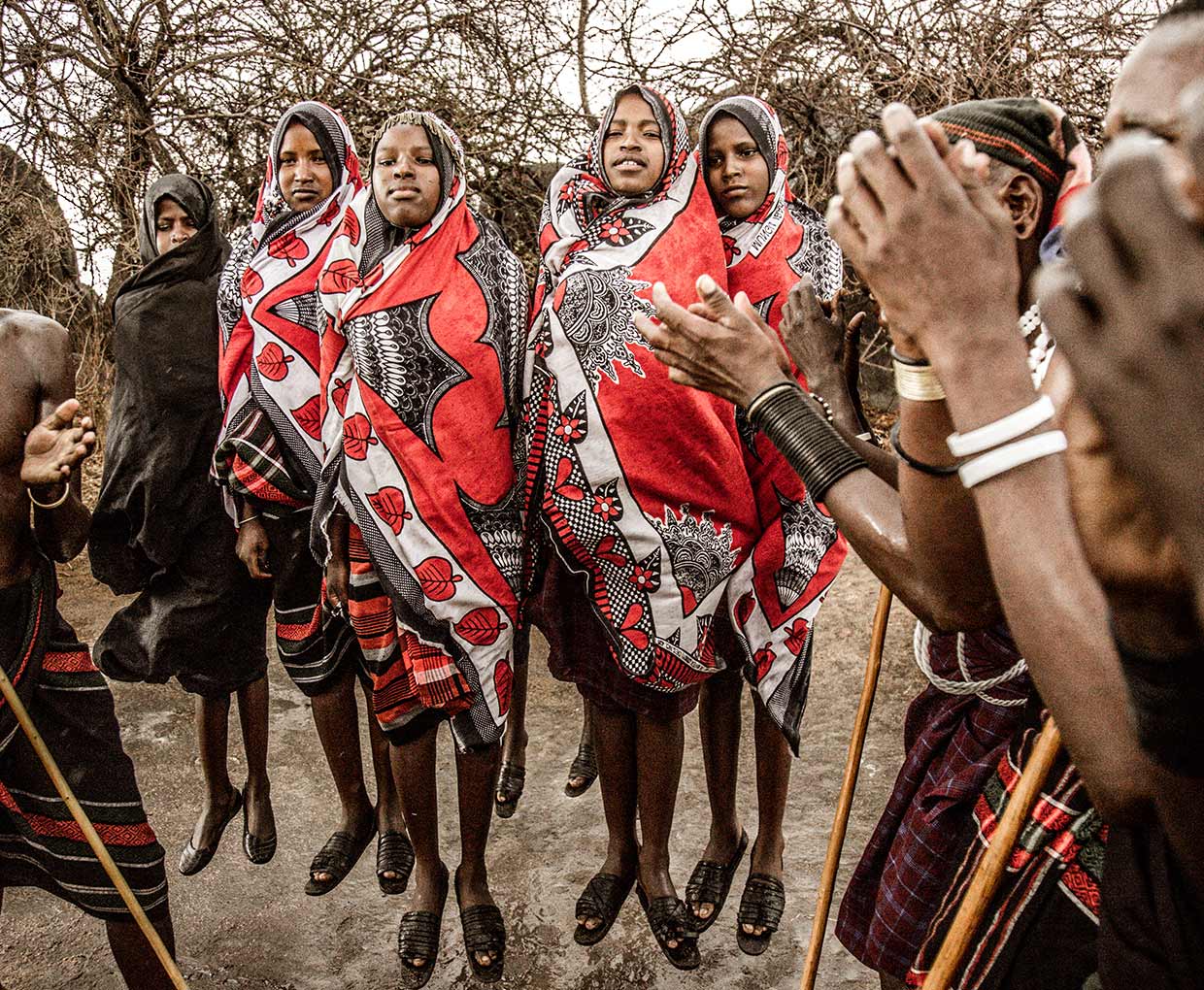
A safari is about more than incredible wildlife—it is also an opportunity to discover the rich cultures and traditions that have shaped East Africa for centuries. Both Tanzania and Kenya are home to diverse ethnic communities, each with unique languages, customs, traditional dress, music, and ways of life. Adding cultural experiences to your safari provides a deeper understanding of the region and creates meaningful connections with local people.
While both countries offer authentic cultural encounters, Tanzania stands out because of its remarkable cultural diversity, with more than 120 ethnic groups living across the country.
Maasai Communities
The Maasai are among the most recognized indigenous communities in East Africa and are found in both northern Tanzania and southern Kenya. Known for their colorful red clothing, intricate beadwork, traditional dances, and semi-nomadic lifestyle, the Maasai have lived alongside wildlife for generations while preserving many of their ancestral customs.
In Tanzania, visitors can meet Maasai communities near the Ngorongoro Conservation Area, Serengeti National Park, Tarangire National Park, and Lake Manyara National Park. Guided visits often include traditional welcome ceremonies, village tours, storytelling, cattle herding demonstrations, and opportunities to learn about Maasai history, family life, and conservation practices.
Kenya also offers exceptional Maasai cultural experiences, particularly around the Maasai Mara National Reserve and Amboseli National Park. Many conservancies maintain close partnerships with Maasai communities, allowing visitors to experience authentic traditions while supporting local livelihoods.
Winner: Draw — Both Tanzania and Kenya provide outstanding Maasai cultural experiences.
Hadzabe
The Hadzabe are one of the last remaining hunter-gatherer communities in Africa and are found almost exclusively around Lake Eyasi in northern Tanzania. Their traditional lifestyle has changed very little over thousands of years, making a visit one of the most unique cultural experiences available anywhere in Africa.
Visitors can accompany Hadzabe hunters on early morning walks, observe traditional hunting techniques using handmade bows and arrows, learn about edible plants and medicinal herbs, and gain insight into one of the world’s oldest surviving cultures. These experiences are conducted respectfully through community-based tourism initiatives that support local livelihoods while helping preserve their cultural heritage.
Kenya does not offer an equivalent cultural experience comparable to the Hadzabe.
Winner: Tanzania
Datoga
The Datoga people are another fascinating indigenous community found primarily near Lake Eyasi in northern Tanzania. Traditionally pastoralists and highly skilled blacksmiths, the Datoga are renowned for crafting tools, jewelry, knives, and hunting equipment using techniques passed down through generations.
Visitors can explore Datoga villages, observe traditional metalworking demonstrations, learn about family traditions and livestock culture, and interact with community members in an authentic setting. These experiences complement visits to the nearby Hadzabe, providing a broader understanding of Tanzania’s cultural diversity.
The Datoga are unique to Tanzania, making this a cultural experience that cannot be replicated in Kenya.
Winner: Tanzania
Samburu
The Samburu people are closely related to the Maasai and are best known for their vibrant clothing, colorful beadwork, and strong pastoral traditions. They primarily inhabit the semi-arid regions of northern Kenya and maintain a rich cultural heritage that attracts visitors from around the world.
Travelers visiting Samburu National Reserve can explore traditional villages, participate in cultural performances, learn about livestock-based livelihoods, and discover the customs that define Samburu society. These interactions provide valuable insight into one of Kenya’s most distinctive indigenous communities.
Although Tanzania has many remarkable ethnic groups, the Samburu are unique to Kenya and represent one of the country’s most significant cultural attractions.
Winner: Kenya
Local Village Visits
Visiting local villages allows travelers to experience everyday life beyond the national parks. These encounters often include interactions with local families, visits to schools or community projects, traditional cooking demonstrations, local markets, handicraft workshops, and opportunities to learn about agriculture and rural livelihoods.
In Tanzania, village visits can be incorporated into safaris around Mto wa Mbu, Karatu, Arusha, Lake Eyasi, and communities surrounding the Serengeti and Ngorongoro. These experiences offer meaningful cultural exchange while supporting local economies through responsible tourism.
Kenya also provides excellent village visits, particularly around the Maasai Mara, Amboseli, and central highlands, where community tourism initiatives enable visitors to learn about traditional and contemporary Kenyan life.
Both countries encourage responsible tourism practices that ensure local communities benefit directly from visitor experiences.
Winner: Draw
Cultural Experiences Comparison Summary
| Cultural Experience | Tanzania | Kenya | Winner |
|---|---|---|---|
| Maasai Communities | ⭐⭐⭐⭐⭐ | ⭐⭐⭐⭐⭐ | Draw |
| Hadzabe | ⭐⭐⭐⭐⭐ | N/A | Tanzania |
| Datoga | ⭐⭐⭐⭐⭐ | N/A | Tanzania |
| Samburu | N/A | ⭐⭐⭐⭐⭐ | Kenya |
| Local Village Visits | ⭐⭐⭐⭐⭐ | ⭐⭐⭐⭐⭐ | Draw |
Final Verdict
Both Tanzania and Kenya offer enriching cultural experiences that add depth and meaning to a safari. Kenya is renowned for its Maasai and Samburu communities, providing authentic opportunities to explore pastoral traditions and indigenous lifestyles.
However, Tanzania offers a broader and more diverse cultural journey. In addition to Maasai communities, visitors can meet the Hadzabe, one of the world’s last hunter-gatherer societies, and the Datoga, celebrated for their traditional blacksmithing and pastoral heritage. Combined with visits to vibrant local villages and interactions with more than 120 ethnic groups, Tanzania provides one of Africa’s richest cultural tourism experiences.
Overall Winner: Tanzania
For travelers seeking to combine world-class wildlife with authentic cultural discovery, Tanzania offers the most diverse and immersive cultural experiences in East Africa.
Beach Holidays After Safari: Tanzania
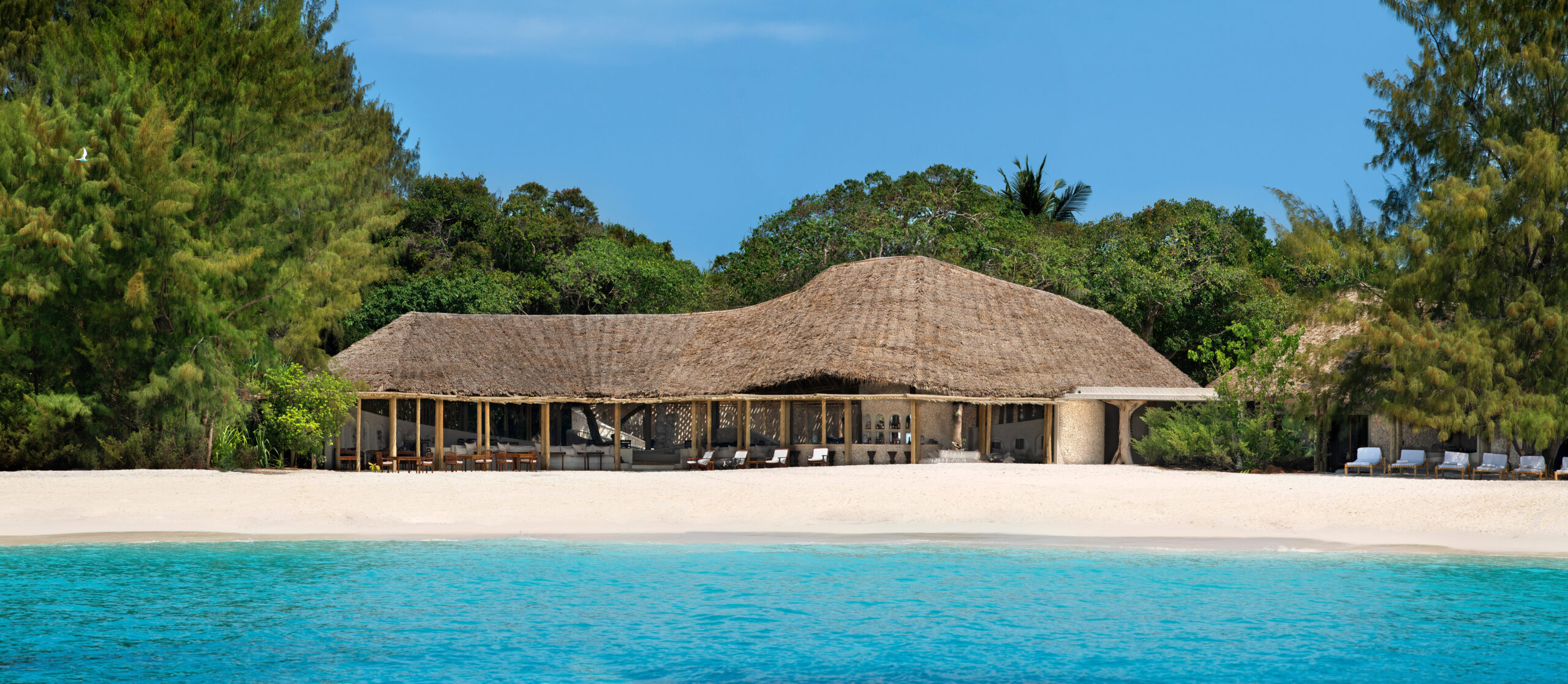
One of the greatest advantages of choosing Tanzania for your African safari is the opportunity to seamlessly extend your adventure with a world-class beach holiday. After days of exciting game drives through the Serengeti, Ngorongoro Crater, or Tarangire National Park, travelers can take a short domestic flight to the Indian Ocean and relax on some of Africa’s most spectacular tropical islands.
Tanzania’s coastline and islands are famous for their white-sand beaches, crystal-clear turquoise waters, luxury resorts, rich Swahili culture, and exceptional marine life. Whether you’re planning a honeymoon, family vacation, or luxury getaway, Tanzania offers the perfect balance of wildlife adventure and tropical relaxation.
Zanzibar
Zanzibar is Tanzania’s most famous island destination and one of the world’s leading beach holiday locations. Located approximately 35 kilometers (22 miles) off the coast of mainland Tanzania, Zanzibar is renowned for its powder-white beaches, warm Indian Ocean waters, historic Stone Town, and luxurious beachfront resorts.
Visitors can relax on stunning beaches such as Nungwi, Kendwa, Paje, Jambiani, and Matemwe, each offering its own unique atmosphere. Water enthusiasts can enjoy snorkeling, scuba diving, kite surfing, deep-sea fishing, dolphin tours, and sunset dhow cruises. Couples often choose Zanzibar for its romantic beachfront villas, spa retreats, and private candlelit dinners overlooking the ocean.
Beyond its beaches, Zanzibar offers rich cultural experiences, including visits to the UNESCO-listed Stone Town, spice farms, local markets, and historical landmarks that reflect centuries of African, Arab, Persian, and European influence.
Best For: Honeymoons, luxury travel, families, water sports, and cultural experiences.
Pemba Island
Located north of Zanzibar, Pemba Island is a hidden paradise known for its untouched beauty, lush green landscapes, and exceptional diving opportunities. Often referred to as “The Green Island,” Pemba receives fewer visitors than Zanzibar, making it an ideal destination for travelers seeking peace, privacy, and exclusivity.
The island is surrounded by vibrant coral reefs that attract divers and snorkelers from around the world. Marine life includes sea turtles, dolphins, reef sharks, colorful tropical fish, and healthy coral gardens. Luxury boutique lodges provide secluded accommodations where guests can enjoy personalized service and breathtaking ocean views.
Pemba is perfect for travelers who want to escape the crowds and experience a quieter side of the Indian Ocean.
Best For: Divers, honeymooners, luxury travelers, and couples seeking privacy.
Mafia Island
Mafia Island is one of Tanzania’s best-kept secrets and a dream destination for nature lovers and marine enthusiasts. Unlike Zanzibar, Mafia offers a more tranquil atmosphere with fewer tourists and a strong focus on conservation.
The island is home to the Mafia Island Marine Park, Tanzania’s first marine protected area, which protects coral reefs, mangrove forests, and abundant marine life. Visitors can enjoy world-class snorkeling and scuba diving, explore pristine beaches, kayak through mangroves, and experience unforgettable encounters with whale sharks during the seasonal migration between October and February.
Luxury lodges on Mafia Island emphasize sustainability while providing exceptional comfort and personalized service. The peaceful environment makes the island especially attractive for honeymooners and travelers looking for an authentic tropical escape.
Best For: Marine wildlife, scuba diving, snorkeling, eco-tourism, and luxury relaxation.
Tanzania Beach Holiday Comparison
| Destination | Best For | Highlights |
|---|---|---|
| Zanzibar | Honeymoons, luxury vacations, families | White-sand beaches, luxury resorts, Stone Town, snorkeling, dhow cruises |
| Pemba Island | Privacy, diving, romance | Boutique resorts, coral reefs, secluded beaches, world-class diving |
| Mafia Island | Eco-tourism, marine adventures | Whale sharks, marine park, snorkeling, diving, peaceful atmosphere |
Final Verdict
Few destinations in the world offer the opportunity to combine a Big Five safari with a tropical island escape as effortlessly as Tanzania. Whether you choose the lively beaches of Zanzibar, the secluded luxury of Pemba Island, or the untouched marine paradise of Mafia Island, each destination offers a unique way to unwind after an unforgettable safari.
This seamless combination of world-class wildlife, luxury accommodations, vibrant culture, and spectacular Indian Ocean beaches is one of the reasons Tanzania is consistently ranked among Africa’s top luxury travel destinations.
Why Choose Tanzania for a Safari and Beach Holiday?
- Experience the Big Five and the Great Wildebeest Migration before relaxing on tropical islands.
- Enjoy convenient domestic flights connecting safari destinations with the coast.
- Choose from luxury beachfront resorts, private villas, and boutique island retreats.
- Discover exceptional marine life through snorkeling, scuba diving, dolphin tours, and seasonal whale shark encounters.
- Combine adventure, romance, culture, and relaxation in a single itinerary.
Overall Winner: Tanzania
If you’re looking for the ultimate African vacation that blends iconic safari experiences with world-class beach relaxation, Tanzania offers an unmatched safari-and-beach combination that few destinations in the world can rival.
Beach Holidays After Safari: Kenya
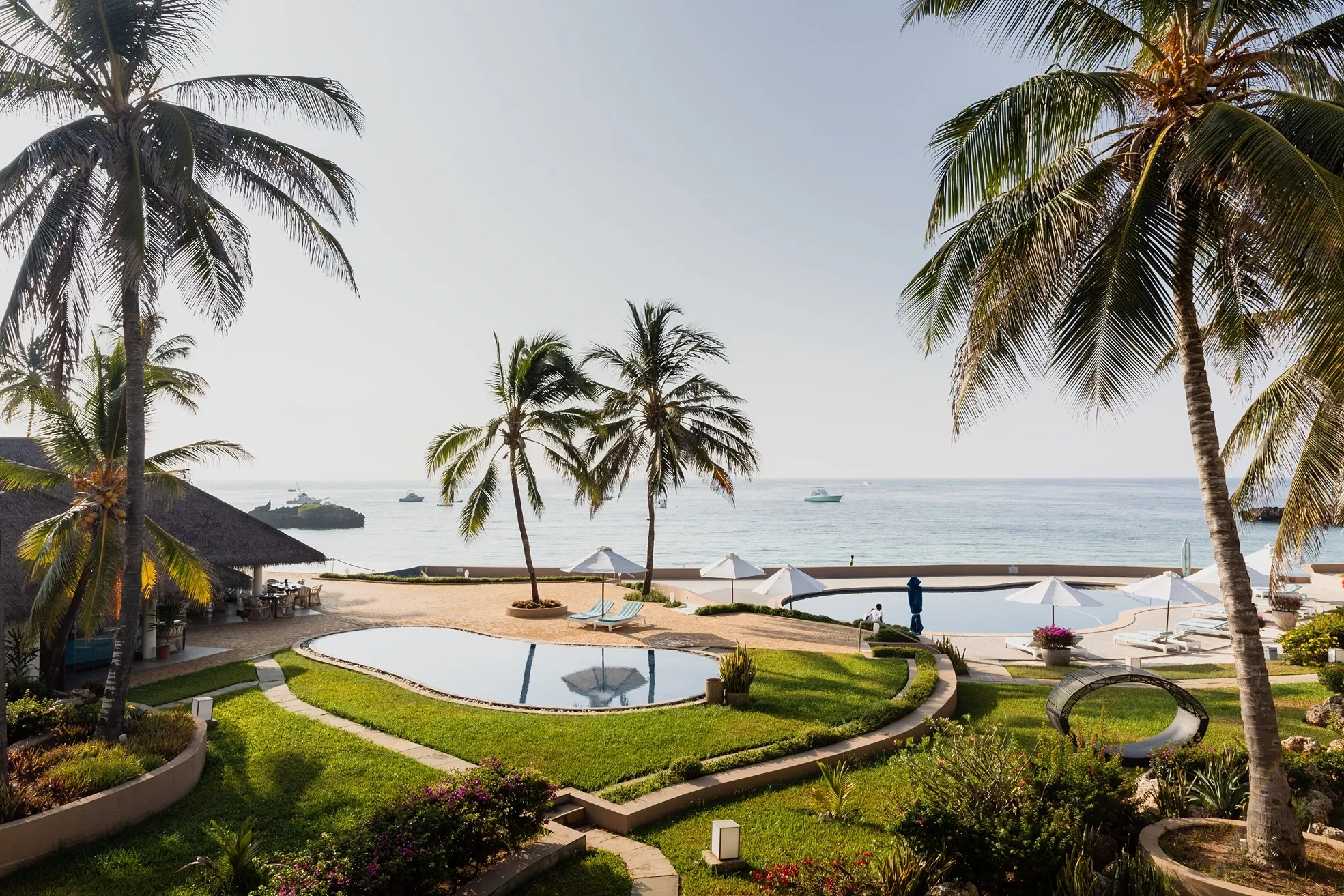
A safari in Kenya can also be perfectly complemented by a relaxing beach holiday along the country’s beautiful Indian Ocean coastline. After exploring iconic wildlife destinations such as the Maasai Mara National Reserve, Amboseli National Park, or Samburu National Reserve, travelers can take a short domestic flight to Kenya’s tropical beaches, where warm turquoise waters, palm-fringed coastlines, and luxury resorts provide the perfect setting to unwind.
Kenya’s coastline stretches for more than 500 kilometers (310 miles) along the Indian Ocean and is home to some of East Africa’s finest beach destinations. From the award-winning white sands of Diani Beach to the historic charm of Malindi and the marine-rich waters of Watamu, Kenya offers an excellent mix of relaxation, water sports, and Swahili culture.
Diani Beach
Diani Beach is Kenya’s most famous coastal destination and has consistently been recognized among Africa’s best beaches. Located south of Mombasa, Diani features approximately 17 kilometers (11 miles) of soft white sand lined with palm trees and overlooking the crystal-clear waters of the Indian Ocean.
Luxury resorts, boutique hotels, and private villas cater to every style of traveler, from honeymooners to families. Visitors can enjoy snorkeling, scuba diving, kite surfing, deep-sea fishing, jet skiing, paddleboarding, and sunset dhow cruises. The nearby Kisite-Mpunguti Marine National Park also offers excellent opportunities to see dolphins, colorful coral reefs, and abundant tropical fish.
Diani Beach combines modern tourism facilities with a relaxed tropical atmosphere, making it one of Kenya’s most popular post-safari destinations.
Best For: Honeymooners, luxury travelers, families, water sports, and beach relaxation.
Watamu
Located approximately 120 kilometers (75 miles) north of Mombasa, Watamu is a peaceful coastal town renowned for its pristine beaches and exceptional marine biodiversity. The area forms part of the protected Watamu Marine National Park, one of East Africa’s oldest marine parks.
Crystal-clear waters, healthy coral reefs, and abundant sea life make Watamu one of Kenya’s premier destinations for snorkeling and scuba diving. Visitors frequently encounter sea turtles, dolphins, colorful reef fish, and seasonal whale sharks. Beyond marine activities, travelers can explore mangrove forests, enjoy dhow sailing, or visit the nearby Arabuko Sokoke Forest, one of the region’s most important coastal forests.
Watamu’s tranquil atmosphere and boutique beachfront resorts make it especially appealing to couples and nature lovers seeking a quieter alternative to larger beach destinations.
Best For: Snorkeling, scuba diving, marine conservation, couples, and eco-tourism.
Malindi
Malindi is one of Kenya’s oldest coastal towns and offers a unique combination of tropical beaches, Swahili heritage, and Italian influence. Its rich history as a trading port has created a fascinating cultural blend reflected in its architecture, cuisine, and local traditions.
Visitors can relax on beautiful beaches, enjoy luxury resorts, explore historical landmarks, and visit attractions such as the Vasco da Gama Pillar, one of the oldest European monuments in East Africa. Marine excursions, deep-sea fishing, snorkeling, and diving are also popular activities thanks to the nearby coral reefs and protected marine areas.
Malindi appeals to travelers looking for both cultural exploration and a relaxing beach holiday after their safari.
Best For: History, culture, beach holidays, families, and luxury resorts.
Kenya Beach Holiday Comparison
| Destination | Best For | Highlights |
|---|---|---|
| Diani Beach | Honeymoons, luxury vacations, families | White-sand beaches, luxury resorts, water sports, dhow cruises |
| Watamu | Marine adventures, eco-tourism, couples | Marine park, coral reefs, snorkeling, scuba diving, sea turtles |
| Malindi | Culture, history, beach relaxation | Historic sites, luxury resorts, marine activities, Swahili heritage |
Final Verdict
Kenya’s Indian Ocean coastline offers an excellent way to end a safari with a few days of relaxation. Diani Beach is ideal for travelers seeking luxury resorts and vibrant beach activities, Watamu is a paradise for divers and marine enthusiasts, and Malindi blends tropical scenery with rich cultural history.
These destinations provide outstanding beach experiences and pair well with Kenya’s world-famous safari parks. However, travelers looking for the widest range of luxury beach resorts, island experiences, and seamless safari-to-beach itineraries often find that neighboring Tanzania—particularly Zanzibar, Pemba Island, and Mafia Island—offers greater variety and exclusivity.
For visitors choosing Kenya, however, Diani Beach, Watamu, and Malindi remain exceptional coastal destinations that provide the perfect conclusion to an unforgettable African safari.
Accessibility: Tanzania vs Kenya
Accessibility is an important consideration when planning a safari, especially for international travelers. Factors such as international flight connections, domestic air networks, road infrastructure, and visa requirements can significantly influence the overall travel experience. Fortunately, both Tanzania and Kenya are well-equipped to welcome visitors from around the world, with modern airports, reliable domestic airlines, and well-developed tourism infrastructure.
While Kenya has a slight advantage in international flight connectivity, Tanzania offers excellent domestic flight networks that make it easy to combine multiple safari destinations with a beach holiday in Zanzibar. Both countries also offer straightforward visa processes for most international visitors.
International Airports
Both Tanzania and Kenya are served by modern international airports that connect East Africa with major cities across Europe, the Middle East, Asia, North America, and Africa.
In Tanzania, the primary international gateways include:
- Kilimanjaro International Airport (JRO) – The main gateway for northern safari destinations such as Serengeti, Ngorongoro Crater, Tarangire, and Lake Manyara.
- Julius Nyerere International Airport (DAR) – Located in Dar es Salaam, ideal for southern safaris and coastal destinations.
- Abeid Amani Karume International Airport (ZNZ) – The main airport serving Zanzibar.
In Kenya, the primary international airports include:
- Jomo Kenyatta International Airport (NBO) – Nairobi’s main international airport and one of Africa’s busiest aviation hubs.
- Moi International Airport (MBA) – Located in Mombasa and serving Kenya’s coast.
- Kisumu International Airport (KIS) – Serving western Kenya with selected international and regional connections.
Kenya generally offers more direct international flights due to Nairobi’s role as a major regional aviation hub.
Winner: Kenya
Domestic Flights
Domestic flights are the fastest and most comfortable way to travel between safari destinations, particularly for luxury travelers who wish to maximize their time in the wilderness.
Tanzania has an extensive domestic aviation network connecting Serengeti National Park, Ngorongoro, Tarangire, Ruaha, Nyerere National Park, Katavi, Mahale Mountains, Arusha, Dar es Salaam, and Zanzibar. Fly-in safaris are extremely popular and allow travelers to avoid long road transfers while enjoying spectacular aerial views.
Kenya also has an excellent domestic flight network linking Nairobi with the Maasai Mara, Amboseli, Samburu, Laikipia, Tsavo, Diani Beach, Malindi, and Watamu.
Although both countries offer reliable domestic services, Tanzania’s network provides greater flexibility for combining multiple safari regions with tropical island destinations.
Winner: Tanzania
Road Transfers
Road safaris remain one of the most popular ways to explore East Africa, allowing travelers to enjoy scenic landscapes and visit multiple national parks during a single journey.
In Tanzania, most northern safari destinations are easily accessible from Arusha by well-established safari routes. Popular circuits include Serengeti National Park, Ngorongoro Crater, Tarangire National Park, and Lake Manyara National Park. Southern parks such as Ruaha and Nyerere require longer drives but are increasingly accessed by domestic flights for greater comfort.
In Kenya, road transfers from Nairobi to destinations such as the Maasai Mara, Amboseli, Lake Nakuru, and Samburu are generally shorter than comparable journeys in Tanzania. Kenya’s compact safari circuit allows travelers to reach several parks within a relatively short driving time.
Travelers who prefer shorter overland journeys may find Kenya more convenient, while those seeking larger wilderness areas often choose Tanzania despite the longer travel distances.
Winner: Kenya
Visa Requirements
Both Tanzania and Kenya have relatively straightforward visa procedures for international visitors.
Tanzania offers electronic visas (eVisa) for citizens of many countries, while some nationalities are eligible for visa-on-arrival. Visitors should always confirm the latest entry requirements before traveling, as regulations may change.
Kenya also provides an online electronic travel authorization (eTA) system for most international travelers. The application process is generally simple and can be completed before departure.
Travelers planning to visit both countries during the same trip should review current immigration requirements carefully, especially if crossing the border by road or combining regional flights.
Winner: Draw
Accessibility Comparison Summary
| Accessibility Factor | Tanzania | Kenya | Winner |
|---|---|---|---|
| International Airports | ⭐⭐⭐⭐☆ | ⭐⭐⭐⭐⭐ | Kenya |
| Domestic Flights | ⭐⭐⭐⭐⭐ | ⭐⭐⭐⭐☆ | Tanzania |
| Road Transfers | ⭐⭐⭐⭐☆ | ⭐⭐⭐⭐⭐ | Kenya |
| Visa Requirements | ⭐⭐⭐⭐⭐ | ⭐⭐⭐⭐⭐ | Draw |
Discover more from Paul Tours Safari
Subscribe to get the latest posts sent to your email.