
This 10-day Tanzania photo safari takes you deep into the heart of Ruaha National Park, one of Africa’s most remote and rewarding destinations for serious wildlife photographers. Known for its vast landscapes, scattered baobabs, and dramatic river systems, Ruaha offers unparalleled opportunities to capture big cats, wild dogs, and elephants in a pristine, crowd-free wilderness.
Your journey begins in Dar es Salaam before flying into Ruaha, where you will split your stay across three exceptional camps—Jabali Ridge, Kigelia Ruaha, and Ikuka Safari Camp. Each location offers a different photographic perspective, from rocky kopjes and sweeping escarpments to riverine woodlands and open plains.
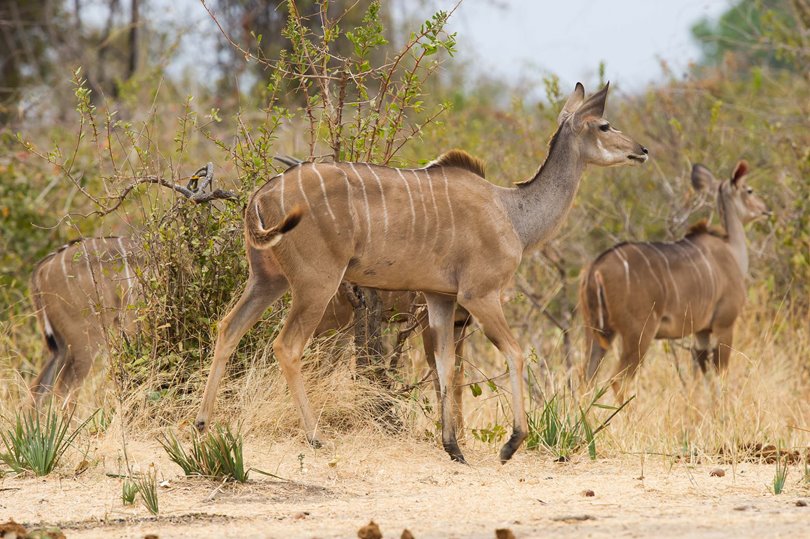
Over the course of your safari, you’ll focus on big cat photography, with Ruaha home to one of Africa’s largest lion populations as well as elusive leopards and agile cheetahs. The park is also one of the best places to photograph African wild dogs, often seen hunting in packs during early morning hours. Elephants, buffalo herds, kudu, and giraffes provide additional subjects, while dramatic baobab trees and wide savannah vistas create striking backdrops for your wildlife images.
Morning and afternoon game drives are tailored specifically for photography, with expert guides positioning vehicles for optimal light and angles. Golden hour sessions highlight predator silhouettes against fiery skies, while mid-day reviews help refine your skills in composition, exposure, and wildlife behavior.
By the end of this 10-day experience, you’ll leave with a diverse and compelling wildlife portfolio, showcasing not only Ruaha’s predators but also its breathtaking landscapes and raw wilderness spirit. For photographers seeking dramatic scenes and rare predator encounters away from the crowds, Ruaha National Park delivers one of Africa’s most rewarding photographic safaris.
10 Days
9 Nights
LUXURY SAFARI
2-5
English, France, Germany, Spain
Big Cat Encounters: Photograph lions, leopards, and cheetahs in their natural habitats, including stalking, hunting, and resting behaviors.
Rare African Wild Dogs: Capture one of Africa’s most endangered predators in action, often seen hunting in coordinated packs.
Elephant Herds: Photograph Tanzania’s largest elephant populations moving across riverbeds and baobab-studded plains.
Scenic Landscapes: Stunning vistas of rolling plains, dramatic kopjes, meandering rivers, and iconic baobab trees.
Photography-Focused Game Drives: Expert guides position vehicles for optimal angles, lighting, and composition, maximizing your photo opportunities.
Birdlife and Small Wildlife: Raptors, colorful bee-eaters, and unique species like sable and roan antelope provide diverse subjects.
Golden Hour and Sunset Photography: Capture wildlife and landscapes during soft morning and late-afternoon light for dramatic, high-quality shots.
Walking Safari Experience: Explore the bush on foot with expert guides, photographing wildlife and flora up close.
Remote, Uncrowded Safari: Experience one of Tanzania’s least-visited parks for peaceful, immersive wildlife encounters.
Starry Night Experience: Enjoy evenings under clear African skies, perfect for night photography and storytelling.
Can be customized
Can start any day
Luxury Travelers
Wildlife photographers (all levels)
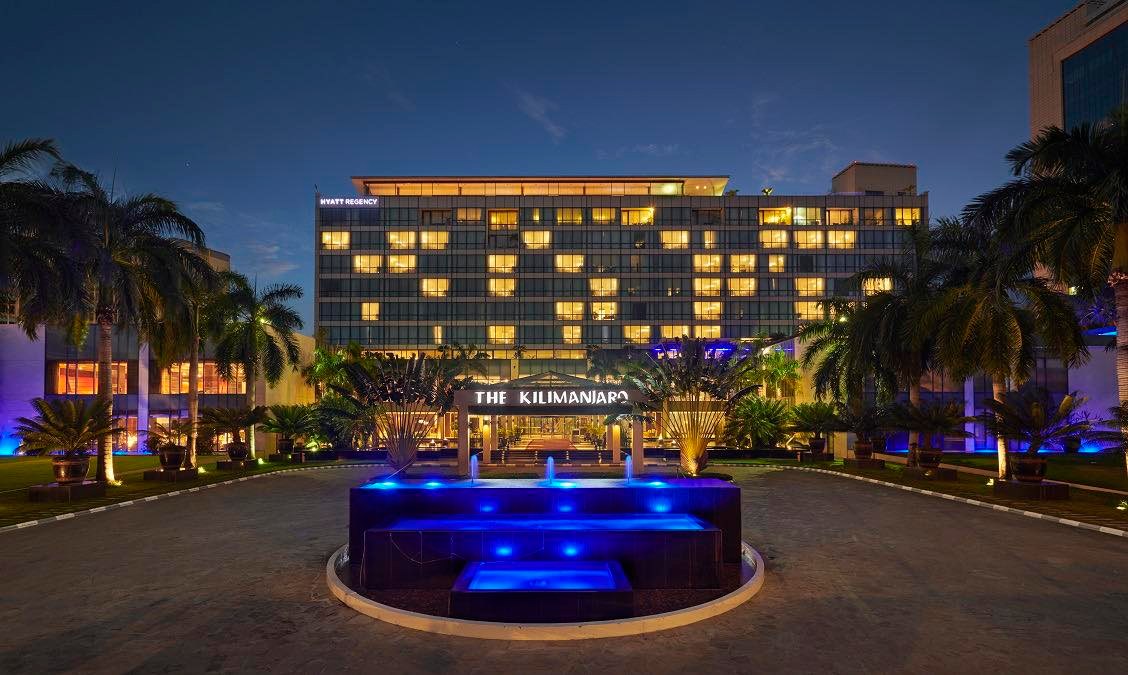
Your Tanzanian adventure begins as you arrive in Dar es Salaam, the bustling gateway city to East Africa. Upon arrival at Julius Nyerere International Airport, you will be warmly welcomed by a safari representative and transferred to your hotel, such as the Hyatt Regency Dar es Salaam or a similar premium property. After check-in, take time to relax and recover from your journey. You may choose to stroll along the waterfront, capture some urban photography of the Indian Ocean coastline, or simply unwind at the hotel while enjoying the tropical ambiance. In the evening, a welcome briefing introduces you to the highlights of the journey ahead, with insights into Ruaha’s unique wildlife and photography opportunities. Dinner is served at the hotel, and the night is yours to rest, recharge your equipment, and prepare for the incredible big cat and wild dog photography safari that awaits in the days to come.
After an early breakfast at your hotel, you will be transferred to the airport for your scenic domestic flight into Ruaha National Park. From above, you can already begin to sense the scale of this untouched wilderness—rolling plains, winding rivers, ancient baobab forests, and rocky hills spread endlessly across the horizon. On landing at the bush airstrip, your private safari guide will meet you and begin the adventure with a slow game-viewing transfer toward your lodge, such as Jongomero Camp or Ikuka Safari Lodge. Both accommodations are positioned in areas renowned for predator sightings and provide photographers with superb access to remote wildlife habitats.
After settling in and enjoying a hearty lunch, you embark on your first afternoon photo safari drive. Ruaha is one of Africa’s best-kept secrets for wildlife photographers, home to Tanzania’s largest elephant population, huge prides of lions, and a thriving population of leopards. The park is also one of the last strongholds of the endangered African wild dog, offering rare opportunities to photograph their hunting dynamics.
Your guide positions the vehicle for the best angles, ensuring you capture animals in the soft golden light of late afternoon. The Ruaha landscape itself becomes a subject for your lens—the silhouettes of giraffes against fiery skies, the dramatic shadows of baobab trees, and reflections in the Great Ruaha River.
As dusk approaches, enjoy a sundowner in the bush before returning to camp. A warm dinner awaits under a blanket of stars, accompanied by the distant calls of lions and hyenas. Tonight, you will fall asleep surrounded by the sounds of the wild, already building anticipation for the full days of intense photography that lie ahead.
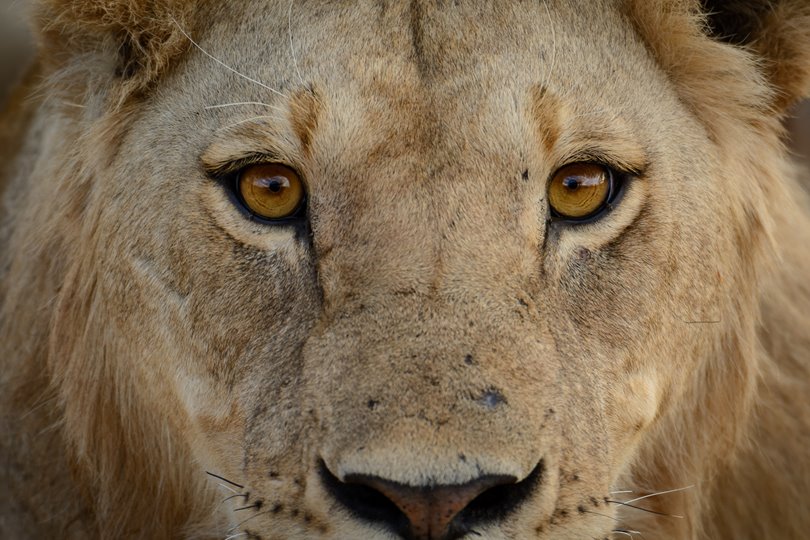
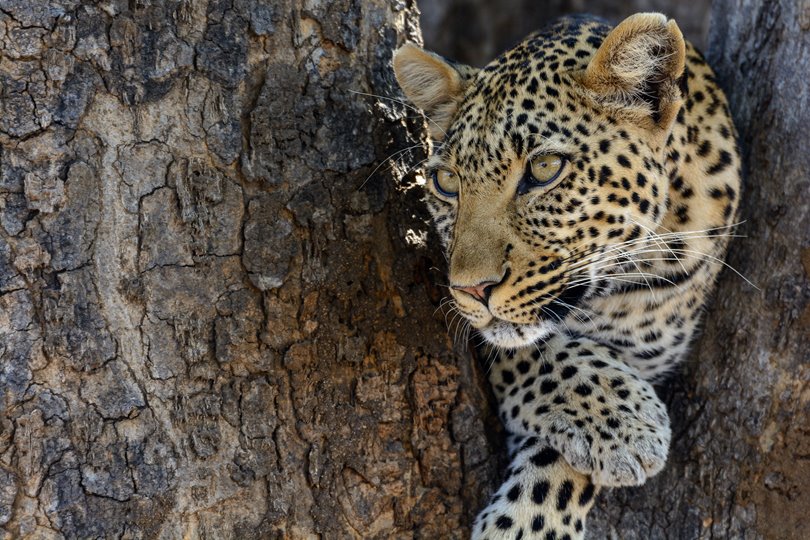
The day begins before sunrise, as the early hours bring the best light and the highest chance of spotting predators on the move. After a quick coffee and light breakfast, you set out on your morning photo drive. Ruaha is one of Africa’s most rewarding parks for photographers seeking big cat encounters, with prides of lions often seen stalking prey in the cool morning air. Leopards rest in the branches of sausage trees, while cheetahs scan the plains for opportunity. With fewer vehicles in the park compared to other safari destinations, your shots are framed by open space and natural drama, not crowds.
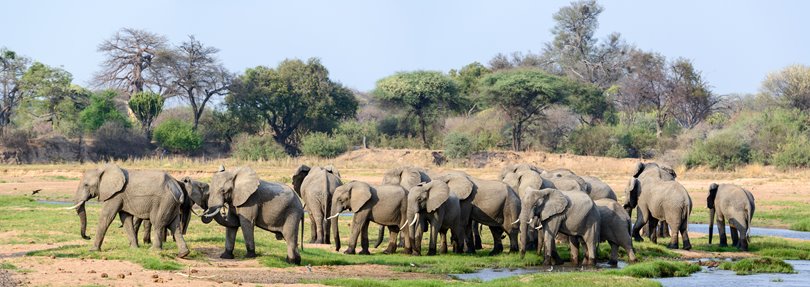
As the sun climbs, the focus shifts to elephants—Ruaha is home to Tanzania’s largest herds, often seen crossing the sandy riverbeds in long, graceful lines. You may also capture rare species such as sable and roan antelope, which add variety to your portfolio.
Around midday, you pause for a bush picnic under the shade of a giant baobab tree. These ancient giants are a defining feature of Ruaha, their twisted silhouettes creating striking backdrops for wide-angle photography. After lunch and a short rest, you continue exploring new areas of the park during your afternoon drive, seeking dramatic river crossings, raptors in flight, and the playful antics of baboon troops.
As evening approaches, the golden light returns, ideal for capturing both wildlife action and sweeping landscapes. You return to camp in time for dinner, exchanging stories with fellow travelers while reviewing the day’s images. The night is spent listening to the wilderness around you, with the calls of lions or hyenas a reminder that the wild never sleeps.
This morning begins with another early start, as you venture deeper into the southern reaches of Ruaha National Park, a region famed for its remoteness and dramatic scenery. With the soft dawn light spilling over the escarpments, your camera is ready to capture the park’s incredible diversity. This area is especially rewarding for photographing Ruaha’s legendary elephant herds. It is not unusual to see dozens, sometimes hundreds, of elephants moving gracefully across the riverbeds or gathering at waterholes, their sheer presence making for both intimate portraits and sweeping wide-angle compositions.
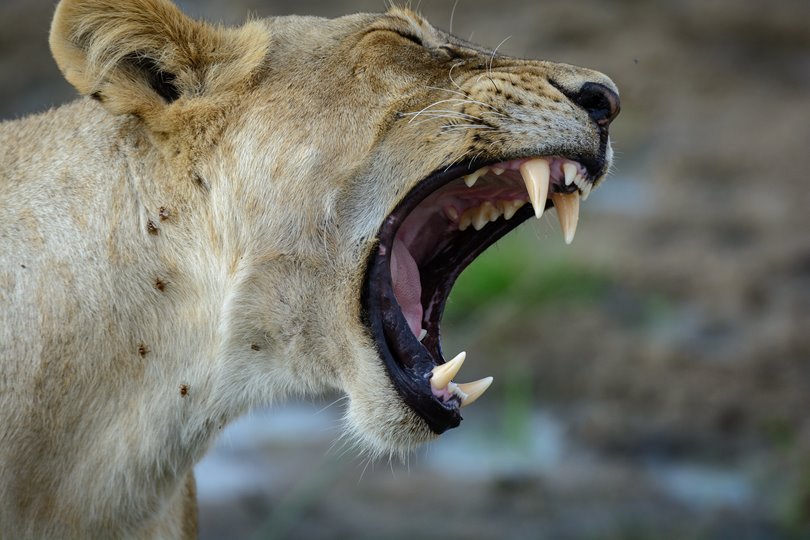
As the drive continues, you focus on predators. The southern sector is one of the best places in East Africa to find African wild dogs, whose cooperative hunting behavior provides exceptional photographic opportunities. Few experiences rival the chance to capture a pack trotting in unison or launching into a coordinated chase. Lions are also frequently seen here, often resting under baobabs or sprawled across rocky outcrops.
At midday, enjoy a bush picnic with panoramic views, where you can photograph not just the wildlife but also Ruaha’s breathtaking landscapes—towering baobabs, granite kopjes, and the ribbon of the Great Ruaha River cutting through the wilderness.
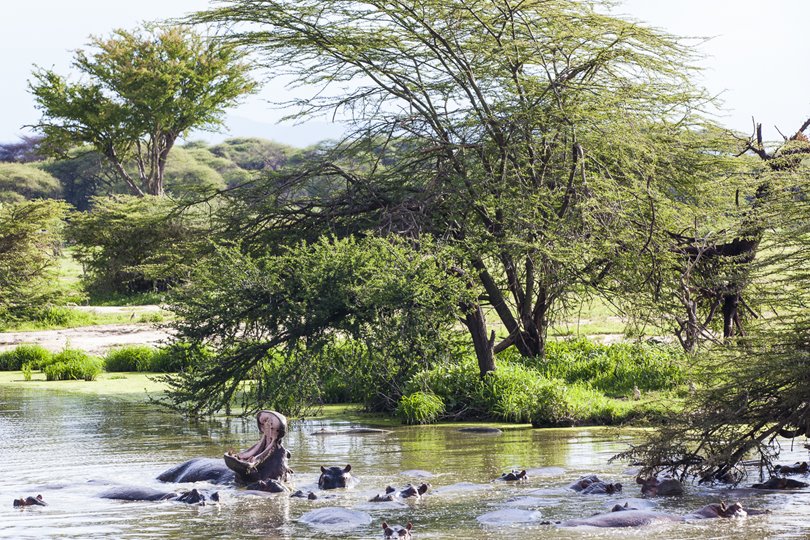
In the late afternoon, you track wildlife along the riverbanks, where crocodiles bask and hippos wallow in the shallows. Birdlife here is prolific, with raptors, kingfishers, and colorful bee-eaters adding vibrant variety to your portfolio.
As the day ends, you capture the park bathed in golden evening light, with the silhouettes of elephants or giraffes against the fiery African sky. Return to camp for dinner, where a campfire under the stars sets the stage for stories and photo-sharing. Tonight, the distant roar of lions or the haunting call of a hyena may accompany your sleep.
Today brings a different perspective on Ruaha’s wilderness. Instead of heading out in a vehicle at dawn, you begin with a guided walking safari, led by an armed ranger and your expert naturalist guide. This slower, ground-level exploration allows you to experience the bush in its most intimate form. Every sound and detail becomes sharper—the rustle of leaves in the breeze, the tracks of a lion imprinted in the sand, or the calls of hornbills echoing through the baobab forest. For photographers, this is a chance to capture the small details often overlooked on game drives: colorful butterflies, unique plants, and dramatic macro shots of textures like bark and animal tracks.
After the walk, you return to camp for a hearty brunch and a few hours of rest, perhaps taking time to download and review images or simply enjoy the quiet beauty of your surroundings.
In the afternoon, you set out once more for a game drive focused on predators and river scenes. The Great Ruaha River comes alive as elephants descend for water, crocodiles lie in wait, and hippos stir from their daytime slumber. Lions are often seen in ambush near the riverbanks, while leopards prowl in the dense vegetation nearby. With the light growing softer, your guide positions the vehicle perfectly for dramatic low-angle and silhouette photography.
As the sun dips below the horizon, you pause for sundowners in the bush before returning to camp. Tonight, enjoy dinner under lantern light, followed by the option of a short night drive to search for elusive nocturnal creatures such as civets, genets, and even the rare aardvark—an exciting photographic challenge under the stars.
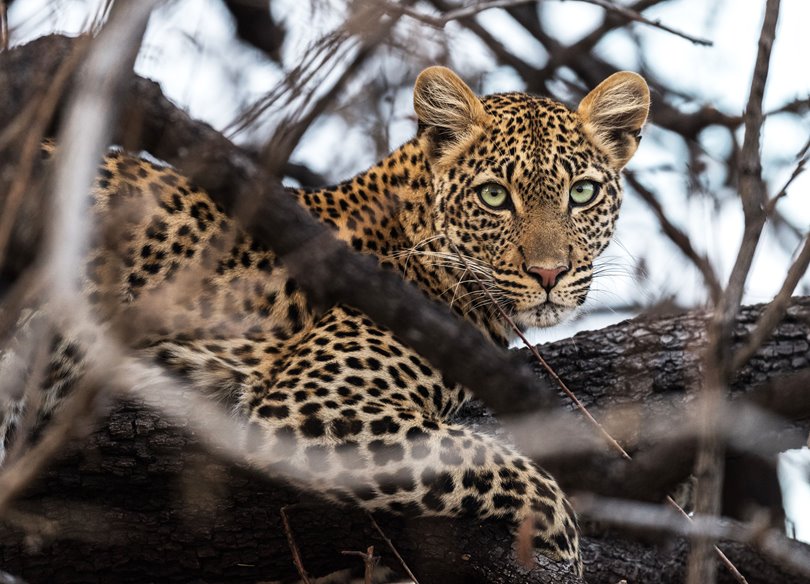
Rise before dawn to head into the remote heart of Ruaha National Park, where the wildlife is abundant and the terrain dramatic. This full-day safari focuses on photographing predators in their natural habitats—lions resting on termite mounds, leopards moving stealthily through acacia and riverine woodlands, and cheetahs scanning the open plains for prey. Your guides position the vehicle to provide unobstructed views and the best light, ensuring your shots capture both action and detail.
As morning progresses, you may encounter large elephant herds crossing riverbeds, sable and roan antelopes grazing gracefully, and giraffes silhouetted against the early sun. Birdlife is prolific, offering opportunities for raptor-in-flight photography and vibrant color shots against the savannah backdrop.
Midday is spent at a shaded picnic site, where you can review and adjust your photography settings, prepare lenses for long-distance shots, and enjoy lunch while taking wide-angle landscape photos of Ruaha’s rolling hills, kopjes, and river systems.
In the afternoon, your guide takes you to less-visited parts of the park, where you may witness rare predator-prey interactions. As the golden hour approaches, dramatic light enhances every shot—lions silhouetted against fiery skies, cheetahs stretching before sunset, and elephants framed by baobabs.
Return to camp at dusk, where you enjoy dinner under the star-strewn African sky. Tonight, reflect on the day’s photographic highlights, organize your images, and prepare your equipment for another early morning of intense wildlife photography, knowing that Ruaha’s predators and landscapes will continue to offer remarkable scenes.
Begin the day before sunrise with a morning game drive along Ruaha’s major riverbeds, where wildlife gathers to drink and interact. This area is a hotspot for African wild dogs, whose coordinated hunting behaviors make for extraordinary photographic opportunities. Your guides know the best vantage points, allowing you to capture the pack in motion, often against dramatic light and rugged terrain.
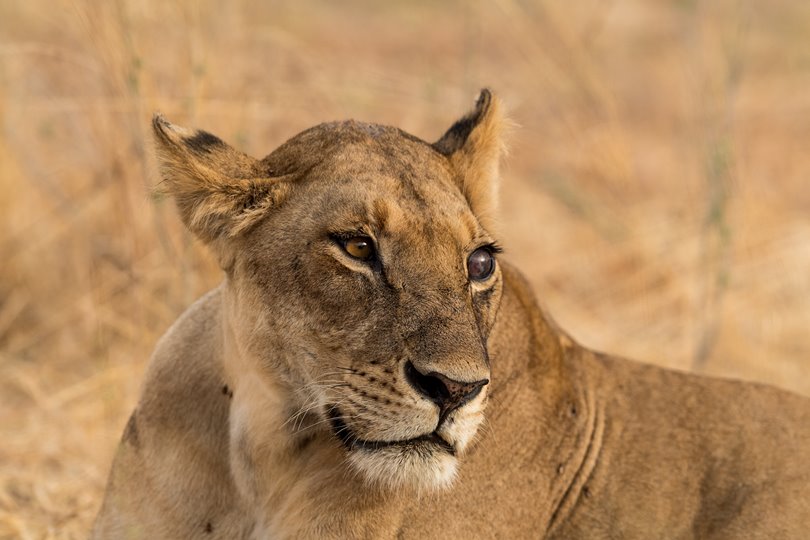
As the morning unfolds, lions and leopards are also active near water sources. Lions may be seen lounging in the shade of baobabs or stalking prey along riverbanks, while leopards move quietly through thickets. Cheetahs on the plains add dynamic action, with guides ensuring you are positioned to capture high-speed chases in optimal light.
Mid-morning, pause for a photo review session at a shaded picnic site, where your guides provide tips on composition, shutter speed, and framing for action shots. Enjoy a light brunch while photographing elephants, giraffes, and buffalo herds, adding context and variety to your portfolio.
The afternoon drive continues with a focus on riverbank activity, capturing crocodiles, hippos, and abundant birdlife. The late afternoon golden hour provides soft, warm light perfect for silhouettes, dramatic close-ups, and panoramic landscape shots. The combination of predators, elephants, and iconic Ruaha scenery ensures your images are diverse and visually striking.
Return to camp at dusk for dinner under the star-lit sky, followed by a review of your day’s work. By now, your portfolio will be rich with predator action, wildlife behavior, and Ruaha’s signature landscapes, setting the stage for the final days of your photo safari.
Wake up before dawn to capture Ruaha’s plains bathed in the soft morning light, ideal for photographing predators in action. After a light breakfast at camp, set out on a morning game drive focusing on lions, leopards, and cheetahs in some of the park’s most scenic areas. Your guides position the vehicle for optimal angles, allowing you to frame dramatic action shots, intimate predator portraits, and wildlife interactions.
By mid-morning, shift attention to the park’s landscapes and megafauna. Elephants and giraffes often provide perfect composition elements against Ruaha’s iconic baobabs, while sable and roan antelopes add color and movement to wide-angle shots. Birdlife, including raptors and colorful bee-eaters, offers opportunities for high-speed photography and creative framing.
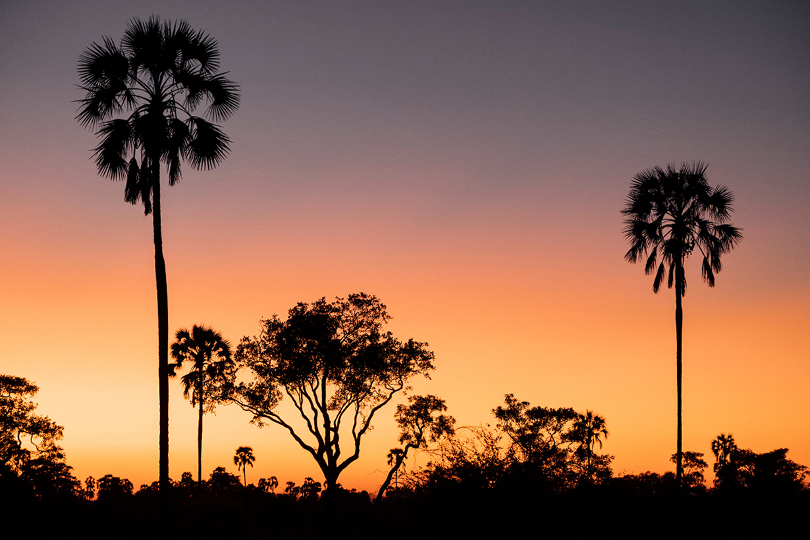
After lunch at the camp, take a brief rest before heading out for an afternoon game drive. Focus on remote areas where wildlife is less disturbed, including river crossings and hidden predator ambush spots. As the sun begins to descend, the golden hour creates warm light and long shadows, perfect for dramatic silhouettes of lions on termite mounds, leopards in trees, and elephants framed by towering baobabs.
Return to camp at dusk for sundowners and a gourmet dinner under the star-strewn African sky. Spend the evening reviewing your images and preparing equipment for the final full day of photography, ensuring that you are ready to capture Ruaha’s wildlife and landscapes at their most photogenic on Day 9.
Begin the day with a pre-dawn game drive, capturing Ruaha’s wilderness in the magical early morning light. Today’s focus is on maximizing your predator photography, revisiting prime lion, leopard, and cheetah territories to capture any animals you may have missed or want from a new angle. With expert guidance, you can photograph lions lounging on kopjes, leopards moving stealthily through dense thickets, and cheetahs sprinting across the open plains, creating a dynamic and action-packed portfolio.
Mid-morning, pause at a scenic riverbank or shaded picnic site to review your shots and prepare lenses for long-range and landscape photography. Take the opportunity to photograph elephant herds moving gracefully among baobabs, giraffes feeding on acacias, and buffalo herds crossing the plains, adding depth and context to your wildlife collection.
The afternoon drive leads you to some of Ruaha’s most photogenic locations, including hidden waterholes, dramatic river bends, and high vantage points for panoramic sunset shots. The golden hour casts warm, soft light, ideal for silhouettes and atmospheric compositions featuring predators, elephants, and iconic Ruaha landscapes.
Return to camp as dusk falls for a farewell dinner under the starry African sky, celebrating the completion of an unforgettable safari. Tonight, reflect on the incredible diversity of wildlife captured—from elusive predators and large elephant herds to stunning baobab-studded landscapes. By the end of Day 9, your photography portfolio will be rich, diverse, and uniquely Ruaha, showcasing one of Tanzania’s most rewarding and remote wildlife destinations.
On your final day, wake up before dawn for one last opportunity to capture the magic of Ruaha in the soft morning light. Embark on a short morning game drive focused on any wildlife you may have missed—lions stretching or playing, leopards perched in trees, or elephants moving gracefully among the baobabs. The golden hour light enhances every shot, providing perfect conditions for final action, portrait, and landscape photography.
After the drive, return to camp for a hearty breakfast and packing, taking time to organize your photographs and reflect on the incredible moments of the past 10 days. This is also a chance for last-minute landscape and wildlife shots from the camp’s vantage points, capturing Ruaha’s sweeping plains, dramatic kopjes, and river systems one final time.
Following breakfast, transfer to the airstrip for your flight back to Dar es Salaam, where your Tanzanian adventure concludes. As you fly over the park, take in one last sweeping view of the vast wilderness you’ve explored and photographed, knowing you’ve experienced one of Africa’s most remote and rewarding safari destinations.
By the end of Day 10, you leave with a rich, diverse, and professionally-worthy portfolio, including predators in action, elephants and giraffes in iconic Ruaha settings, and stunning golden-hour landscapes—memories and images that will last a lifetime.

Download this tour's PDF brochure and start your planning offline.
Let’s clarify your confusions. Here are some of the Frequently Asked Questions which most of our client asks.
Looking for more info? Send a question to the tour agent to find out more.
A photo safari is designed for photographers, focusing on maximizing opportunities to capture wildlife, landscapes, and action sequences while providing guidance on lighting, composition, and timing.
Expect lions, leopards, cheetahs, elephants, African wild dogs, and a variety of herbivores such as giraffes, buffalo, sable, and roan antelope. Birdlife is abundant, including raptors and colorful species like bee-eaters.
Early morning and late afternoon (golden hours) provide soft, warm light ideal for wildlife and landscape photography. Midday is used for photo reviews or shaded bush stops.
Yes. The safari includes three premium camps/lodges—Jabali Ridge, Kigelia Ruaha, and Ikuka Safari Camp—all strategically located for access to wildlife hotspots and scenic landscapes.
Bring a telephoto lens (200mm+), wide-angle lens, extra batteries, memory cards, and a tripod if desired. Guides provide photography tips, but do not supply equipment.
Absolutely. Guides position vehicles for optimal angles, minimal disturbance, and the best light, ensuring photographers can capture predators and landscapes effectively.
Yes. Guided walking safaris allow you to experience the bush at a slower pace, photographing smaller wildlife, tracks, and bush details up close.
Yes. Guides offer personalized support, helping both beginners and experienced photographers capture high-quality wildlife images.
Yes. Optional night drives allow for capturing nocturnal wildlife under natural lighting, adding unique images to your portfolio.
Accommodation, meals, domestic flights, park fees, game drives, walking safari, photography guidance, airport transfers, and sundowners are all included.