
Experience the ultimate Tanzania Photo Safari, a 12-day adventure designed for photographers and wildlife enthusiasts. This journey takes you through Tarangire National Park, the Ngorongoro Crater, and the Serengeti, offering unmatched opportunities to capture Africa’s wildlife and landscapes. With expert guides and luxury accommodations, you will enjoy comfort, adventure, and professional photographic experiences.
Your journey begins in Arusha at the elegant Coffee Lodge. Here, you can relax, check your camera gear, and enjoy your first sunset over the African plains. Then, head to Tarangire National Park, famous for its massive elephant herds and iconic baobab trees. Over two days at Asilia Tarangire Oliver’s Camp, you will take morning and evening game drives. These are the perfect times to photograph elephants, lions, giraffes, and exotic birds in their natural habitat.
Next, visit the Ngorongoro Conservation Area and stay at Nomad Entamanu. The crater’s unique ecosystem offers rare photographic moments. You may spot black rhinos, lions, and abundant herbivores. Sunrises and sunsets provide dramatic lighting against the crater walls. Each scene feels like a natural masterpiece waiting to be captured.
Then, explore the Serengeti National Park, staying four nights at The Wilderness Usawa. The plains are alive with wildebeest, zebras, and predators. Your guide will help you find the best photo opportunities at dawn and dusk. Finally, experience the Northern Serengeti migration at Alakira Migration Camp by Asilia. Witness river crossings, predator-prey interactions, and vast migratory herds.
This 12-day safari guarantees a once-in-a-lifetime photographic adventure. You will return home with unforgettable wildlife images and memories of Africa’s most spectacular landscapes.
12 Days
11 Nights
LUXURY SAFARI
2-7
English, France, Germany, Spain
12-day photography-focused safari across Tanzania’s top wildlife regions.
Expert-guided game drives in Tarangire, Ngorongoro, and Serengeti.
Prime photo opportunities of the Big Five, migratory herds, and predators.
Luxury accommodations at Coffee Lodge, Asilia Tarangire Oliver’s Camp, Nomad Entamanu, The Wilderness Usawa, and Alakira Migration Camp.
Northern Serengeti migration experience, including dramatic river crossings and predator-prey interactions.
Sunrise and sunset photography sessions in iconic African landscapes.
Diverse wildlife encounters, including elephants, lions, rhinos, giraffes, zebras, and exotic birds.
Small-group safari experience for personalized attention and photography guidance.
Scenic drives and landscape photography opportunities in baobab-studded Tarangire and the Ngorongoro Crater.
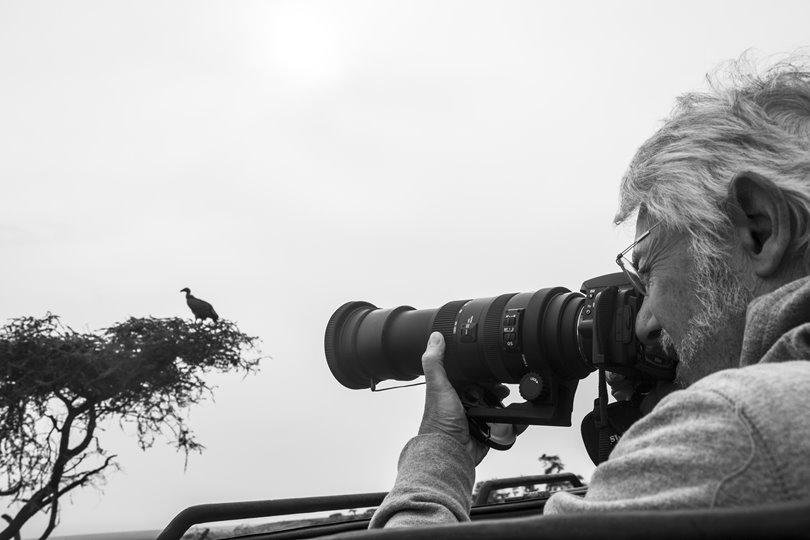
Can be customized
Can start any day
Luxury Travelers
Private Safari
Wildlife photographers (all levels)
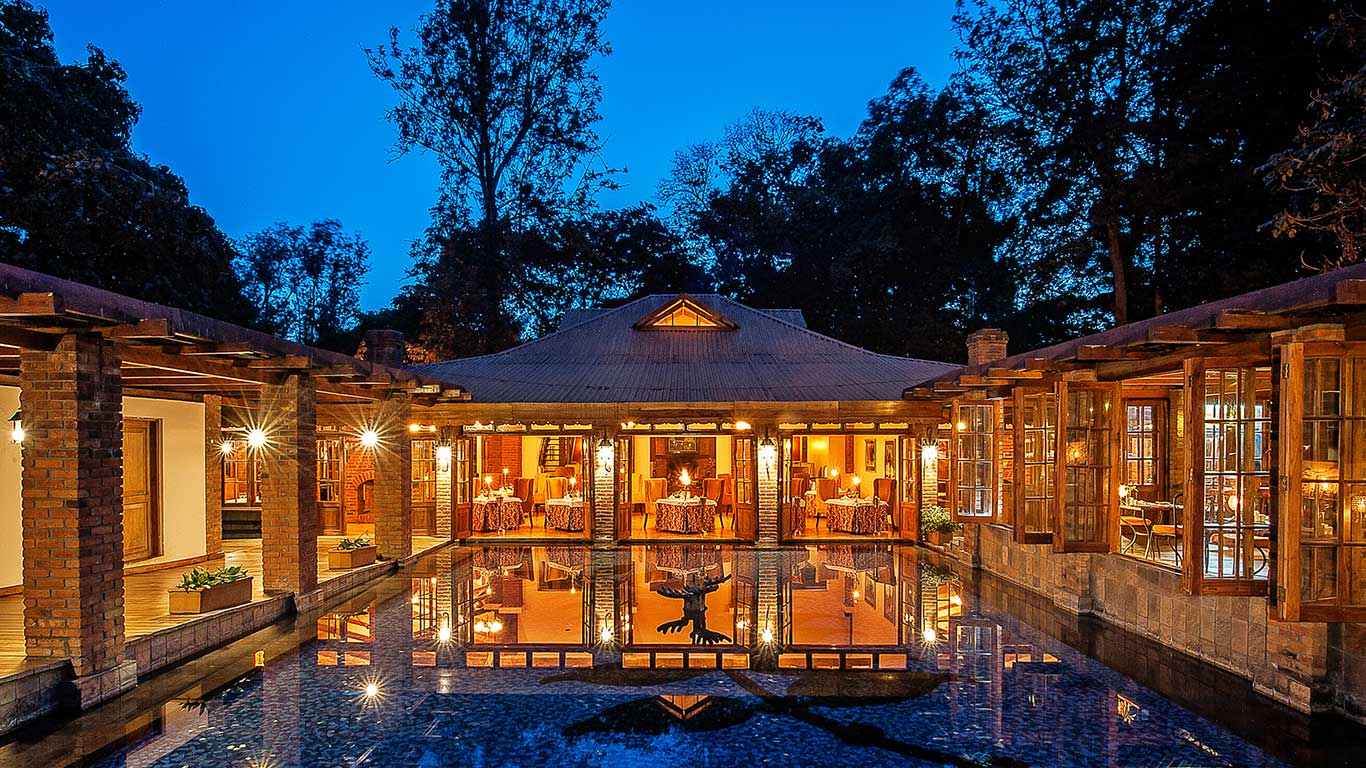
Arrive at Kilimanjaro International Airport, where your professional safari guide will meet you. After a warm welcome, transfer to Coffee Lodge Arusha, a charming lodge set amid lush gardens and coffee plantations. Take some time to relax and unwind after your flight.
In the afternoon, explore the lodge’s surroundings or enjoy the facilities. This is a great opportunity to practice low-light and landscape photography in a calm setting. As the sun sets, capture your first African sunset, a perfect introduction to the vibrant colors of Tanzania.
In the evening, enjoy a delicious welcome dinner at the lodge. Your guide will provide a briefing about the safari ahead, covering the itinerary, photography tips, and what wildlife to expect. Rest well tonight to prepare for your first game drive tomorrow in Tarangire National Park.

After an early breakfast, leave Arusha and travel to Tarangire National Park, a region often called the home of elephants. The drive itself offers photo stops along the way, where rural life, Maasai herders, and rolling landscapes provide excellent opportunities for cultural and scenic photography.
By midday, you arrive at Asilia Tarangire Oliver’s Camp, set deep in the wilderness. After a light lunch and a short rest, join your professional photographic guide for your first game drive inside Tarangire. This is when the safari begins in earnest.
The park is celebrated for its large elephant herds, sometimes numbering in the hundreds, moving together across the plains. These moments are perfect for capturing both wide-angle scenes that show elephants against dramatic baobab silhouettes, and close-up portraits that highlight textures in their skin or intimate behavior between calves and mothers. Your guide will ensure the vehicle is well-positioned to maximize light, angle, and background.
Tarangire also hosts an impressive density of predators and herbivores. Lions often rest under shady acacia trees, while leopards may be spotted draped across branches. Giraffes, zebras, wildebeest, and buffalo dot the plains, offering endless opportunities for layered compositions and dynamic action shots. With over 400 recorded species of birds, the park is also a dream for bird photographers. Look out for lilac-breasted rollers in flight, ostriches striding across the grassland, and raptors circling in the thermals.
As the afternoon light softens into golden hues, you’ll capture iconic silhouettes and glowing landscapes. Your guide will time stops so you can make the most of the light. The day ends with sundowners in the bush before returning to camp.
At Oliver’s Camp, enjoy dinner under the stars. Afterward, review your photos, exchange tips with your guide, and, if skies are clear, experiment with night photography, capturing the Milky Way above the African wilderness.
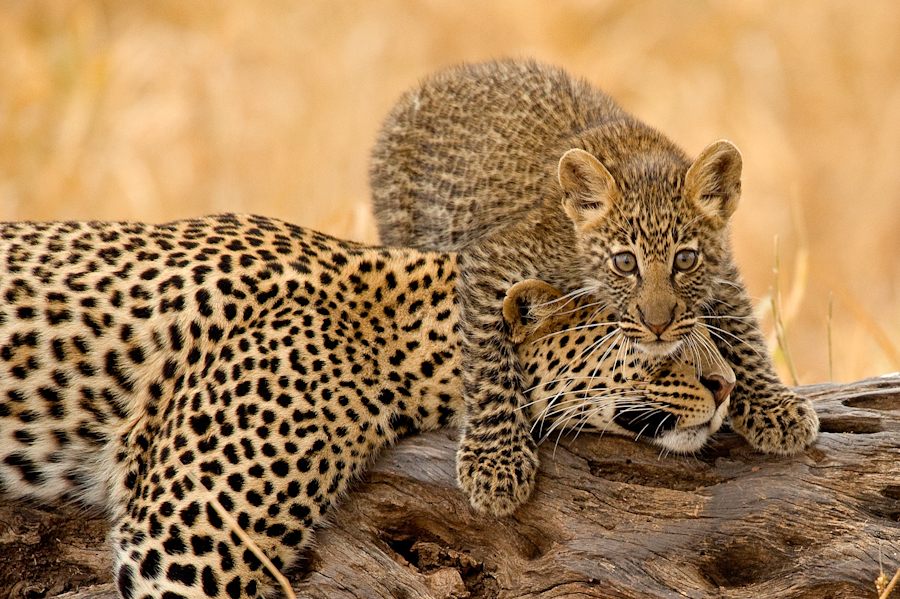
Rise early for a sunrise game drive in Tarangire National Park. Morning light is soft and golden, ideal for capturing elephants as they move through the misty savanna. Your professional photographic guide will position you for low-angle shots, silhouettes, and dramatic compositions. Focus on herds crossing the river, calves following their mothers, and the dust kicked up as they walk—each detail telling a story through your lens.
Tarangire’s reputation as the home of elephants makes this one of the best days to capture intimate wildlife moments. You may also encounter lions returning from a night hunt, leopards retreating into the trees, or giraffes feeding against the rising sun. Bird photographers will find raptors in flight, colorful rollers, and storks feeding near waterholes. With your guide’s help, you’ll anticipate behavior and adjust settings quickly to freeze action or create motion blur for creative effect.
Return to Oliver’s Camp for breakfast and a break. Midday is perfect for landscape photography around the camp, where ancient baobabs stand like natural monuments. Use wide-angle lenses to emphasize scale, or practice macro photography on smaller details like insects, textures, and plant life.
In the afternoon, head out again when the light softens for the golden hour. This is the best time to capture predator-prey interactions, elephants drinking at waterholes, or herds moving across glowing grasslands. Your guide will help you experiment with different angles—shooting into the light for striking silhouettes, or positioning behind the light for crisp detail and rich color.
After sunset, return to camp for dinner. Later, set up for night photography under one of Africa’s clearest skies. The stillness of the bush, with stars arching overhead, creates unforgettable long-exposure opportunities.
After breakfast, depart Tarangire and travel towards the Ngorongoro Conservation Area. The drive itself offers many opportunities for photography: rolling highland landscapes, Maasai villages, and sweeping views of the Great Rift Valley. Stop for scenic shots along the way, capturing the contrasts between people, wildlife, and land.
By afternoon, arrive at Nomad Entamanu, a luxury camp perched on the rim of the Ngorongoro Crater. Its position offers sweeping panoramas that are perfect for wide-angle photography. From here, you can capture changing light over the crater floor, with layers of mist, clouds, and sun creating ever-shifting moods.
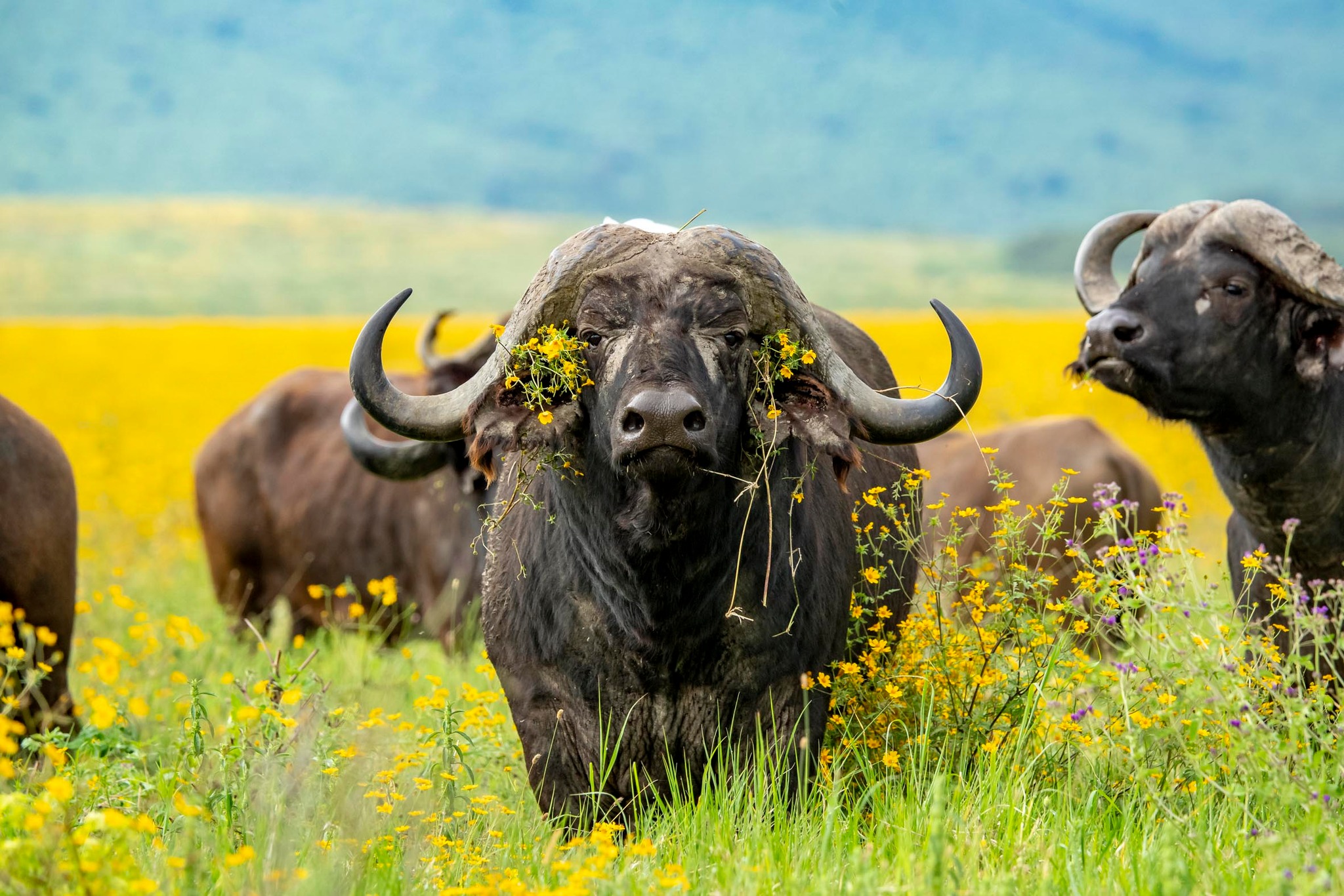
Later, descend into the Ngorongoro Crater for a game drive. The crater is a UNESCO World Heritage Site and often described as one of the best wildlife photography arenas in Africa. Its enclosed ecosystem provides close encounters with large herds of wildebeest, buffalo, and zebra, as well as predators like lions and hyenas. Keep your telephoto lens ready for chances to photograph the rare black rhino, which is best spotted in the open grasslands.
Your photographic guide will position you carefully to maximize lighting and framing. Afternoon light in the crater is excellent for capturing animal reflections near lakes, birdlife wading through shallow waters, and dramatic crater walls rising in the background.
Return to Nomad Entamanu in time for sunset. The vantage point above the crater rim is ideal for silhouette shots of acacia trees, wide landscape panoramas, and golden sky horizons. Dinner is served under the stars, followed by the chance to practice night photography with the crater rim’s clear, high-altitude skies.
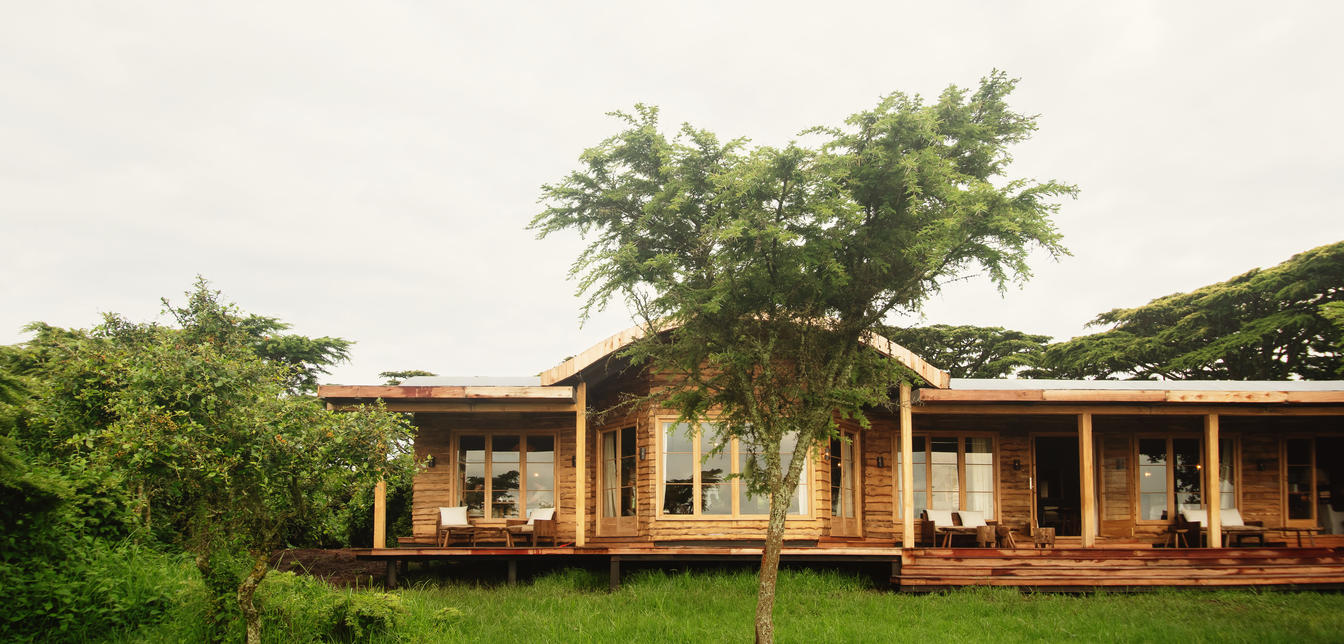
Wake before dawn for a sunrise descent into the Ngorongoro Crater. Morning mist often drifts across the rim, creating atmospheric wide-angle shots before you even reach the crater floor. As you descend, capture sweeping panoramas with dramatic light breaking over the crater walls.
Once inside, the day is dedicated to wildlife photography in one of the most unique ecosystems on Earth. The crater floor is a natural stage where animals are visible at close range. Focus your lens on grazing herds of wildebeest, zebra, and buffalo, often with predators like lions or hyenas nearby. Your professional guide will position you for the best angles and help anticipate animal interactions, ensuring you capture both action and detail.
One of today’s key highlights is the chance to photograph the critically endangered black rhino. While sightings are rare, the open grasslands offer some of the best opportunities in East Africa to capture these magnificent animals in natural light. Flamingos and pelicans gathering at Lake Magadi also make excellent subjects, especially when framed against the crater’s vast backdrop.
A picnic lunch is served at a scenic spot, giving you time to review the morning’s shots. Even during midday, the crater offers plenty of photographic potential: close-ups of birds, playful baboons, and elephants wandering near the swamps. Your guide will recommend camera settings to adjust for changing light conditions.
In the afternoon, continue your exploration of the crater. The soft golden light near sunset enhances textures on animal coats, highlights dust trails from moving herds, and creates perfect silhouettes against the crater rim.
Return to Nomad Entamanu in the evening. From the rim, capture the fading light over one of Africa’s most iconic landscapes before enjoying dinner. Clear skies here also allow for striking astrophotography, with the stars arching above the rim of the world’s largest intact caldera.
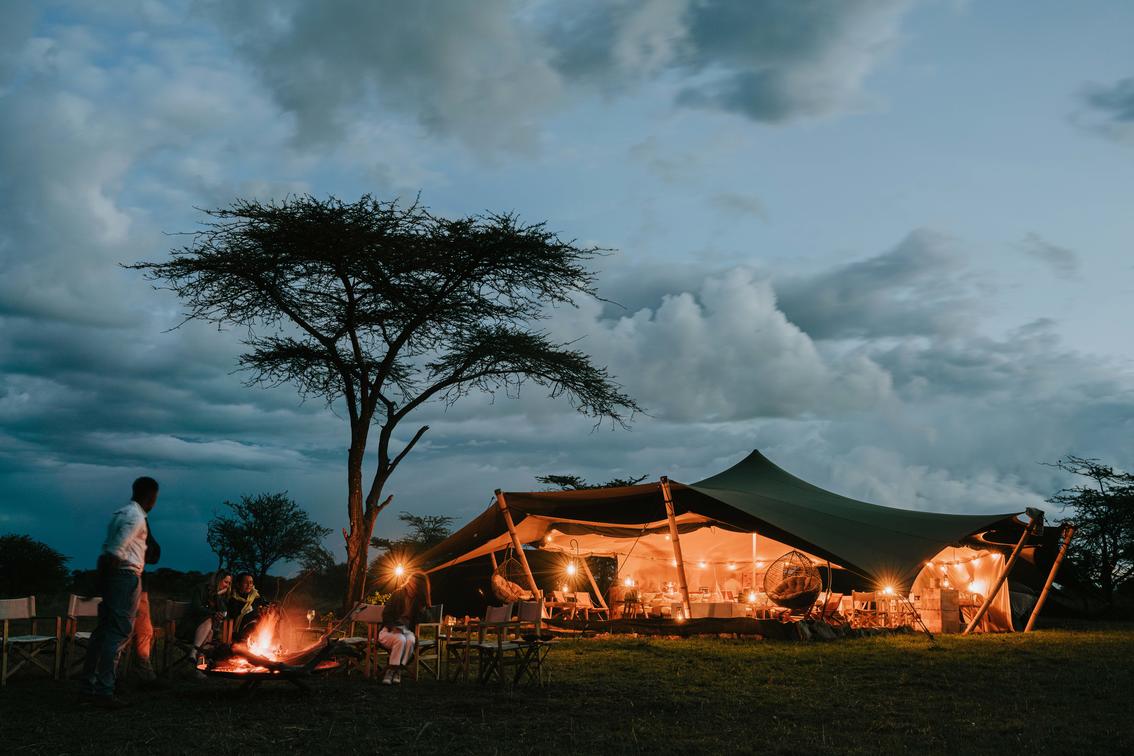
Wake up early for another short sunrise photo session at Entamanu Camp. The light over the Ngorongoro highlands is often breathtaking, and with mist rising from the crater rim, you have a chance to capture dramatic landscapes. After breakfast, begin your drive toward the Serengeti, with your cameras ready.
The route itself is a photographer’s journey. You’ll pass Maasai villages, sweeping savannahs, and dramatic escarpments before entering the Serengeti National Park through Naabi Hill Gate. Here, take a break to enjoy views over the vast plains. It’s also a great spot for wide-angle shots of the endless Serengeti horizon.
Once inside the Serengeti, the wildlife opportunities begin immediately. Herds of zebras, wildebeest, giraffes, and elephants often dot the grasslands, with predators such as lions and cheetahs never far away. Your professional photographic guide will position the vehicle for the best angles, ensuring you capture the drama and beauty of the Serengeti.
Arrive at Usawa Camp, your wilderness mobile camp, set in the heart of the central Serengeti. This camp is perfectly located to follow the migration and provide access to diverse habitats for your photography. In the late afternoon, head out for a golden-hour game drive, focusing on light and composition. You may capture lions on kopjes, elephants against a glowing sky, or silhouettes of acacia trees at sunset.
Return to camp after dark for a well-earned dinner. If skies are clear, consider a short night photography session — the Serengeti offers some of the darkest skies in Africa, perfect for astrophotography.
Overnight: Usawa by Wilderness (Central Serengeti)
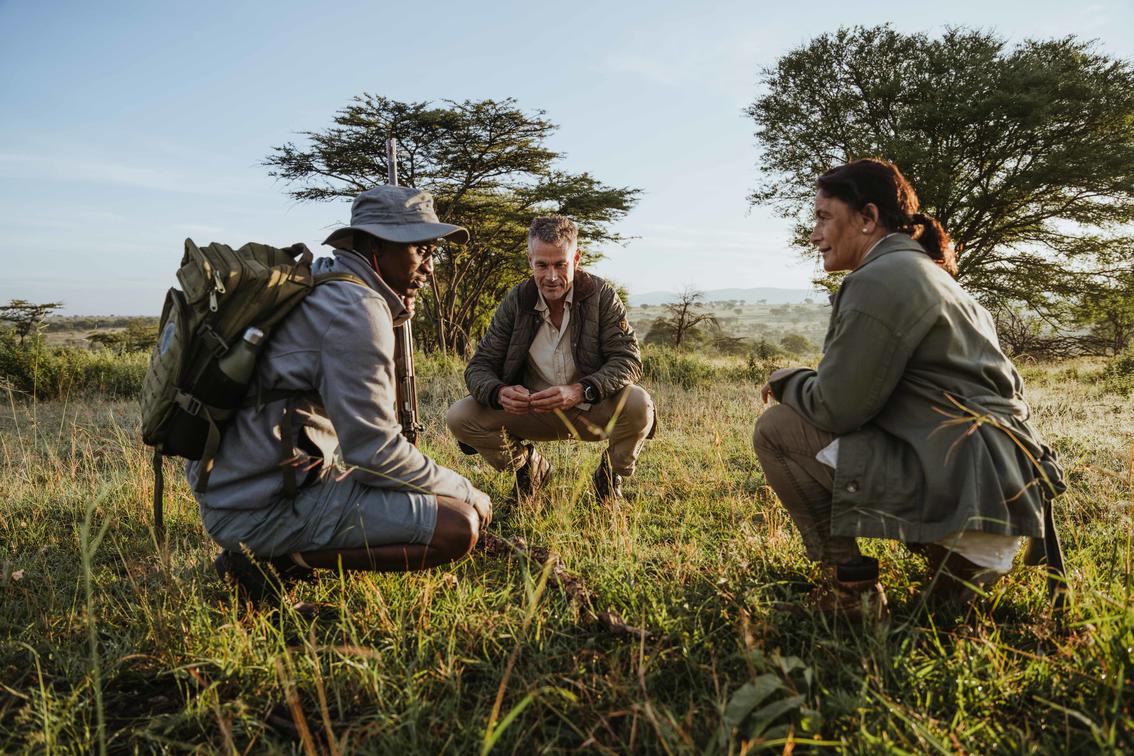
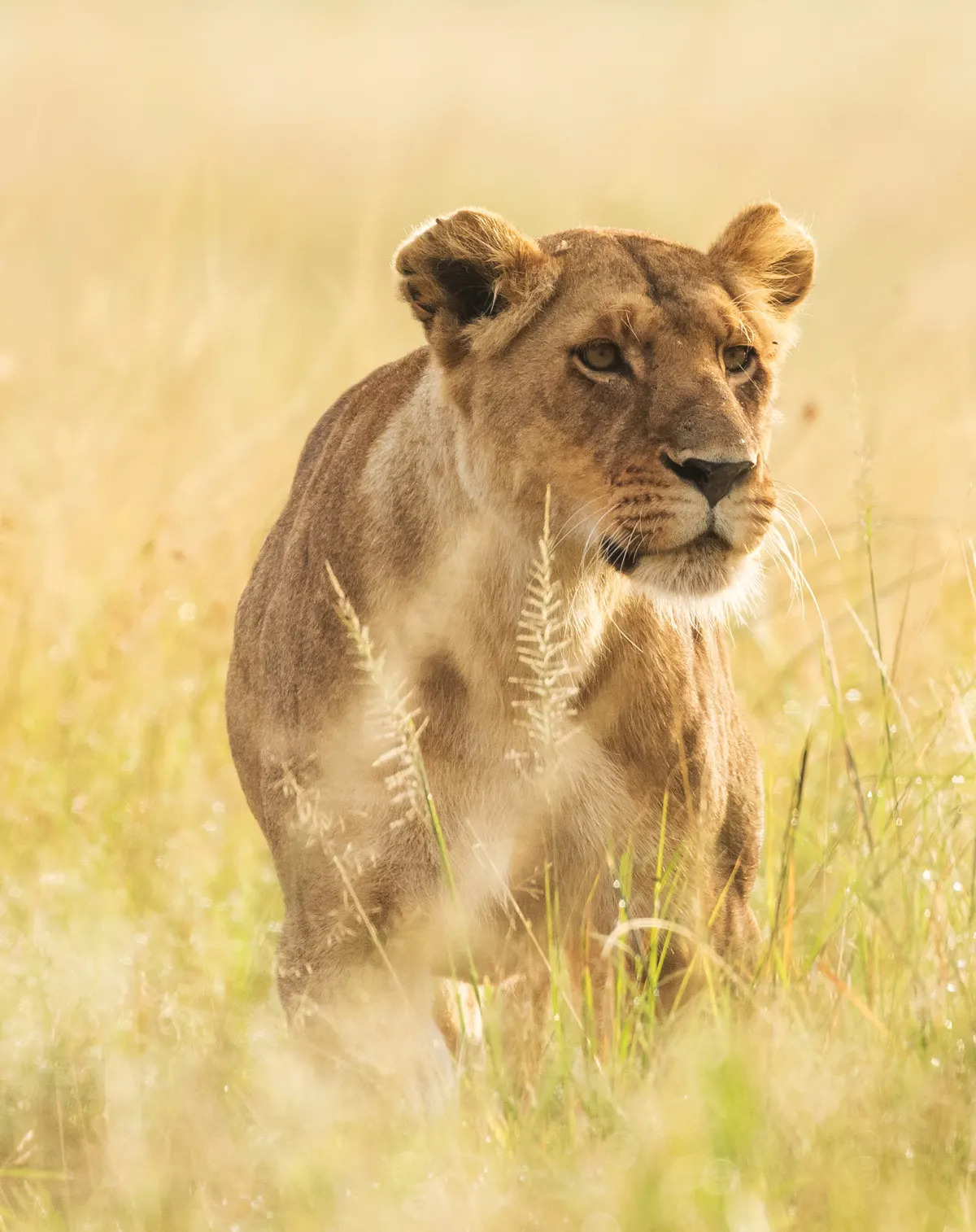
Today is all about big predators and the artistry of light. Begin with a pre-dawn wake-up call and a quick coffee before heading out. The first hours of daylight are often the most rewarding for photography — lions returning from a night’s hunt, hyenas active in the cool morning air, and leopards perched in acacia trees. Your professional photographic guide will help you anticipate animal movements and position the vehicle for the perfect shot.
The Serengeti’s central plains are famous for their resident lion prides and territorial cheetahs. Patience is key here, as you may spend extended time with a single subject, waiting for the right moment — a cub’s playful leap, a cheetah scanning the horizon, or a lioness leading her pride across the grasslands.
As the sun rises higher, shift focus to landscape photography. The Serengeti’s iconic kopjes, flat-topped acacias, and endless horizons provide dramatic backdrops. Wide-angle shots of elephants walking across the plains or zebras gathering at a waterhole capture the grandeur of this ecosystem.
Return to camp for brunch and a chance to download and review your images. Your guide or photo leader may offer optional editing sessions or discussions about improving your composition and use of light.
In the afternoon, set out again for a golden-hour safari. This time of day offers warm, soft lighting that enhances both wildlife portraits and landscapes. With luck, you may capture silhouettes of giraffes against the fiery Serengeti sunset — an unforgettable moment for any wildlife photographer.
End the day with sundowners in the bush before returning to camp for dinner under the stars.
Overnight: Usawa by Wilderness (Central Serengeti)
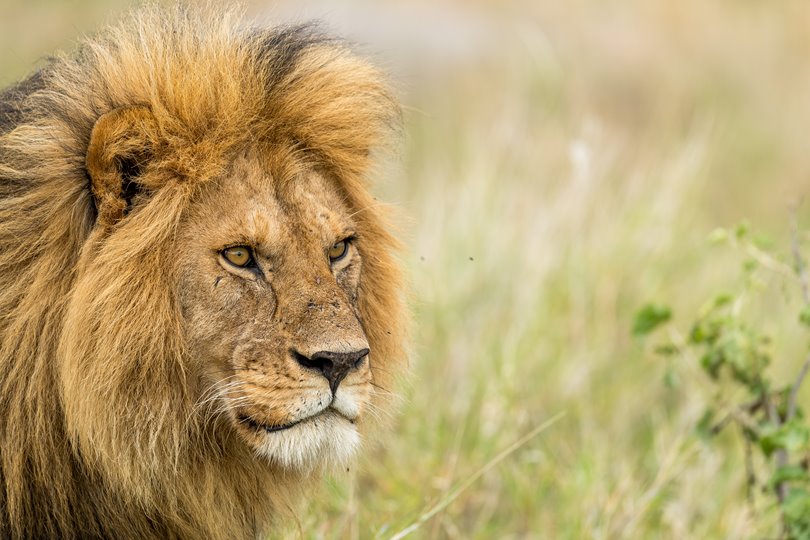
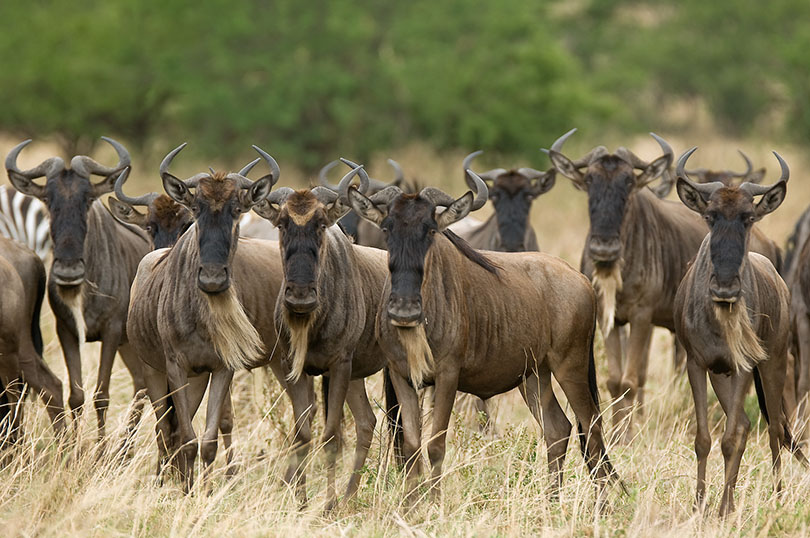
Wake up before sunrise and prepare for another full day of photographic exploration. Today’s focus is on the drama of the Great Migration. Depending on the herds’ movements, your guide will take you to areas where massive numbers of wildebeest and zebras gather. These vast herds provide incredible opportunities for both wide-angle storytelling and close-up action shots.
In the cool morning light, photograph long columns of wildebeest on the move, creating leading lines across the plains. Dust kicked up by thousands of hooves adds atmosphere, giving your images depth and texture. Predators are often nearby, so be ready for the possibility of dramatic predator-prey interactions — a cheetah chasing through the herd or lions stalking at the edges.
Break midday at a scenic picnic spot in the bush, where you can rest while still keeping your camera close. The Serengeti’s landscapes shift throughout the day, and even at rest stops, opportunities for wildlife and bird photography are everywhere.
In the afternoon, return to the migration herds, this time with the sun lower in the sky. Backlit photography works beautifully here — capturing golden halos around dust clouds, wildebeest silhouettes, and zebras shimmering in the fading light. If conditions are right, you may even capture dramatic shots of river crossings, with splashing water and frenzied energy.
Return to Usawa Camp at dusk. After dinner, gather around the campfire to share highlights with fellow photographers. For those with energy left, your guide may set up a tripod session to capture night skies over the Serengeti — a unique chance to photograph the Milky Way above acacia trees.
Overnight: Usawa by Wilderness (Central Serengeti)
Your final full day in the Central Serengeti begins with another early start. By now, you’ll have captured dramatic action and sweeping migration scenes, so today’s focus shifts toward creativity and fine-tuning your photographic storytelling.
As the sun rises, explore the smaller details often overlooked. Macro and telephoto lenses come into play here — close-ups of zebra patterns, elephant eyes, giraffe tongues stripping leaves, or oxpeckers perched on buffalo. These intimate portraits bring diversity to your photo collection and highlight the Serengeti’s beauty beyond the big predators.
Bird photography is especially rewarding in this region. Lilac-breasted rollers, secretary birds, crowned cranes, and vultures provide chances for sharp flight shots and vibrant color against the sky. Your professional guide will help position the vehicle to maximize background and lighting for the perfect composition.
Return to camp for a relaxed midday editing session. This is a chance to review your portfolio, experiment with black-and-white conversions, or discuss storytelling techniques with your photographic guide.
In the afternoon, head out for your last golden-hour drive in Central Serengeti. Focus on building narrative sequences — a lion family waking from their siesta, elephants moving in a line across the plains, or wildebeest calves nursing under the fading light. Silhouettes of giraffes or acacias against the fiery sunset provide powerful closing images to your Serengeti story.
Back at camp, enjoy your final night at Usawa with a farewell dinner under the stars. If skies are clear, end the evening with another astrophotography session — capturing star trails or the Milky Way arching above the savannah.
Overnight: Usawa by Wilderness (Central Serengeti)
After an early breakfast at Usawa Camp, depart for the Northern Serengeti, where the Great Migration often congregates near the Mara River. The journey itself is rich with photographic opportunities: sweeping plains, kopjes, acacia-studded landscapes, and occasional Maasai villages provide excellent compositions for landscape and wildlife photography. Your professional photographic guide will assist in framing shots and anticipating animal behavior along the route.
Arrive at Asilia Olakira Migration Camp, a mobile luxury camp ideally located near migration hotspots. After settling into your tent, embark on an afternoon photographic game drive. Here, massive herds of wildebeest and zebras create endless action shots, dust-filled motion, and dramatic scenes perfect for storytelling. Predators such as lions, leopards, and cheetahs are often nearby, offering prime opportunities for capturing predator-prey dynamics.
Golden hour in the Northern Serengeti is particularly spectacular. The warm light enhances textures on animal coats, highlights the dust trails behind moving herds, and silhouettes acacia trees against vibrant skies. Birds along the riverbanks and in the surrounding plains provide additional colorful subjects for photography enthusiasts.
Return to Asilia Olakira Migration Camp at sunset for sundowners and dinner under the stars. The camp’s intimate and mobile setup also allows for night photography, including star trails and Milky Way shots, providing a perfect end to a day full of photographic adventure.
Overnight: Asilia Olakira Migration Camp – Northern Serengeti (Kogatende)
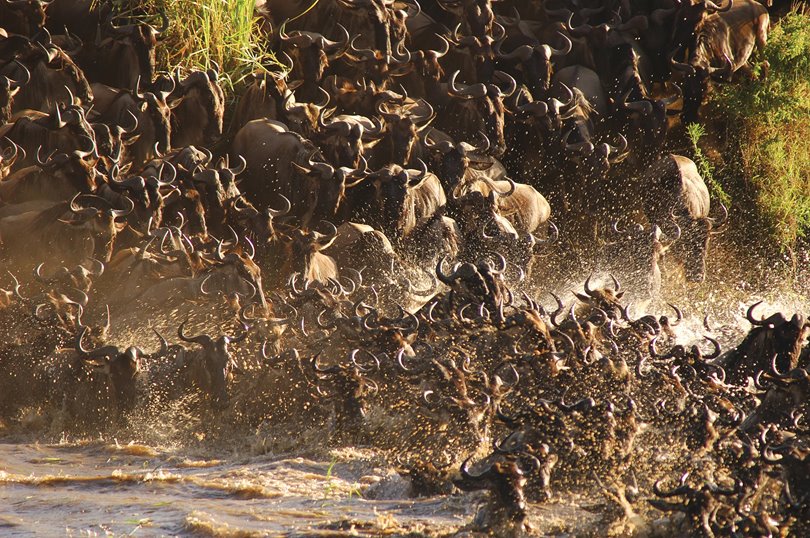
Wake up before dawn for a sunrise game drive, when the light is soft and golden, ideal for photographing the dramatic landscapes of the Northern Serengeti. Today, your focus is on the Great Migration in action, with opportunities to capture wildebeest and zebra herds moving across the plains and congregating near the Mara River.
Your professional photographic guide will position the vehicle for optimal angles, helping you anticipate wildlife movements and maximize your shot composition. If you’re lucky, you may witness river crossings, a once-in-a-lifetime photography moment. Capture wildebeest leaping into rushing water, crocodiles lurking beneath the surface, and the chaos of herds scrambling across the river — all framed by dramatic sunlight and dust-filled air.
Predators are active in this area, and your guide will ensure you’re in the best position to photograph lions, cheetahs, and hyenas interacting with the migrating herds. Close-ups of action, wide-angle shots of entire herds, and dramatic silhouette compositions are all possible today.
Take a midday break at Asilia Olakira Migration Camp, where you can review your images, adjust settings, and prepare for an afternoon session. The soft light of late afternoon is perfect for backlit wildlife portraits, capturing the glow on elephant ears, zebra stripes, or dust clouds behind running herds.
As the sun sets, enjoy golden-hour photography from elevated spots near kopjes. Silhouettes of acacia trees, predators, and migration herds against fiery skies create unforgettable compositions. Return to camp for sundowners and a final dinner under the stars, with optional night photography to capture the Milky Way over the Northern Serengeti.
Overnight: Asilia Olakira Migration Camp – Northern Serengeti (Kogatende)
Begin your final day with an early morning game drive in the Northern Serengeti. The soft dawn light casts long shadows and warm tones over the plains, perfect for capturing final portraits of wildlife. Focus on lingering migration herds, grazing elephants, and solitary predators in the serene morning glow. Your professional photographic guide will help you anticipate animal behavior and find the best angles for memorable shots.
After the morning drive, return to Asilia Olakira Migration Camp for breakfast. Take a few moments to capture camp life and scenic surroundings — tents framed by acacias, soft light filtering through the grasslands, and reflections in nearby waterholes. These images add variety and context to your safari portfolio.
Once packed, depart the camp for your onward transfer. Depending on your travel plans, you can fly from Kogatende airstrip to either Arusha or Kilimanjaro International Airport, or continue to Zanzibar if combining the safari with a beach getaway. Along the transfer route, your guide may stop for additional photo opportunities of landscapes, Maasai villages, and wildlife encountered en route.
Reflect on the unforgettable photographic experiences of the past 12 days — from Tarangire’s elephant herds, Ngorongoro’s crater wildlife, Central Serengeti’s predators, to the dramatic migration action in Northern Serengeti. You leave with a rich collection of professional-grade images, memories of epic landscapes, and stories of Africa’s most iconic wildlife.
End of Safari

Download this tour's PDF brochure and start your planning offline.
Let’s clarify your confusions. Here are some of the Frequently Asked Questions which most of our client asks.
Looking for more info? Send a question to the tour agent to find out more.
The dry season (June to October) is ideal, as wildlife gathers around water sources, and the skies are clear for dramatic landscape and star photography. The migration peaks in the Northern Serengeti around July–September.
Yes. Breakfast, lunch, and dinner are included at all camps and lodges. Picnic lunches are provided during game drives, allowing you to shoot while observing wildlife.