0 Adults
Adults
-
+
Loader
Thank You

Thank you for choosing Paul Tours Safari!

Your booking has been successfully received. Our team will be in touch shortly with your detailed itinerary and next steps. If you have any questions or special requests, feel free to contact us at [email protected].

We look forward to providing you with an unforgettable safari experience!

 Warm regards,
 The Paul Tours Safari Team

  • Traveler info

Your information will be kept confidential to protect your privacy.

Booking Summary

8 Days Kilimanjaro Climb – Lemosho Route

30%

You have the option to make a partial payment of 30% to secure your tour booking. The remaining 70% must be paid at least 45 days before your arrival.

8 Days Kilimanjaro Climb – Lemosho Route

$2,800
  • Adult

The Lemosho Route offers the most scenic path to the summit of Mount Kilimanjaro. This eight-day trek provides excellent acclimatization, varied landscapes, and a high chance of reaching the summit. It is ideal for adventurers who want to experience Africa’s tallest mountain fully.

The climb begins in the lush rainforest. You may spot monkeys, exotic birds, and unique plants as you ascend. The trail then opens to the Shira Plateau, revealing panoramic views of Kilimanjaro’s snowcapped peak. Along the way, you trek past dramatic landmarks such as Lava Tower and the famous Barranco Wall, adding both challenge and breathtaking scenery. Each day balances trekking and rest, allowing your body to adjust to the altitude safely.

The journey’s highlight is the summit night. Starting just before midnight from Barafu Camp, you climb steadily with support from experienced guides. Reaching Uhuru Peak (5,895m), the highest point in Africa, rewards you with a spectacular sunrise over the continent. This moment marks the pinnacle of your adventure and a lifetime achievement.

The descent takes you through different ecological zones. You celebrate at Mweka Gate before returning to Moshi or Arusha for rest. The route combines the thrill of adventure with the comfort of structured support.

With its striking scenery, diverse terrain, and gradual ascent, the 8 Days Lemosho Route provides one of the safest and most rewarding ways to climb Kilimanjaro. Every step offers a mix of challenge, beauty, and the satisfaction of reaching Africa’s highest peak.

Duration

8 Days

7 Nights

Tour Type

MID RANGE

Group Size

2-10

Language

English, France, Germany, Spain

Highlights

Scenic Lemosho Route: Trek through rainforest, moorland, and alpine desert with panoramic views.

Gradual Acclimatization: Eight-day itinerary designed to maximize summit success.

Summit Uhuru Peak: Reach Africa’s highest point (5,895m) at sunrise.

Dramatic Landmarks: Pass Lava Tower, Barranco Wall, and Shira Plateau.

Expert Guides & Support: Experienced guides, porters, and full camping equipment included.

Wildlife & Nature: Spot monkeys, birds, and unique flora along the trail.

Comfortable Camps: Overnight stays in well-equipped camps along the route.

Memorable Achievement: Celebrate at Mweka Gate and enjoy a lifetime adventure.

Popular Features

Adventure Seekers

Can be customized

Can start any day

Included

  • Accommodation & Camping: 7 nights in fully equipped mountain camps Comfortable sleeping tents with mattresses Dining tents for meals
  • Meals & Drinks: All meals during the trek (breakfast, lunch, and dinner) Tea, coffee, and hot water throughout the trek Snacks and energy bars provided daily
  • Climbing Support & Staff: Experienced and licensed mountain guides Porters to carry camping equipment Cook(s) to prepare meals on the trail Staff accommodation and salaries included
  • Transportation: Transfers from Kilimanjaro International Airport (JRO) to Moshi/Arusha hotel Transport from hotel to Lemosho Gate and back from Mweka Gate All park entry and gate fees included
  • Park & Permits: Kilimanjaro National Park entry fees Rescue and emergency fees Camping and conservation fees
  • Equipment Provided: Tents, tables, and chairs Cooking equipment and utensils Oxygen cylinders and basic first-aid kit for emergencies
  • uided Experience: Daily trekking with acclimatization guidance Summit night support and assistance Route briefing and orientation at the start Certificates upon successful summit
  • Extras: Pre-trek briefing and equipment check Professional advice on gear and preparation 24/7 customer support during the trek

Excluded

  • International flights to/from Kilimanjaro International Airport (JRO)
  • Visa fees for Tanzania
  • Travel insurance, including medical evacuation and rescue coverage
  • Personal climbing gear (warm jackets, trekking poles, sleeping bag, headlamp, gloves, etc.)
  • Tips for guides, porters, and cooks (customary, not included)
  • Drinks outside of those provided during trekking (alcohol, soda, bottled water purchased independently)
  • Optional excursions before or after the climb (e.g., safari, cultural tours, beach trips)
  • Personal expenses such as souvenirs, phone/internet charges, or laundry
  • Any extra accommodation nights beyond the package itinerary

Travel Itinerary

Expand/Close
Day 1

Arrival in Moshi / Arusha – Pre-Climb Preparation

Arrive at Kilimanjaro International Airport (JRO), where your guide will meet you and transfer you to your hotel in Moshi or Arusha. Upon arrival, check in and take some time to rest and acclimatize to the local environment. In the afternoon, attend a comprehensive pre-climb briefing with your guide, covering the Lemosho Route itinerary, trekking schedule, safety measures, gear requirements, and altitude preparation tips. This is also a great opportunity to check and organize your personal equipment and meet your trekking team. Depending on your arrival time, you can explore the local town, enjoy the hotel facilities, or simply relax in preparation for the climb ahead.

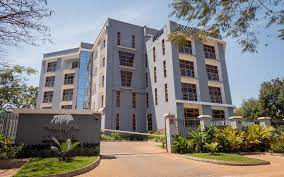
Accommodation: Kili Wonders Hotel or similar
Meals: Dinner included at the hotel
Altitude: 1,000–1,200m

  • 5 Hours
  • DINNER
Day 2

Londorossi Gate – Mti Mkubwa Camp (2,820m) – Entering the Rainforest

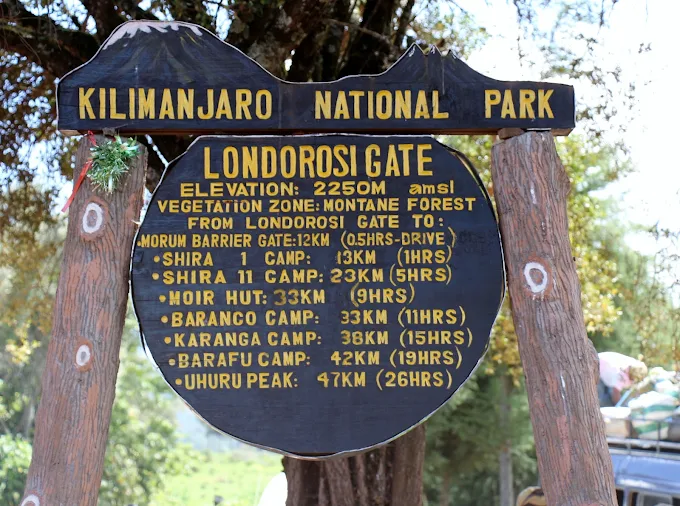
After an early breakfast at your hotel in Moshi or Arusha, you will drive 2–3 hours to Londorossi Gate, the starting point of the Lemosho Route. At the gate, your guide will help you complete park registration and briefing, and meet your trekking team of porters and cooks. You’ll have time to organize your personal trekking pack, ensuring essential items like water, snacks, and warm layers are ready.

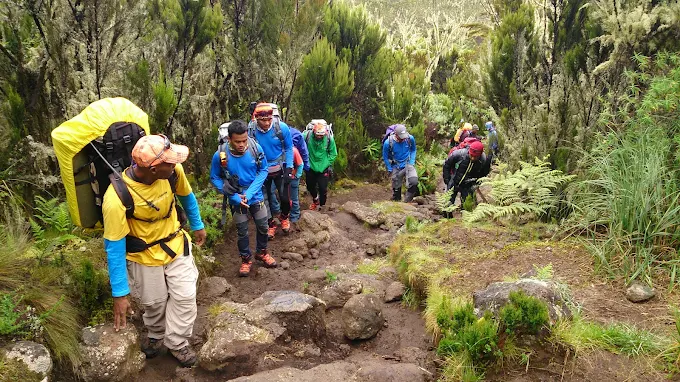
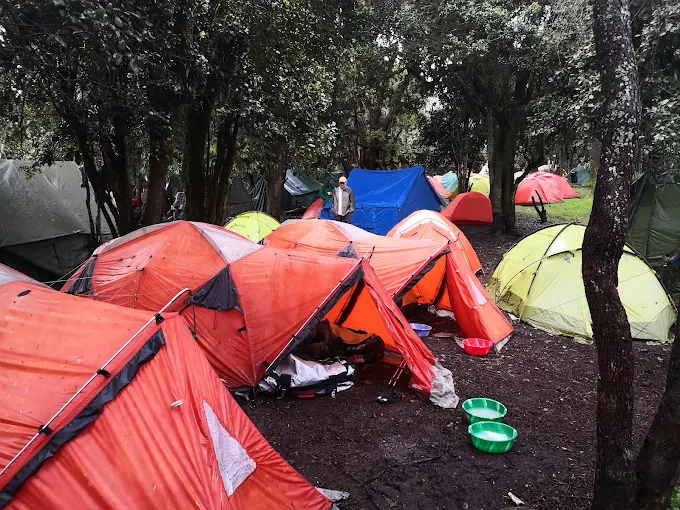
The trek begins in lush rainforest, a habitat filled with towering trees, hanging moss, and an array of exotic birds. You may encounter monkeys and colobus monkeys as you make your way along well-marked trails. The initial section is relatively gentle, giving your body a smooth introduction to altitude and trekking.

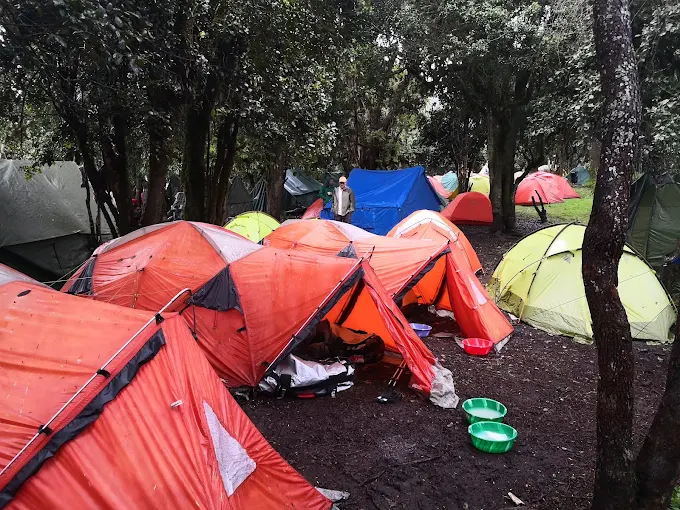
Over the course of 6 km in 3–4 hours, you will gradually ascend to Mti Mkubwa Camp (2,820m). Along the way, your guide will point out unique plants, trees, and local wildlife, offering educational insights into the Kilimanjaro ecosystem. Once at camp, you can rest, enjoy a warm meal prepared by the mountain cook, and take in the serene forested surroundings. This first night on the mountain helps your body start acclimatizing while offering a preview of the natural beauty ahead.

Trekking Distance: 6 km
Hiking Time: 3–4 hours
Elevation: 2,820m
Habitat: Rainforest
Highlights: Waterfalls, exotic birds, playful monkeys, lush forest trails
Accommodation: Mti Mkubwa Camp (tented)
Meals: Breakfast, lunch, and dinner included

  • 6 Hours
  • LUNCH, DINNER, BREAKFAST
Day 3

Mti Mkubwa Camp – Shira 1 Camp (3,500m) – Ascending into the Moorlands

After an early breakfast at Mti Mkubwa Camp, you will begin your trek higher up the mountain. The trail gradually emerges from the dense rainforest into the heather and moorland zone, where the scenery transforms dramatically. Towering trees give way to giant lobelias, flowering groundsels, and expansive open landscapes, offering your first panoramic views of Kibo Peak in the distance.

On this day, you will trek approximately 8 km in 5–6 hours. The path is moderately challenging, with gentle inclines that allow your body to acclimatize gradually to the increasing altitude. Along the way, your guide will explain the unique flora and fauna of this zone, helping you appreciate the changing ecosystems of Kilimanjaro. Midway, there will be rest stops for water, snacks, and short breaks to take photographs of the striking landscapes.

You will arrive at Shira 1 Camp (3,500m) in the early afternoon, giving you time to rest, enjoy a hot meal, and soak in the views of the plateau. For those feeling energetic, a short acclimatization walk around the camp is possible, which further prepares your body for the higher altitudes ahead. The evening offers stunning sunsets over the plateau, a perfect time for photography and reflection.

Trekking Distance: 8 km
Hiking Time: 5–6 hours
Elevation: 3,500m
Habitat: Heather and moorland
Highlights: Panoramic views of Kibo, giant lobelias, flowering groundsels, open plateau landscapes
Accommodation: Shira 1 Camp (tented)
Meals: Breakfast, lunch, and dinner included

  • 7 Hours
  • LUNCH, DINNER, BREAKFAST
Day 4

Shira 1 Camp – Shira 2 Camp (3,840m) – Crossing the Shira Plateau

After breakfast at Shira 1 Camp, you will continue trekking across the stunning Shira Plateau, one of Kilimanjaro’s most scenic areas. The landscape is a high-altitude desert interspersed with unique flora such as giant lobelias and giant groundsels, and offers unobstructed views of Kibo Peak and the surrounding valleys. The trail is relatively gentle, which allows you to acclimatize gradually while enjoying the breathtaking scenery.

Today’s trek covers approximately 7 km in 4–5 hours, with several breaks for hydration, snacks, and photography. Your guide will point out natural features and explain the ecological importance of the plateau. You may also see dramatic rock formations and small streams along the way. The trail gradually ascends, preparing your body for higher altitudes as you move closer to the summit zones.

You will arrive at Shira 2 Camp (3,840m) in the early afternoon. The camp is located in a wide, open area with panoramic mountain views. You will have time to rest, enjoy a hot meal prepared by the trekking cooks, and take a short acclimatization walk around the camp. Evening brings stunning sunsets over the plateau, giving you a perfect opportunity for photography and reflection before an early dinner and overnight rest.

Trekking Distance: 7 km
Hiking Time: 4–5 hours
Elevation: 3,840m
Habitat: Moorland and alpine desert
Highlights: Shira Plateau vistas, giant lobelias, unique alpine flora, panoramic Kibo views
Accommodation: Shira 2 Camp (tented)
Meals: Breakfast, lunch, and dinner included

  • 8 Hours
  • LUNCH, DINNER, BREAKFAST
Day 5

Shira 2 Camp – Lava Tower (4,630m) – Barranco Camp (3,960m)

Today is one of the most important days of your Kilimanjaro adventure, as it is specifically designed for acclimatization. After breakfast at Shira 2 Camp, you will begin your trek eastward, gradually climbing toward the imposing Lava Tower, a striking volcanic rock formation that rises dramatically to 4,630 meters.

The trek to Lava Tower takes around 4–5 hours and exposes you to higher altitudes, allowing your body to adjust to the thin air. The trail passes through rugged alpine desert terrain, where vegetation is sparse but the dramatic views of Kibo’s glaciers and rugged ridges make the climb unforgettable. Upon reaching the Lava Tower area, you will enjoy a packed lunch and take some time to rest while your body adapts to the altitude.

After lunch, you will descend steadily into the Barranco Valley, a stunning region filled with giant senecio trees and lush greenery fed by glacial streams. The descent takes about 2–3 hours, and although you end the day at a lower elevation than Lava Tower, this “climb high, sleep low” strategy is essential for successful acclimatization and increases your chances of reaching the summit.

By late afternoon, you will arrive at Barranco Camp (3,960m), nestled at the foot of the towering Barranco Wall. The camp offers one of the most scenic overnight stops on the entire mountain, with breathtaking sunsets and a close-up view of the dramatic wall you will climb the next day. After a hot dinner, your guide will brief you on the following day’s challenge before you rest under the stars.

Trekking Distance: 10 km
Hiking Time: 6–7 hours
Elevation: From 3,840m (Shira 2) to 4,630m (Lava Tower), down to 3,960m (Barranco)
Habitat: Alpine desert descending to lush valley vegetation
Highlights: Lava Tower acclimatization, stunning views of Kibo, unique Barranco Valley scenery
Accommodation: Barranco Camp (tented)
Meals: Breakfast, lunch, and dinner included

  • 7 Hours
  • LUNCH, DINNER, BREAKFAST
Day 6

Barranco Camp (3,960m) – Barranco Wall – Karanga Camp (4,035m)

After an early breakfast, today begins with one of the most memorable and exciting parts of the Kilimanjaro climb — the Barranco Wall. This steep rock face rises nearly 300 meters above camp, and although it looks intimidating, the climb is non-technical. Using both hands and feet, you will scramble up the natural rock steps under the guidance of your experienced crew. The ascent usually takes 1–2 hours, and once at the top, you are rewarded with sweeping views across the Karanga Valley and the distant plains below.

From the top of the Barranco Wall, the trail continues on undulating terrain with several smaller ascents and descents. You will traverse ridges and valleys carved by ancient glaciers, with the southern glaciers of Kibo Peak visible on a clear day. The path gradually leads you into the Karanga Valley, where you will descend before making a short, steep climb to reach Karanga Camp (4,035m) by early afternoon.

This camp is often used as a base for acclimatization, giving climbers time to rest, hydrate, and adjust to the thinning air. After lunch, you can spend the rest of the day relaxing, taking short acclimatization walks with your guide, or simply soaking in the dramatic views of Uhuru Peak towering above.

Dinner will be served in the mess tent, and your guide will brief you about the next day’s push toward Barafu Camp — the final staging point before the summit attempt.

Trekking Distance: 5–6 km
Hiking Time: 4–5 hours
Elevation: From 3,960m (Barranco) to 4,035m (Karanga)
Habitat: Alpine desert with rocky ridges and valleys
Highlights: Exciting climb up Barranco Wall, acclimatization at Karanga, magnificent views of Kibo and southern glaciers
Accommodation: Karanga Camp (tented)
Meals: Breakfast, lunch, and dinner included

  • 8 Hours
  • LUNCH, DINNER, BREAKFAST
Day 7

Karanga Camp (4,035m) – Barafu Camp (4,640m)

Today marks the final push before your summit attempt. After an early breakfast, you’ll leave Karanga Camp and start the gradual climb toward Barafu Camp, which serves as the high base camp for summiting Uhuru Peak.

The trail ascends steadily through the alpine desert zone, with sparse vegetation and a rugged, rocky terrain underfoot. The air becomes noticeably thinner as you gain altitude, and you may find each step requires more effort. The route offers panoramic views of the summit glaciers as well as sweeping vistas of Mawenzi Peak rising to the east.

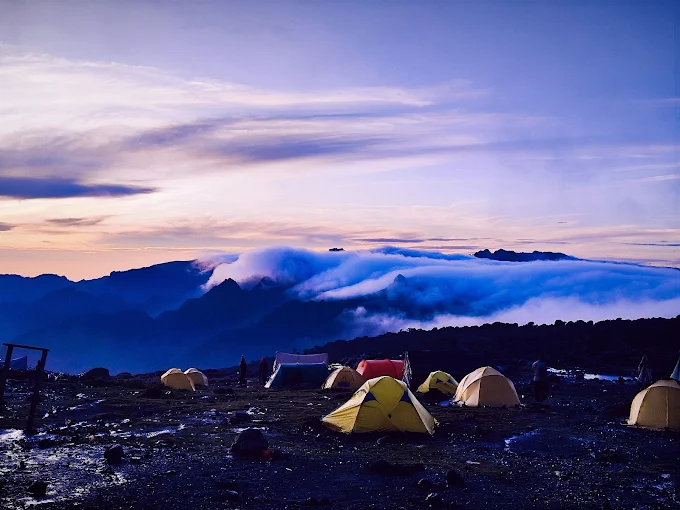
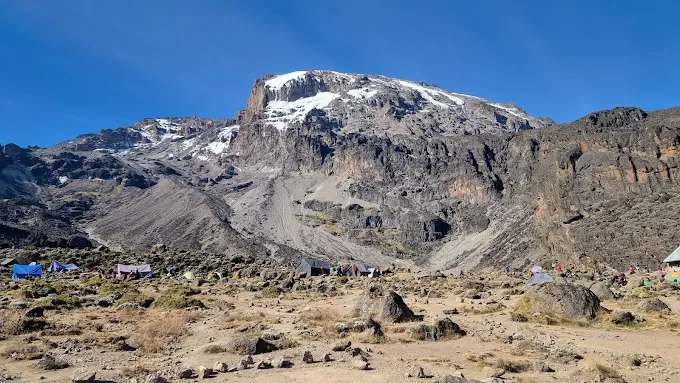
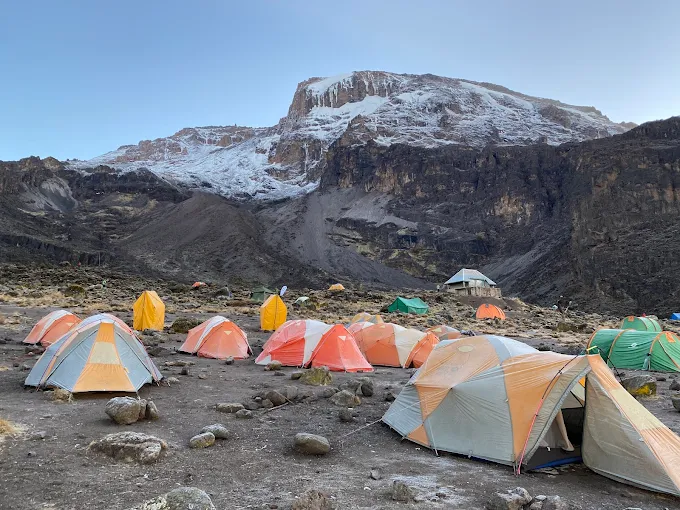
After approximately 4–5 hours of trekking, you’ll reach Barafu Camp at 4,640 meters. “Barafu” means “ice” in Swahili, and true to its name, the camp sits on an exposed, cold ridge with little vegetation. Despite its harsh environment, Barafu provides spectacular views of Kibo’s jagged peak and the route you’ll take during your midnight summit attempt.

Upon arrival, you’ll rest, have a hot lunch, and prepare for the most challenging part of your journey — the summit night. Your guide will brief you on the gear you’ll need, clothing layers, and the pace for the night climb. After an early dinner, climbers are encouraged to sleep or rest from around 6:00–7:00 PM to conserve energy for the summit push, which begins around midnight.

Trekking Distance: 4–5 km
Hiking Time: 4–5 hours
Elevation: From 4,035m (Karanga) to 4,640m (Barafu)
Habitat: Alpine desert, rocky terrain
Highlights: Final preparation for summit, stunning views of Mawenzi and Kibo glaciers
Accommodation: Barafu Camp (tented)
Meals: Breakfast, lunch, and early dinner included

  • 8 Hours
  • LUNCH, DINNER, BREAKFAST
Day 8

Barafu Camp (4,640m) – Uhuru Peak (5,895m) – Mweka Camp (3,100m)

This is the most challenging and rewarding day of your Kilimanjaro climb. Summit day begins in the dead of night. Around midnight to 1:00 AM, your guides will wake you with hot tea and a light snack. You’ll gear up with warm layers, headlamps, and trekking poles before beginning the slow, steady ascent toward the roof of Africa.

The trail starts with a steep climb up the scree slopes of Kibo, winding through switchbacks under a star-filled sky. As you ascend, the air becomes thin and each step demands effort, but your guides will set a “pole pole” (slowly, slowly) pace to conserve energy.

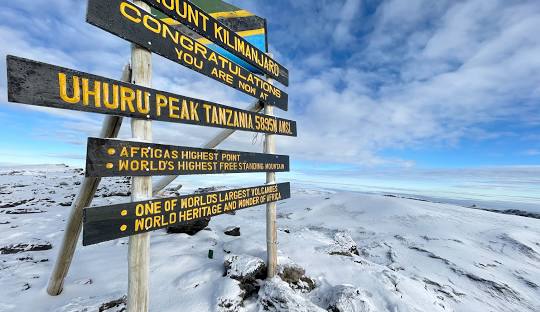
After 5–7 hours of climbing, you’ll reach Stella Point (5,756m) on the crater rim just in time for sunrise. From here, it’s another 45 minutes to 1 hour along the rim to reach Uhuru Peak (5,895m) — the highest point in Africa. Standing at the summit, you’ll be rewarded with breathtaking views of the glaciers, crater, and endless African plains below. This is a once-in-a-lifetime moment to celebrate and capture photos at the iconic Uhuru Peak sign.

After spending a short time at the summit, you’ll begin your descent back to Barafu Camp, which takes about 3–4 hours. Here, you’ll rest briefly and enjoy a warm meal.

From Barafu, the descent continues down the rocky slopes into lower altitude zones, passing from alpine desert back into the moorland and forest belt. After another 4–5 hours of trekking, you’ll arrive at Mweka Camp (3,100m). The oxygen-rich air and warmer climate will feel like a relief after the high-altitude push.

At camp, you’ll enjoy a hearty dinner and a well-deserved night of deep sleep, knowing you’ve just conquered the highest peak in Africa.

Trekking Distance: 16–18 km
Hiking Time: 10–14 hours total (7–8 hours up, 6–7 hours down)
Elevation: From 4,640m (Barafu) → 5,895m (Uhuru Peak) → 3,100m (Mweka Camp)
Habitat: Arctic zone to alpine desert, moorland, and forest
Highlights: Sunrise at Stella Point, summit of Uhuru Peak, descent through dramatic ecological zones
Accommodation: Mweka Camp (tented)
Meals: Breakfast (early at Barafu), lunch at Barafu, dinner at Mweka Camp

  • 8 Hours
  • LUNCH, DINNER, BREAKFAST
Day 8

Mweka Camp (3,100m) → Mweka Gate (1,640m) → Arusha / Moshi

After a good night’s rest at Mweka Camp, you’ll wake up to the sounds of the forest and enjoy a relaxed breakfast. This is your final trekking day on Kilimanjaro. The trail descends steadily through lush montane forest filled with towering trees, ferns, and the chance to spot colobus monkeys and colorful birdlife.

The path can be slippery, especially if it has rained, so trekking poles will help as you make your way down. After about 3–4 hours of descent, you’ll arrive at Mweka Gate (1,640m), where you’ll sign out of the park register. Here, your successful climb will be officially recorded, and you’ll receive your summit certificate (green for reaching Stella Point, gold for reaching Uhuru Peak).

At the gate, you’ll say farewell to your mountain crew with songs and celebrations. A vehicle will be waiting to transfer you back to Arusha or Moshi, where a hot shower, soft bed, and well-earned rest await.

  • Trekking Distance: 10 km

  • Hiking Time: 3–4 hours

  • Elevation: From 3,100m (Mweka Camp) → 1,640m (Mweka Gate)

  • Habitat: Montane forest

  • Highlights: Scenic descent through rainforest, summit certificate award, transfer back to town

  • Accommodation: Hotel in Moshi/Arusha (your choice of standard, mid-range, or luxury)

  • Meals: Breakfast at camp, lunch en route, dinner at hotel (optional depending on your plan)

  • 6 Hours
  • LUNCH, BREAKFAST
Want to read it later?

Download this tour's PDF brochure and start your planning offline.

Frequently Asked Questions

Let’s clarify your confusions. Here are some of the Frequently Asked Questions which most of our client asks.

Have a question in mind

Looking for more info? Send a question to the tour agent to find out more.

How difficult is climbing Kilimanjaro?

Climbing Kilimanjaro is challenging but does not require technical mountaineering skills. The main difficulty is the high altitude. With proper acclimatization, a good level of fitness, and determination, most people can reach the summit.

Do I need prior trekking experience?

Previous trekking experience helps, but it is not mandatory. Many climbers summit Kilimanjaro as their first major trek. A positive attitude, basic fitness, and preparation are more important than prior experience.

What is the best time to climb Kilimanjaro?

The best months are January–March and June–October, when the weather is generally dry and visibility is excellent. April, May, and November are rainy months and not ideal for trekking.

What is the success rate for reaching the summit?

Success rates vary depending on the route and number of days. Routes with more days (7–9) offer better acclimatization and have a higher success rate (85–95%). Shorter routes have lower success rates due to altitude challenges.

What gear do I need for the climb?

You’ll need layered clothing for cold and warm conditions, a four-season sleeping bag, good hiking boots, trekking poles, a headlamp, daypack, and hydration system. A full packing list will be provided before your trek.

How cold does it get at the summit?

Temperatures at the summit can drop to -7°C to -20°C (20°F to -4°F) depending on the season, especially at night. Proper thermal layers, gloves, and hats are essential.

How are meals and water provided on the trek?

Our mountain chefs prepare fresh, hot meals daily, including soups, rice, pasta, vegetables, meat, and fruit. We also provide safe, purified drinking water throughout the trek.

What kind of accommodation is provided?

All nights on the mountain are spent in tented camps (except the Marangu Route, which uses mountain huts). Our high-quality tents are waterproof and set up by the crew before you arrive at camp.

What safety measures are in place?

Guides carry first aid kits, oxygen cylinders, and pulse oximeters to monitor your health daily. In case of severe altitude sickness or emergencies, evacuation to lower altitude or hospital is arranged immediately.

Can I charge my phone or camera on the mountain?

Electricity is not available on the mountain. We recommend carrying power banks or solar chargers to keep devices powered during the trek.

Tour Terms & Conditions

Booking & Payment

  • A deposit of 30% of the total trip cost is required at the time of booking to secure your spot.

  • The remaining balance must be paid at least 30 days prior to departure.

  • Bookings made less than 30 days before departure require full payment at the time of reservation.

2. Cancellation Policy

  • 60 days or more before departure – Full refund minus bank/transaction fees.

  • 30–59 days before departure – 50% refund of total trip cost.

  • Less than 30 days before departure – No refund.

  • No refunds will be made for unused services, early departures, or no-shows.

3. Health & Fitness Requirements

  • Clients are responsible for ensuring they are in good health and physically fit for the trek.

  • A medical check-up is recommended before attempting Mount Kilimanjaro.

  • Paul Tours Safari reserves the right to refuse participation if a client is deemed medically unfit.

4. Travel Insurance

  • Comprehensive travel and medical insurance covering high-altitude trekking, emergency evacuation, and trip cancellation is mandatory.

  • Clients must provide insurance details prior to departure.

5. Risks & Responsibilities

  • Climbing Mount Kilimanjaro involves inherent risks, including altitude sickness, injury, or extreme weather conditions.

  • Paul Tours Safari and its guides will take all necessary precautions for safety, but clients accept the risks associated with high-altitude trekking.

  • Paul Tours Safari is not liable for loss, injury, or damage to personal belongings.

6. Changes to Itinerary

  • The company reserves the right to alter or cancel itineraries due to weather conditions, safety concerns, or other unforeseen circumstances.

  • Efforts will always be made to provide a suitable alternative of equal value.

7. Accommodation & Meals

  • Accommodation during the trek is provided in tented camps or mountain huts as specified in the itinerary.

  • Meals are included as per the package. Special dietary requirements must be communicated in advance.

8. Guides & Porter Welfare

  • All climbs are led by experienced, licensed Kilimanjaro guides.

  • Paul Tours Safari is committed to ethical porter treatment in accordance with KPAP (Kilimanjaro Porters Assistance Project) standards.

9. Force Majeure

  • The company is not responsible for delays, cancellations, or changes caused by events beyond its control, such as natural disasters, political instability, strikes, pandemics, or government regulations.

10. Governing Law

  • These Terms & Conditions are governed by the laws of Tanzania. Any disputes shall be settled under Tanzanian jurisdiction.

You might also like

Travel is Our life. Since 2016, We have been traveling around the East Africa nonstop. If you also love travel, you are in the right place!

$2,000
$1,650
$1,980
$2,500
Translate »

Your Question