
Welcome/Karibu Tanzania with Paul Tours Safari
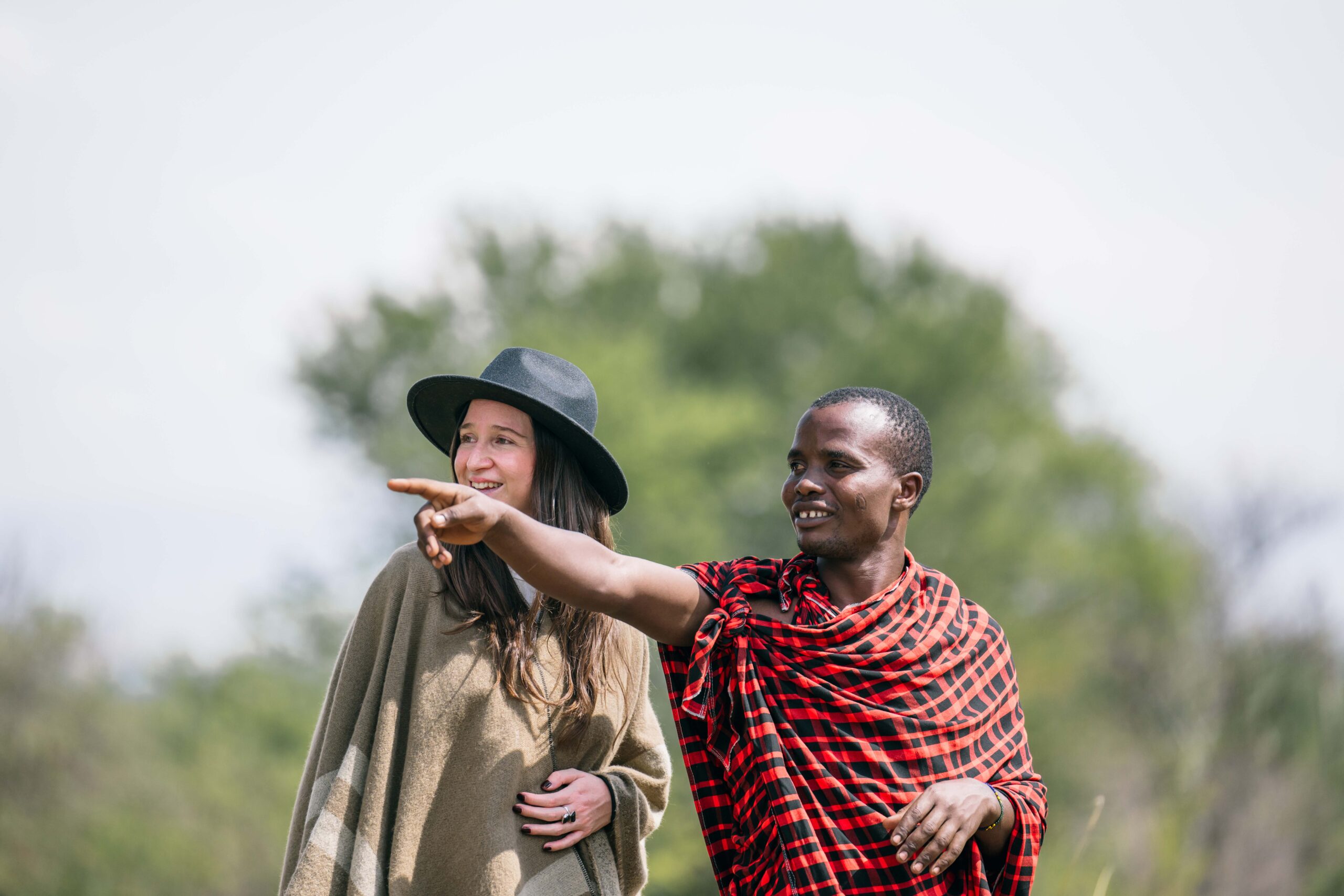
Planning a safari to Tanzania is truly an adventure of a lifetime — a journey into some of the most breathtaking landscapes on Earth. From the endless golden plains of the Serengeti National Park, where wildlife roams freely, to the dramatic beauty of the Ngorongoro Crater, often referred to as Africa’s natural wonder, every moment promises something extraordinary.
At Paul Tours Safari, we believe your experience should be seamless from the very beginning. That’s why we don’t just plan your safari — we guide you through every step, ensuring you feel confident, prepared, and excited before you even arrive.
This guide has been carefully created for all travelers — whether it’s your first time in Africa or you’re returning for another unforgettable adventure. Inside, you’ll find everything you need to know: what to pack, essential travel information, health and safety tips, and insider advice from our local experts.
Our goal is simple: to help you arrive fully prepared so you can relax, immerse yourself in nature, and enjoy every moment of Tanzania’s incredible wildlife, culture, and landscapes.
Your journey starts here. Karibu sana!
What to Pack for Your Tanzania Safari
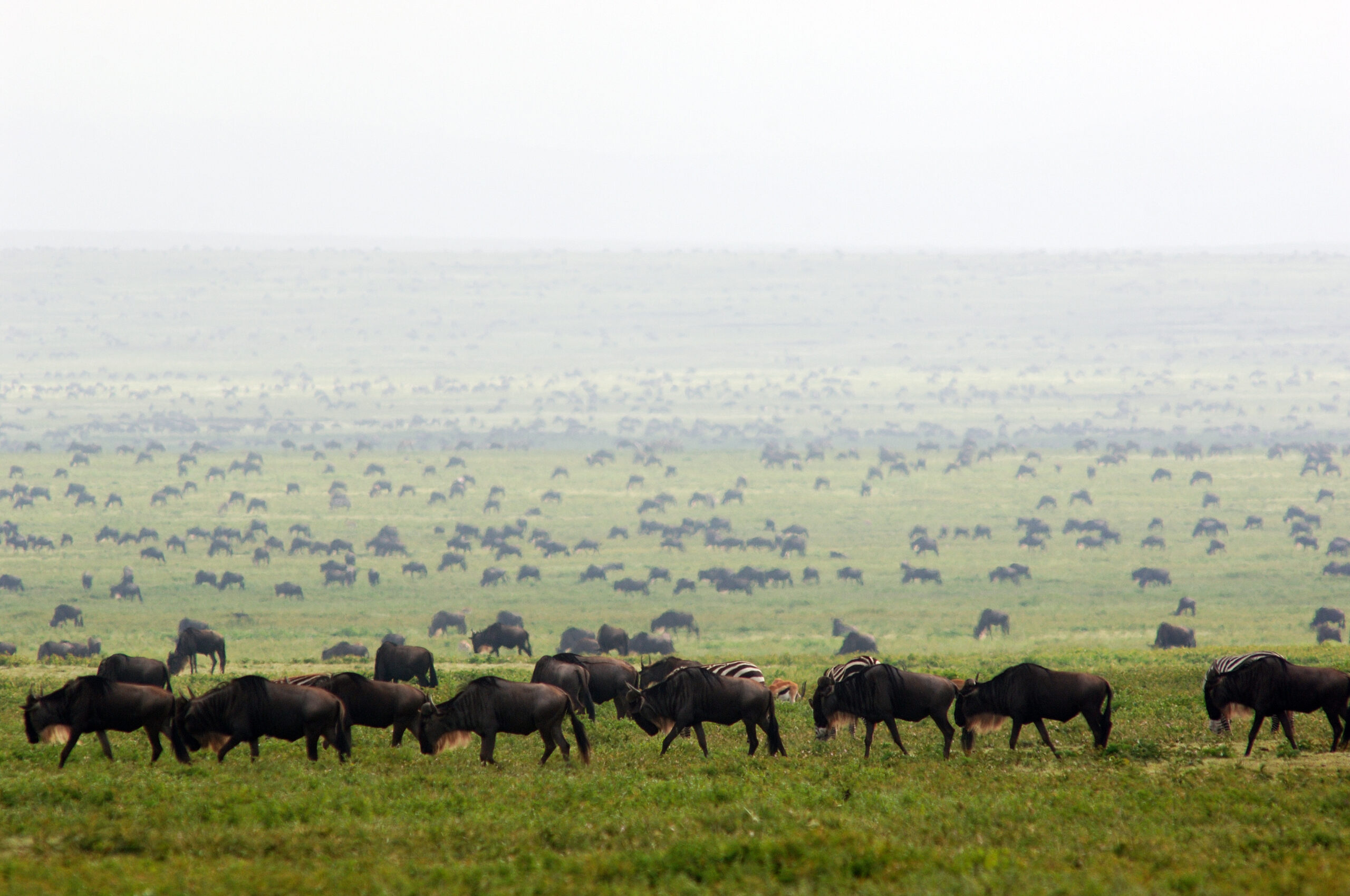
Packing well is one of the most important parts of preparing for your safari. Tanzania offers a mix of warm days, cool mornings, and dusty game drives, so having the right items will make your experience far more comfortable and enjoyable. The goal is to pack smart — not too heavy, but with everything you need to stay relaxed, protected, and ready for adventure.
Clothing
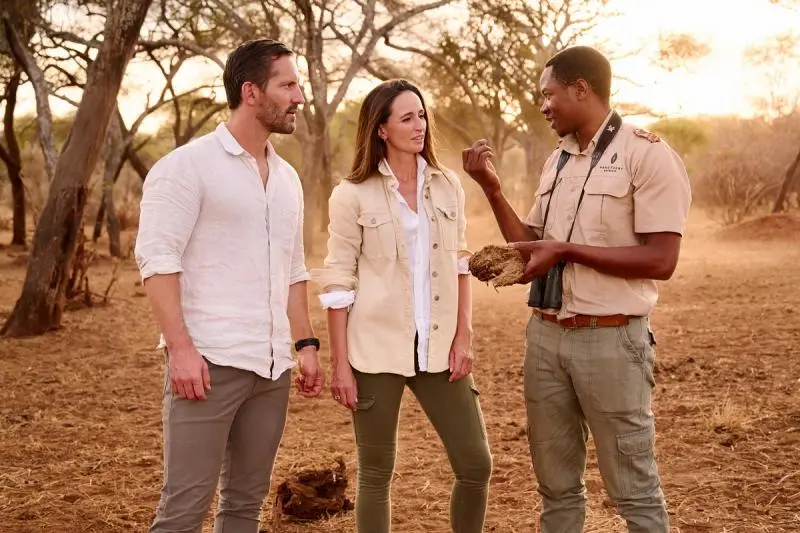
When choosing clothing for your safari, focus on comfort and practicality. Tanzania’s climate is generally warm during the day, so lightweight and breathable fabrics such as cotton or moisture-wicking materials work best. Neutral colors like khaki, beige, olive, and light brown are highly recommended. These shades help you stay cool and allow you to blend into the environment without disturbing wildlife. Avoid bright colors, as they can attract attention. Also, try not to wear dark colors like black or blue, since they may attract insects such as tsetse flies.
Layering is very important on safari. Early mornings and evenings can feel cold, especially in highland areas like the Ngorongoro Crater. Temperatures can drop quickly during early game drives. Bring a warm fleece, hoodie, or light jacket to stay comfortable. For footwear, choose practical options. Comfortable sneakers or casual shoes are perfect for the lodge. If you plan to join walking activities, bring sturdy walking shoes or boots.
Accessories will also improve your overall experience. A wide-brimmed hat or cap protects you from the strong African sun. Sunglasses with UV protection help reduce glare during long drives. A light scarf or buff is very useful on dusty roads and can cover your face when needed. Depending on your lodge, you may also want to pack a swimsuit for relaxing by the pool. If you travel during the green season, include a light rain jacket to stay dry.
Essentials
Beyond clothing, a few key personal items will keep you healthy, clean, and comfortable throughout your safari. Start with sunscreen that has a high SPF. The sun in Tanzania is strong, even on cooler or cloudy days. Apply it regularly to protect your skin. Insect repellent is also important, especially in areas near water where mosquitoes are more common. Choose a repellent that contains DEET or another effective ingredient for better protection.
Always bring your personal medications in enough quantity for the entire trip. Keep them in your carry-on bag and include copies of your prescriptions. While lodges and guides are well prepared, you should still carry a small first-aid kit. Include items such as pain relievers, motion sickness tablets, and plasters. These can be very helpful during long drives or unexpected situations.
You may also find hand sanitizer and wet wipes very useful, especially during game drives when access to facilities is limited. The climate can be dry, so pack lip balm and moisturizer to keep your skin hydrated and comfortable.
For extra safety, keep all essential items in your carry-on luggage. This helps you stay prepared in case your checked baggage arrives late.
Safari Gear
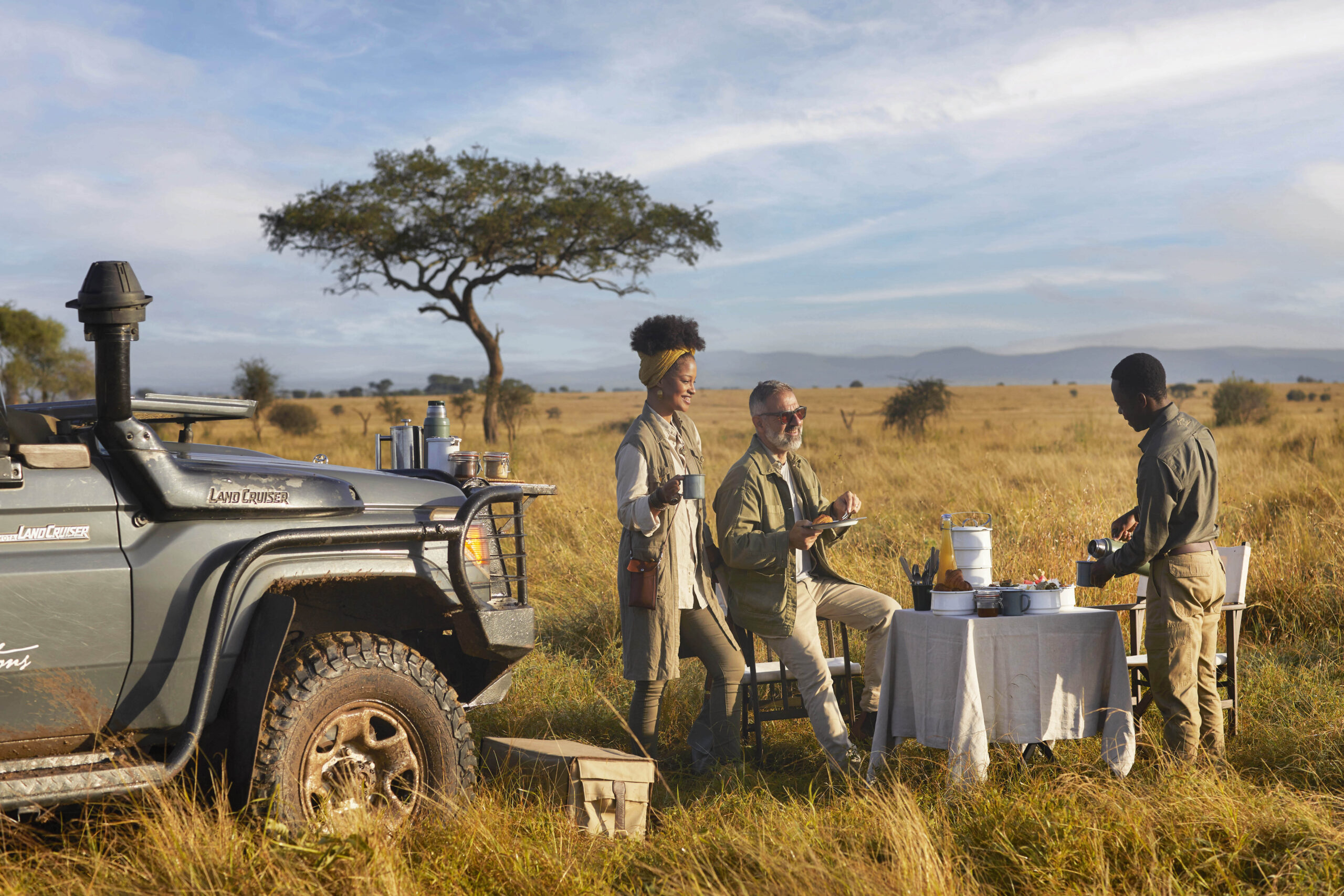
A safari in Tanzania is filled with unforgettable moments, so having the right gear will allow you to capture and fully enjoy the experience. A good camera with a zoom lens — ideally between 200–400mm — is perfect for wildlife photography, allowing you to capture animals from a safe distance without missing details. However, even a modern smartphone with a high-quality camera can produce excellent results for quick shots and videos.
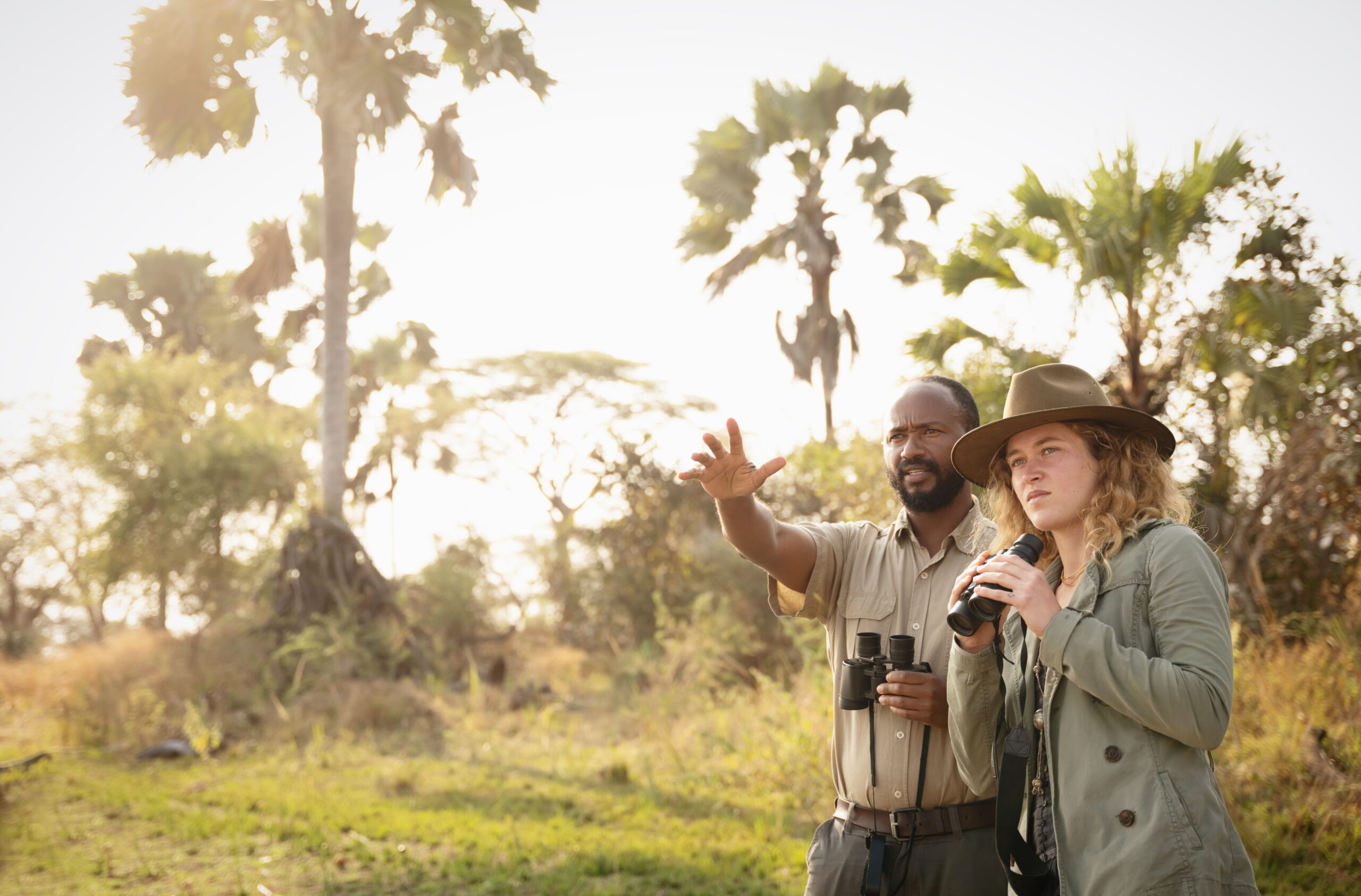
Binoculars are highly recommended, especially for spotting animals that may be far away or partially hidden in the landscape. Since you’ll likely take many photos, bringing extra memory cards and storage is essential. Power banks and spare batteries are also important, as charging opportunities may be limited in some camps or during long days out in the parks.
Tanzania uses UK-style plug sockets (Type G), so a suitable travel adapter is necessary to keep your devices charged throughout your trip. Planning ahead for power and storage ensures you never miss a moment.
Daypack (Highly Recommended)
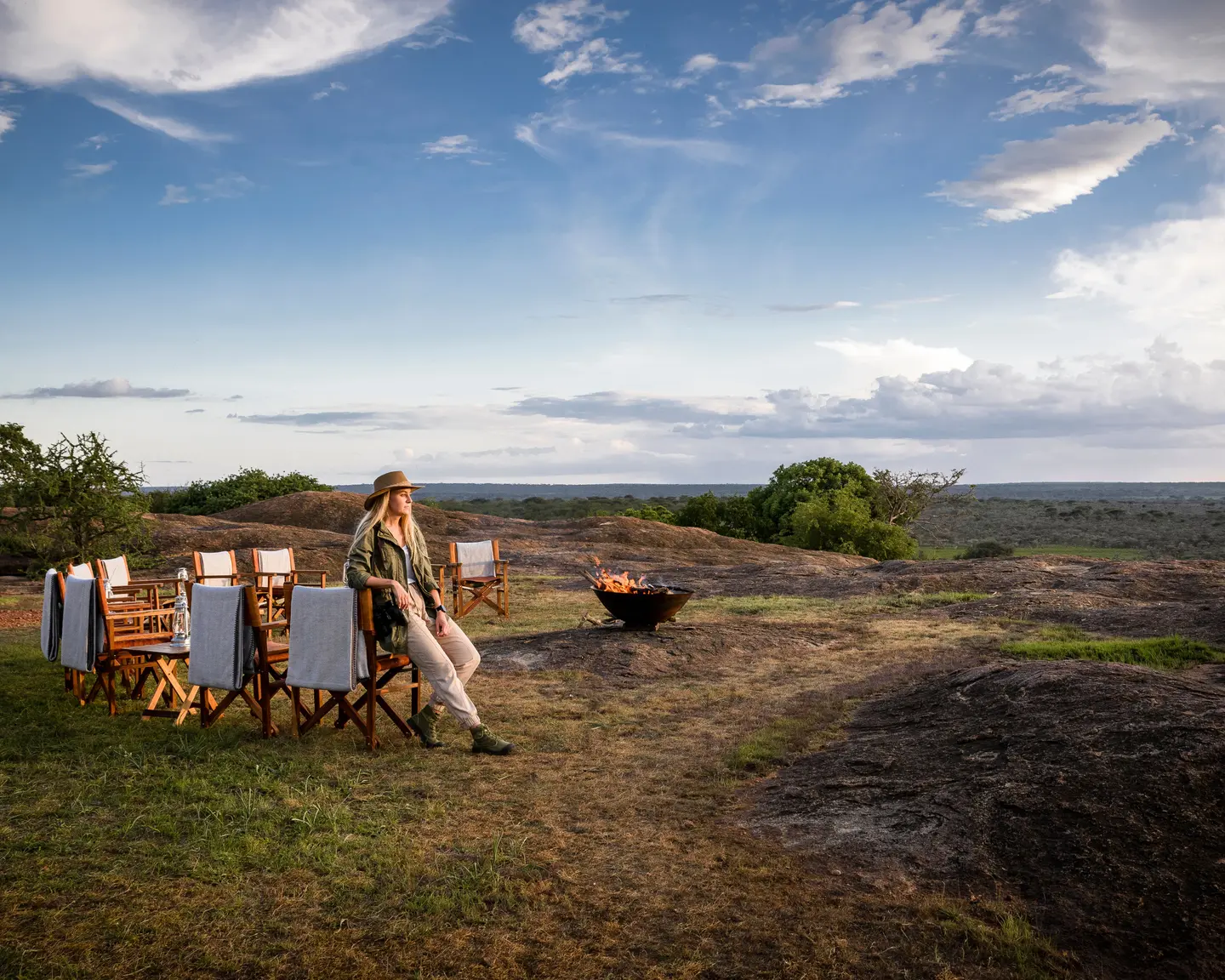
During your safari, your main luggage will usually remain at the lodge or in the safari vehicle, so having a small, practical daypack is extremely useful. This bag should carry everything you need for a full day out in the bush, including your water bottle, snacks, camera, sunscreen, sunglasses, and any personal items such as your phone or wallet. A well-organized daypack allows you to keep your essentials within easy reach, making your game drives more comfortable and enjoyable without needing to access larger bags.
What Not to Pack
While it’s important to bring the right items, it’s equally important to avoid overpacking or bringing unnecessary things. Plastic bags are restricted in Tanzania and should not be brought into the country. Bright or neon clothing is not suitable for safari environments, and heavy hard-shell suitcases can be inconvenient, especially for small safari vehicles or domestic flights — soft bags are always preferred.
Packing thoughtfully will allow you to fully focus on the experience — the wildlife, the landscapes, and the unforgettable moments that make Tanzania so special. With everything prepared, you can relax and enjoy your safari with confidence, knowing you have exactly what you need for the journey ahead.
Important Travel Documents
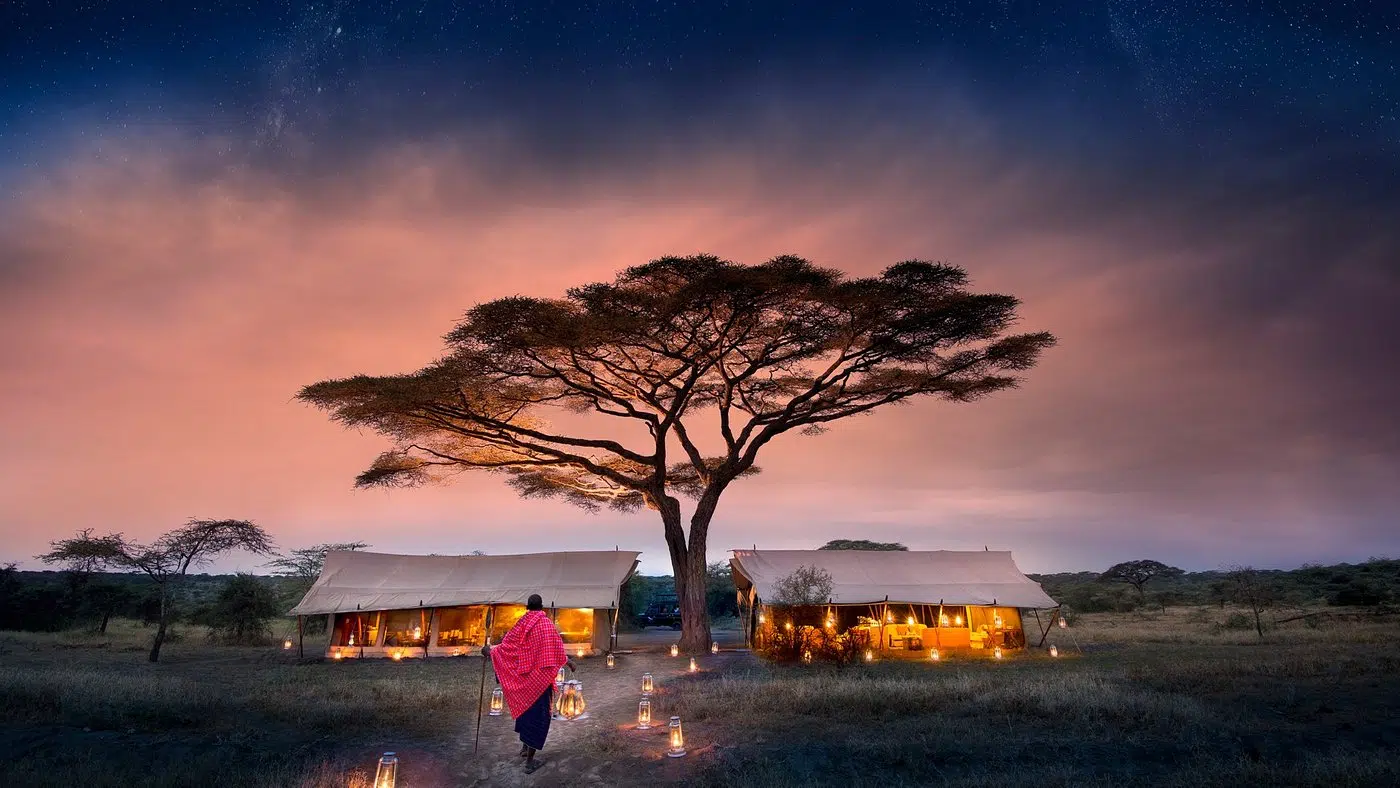
Before traveling to Tanzania, make sure all your documents are ready and up to date. Proper preparation will help you avoid delays and ensure a smooth arrival experience, whether you are starting your safari on the mainland or continuing your journey to the beautiful islands of Zanzibar.
Your passport must be valid for at least six months from your date of entry into Tanzania. Most travelers will also need a visa, which you can obtain online before travel or on arrival at the airport, depending on your nationality. This visa covers both mainland Tanzania and Zanzibar, as they are part of the same country.
Travel insurance is highly recommended and should cover medical emergencies, evacuation, and trip interruptions. This is especially important if your itinerary includes remote safari areas or island travel, where logistics may take more time.
You should also carry your safari confirmation and detailed itinerary from Paul Tours Safari, including any domestic flights to or from Zanzibar. Keep both printed and digital copies so you can easily access them during airport transfers, lodge check-ins, or ferry/flight connections.
💡 Tip: Make photocopies of all your important documents and store them separately from the originals. You can also save digital copies on your phone or email for quick access in case of loss.

Discover more from Paul Tours Safari
Subscribe to get the latest posts sent to your email.