
Wildebeest Migration Tanzania – Why Serengeti is the Best Place
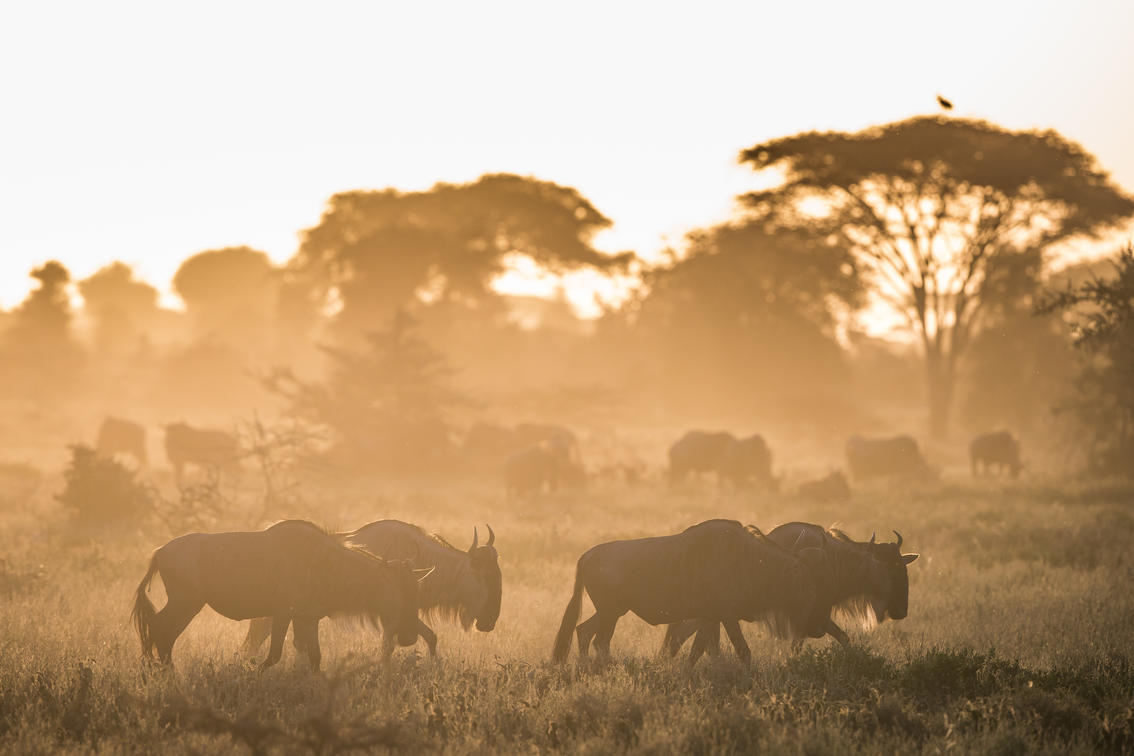
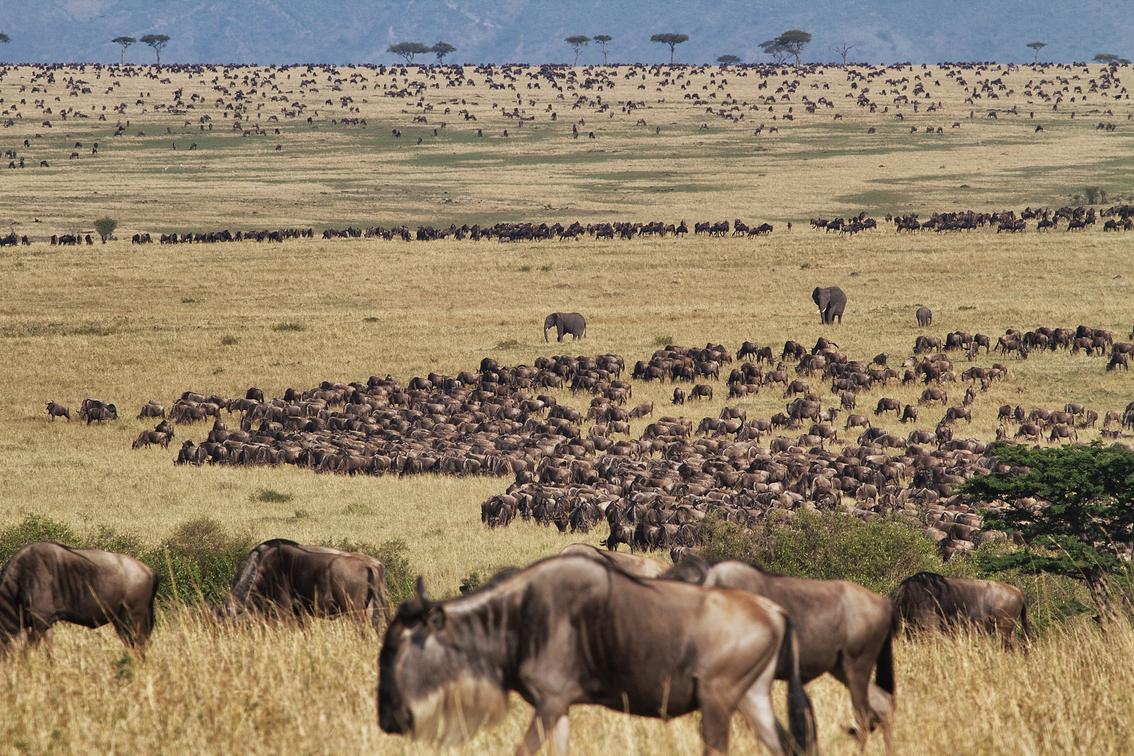
The Great Wildebeest Migration is one of the most spectacular wildlife events on Earth. It happens in the heart of the legendary Serengeti National Park and attracts travelers from all over the world. Every year, more than 1.5 million wildebeest move across the plains. They travel with hundreds of thousands of zebras and gazelles. Together, they form one of the largest animal movements on the planet. These animals follow the rains. They search for fresh grass and water throughout the year. This constant movement creates a circular journey across the Serengeti ecosystem.
People often call it the “Greatest Show on Earth.” The name fits because nature delivers powerful and unforgettable moments. You may see river crossings filled with crocodiles. You may also see predators like lions and cheetahs hunting on open plains. During calving season, thousands of newborn calves take their first steps within days. The migration never stays in one place. It changes direction based on rainfall and grazing conditions. This makes timing very important for visitors. Some months offer river crossings. Other months offer calving season or large herds on the move.
If you plan a safari in 2026, you must understand the migration cycle. Learn the Serengeti migration dates before you book your trip. Also check the best viewing locations for each season. This will increase your chances of seeing the most dramatic wildlife action. Travelers who plan well enjoy a better experience. They witness nature in its rawest form. They also capture unforgettable moments in the wild.
The Serengeti offers more than a safari. It offers a front-row seat to one of nature’s greatest stories. Every season brings something different. Every moment feels alive.
What is the Great Migration in Serengeti?
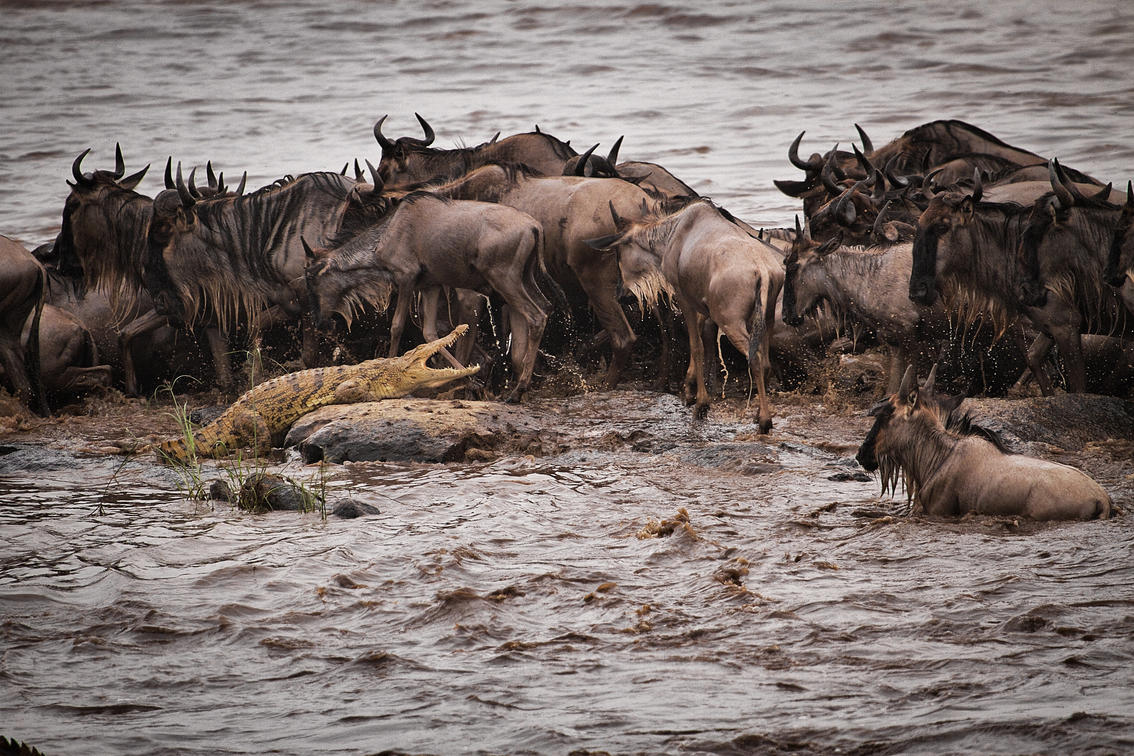
The Great Migration is the largest land animal movement on Earth. It takes place across the ecosystem centered in the legendary Serengeti National Park. Every year, over 1.5 million wildebeest travel together with hundreds of thousands of zebras and gazelles. They move in a continuous circular route between Tanzania and Kenya. They do not migrate once and stop. Instead, they follow a constant cycle that repeats every year.
These animals move in search of fresh grass and water. Rainfall patterns decide where they go next. When one area becomes dry, the herds move to greener plains. This natural movement creates one of the most powerful wildlife systems in the world. The migration also creates intense wildlife action. Predators like lions, cheetahs, and hyenas follow the herds. Crocodiles wait in rivers during crossings. This turns the journey into a survival story that changes every day.
The migration is not a single event. It is a year-round process with different highlights in different seasons. Some months show dramatic river crossings. Other months show the birth of thousands of calves. Each stage offers a unique safari experience. Travelers often call it the “Greatest Show on Earth” because it delivers constant action and emotion. No two days look the same in the Serengeti during migration season. Understanding the movement helps you plan better. When you know the timing and location, you increase your chances of seeing the most dramatic moments. This is why many safari travelers study the migration before booking their trip.
The Great Migration is more than wildlife. It is nature in motion, survival in action, and one of the most unforgettable experiences in Africa.
Serengeti Migration Dates 2026 (Month-by-Month Guide)
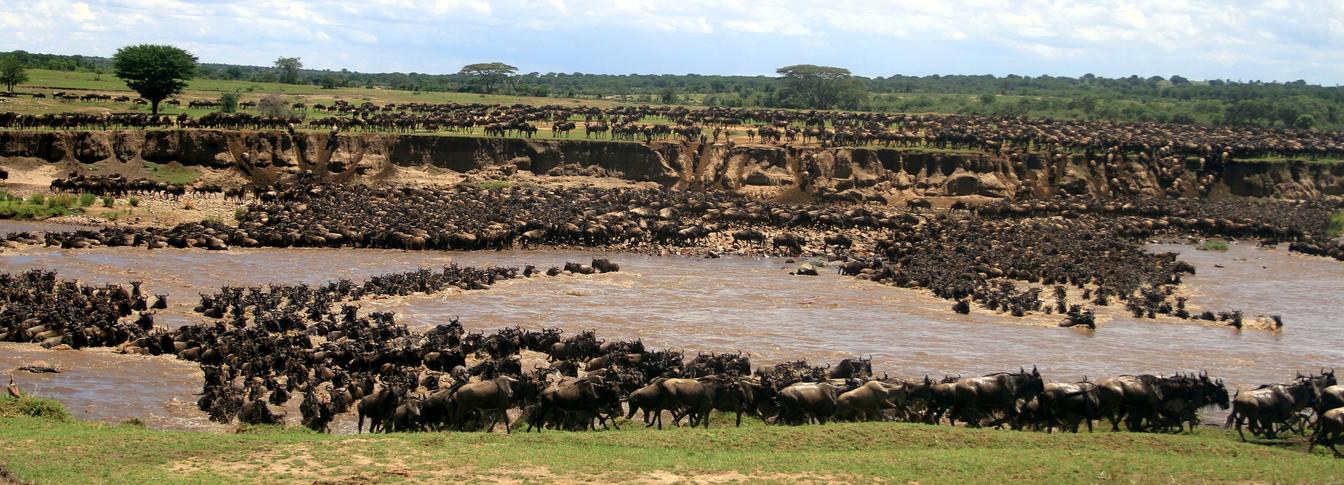
Understanding timing is the most important part when planning a safari to see the Great Migration in the Serengeti National Park. The herds do not stay in one place. They move throughout the year following rain and fresh grazing. Each season offers a different experience, from calving to river crossings.
January – March (Calving Season – Southern Serengeti)
Serengeti National Park and nearby southern plains become the main stage of the Great Migration during this period. Thousands of wildebeest gather on the short-grass plains after the seasonal rains. This is the famous calving season, where over 500,000 wildebeest calves are born within just a few weeks. Most births happen in a short window, which overwhelms predators and increases the survival chances of newborns.
The landscape stays green and open, making it easy to see large herds spread across the plains. Zebras and gazelles also join the movement, creating massive mixed herds that stretch as far as the eye can see. Predators are highly active during this time. Lions, hyenas, and cheetahs closely follow the herds. They take advantage of weak or newborn calves, leading to dramatic predator-prey interactions almost daily. These moments make this season one of the most intense in the entire migration cycle. Despite the danger, nature shows a strong balance. Many calves survive and quickly learn to stand and run within minutes after birth. This fast development is crucial for survival in the wild.
The open terrain also creates excellent photography conditions. Soft light, green backgrounds, and constant animal movement make it ideal for capturing action shots and wide safari landscapes.
Best for: calving season, predator action, newborn wildlife, photography, and dramatic safari experiences
April – May (Green Season – Central Serengeti)
Serengeti National Park enters its green season during April and May. This period comes right after the long rains, when the entire landscape transforms into lush, green plains filled with life. The migration herds begin to move slowly from the southern plains towards the central Serengeti. Wildebeest, zebras, and gazelles spread out as they follow fresh grazing areas. Movement becomes less concentrated compared to the calving season, but the herds are still large and active.
This is also a quieter time for tourism. Fewer visitors come to the park, which creates a more peaceful safari experience. You often enjoy game drives with fewer vehicles and more private wildlife moments. The scenery becomes very dramatic during this season. Heavy clouds, green grass, and occasional rain showers create powerful skies. These conditions are perfect for photography, especially for wide landscape shots and moody wildlife images.
Wildlife is still easy to spot. Resident animals such as elephants, giraffes, lions, and buffalo remain active across the central plains. Predator activity continues, but it is more spread out compared to calving season. Because of lower demand, this period also offers better value for safari travelers. Many lodges and camps provide more flexible pricing compared to peak migration months.
Best for: budget safaris, peaceful game drives, dramatic landscapes, photography, and fewer crowds
June – July (Western Corridor – Grumeti River Crossing)
Serengeti National Park becomes more dramatic during June and July as the migration shifts into the western corridor. This is the time when the herds gather strength and prepare for one of the most challenging parts of their journey.The wildebeest, zebras, and gazelles begin moving in large numbers toward the Grumeti River area. This marks the start of the first major river crossings in the migration cycle. The movement becomes more concentrated as the animals follow instinct and search for safer paths forward.
The Grumeti River crossings bring intense wildlife action. Crocodiles lie in wait in the water, while herds gather nervously at the banks. When the crossing begins, chaos and survival instincts take over. Some animals hesitate, others rush forward, and predators take advantage of the moment.
This period is less crowded compared to the famous Mara River crossings in the north. Visitors often enjoy more space and better viewing angles. The experience feels raw and less commercial, making it ideal for travelers who want a more authentic safari atmosphere. Wildlife remains very active across the western Serengeti. Lions and other predators follow the herds closely, increasing chances of sightings both on land and near the river systems.
The landscapes also change during this season. Dry grasslands mix with riverine forests, creating beautiful contrast for photography and game drives.
Best for: river crossing action, crocodile encounters, predator drama, fewer crowds, and authentic safari experiences
July – September (Northern Serengeti – Mara River Crossing)
Serengeti National Park reaches its most dramatic and world-famous phase during July to September. This is the peak of the migration and the moment most travelers dream of witnessing. During this period, massive herds move into the northern Serengeti and gather near the legendary Mara River. This stage is known for the most dangerous and emotional river crossings in the entire migration cycle.
The wildebeest face a life-or-death decision at the riverbanks. Strong currents, steep banks, and hidden predators make every crossing unpredictable. When the herds finally cross, chaos unfolds within seconds.Crocodiles wait underwater, while lions and other predators watch from the surrounding plains. The tension builds before each crossing, and the action happens suddenly and intensely. Some herds cross successfully, while others turn back and wait for another opportunity.
This is the most famous part of the Great Migration. Many wildlife documentaries and National Geographic films capture these moments here because of their raw and unpredictable nature. Unlike other seasons, this period attracts more visitors. However, the northern Serengeti still offers wide landscapes and multiple viewing points, allowing travelers to experience the action without losing the feeling of wilderness.
The scenery is also stunning. Golden grasslands, river valleys, and dramatic skies create a powerful backdrop for photography and safari storytelling.
Best for: Mara River crossings, iconic wildlife moments, predator action, documentary-style safaris, and once-in-a-lifetime experiences
October – December (Return South)
Serengeti National Park enters the final stage of the Great Migration cycle during October to December. At this time, the massive herds begin their gradual movement back toward the southern plains. After the dramatic river crossings in the north, the wildebeest, zebras, and gazelles spread out again as they travel south. The journey becomes less intense compared to peak migration months, but wildlife activity remains strong across the ecosystem.
The herds follow fresh grazing areas as the short rains begin in different parts of the Serengeti. This rainfall helps regenerate the grasslands, guiding the animals back to the southern plains where the next calving season will begin again. This period offers a calmer safari experience. Fewer tourists visit compared to July to September, which allows for more relaxed game drives and better wildlife viewing without heavy vehicle traffic.
Predator activity continues throughout this season. Lions, leopards, and hyenas still track the herds as they move. However, encounters feel more spread out and natural compared to the peak migration pressure moments. The landscapes also begin to change again. Dry areas slowly turn green, and the skies become more dramatic with early rains. This creates beautiful contrast for photography and wide scenic views.
This season completes the full migration circle. It gives travelers a chance to understand the entire journey from start to finish — from calving in the south to river crossings in the north and back again.
Best for: complete migration cycle experience, peaceful safaris, predator sightings, and scenic photography
Wildebeest Migration in Tanzania – Why the Serengeti is the Best Place
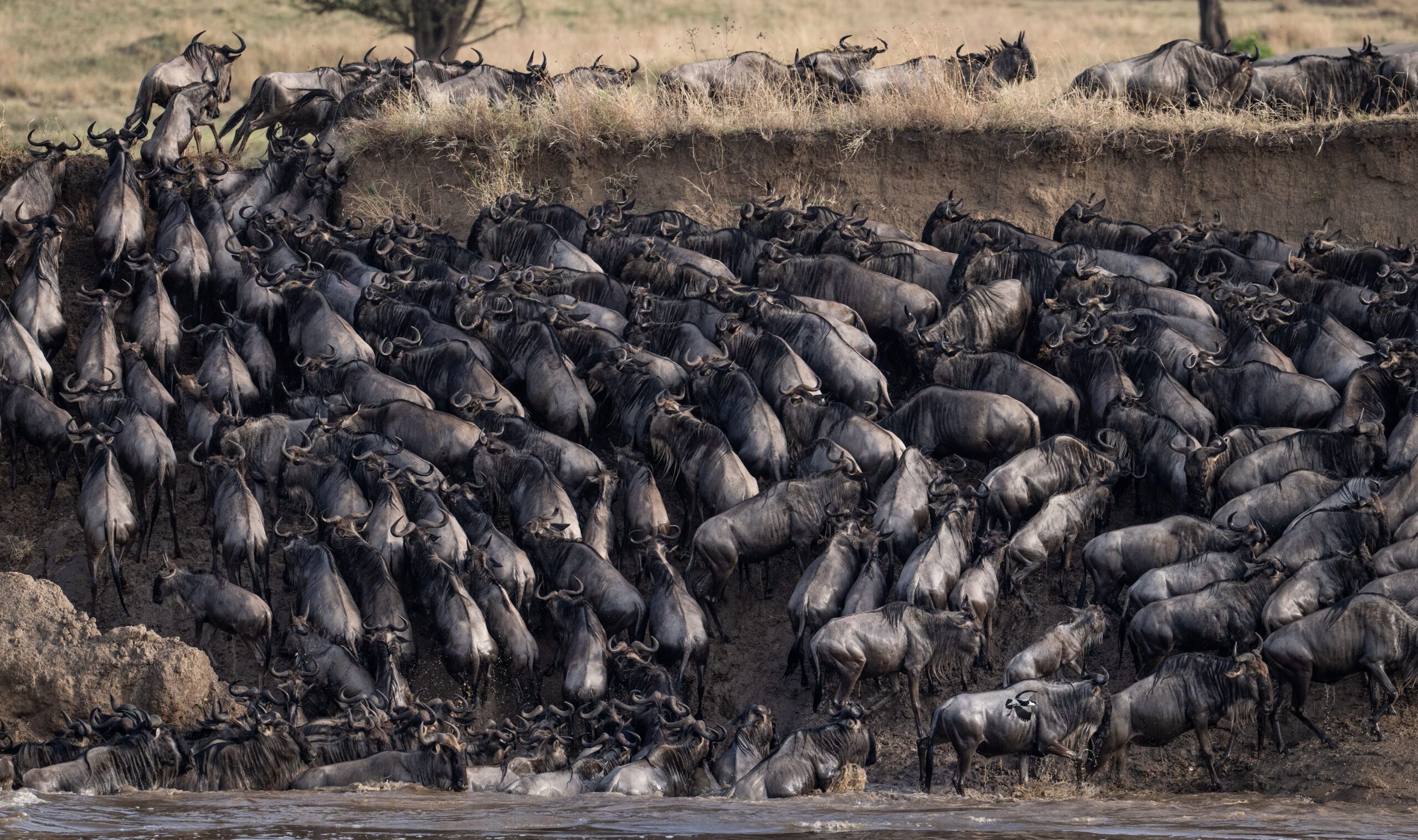
tanzania safari
The wildebeest migration across Tanzania is one of the most rewarding wildlife experiences in Africa. The main stage of this movement happens in the legendary Serengeti National Park, which offers some of the best and most consistent viewing opportunities throughout the year. Unlike other destinations where the migration passes quickly, Tanzania allows travelers to experience the herds for a longer period. The animals move through different regions of the Serengeti over several months, giving visitors more chances to witness key moments like calving, river crossings, and large herd movements.
Tanzania also offers a more spacious safari experience. Even during peak migration season, many areas of the Serengeti remain less crowded compared to similar wildlife destinations. This allows for better game viewing, clearer photography, and a more immersive connection with nature. The Serengeti ecosystem is also highly diverse. It includes open plains, river valleys, woodlands, and rocky outcrops known as kopjes. This variety supports not only the migration herds but also a wide range of resident wildlife such as lions, elephants, giraffes, and leopards.
Because of this wide ecosystem and long migration route, travelers have a higher chance of seeing different stages of the migration within a single safari trip. From newborn calves in the south to dramatic river crossings in the north, each region offers something unique.
This combination of long viewing periods, rich biodiversity, and strong wildlife action makes Tanzania one of the most reliable and rewarding destinations for witnessing the Great Migration in Africa.
Best Time to Visit Serengeti for Migration 2026
If your goal is to witness the Great Migration in the Serengeti National Park, timing is everything. The herds move in a continuous cycle, so each season offers a different highlight. Below is a more detailed breakdown of what happens in each period.
Calving Season → January–March
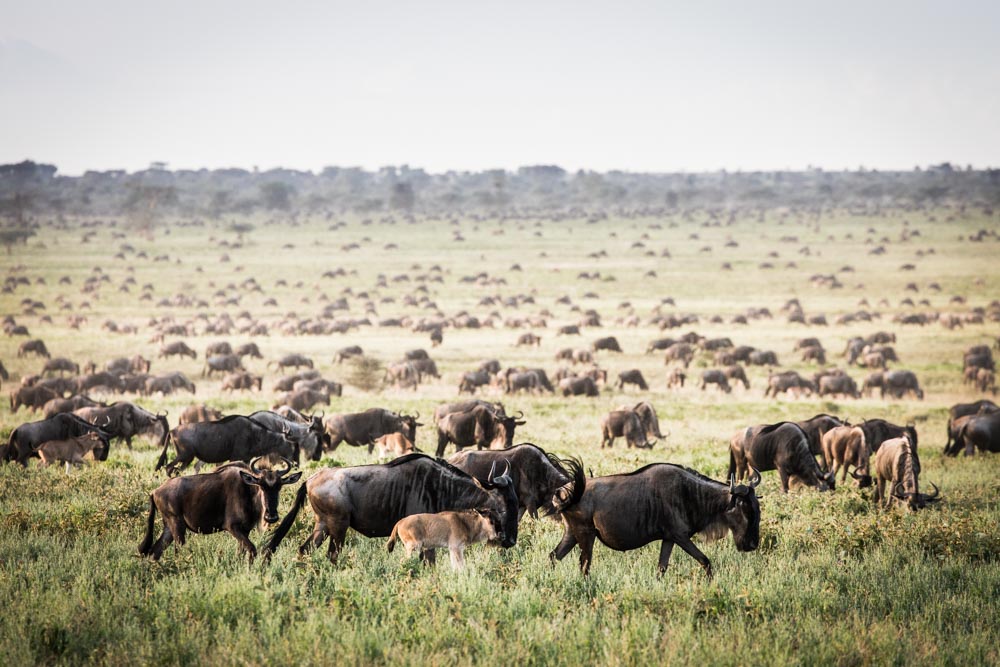
This is one of the most dramatic and emotional stages of the migration. The southern plains become the main gathering point for the herds. Thousands of wildebeest give birth almost at the same time, with over 500,000 calves born in a short period. The short grass plains provide open visibility, which makes it easier for visitors to see large herds spread across the landscape.
Predators are very active during this season. Lions, hyenas, and cheetahs follow the herds closely, creating constant predator-prey interaction. Many hunts happen during this period because newborn calves are easier targets.Despite the danger, survival rates remain high because of the overwhelming number of births, which reduces the chances of each individual being targeted.
Best for: newborn wildlife, predator action, dramatic safari scenes, photography, and calving experience
River Crossings → July–September
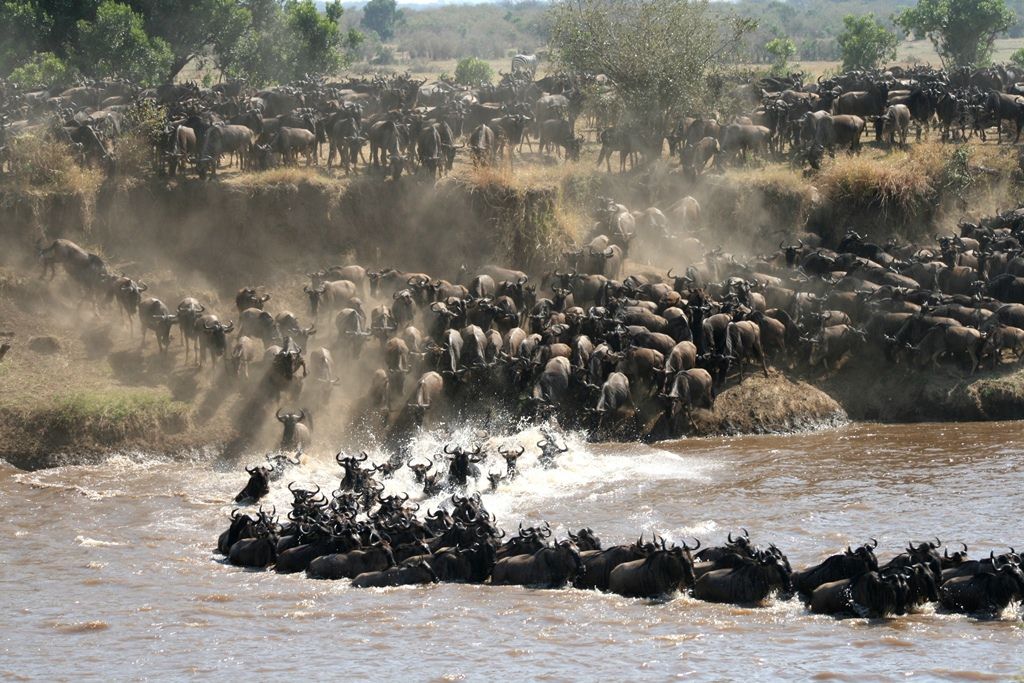
This is the most famous and intense stage of the entire migration. The herds move into the northern Serengeti and gather near the Mara River. The river crossings are unpredictable. Wildebeest must cross strong currents while avoiding crocodiles waiting in the water. The moment of crossing is fast, chaotic, and highly dramatic. Lions and other predators also follow the herds on land, increasing the intensity of wildlife encounters. Every crossing is different, and timing is never guaranteed, which makes it even more exciting. This is the peak season for wildlife documentaries and photography due to the raw action.
Best for: Mara River crossings, crocodile encounters, predator action, and iconic safari moments
Green Season → April–May
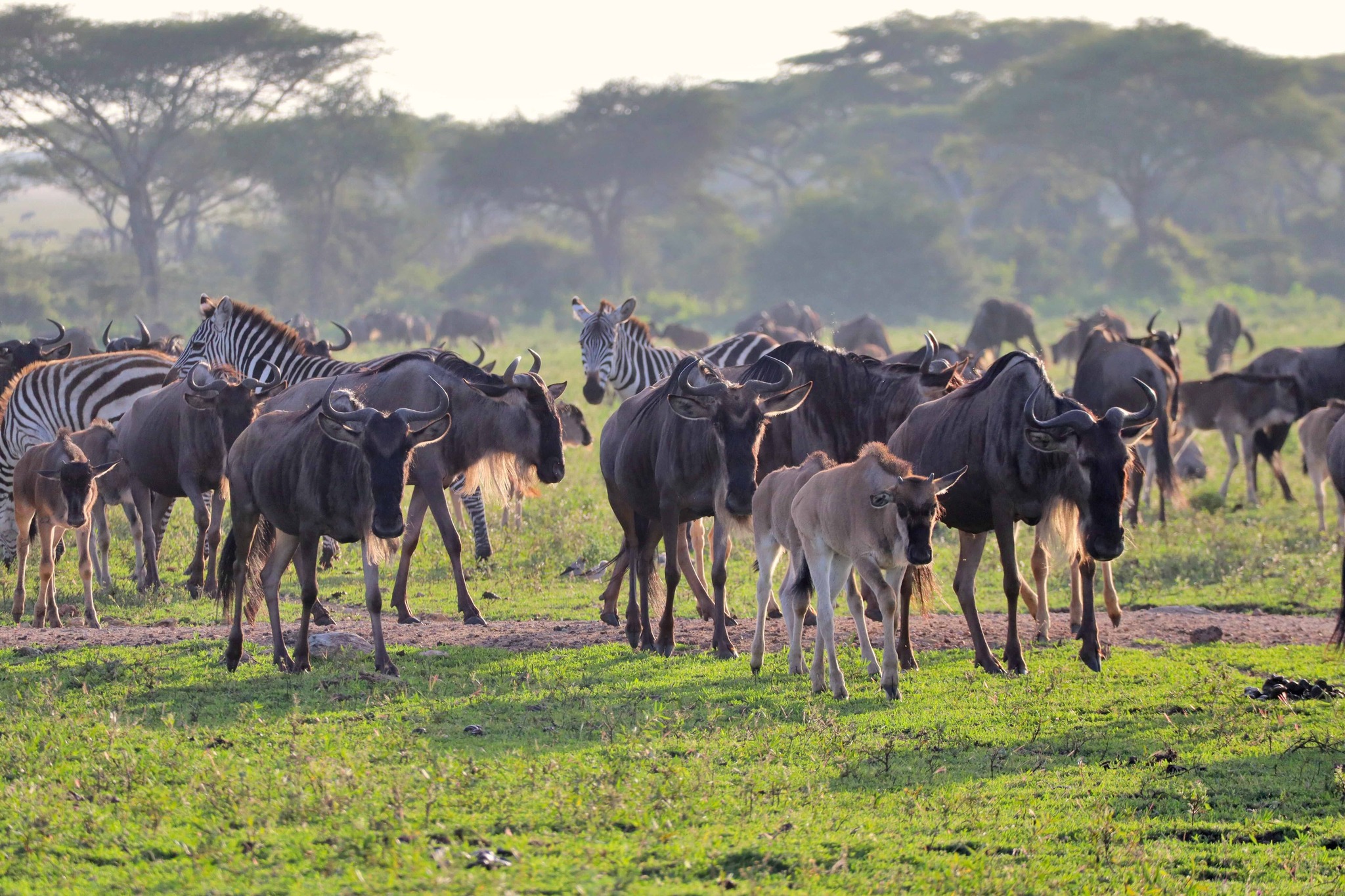
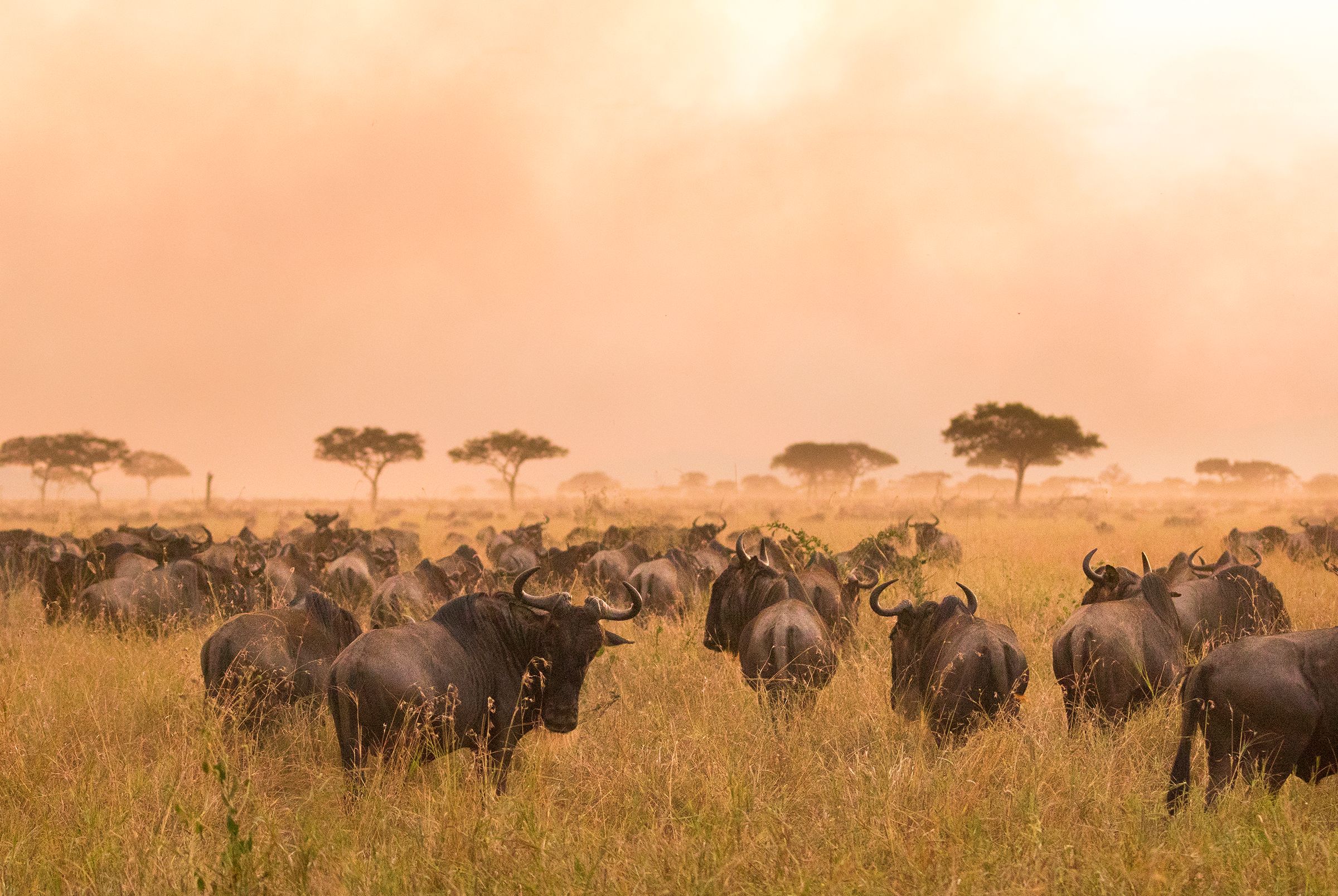
This season comes after the long rains. The entire Serengeti landscape turns green, fresh, and full of life.The herds begin to spread out as they slowly move northwards. Unlike peak seasons, animals are less concentrated, but wildlife is still widely visible across the plains. This is also one of the quietest safari periods. Fewer tourists visit, which gives a more private and peaceful experience.
The skies become dramatic with clouds and light rain, creating perfect conditions for photography.
Best for: budget safaris, peaceful game drives, green landscapes, and photography
Year-round Migration Movement
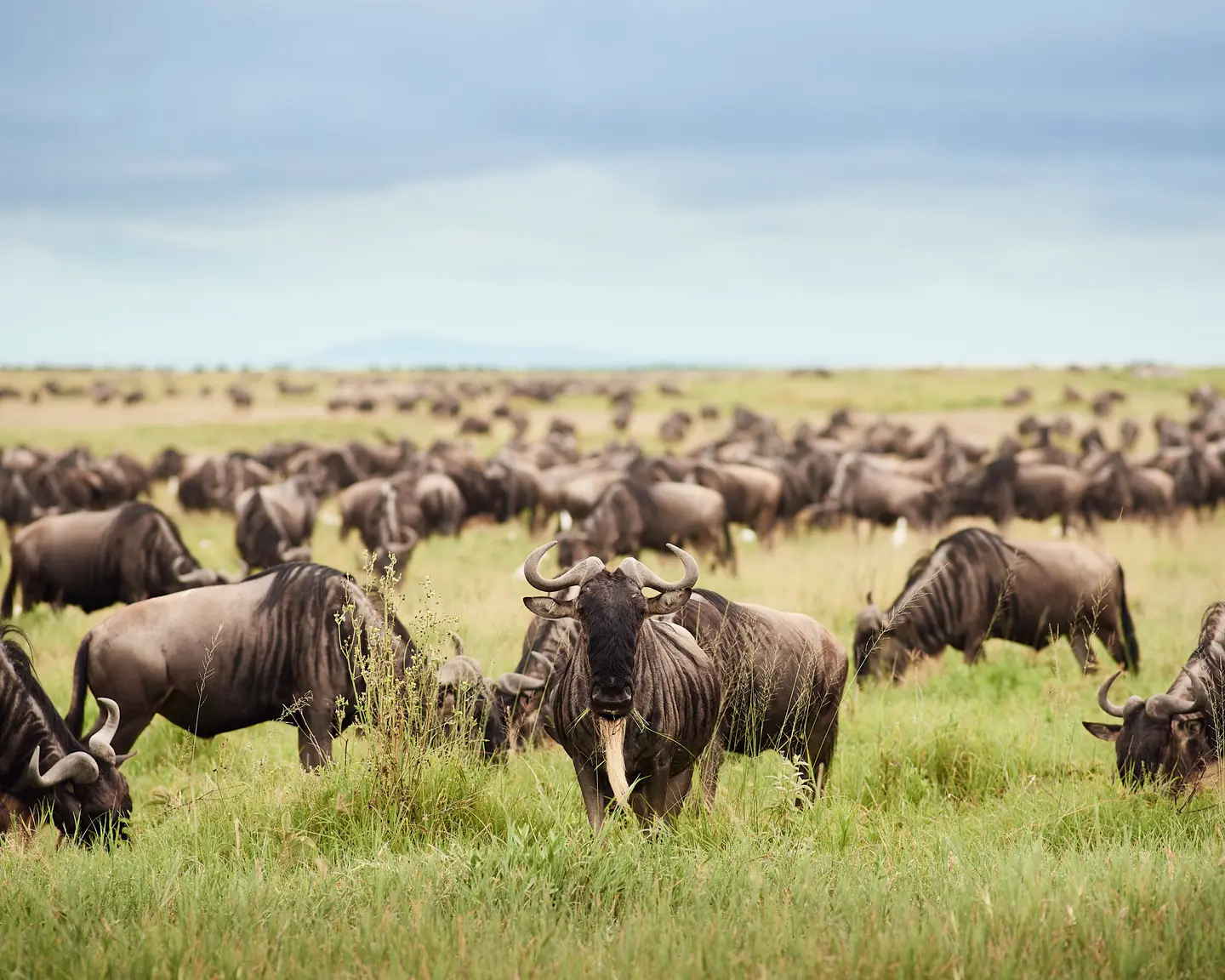
The migration is not a single event but a continuous cycle throughout the year. The herds move across different regions of the Serengeti ecosystem depending on rainfall and grazing conditions.At any time of the year, you can witness part of the migration — whether it is large herds on the move, predator activity, or smaller crossing events.
This makes the Serengeti one of the few destinations in Africa where wildlife action never fully stops.
Best for: flexible travel, year-round safaris, and general wildlife viewing
Final Insight
There is no single perfect month for the migration. Each season offers something unique. Your experience depends on what you want to see — birth, movement, crossings, or calm landscapes. Planning your safari correctly ensures you witness the most powerful moments of nature in action.
Pro Safari Tips for the Best Migration Experience
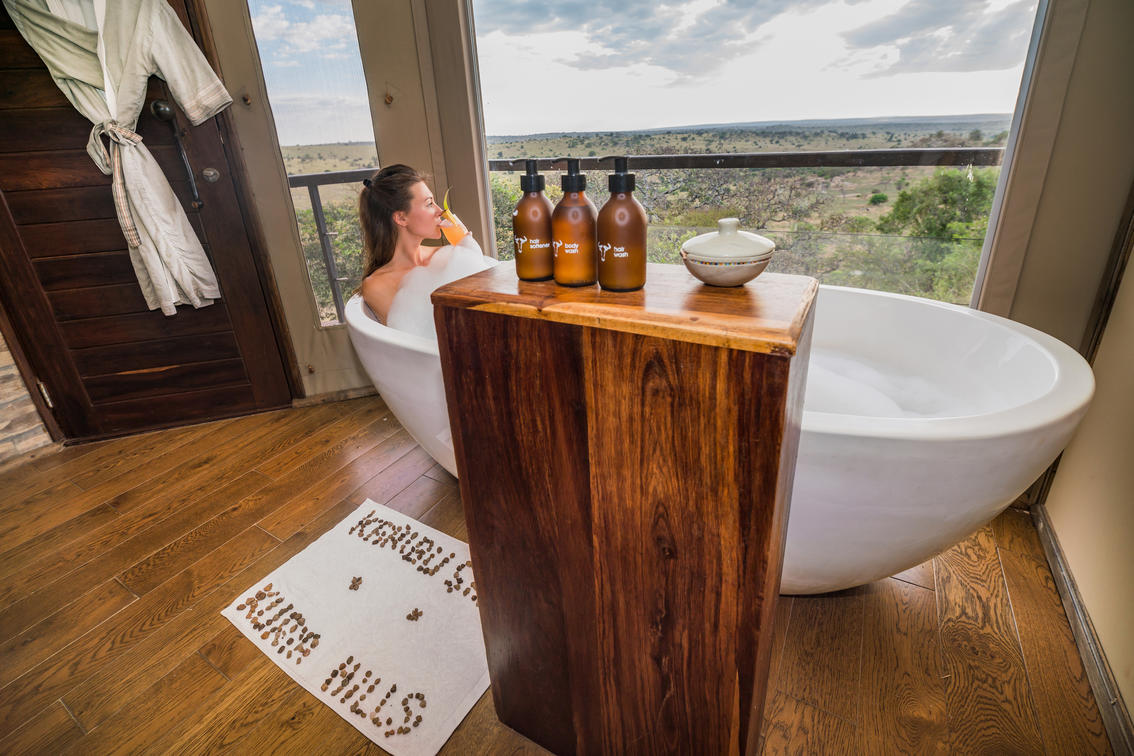
A Great Migration safari in Serengeti National Park requires more than simply choosing travel dates. The migration changes location throughout the year, and weather patterns can affect animal movement. Smart planning helps you increase your chances of witnessing the most dramatic wildlife moments.
Below are some important tips that can improve your overall safari experience.
Stay at Least 4–7 Days
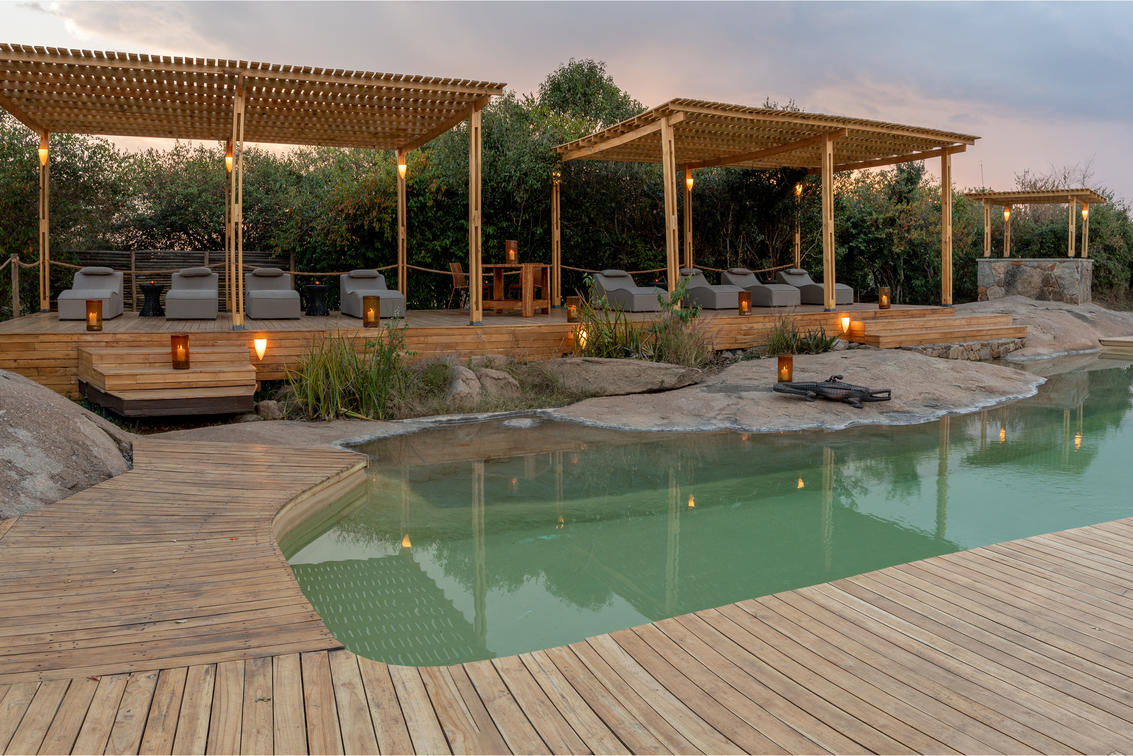
One of the biggest mistakes travelers make is booking a safari that is too short. The migration is unpredictable, and the herds can move large distances within a few days depending on rain and grazing conditions.
A longer stay gives your guide more flexibility to track the herds and adjust game drive routes. It also increases your chances of witnessing special moments such as predator hunts, river crossings, or large herd gatherings.
Spending more days in the Serengeti also allows you to experience different landscapes and wildlife behavior throughout your trip. Morning and evening game drives often reveal completely different animal activity.
Travelers who stay at least 4–7 days usually enjoy a deeper and more relaxed safari experience.
Combine Central + Northern Serengeti
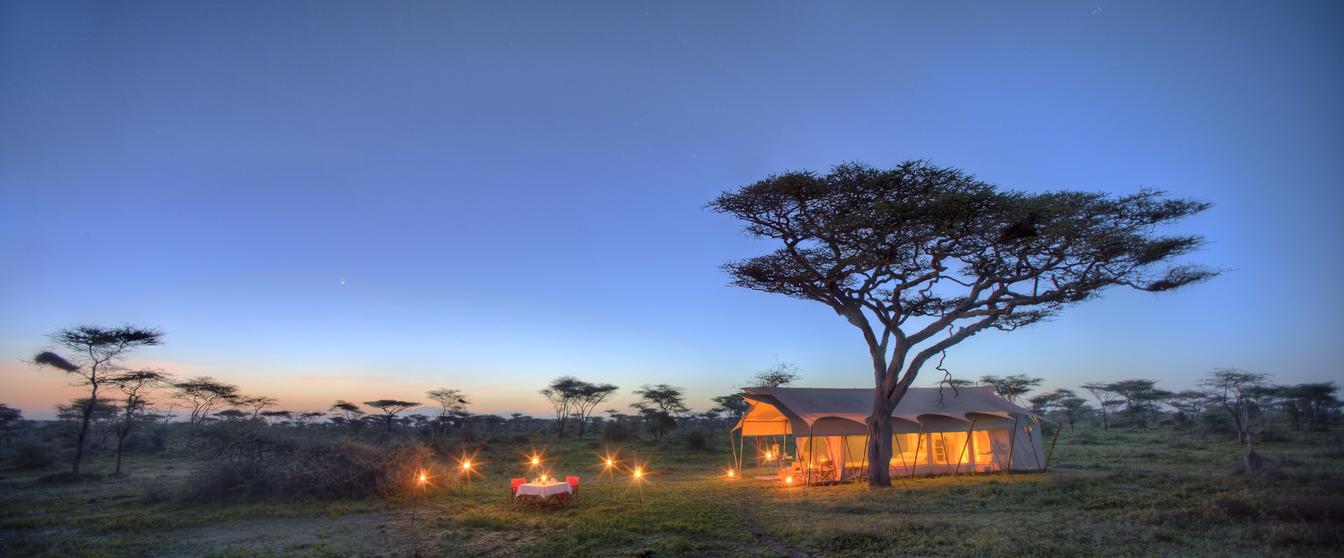
The Serengeti is a massive ecosystem with different wildlife zones. Staying in only one region may limit what you see during migration season. The central Serengeti offers excellent year-round wildlife viewing. It is famous for large predator populations, open plains, and reliable game drives even outside migration peaks.
The northern Serengeti becomes extremely active between July and September during the Mara River crossing season. This region offers dramatic crossing scenes and beautiful river landscapes. Combining both areas creates a more complete migration experience. You can enjoy predator-rich central plains while also increasing your chances of seeing river crossings in the north.
This combination is especially valuable for photographers and first-time safari visitors.
Use a Fly-in Safari for Faster Access
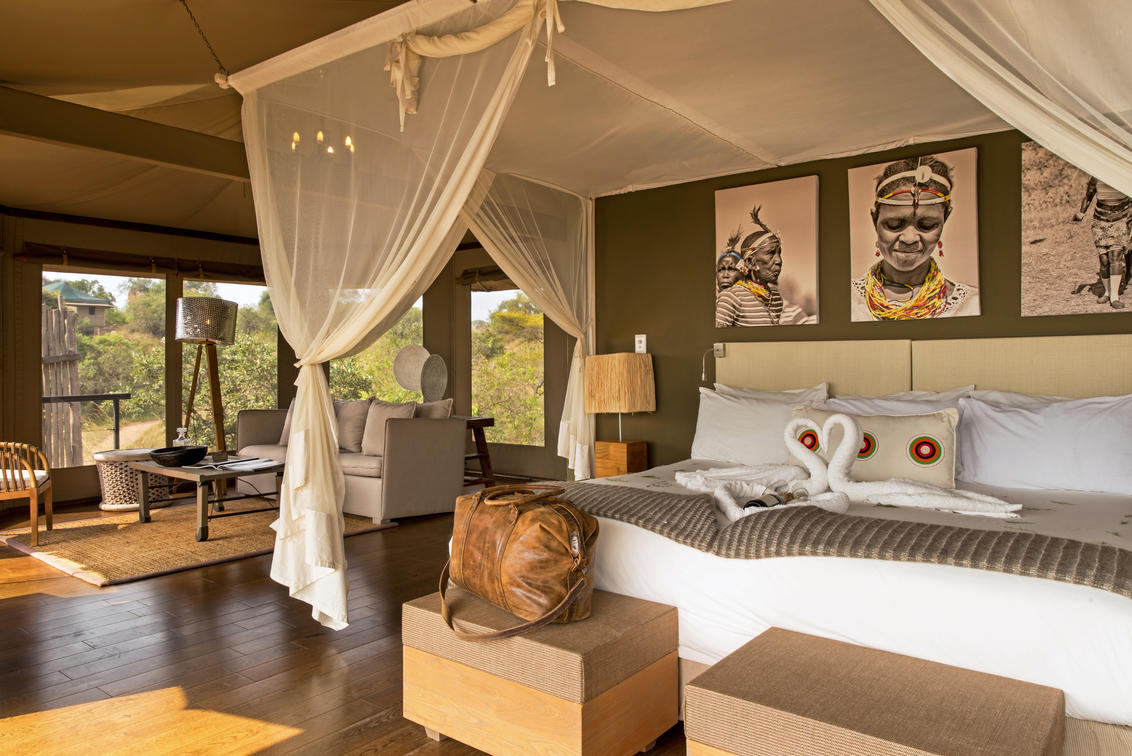
The Serengeti covers a very large area, and road travel between regions can take many hours. While road safaris offer adventure and scenery, long drives may reduce your game viewing time.
Fly-in safaris help you reach remote migration areas quickly and comfortably. Small bush aircraft connect major safari regions directly, allowing you to spend more time on game drives instead of transfers.
Aerial views of the Serengeti also create a unique perspective of the plains, rivers, and wildlife movement below. Many travelers consider the flight itself part of the safari experience.
Fly-in safaris work especially well for luxury travelers, honeymoon trips, or visitors with limited vacation time.
Book Early for 2026 Peak Season
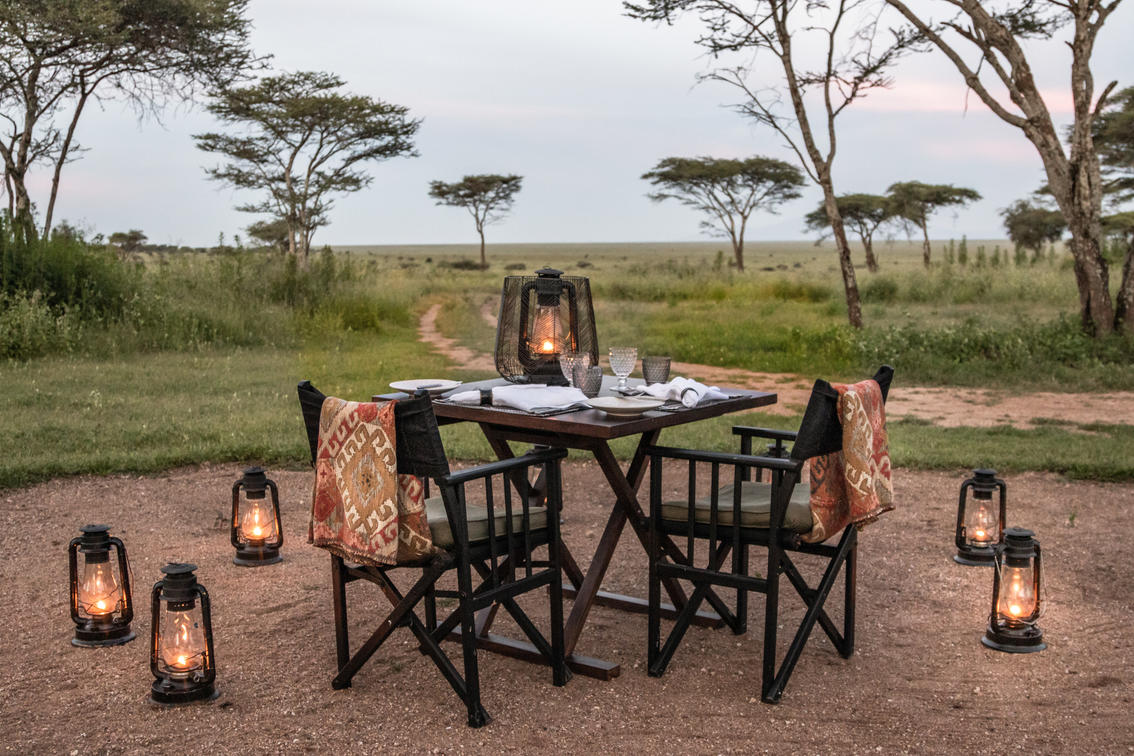
Migration safaris are among the most popular travel experiences in Africa. Peak periods, especially July to September, sell out very quickly. Luxury camps near the Mara River often receive bookings many months in advance because they offer prime access to crossing locations.
Booking early gives you:
- Better lodge and camp choices
- Better room availability
- More strategic migration locations
- Better flight options
- More flexible safari planning
Early planning also allows safari experts to build an itinerary based on expected herd movement during your travel dates. Expert Tip: The best migration safaris depend on timing, guide experience, and camp location. Choosing the right area at the right time can completely transform your safari experience.
Final Thoughts
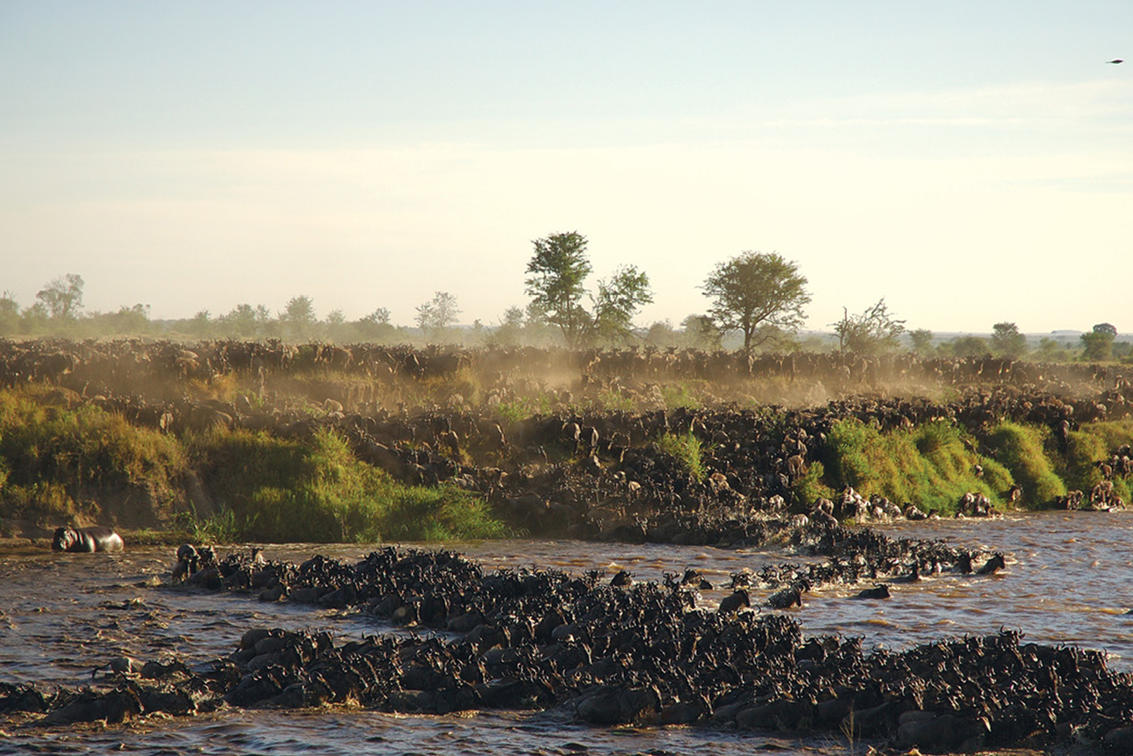
The Great Migration is far more than a normal safari experience. It is one of the last great wildlife spectacles on Earth — raw, emotional, unpredictable, and completely unforgettable. In the legendary Serengeti National Park, every day tells a different story. One morning, you may witness thousands of wildebeest crossing dangerous rivers filled with crocodiles. The next day, you may watch a newborn calf take its first steps while predators wait nearby on the plains.
No documentary, social media video, or photograph can fully prepare you for the real experience. The sounds of moving herds, the tension before a river crossing, and the silence of the Serengeti at sunrise create memories that stay with you forever. The migration also changes constantly. Weather patterns, rainfall, and grazing conditions influence where the herds move next. This makes every safari unique. No two migration experiences are ever exactly the same.
If you are planning to witness the Great Migration in 2026, this is the perfect time to start preparing your journey. The best safari camps and lodges, especially those near prime migration locations, book out many months in advance during peak season.
Planning early allows you to:
- Secure the best accommodation locations
- Match your travel dates with migration movement
- Enjoy better safari logistics and flights
- Create a smoother and more personalized experience
Plan Your Migration Safari with Experts
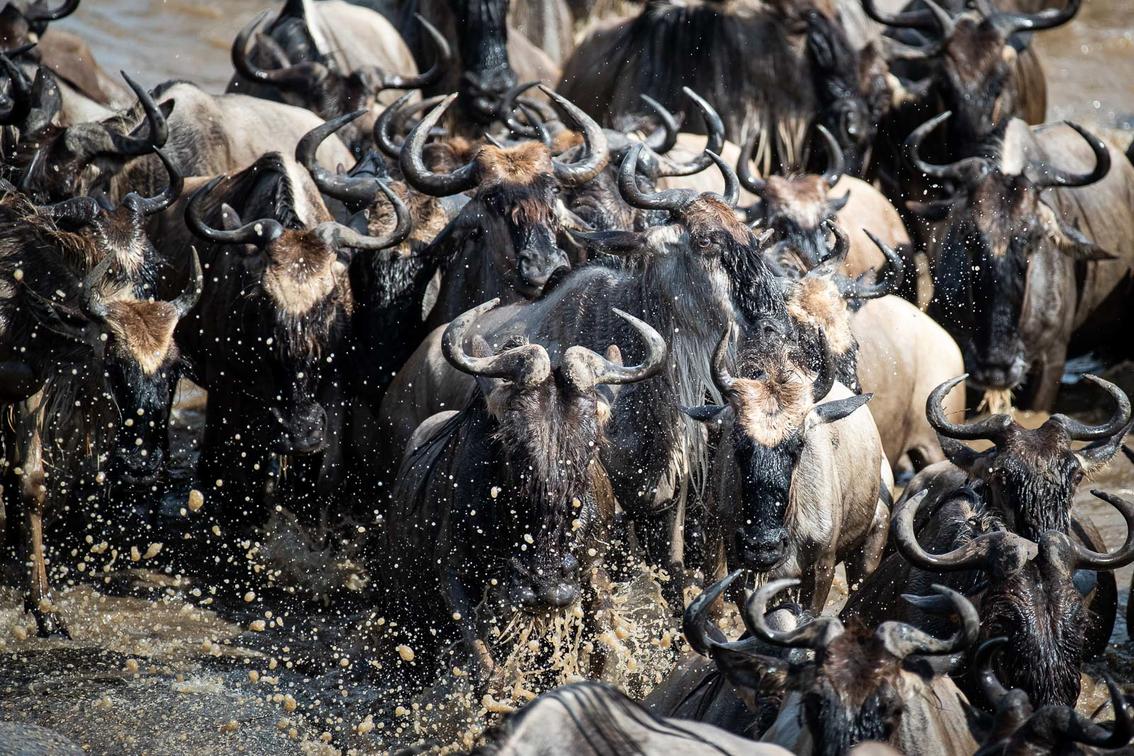
A successful migration safari depends heavily on timing, camp location, and expert local knowledge. Choosing the right region at the right moment can completely transform your experience. At Paul Tours Safari, we help travelers experience the Serengeti beyond ordinary tourism. Our team understands the seasonal movement of the herds and carefully designs itineraries that maximize wildlife viewing opportunities.
Whether you dream of:
- witnessing dramatic Mara River crossings,
- seeing thousands of newborn calves during calving season,
- enjoying a luxury fly-in safari,
- or capturing incredible wildlife photography,
we create safari experiences tailored to your travel style and goals. From luxury lodges to authentic tented camps, every journey is designed to combine comfort, adventure, and unforgettable wildlife encounters. Start planning your 2026 Great Migration safari today with Paul Tours Safari and experience Africa’s greatest wildlife spectacle the way it was meant to be seen — wild, real, and unforgettable.
Plan Your Migration Safari with Experts
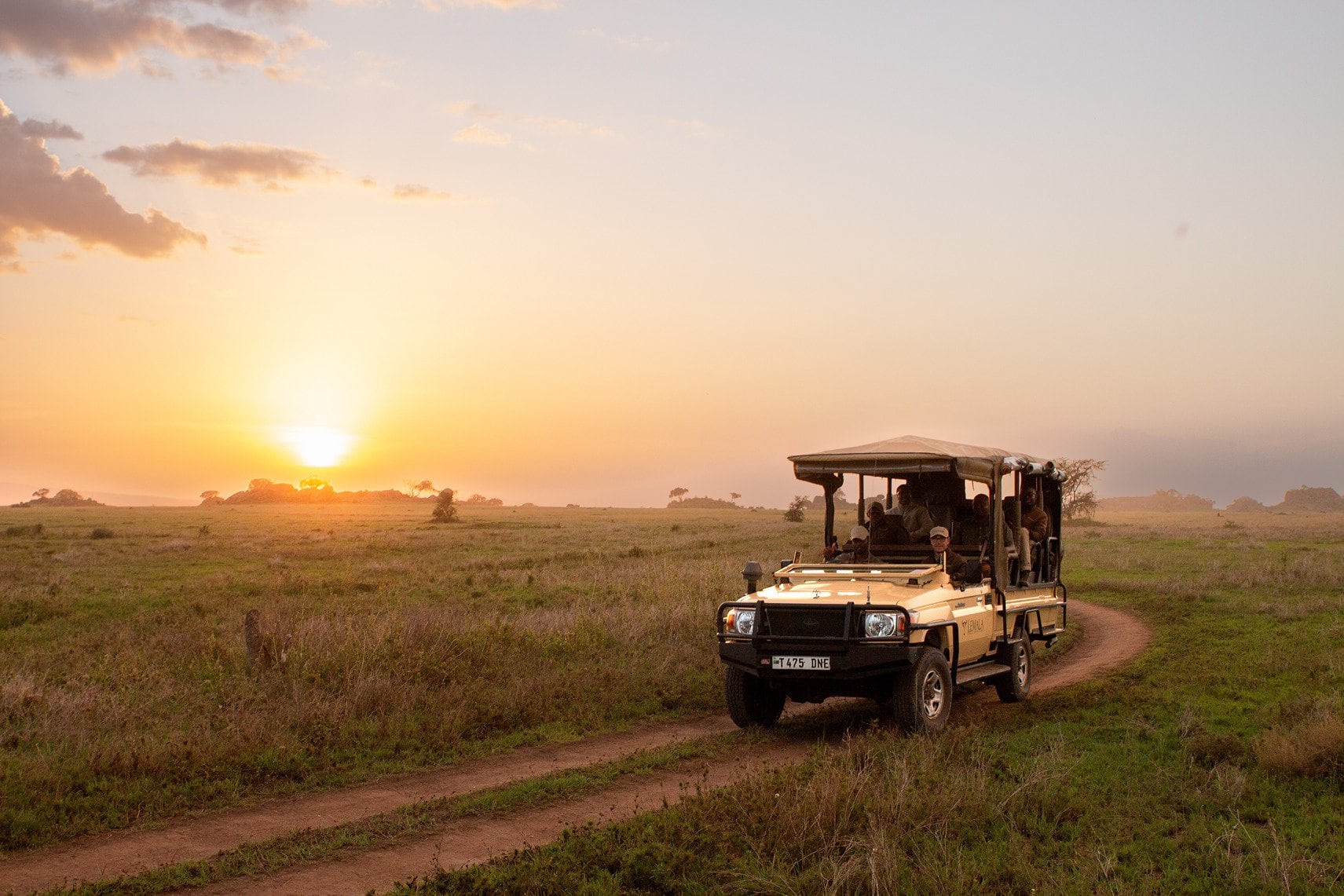
A successful migration safari depends heavily on timing, camp location, and expert local knowledge. Choosing the right region at the right moment can completely transform your experience in Serengeti National Park.
At Paul Tours Safari, we create personalized migration safaris designed around real herd movement and seasonal wildlife action. Whether you want to witness the famous Mara River crossings, experience calving season, enjoy a luxury fly-in safari, or capture incredible wildlife photography, our team helps you plan the perfect journey.
We carefully select the best camps, lodges, and safari routes to maximize your wildlife experience while ensuring comfort, safety, and unforgettable moments in the wild.
Why Travel with Paul Tours Safari?
- Expert migration planning
- Luxury & mid-range safari options
- Professional local safari guides
- Personalized itineraries
- Seamless safari + Zanzibar combinations
- Authentic East Africa safari experience
Ready to experience the Great Migration in 2026?
Click here to enquire about your safari:
Contact Paul Tours Safari
Explore our Serengeti migration itineraries:
View Safari Itineraries
Your unforgettable African adventure starts here.
Discover more from Paul Tours Safari
Subscribe to get the latest posts sent to your email.