
Planning a safari in Tanzania?
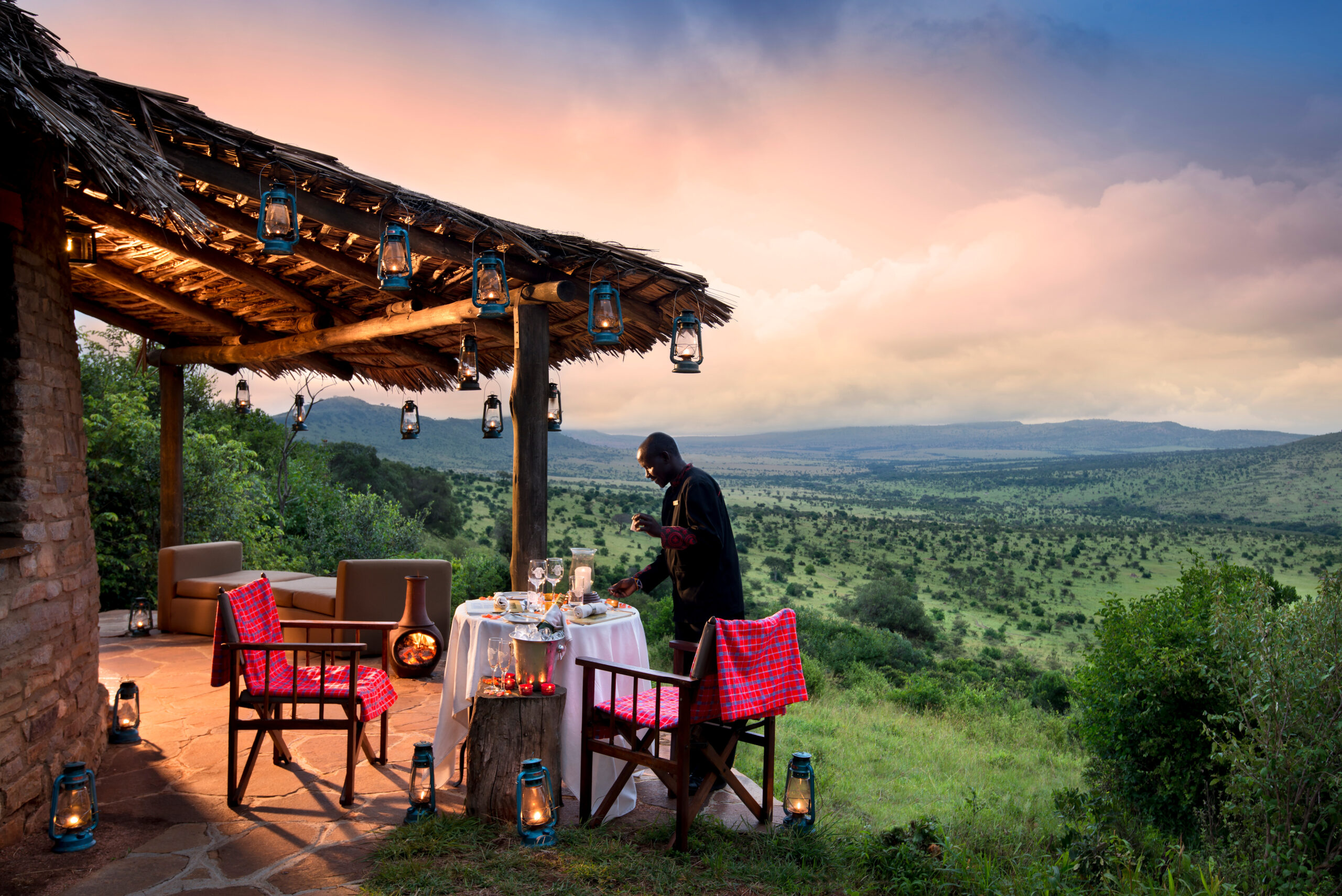
One of the most common questions travelers ask is: “When is the best time to visit?” The truth is, Tanzania is a year-round safari destination, offering some of the most spectacular wildlife experiences on Earth. From the endless plains of the Serengeti National Park to the breathtaking landscapes of the Ngorongoro Crater, every season brings something unique and unforgettable.
However, what many travelers don’t realize is that timing can completely transform your safari experience. Whether you dream of witnessing the dramatic Great Migration river crossings, seeing thousands of wildebeest calves being born, enjoying quieter game drives with fewer crowds, or combining your safari with a relaxing beach escape in Zanzibar, each of these experiences happens at a different time of the year.
Tanzania’s seasons are not just about weather — they influence wildlife movement, scenery, pricing, and the overall atmosphere of your safari. The dry season offers excellent game viewing as animals gather around water sources, while the green season showcases lush landscapes, fewer tourists, and incredible photography opportunities. Understanding when to visit Tanzania is key to creating the exact kind of safari you’ve been dreaming of. In this guide, we break everything down clearly so you can confidently choose the perfect time to travel with Paul Tours Safari and experience the magic of Africa at its best.
Best Time for Wildlife Viewing in Tanzania (June – October)
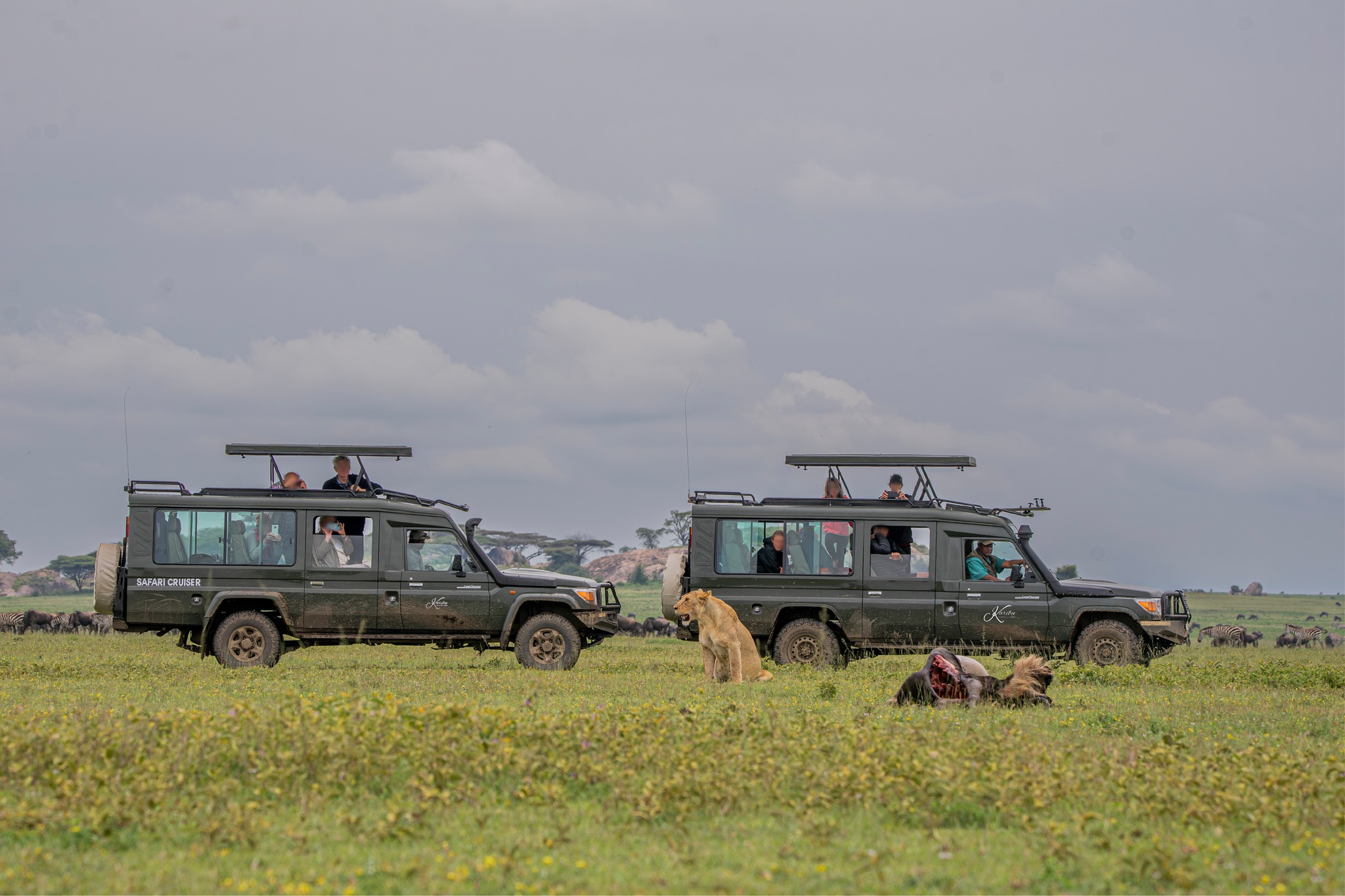
The dry season, which runs from June to October, is widely considered the ultimate time for wildlife safaris in Tanzania. During these months, water sources become limited, forcing animals to congregate around rivers, lakes, and permanent waterholes. This natural congregation makes it much easier for safari-goers to spot the Big Five — lions, elephants, leopards, rhinos, and buffalo — as well as countless other species like giraffes, zebras, and wildebeest.
The weather during this period is ideal: sunny days, cooler mornings and evenings, and minimal rainfall. These conditions create perfect game drive opportunities, allowing travelers to explore vast savannahs, dense woodlands, and dramatic landscapes without interruptions from heavy showers.
Key parks and reserves to visit during this season include:
- Serengeti National Park – the crown jewel of Tanzanian safaris, famous for its rolling plains and diverse wildlife. During this time, you can witness breathtaking predator-prey interactions and, depending on the month, catch parts of the Great Migration.
- Ngorongoro Crater – a natural amphitheater teeming with wildlife, where you can observe large herds of buffalo, zebras, and endangered black rhinos in a single day.
- Tarangire National Park – known for its massive elephant herds and iconic baobab trees, Tarangire offers a more off-the-beaten-path experience while still guaranteeing excellent wildlife sightings.
Traveling during the dry season offers more than just great game viewing. Trails are easier to navigate, roads are less muddy, and photographic opportunities are at their peak — the golden sunlight, clear skies, and dramatic landscapes create stunning images you’ll cherish forever. Additionally, this period coincides with peak safari season, meaning lodges and camps are fully operational, providing luxury accommodations, excellent guides, and seamless safari logistics.
The Great Migration: Tanzania’s Ultimate Safari Spectacle
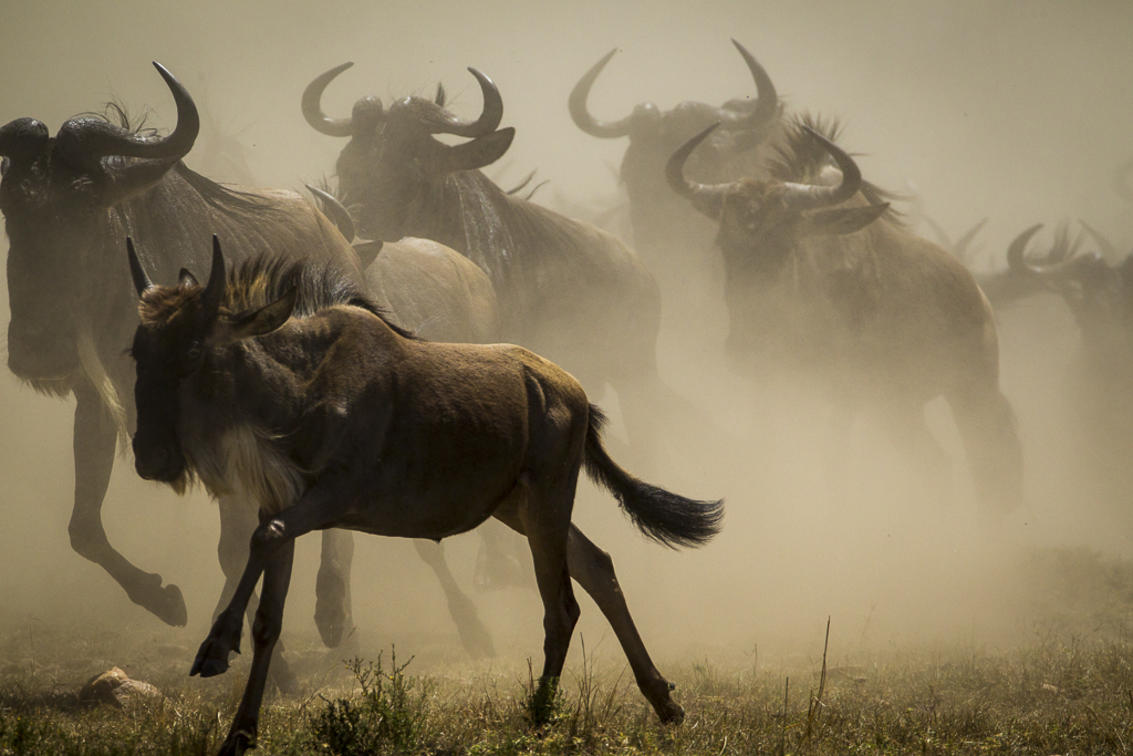
Few experiences in the world compare to witnessing the Great Wildebeest Migration in Tanzania. Every year, millions of wildebeest, accompanied by zebras and gazelles, traverse the vast plains in a never-ending search for fresh grazing and water. This incredible journey spans the Serengeti ecosystem and, depending on the month, offers travelers dramatically different wildlife experiences. Timing your safari to coincide with the migration can transform an ordinary safari into an extraordinary adventure.
From December to March, the southern Serengeti, particularly the Ndutu region, comes alive with calving season. Thousands of wildebeest give birth to their calves on the lush green plains, attracting predators like lions, cheetahs, and hyenas. This is a peak period for witnessing intense predator-prey interactions and capturing unforgettable wildlife photography against a backdrop of vibrant, freshly watered landscapes.
As the year progresses into June and July, the herds move northwest toward the Grumeti River in the western Serengeti. Here, travelers can witness thrilling river crossings, where wildebeest face fast currents and lurking crocodiles — moments filled with adrenaline and dramatic wildlife action.
By July through October, the northern Serengeti sees the most iconic scenes of the migration at the Mara River crossings. Thousands of wildebeest and zebras navigate crocodile-infested waters in a display of survival and instinct that has fascinated travelers and photographers for decades. These crossings are widely regarded as the ultimate wildlife spectacle, combining drama, movement, and the raw beauty of the African savannah.
The Green Season: Lush Landscapes and Fewer Crowds (November – May)
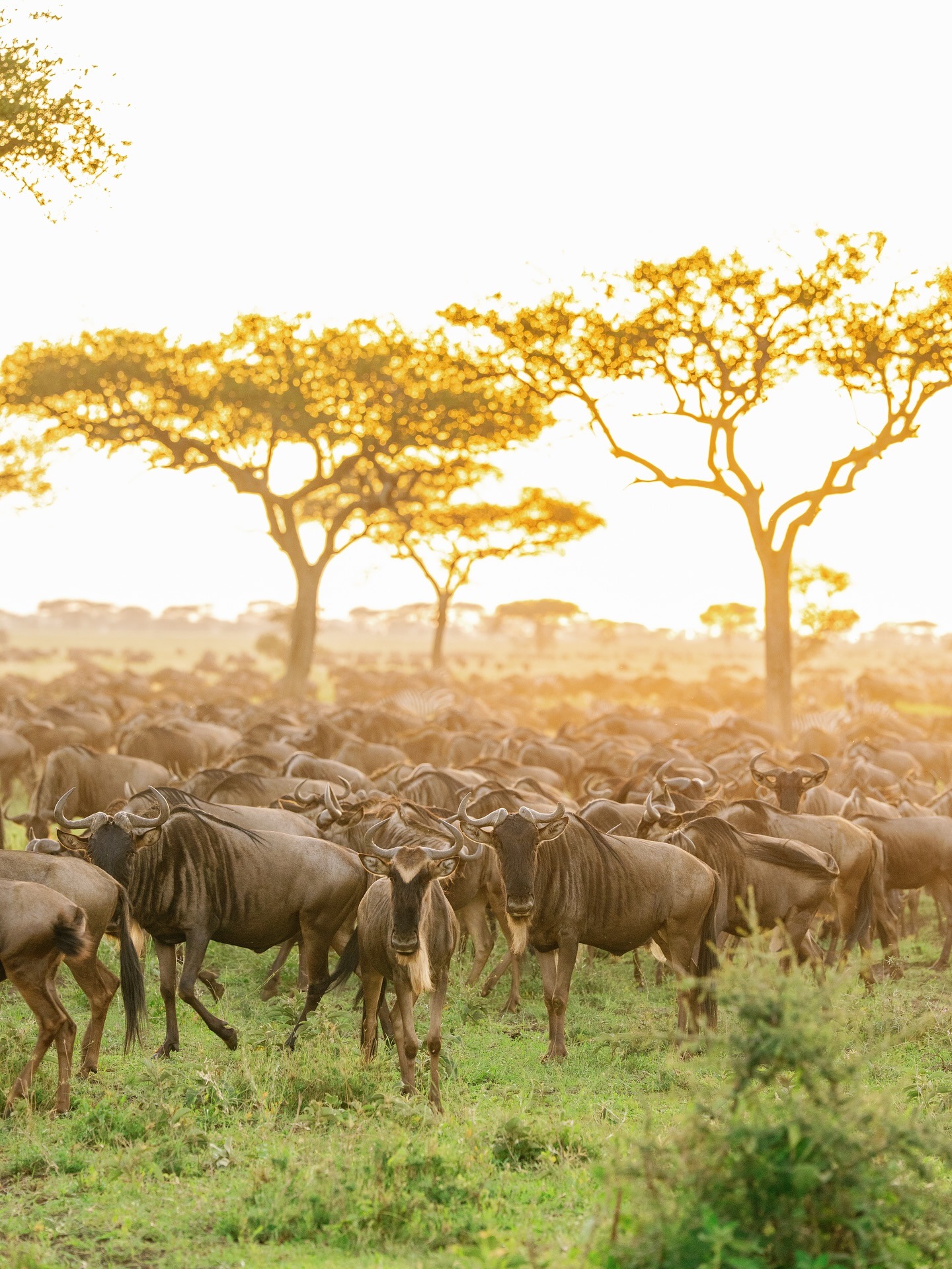
The Green Season, also known as the wet season, runs from November to May. During this time, Tanzania transforms into a vibrant paradise. Occasional rains bring lush green landscapes, sparkling waterholes, and dramatic skies. Wildlife is still abundant, and the scenery is at its most stunning.
One of the biggest advantages of visiting during the Green Season is the smaller crowds. Popular parks like the Serengeti, Ngorongoro Crater, and Tarangire are less busy, making for a more intimate safari experience. You can enjoy game drives without the traffic of other vehicles and often get closer to animals for photography.
Bird watchers will find this season especially rewarding. Migratory birds arrive, and the parks are alive with colorful species in their breeding plumage. The rivers and wetlands are full of life, and baby animals can be spotted in many areas. Calves, chicks, and newborns add extra excitement to every game drive.
The Green Season is also budget-friendly. Many lodges and camps offer lower rates during these months, making luxury safaris more accessible. Roads may be muddier in some remote areas, but this adds to the adventure and showcases the wild, untamed beauty of Tanzania. Guides are experienced at navigating these conditions, ensuring safe and smooth game drives.
Even though rain is more frequent, it usually comes in short bursts. The rest of the day is often sunny, allowing for long drives and stunning photography. The combination of vibrant scenery, active wildlife, and peaceful parks makes the Green Season a hidden gem for travelers looking for a different safari experience.
Best Time to Visit Zanzibar: Tropical Paradise Awaits

Zanzibar is the perfect beach extension after a safari in Tanzania. With its turquoise waters, soft white sands, and vibrant culture, the island offers a mix of relaxation, adventure, and exploration. Visitors can swim, sunbathe, snorkel, dive, or sail, while exploring coral reefs teeming with marine life. The island’s warm climate and clear seas make it an ideal destination for both relaxation and adventure.
The dry season, from June to October, is widely regarded as the best time to visit Zanzibar. During these months, rainfall is minimal, humidity is lower, and the sun shines almost every day. This makes beach activities, sailing, and diving perfect for travelers seeking consistent weather and calm seas. The waters are clear and inviting, providing ideal conditions for snorkeling and exploring vibrant coral reefs, while the beaches remain pristine and peaceful.
The green season, from November to May, brings occasional short rains that refresh the island’s landscapes. While some days may be wet, the showers are usually brief and leave behind lush, green scenery. This season is also ideal for visiting Zanzibar’s famous spice farms, where cloves, nutmeg, cinnamon, and other spices thrive. Accommodation and activity rates are often lower during this period, allowing travelers to enjoy luxury experiences at more budget-friendly prices.
Beyond the beaches, Zanzibar’s Stone Town offers a rich cultural experience. A UNESCO World Heritage site, it features narrow streets, historic architecture, bustling markets, and a fascinating history tied to the spice trade and the island’s unique cultural heritage. Travelers can sample local cuisine, shop for spices, and immerse themselves in the vibrant island lifestyle.
Whether visiting during the dry or green season, Zanzibar provides a perfect complement to a Tanzanian safari. From relaxing on powdery beaches and exploring marine life to discovering the history of Stone Town and the lush spice farms, the island offers a magical, unforgettable finale to any safari adventure.
Month-by-Month Quick Guide
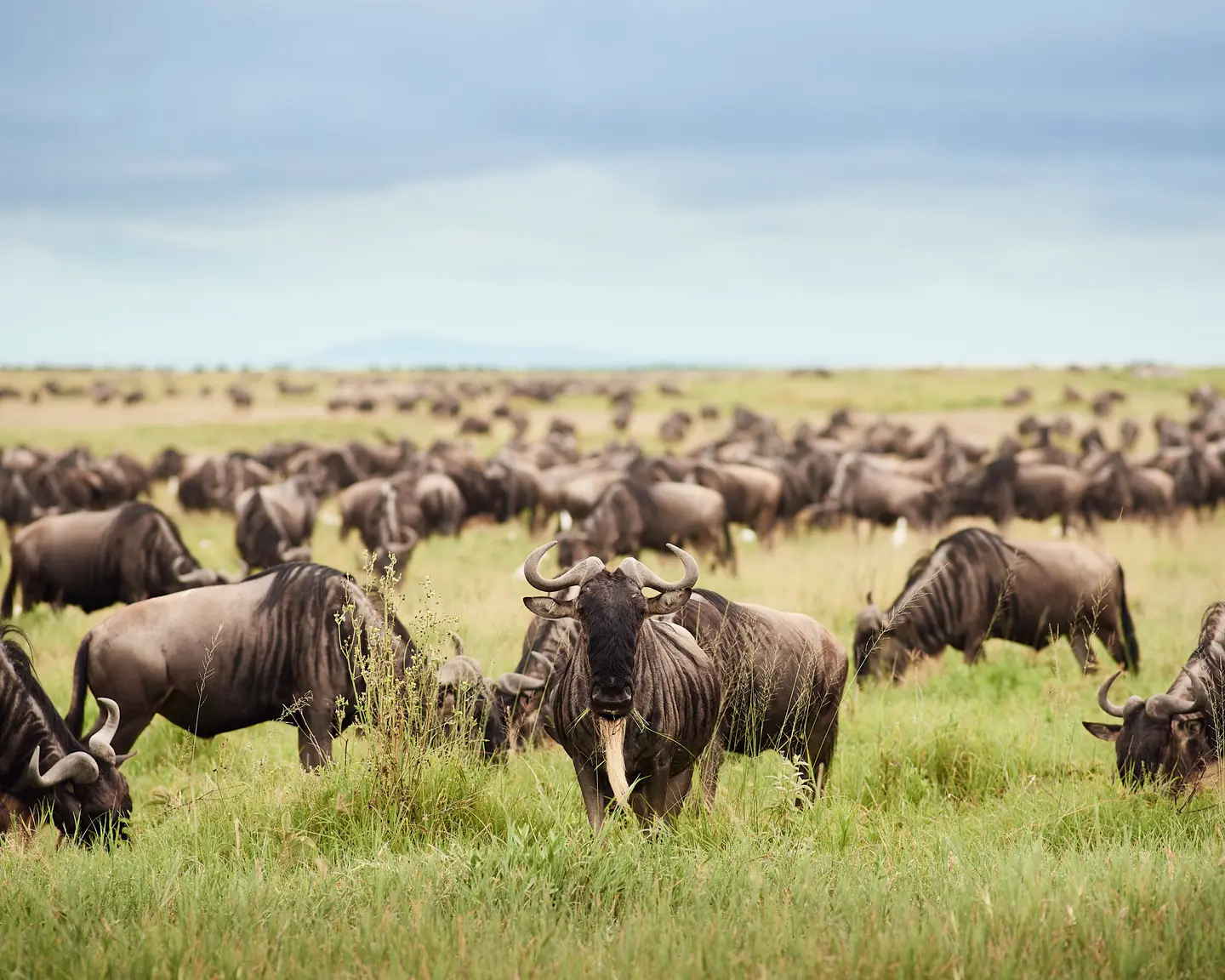
Planning your safari in Tanzania is easier when you know what each month has to offer. January to March marks the calving season in the southern Serengeti and Ndutu region. This is an incredible time to witness thousands of newborn wildebeest calves, attracting lions, cheetahs, and hyenas. Photographers and wildlife enthusiasts love this period for capturing dramatic predator-prey action against lush green landscapes. April and May bring the long rainy season, transforming Tanzania into a vibrant, green paradise. While some roads may be muddy, the parks are less crowded, accommodation rates are lower, and wildlife is still active — perfect for travelers seeking a quiet, immersive safari experience.
June to October is widely regarded as the best overall safari time. The dry season concentrates animals around water sources, making it easier to spot the Big Five, catch parts of the Great Migration, and enjoy long, uninterrupted game drives. Sunny days, cooler mornings, and clear skies provide ideal conditions for photography and adventure. November and December feature short rains, which refresh the parks and create lush scenery. Wildlife remains visible, and Ruaha and other remote parks offer quieter experiences. These months are perfect for travelers who want the beauty of the green season without dealing with heavy rainfall.
By planning your trip according to these monthly highlights, you can tailor your safari to your priorities — whether it’s witnessing dramatic wildlife events, enjoying solitude, capturing stunning photos, or finding budget-friendly accommodations. Tanzania’s diverse landscapes and wildlife offer unforgettable experiences year-round, and this guide ensures you pick the ideal time for your dream safari.
So, When Should You Visit?
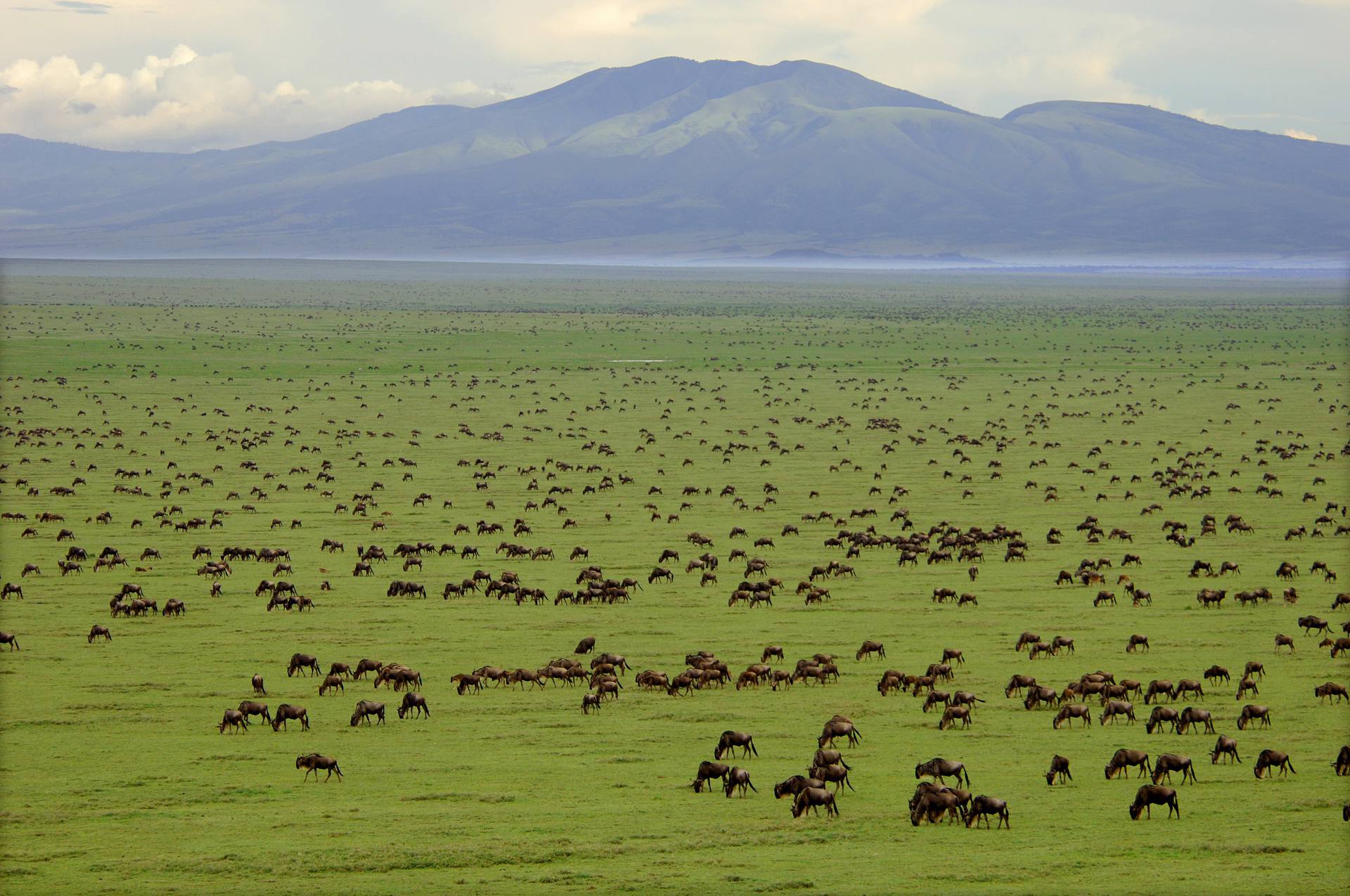
Choosing the best time for your Tanzania safari depends on the kind of adventure you want. Each season offers unique experiences, wildlife activity, and scenery.
June – October: Peak Safari Season
This is widely regarded as the ultimate safari season. Dry weather forces animals to gather around rivers and waterholes, making it easier to spot the Big Five. The Great Migration’s river crossings happen during this time, creating dramatic wildlife moments. Golden sunlight and clear skies make photography perfect. Parks are busy, lodges fully operational, and game drives run smoothly — ideal for first-time visitors seeking the classic African safari.
December – March: Calving Season
During this period, the southern Serengeti and Ndutu region experience calving season. Thousands of wildebeest calves are born, attracting lions, cheetahs, and hyenas. Predator-prey interactions are intense and provide incredible wildlife encounters. The landscapes are lush and green, creating stunning backdrops for photos. Parks are less crowded, offering a quieter, more intimate safari experience.
April – May: Green and Budget-Friendly Season
The long rains refresh Tanzania’s parks, creating vibrant green landscapes and sparkling waterholes. Roads may be muddier, but wildlife is still abundant. This season is ideal for travelers seeking peaceful safaris, fewer crowds, and lower prices. Bird watchers will also enjoy seeing migratory and resident birds in full activity.
Combine with Zanzibar for the Perfect Finale
By planning your safari around these seasonal highlights, you can match your trip to your goals. Whether you want river crossings, baby animals, lush scenery, or budget-friendly adventures, Tanzania delivers unforgettable experiences. Pair your safari with a Zanzibar beach extension for sun-soaked relaxation, clear waters, and rich cultural exploration — the perfect end to your East African journey.
Plan Your Tanzania Safari
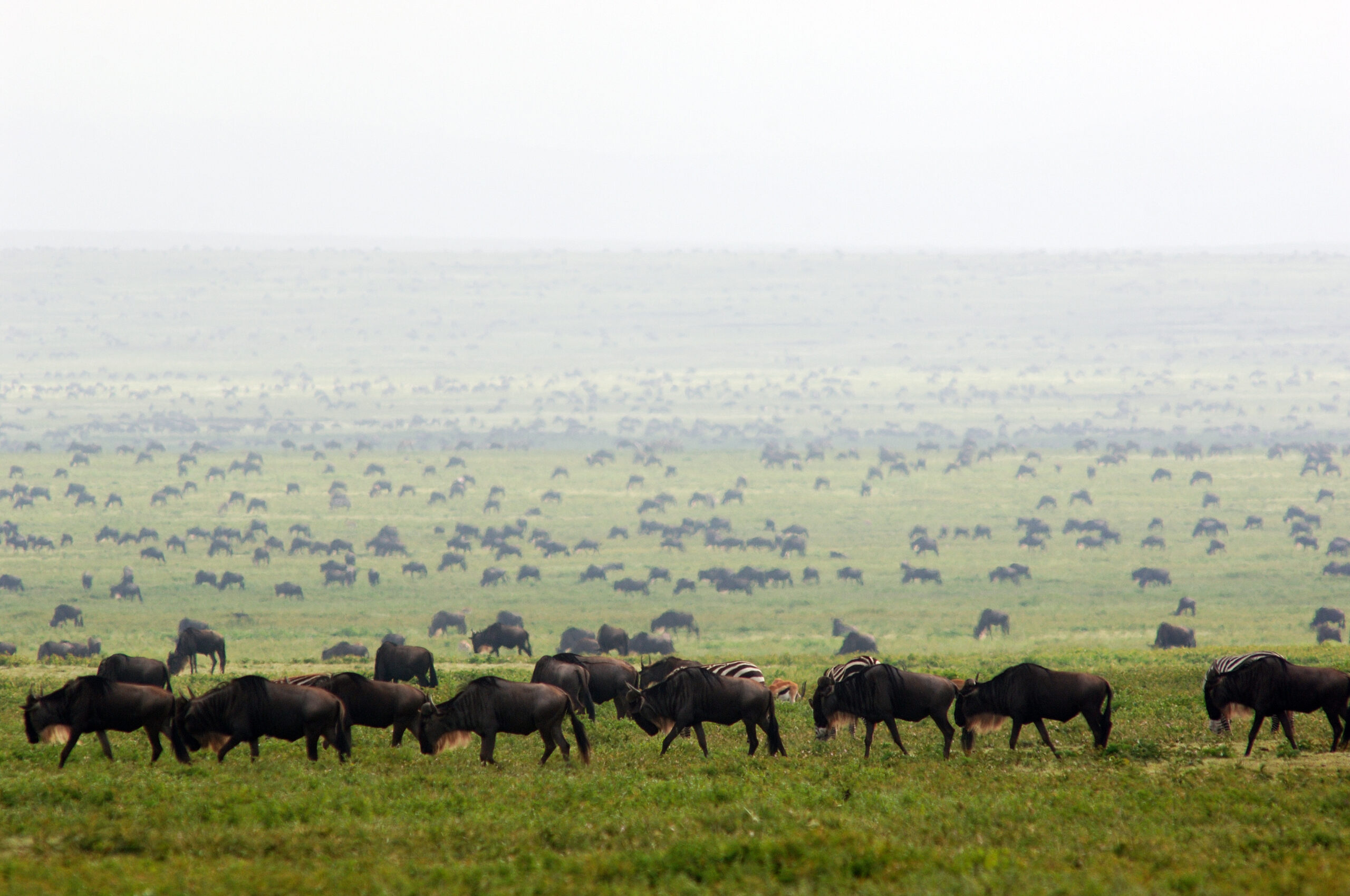
No matter when you visit, Tanzania offers unforgettable wildlife, landscapes, and cultural experiences. At Paul Tours Safari, we design custom itineraries based on your travel dates, budget, and travel style — whether you prefer luxury, mid-range, or adventure safaris. From spotting the Big Five and experiencing the Great Migration to relaxing on Zanzibar’s pristine beaches, we ensure every detail of your trip is seamless and memorable.
Explore Our Itineraries
Curious about the adventures waiting for you? Check out our carefully crafted Tanzania safari itineraries, designed to suit every traveler’s dream — from classic wildlife safaris to family adventures and romantic escapes.
Contact Us
Ready to turn your dream safari into reality? Our expert team is here to help you plan every detail, ensuring a custom Tanzania experience tailored just for you.
Ready to Plan Your Dream Safari?
Contact us today and let us design your perfect Tanzanian adventure. Whether you’re looking for an action-packed wildlife safari or a relaxing Zanzibar beach extension, we’ll make your journey truly unforgettable.
Email: [email protected]
WhatsApp: +255 45 170 000
Let’s create your dream safari together!
Discover more from Paul Tours Safari
Subscribe to get the latest posts sent to your email.