
Paul Tours Safari – Tanzania Travel Guide
By Paul Tours Safari
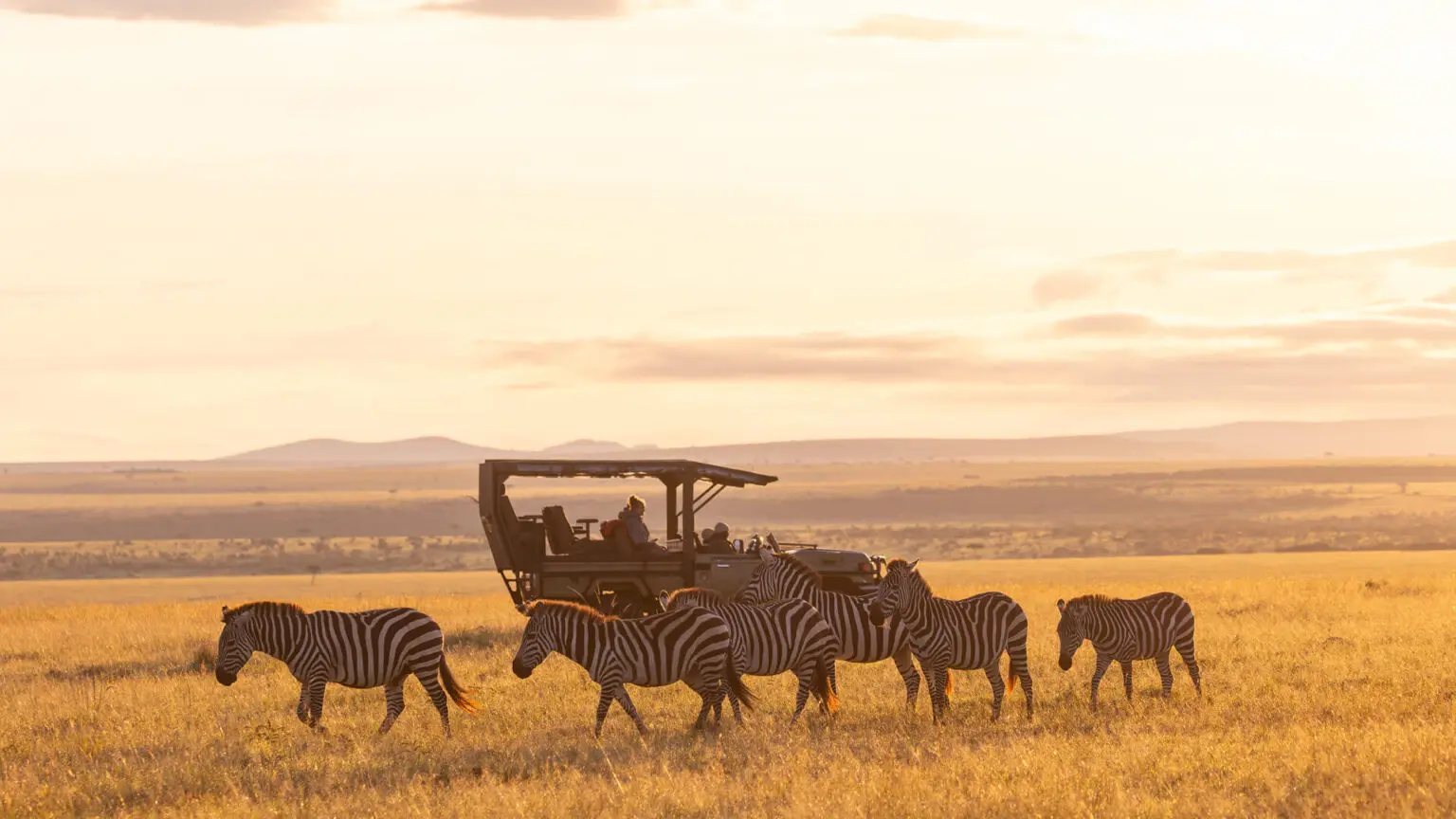
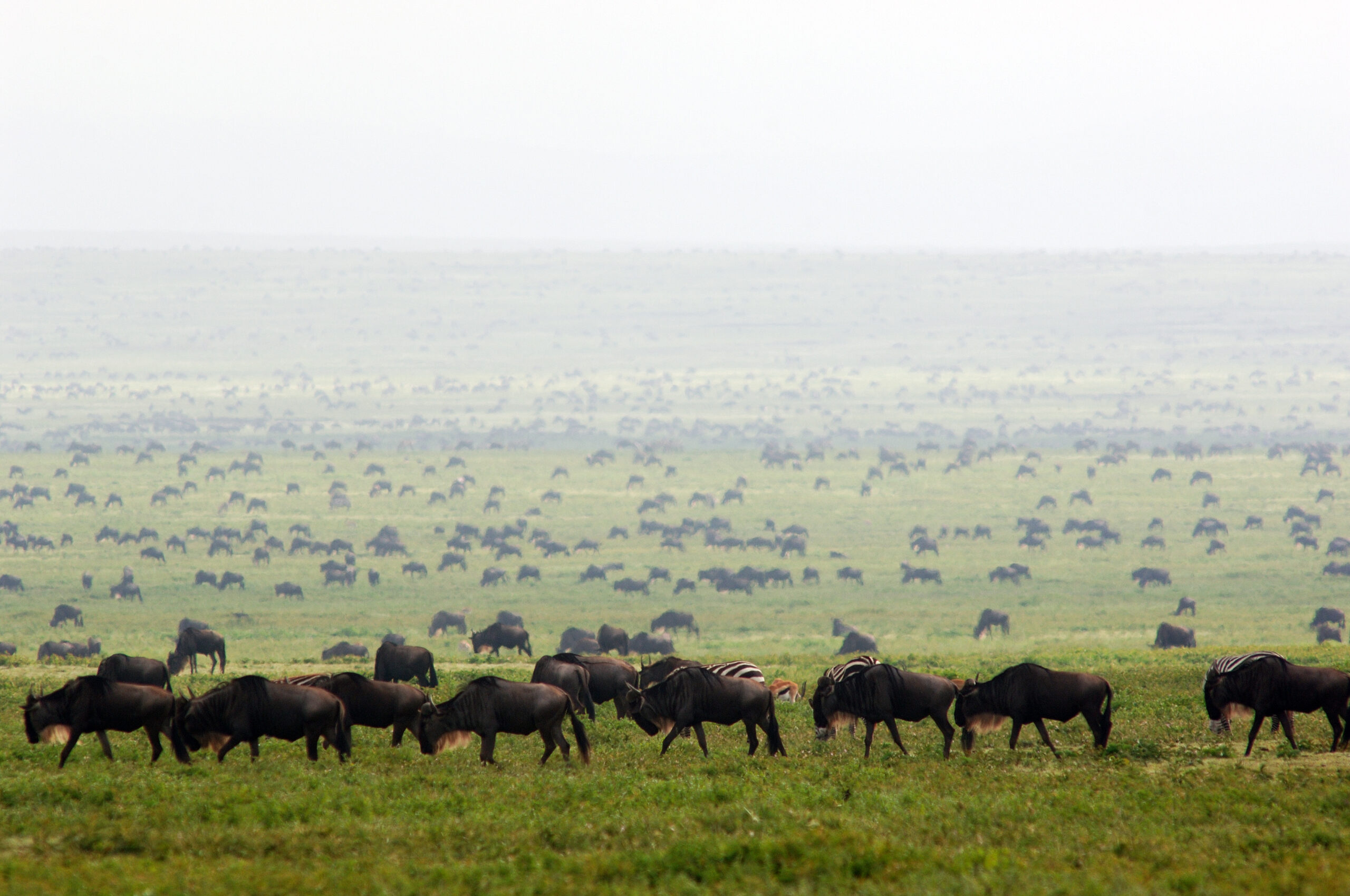
Plan your dream safari in Tanzania with confidence. This travel guide helps you prepare for an unforgettable journey through Africa’s most iconic landscapes and wildlife destinations. Explore the vast plains of the Serengeti and witness the Great Migration up close. Visit the Ngorongoro Crater and marvel at its towering cliffs and rich biodiversity. Relax on Zanzibar’s white sandy beaches and experience the vibrant culture of local communities.
This guide gives practical tips on luggage limits for domestic flights, recommended safari clothing, daily essentials, and health precautions. With these insights, you will stay comfortable, safe, and ready to enjoy every moment. Paul Tours Safari ensures your adventure combines luxury, convenience, and the raw beauty of East Africa.
Travel Information
Luggage Allowance
When flying within Tanzania on light aircraft or helicopters, each passenger is usually allowed one soft bag, weighing up to 15kg (33 lbs), including hand luggage. Soft duffel bags are ideal because they fit more easily into small aircraft compartments and allow flexible packing without wasting space.
We recommend also bringing a small daypack or carry-on for items you’ll need during the day, such as travel documents, snacks, a camera, or a water bottle. Keep your essential items close at hand: medication, passports, visas, tickets, money, and valuables. This ensures you stay organized and prepared during transfers or in-flight.
Pro tip: Weight and size restrictions can vary between airlines, so always confirm your carrier’s rules before departure. Efficient packing not only keeps you within limits but also helps you travel light, giving you more time to enjoy your safari experience rather than worrying about luggage.
Pre-Departure Checklist
Before you begin your Tanzanian safari, take time to organize all your essential documents and items in a secure and easily accessible travel pouch. Make sure your passport is valid for at least six months from your travel date and, if required, obtain your visa in advance. Carry travel insurance documents that cover medical emergencies, evacuation, and trip interruptions.
Include health records such as vaccination certificates, prescriptions, and a list of any medications you take regularly. Keep credit cards and cash (US dollars are widely accepted in Tanzania) in a separate compartment for easy access. Don’t forget identification documents or copies of important papers in case of loss.
Pro tips for smooth travel:
- Use a pouch with multiple compartments to separate passports, tickets, and money.
- Keep a digital backup of all documents on your phone or cloud storage.
- Carry a small notebook with emergency contacts and local guides’ information.
- Store travel documents close to your carry-on or daypack so you can access them quickly during flights or border checks.
By staying organized, you reduce stress, avoid delays, and start your safari adventure fully prepared and confident.
What to Wear on Safari
Dressing appropriately on safari is essential for comfort, safety, and enjoyment. The key is to wear neutral colors such as beige, khaki, olive, or light brown. Avoid white, black, dark blue, bright colors, or camouflage, as these can attract insects, reflect heat, or disturb wildlife. Opt for lightweight, breathable fabrics like cotton or moisture-wicking materials, and layer your clothing to adapt to varying temperatures from early morning chills to midday heat.
Suggested Packing List
- Trousers & Shorts: Three lightweight cotton trousers and three pairs of shorts. Long trousers protect against mosquitoes and thorny bushes, while shorts are perfect for warmer daytime activities.
- Shirts: Four shirts—two long-sleeved and two short-sleeved. Long sleeves are ideal for sun and insect protection; short sleeves are comfortable in hot afternoons.
- Outerwear: A lightweight fleece or sweater for early mornings and evenings, and a light windbreaker or bush jacket for windy or rainy conditions.
- Footwear: Comfortable walking shoes or lightweight hiking boots for safari drives and bush walks, and flip-flops or open shoes for relaxing at the lodge.
- Accessories: Wide-brimmed hats or caps, scarves or buffs to protect against dust and sun, and sunglasses for UV protection.
Additional Tips for Women:
- Consider lightweight, loose-fitting trousers or maxi skirts for comfort and modesty when visiting local communities.
- Pack a swimsuit and a cover-up for lodge pools or beach excursions.
- Minimal jewelry is advised to avoid attracting attention from wildlife or getting lost.
Additional Tips for Men:
- Breathable polo shirts or moisture-wicking t-shirts work well for hot safari days.
- Lightweight shorts with multiple pockets help carry small items like binoculars or camera accessories.
- A lightweight belt or utility vest can be practical for organizing safari essentials.
Other Essentials:
- Sleepwear and undergarments
- Socks suitable for walking or hiking
- Laundry bags to separate worn clothing
Pro tip: Most lodges and camps offer laundry services, so you can pack lighter and mix and match clothing. Layering is especially important because mornings and evenings in the bush can be surprisingly cool, while midday sun can be intense.
Toiletries & Personal Items
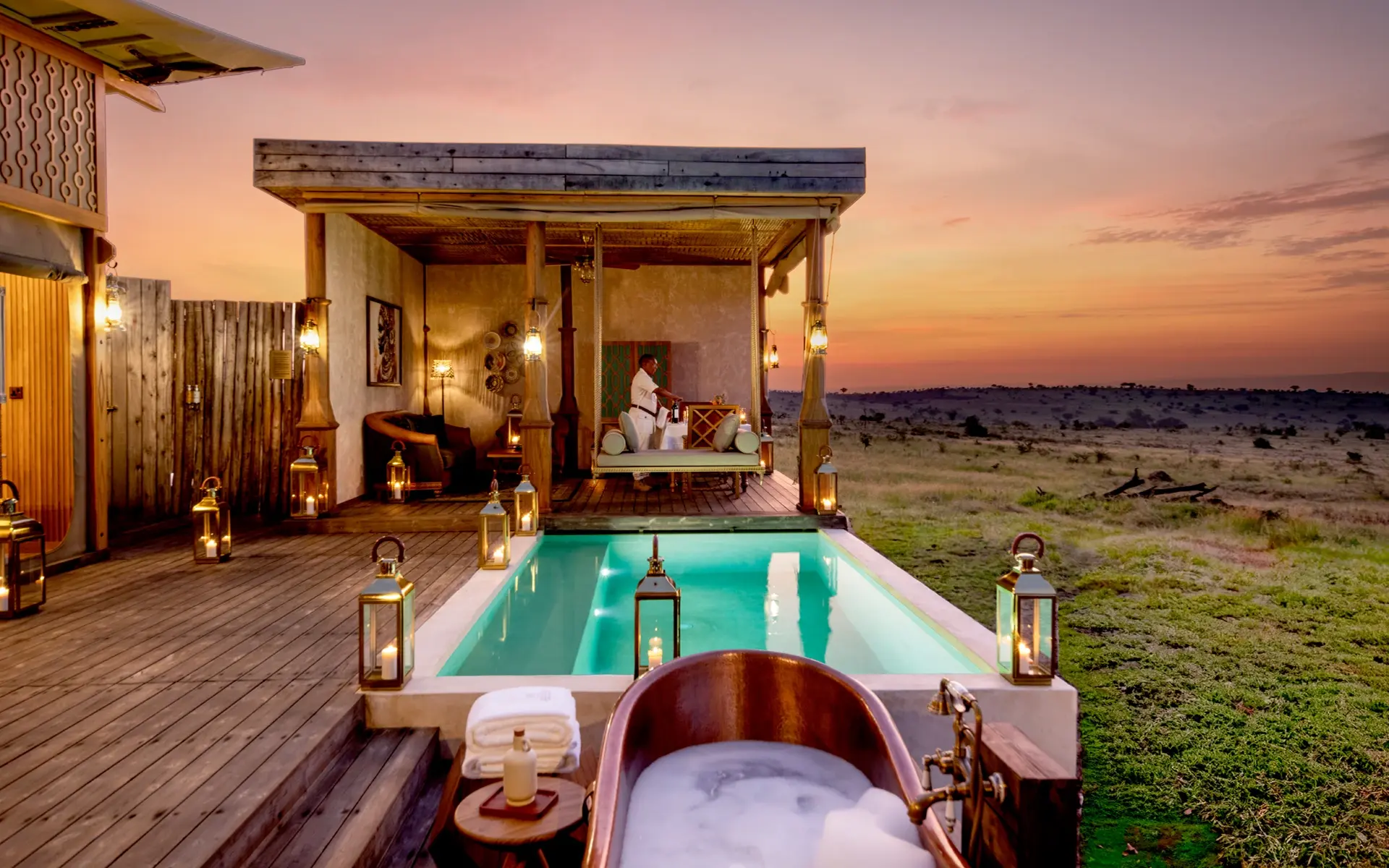
Most lodges and camps in Tanzania provide basic toiletries such as shampoo, conditioner, body wash, and laundry detergent. However, bringing your own personal items ensures comfort and meets individual preferences, especially for travelers with specific brands or sensitive skin.
Essentials for Everyone
Pack the following items to stay comfortable and healthy throughout your safari:
- Oral care: Toothbrush, toothpaste, and dental floss
- Sun protection: High-SPF sunscreen and lip balm to prevent sunburn
- Personal hygiene: Deodorant, soap, and skincare products for daily use
- Insect protection: Bug spray to guard against mosquitoes and other insects
- Medical needs: A small first aid kit with bandages, antiseptic wipes, and medications for headaches, allergies, or minor injuries
- Prescription medication: Bring enough for your entire trip, along with a copy of prescriptions
Items for Vision & Contact Lenses
If you wear glasses or contact lenses, bring a spare pair, lens solution, and a case. This ensures you can see clearly during game drives, hikes, and other activities.
Additional Tips for Women
Women should pack feminine hygiene products, including sanitary pads, tampons, or menstrual cups, as availability may be limited in remote lodges. Consider bringing a small mirror and minimal makeup if desired.
Additional Tips for Men
Men may prefer travel-sized grooming items such as shaving kits, combs, or hair styling products.
Pro tip: Keep all toiletries in a compact toiletry bag with separate compartments to organize your items efficiently. This makes packing easier and prevents spills inside your luggage. By preparing your personal items thoughtfully, you ensure a comfortable, hygienic, and stress-free safari experience, allowing you to focus fully on the adventure ahead.
Everyday Essentials
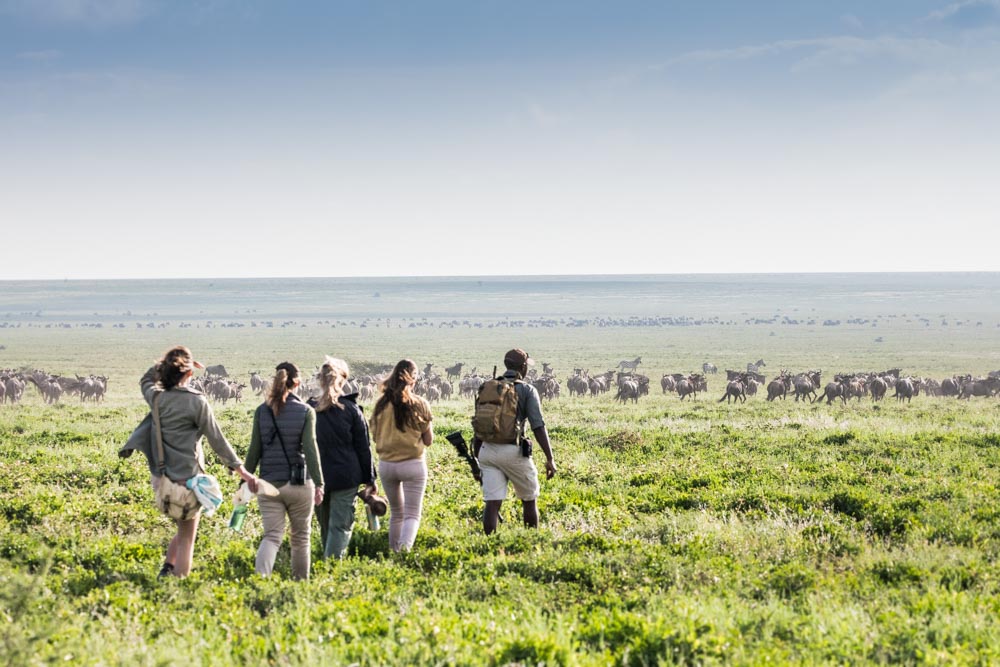
Bringing the right everyday items can make your safari experience more comfortable, enjoyable, and memorable. Some items are essential for safety, convenience, and capturing memories, while others enhance your overall comfort in the bush.
Must-Have Items for All Travelers
- Sunglasses: Protect your eyes from the intense equatorial sun during game drives and walks in the bush.
- Binoculars: A good pair of binoculars is essential for spotting distant wildlife and observing birds in their natural habitat.
- Camera and accessories: Bring your camera, extra memory cards, and lenses to capture stunning wildlife and landscape photography. A tripod or monopod can be useful for stability during game drives.
- Power bank and chargers: Keep your devices charged throughout your safari, especially if you rely on cameras, smartphones, or GPS devices.
- Extra batteries or memory cards: Remote lodges may not have easy access to replacements, so bring extras to avoid missing important moments.
- Flashlight or headlamp: Useful for navigating your lodge at night or during early morning bush walks.
- Journal or notebook: Record your observations, wildlife sightings, and personal reflections during the trip.
Additional Tips for Women
Women may want to bring a small crossbody bag or daypack to carry essentials during excursions. Lightweight, reusable water bottles and compact snacks are also handy.
Additional Tips for Men
Men can consider a utility vest or backpack with multiple compartments to organize binoculars, cameras, and travel documents efficiently.
Pro tip: Pack these items in your daypack so you can access them easily while on safari drives, bush walks, or boat trips. Organizing your gear beforehand ensures that you focus on the experience rather than worrying about lost or misplaced items.
Weather in Tanzania
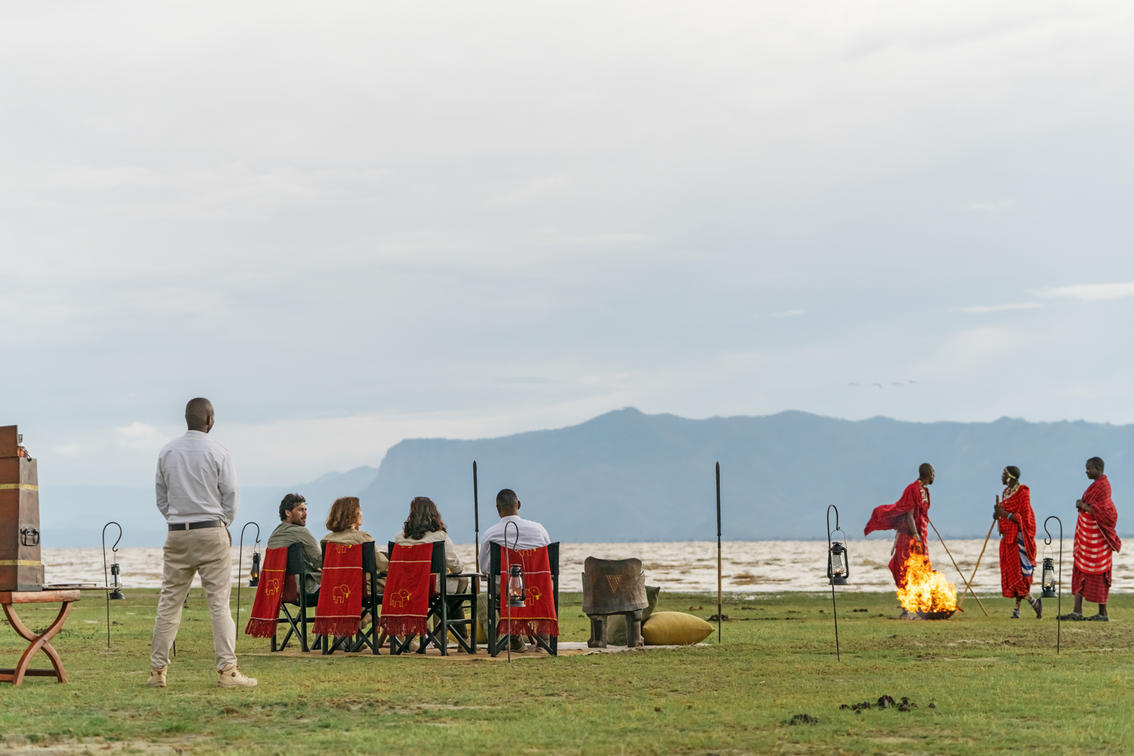
Tanzania enjoys a warm, tropical climate throughout the year, but weather patterns vary depending on the season and region. Understanding these seasonal changes can help you pack appropriately and plan your safari activities for maximum comfort and enjoyment.
| Season | Months | Average Day | Average Night |
|---|---|---|---|
| Summer | Jan – Mar | 28°C (83°F) | 14°C (57°F) |
| Long Rains | Apr – Jun | 23°C (74°F) | 14°C (57°F) |
| Dry Season | Jul – Sep | 25°C (77°F) | 12°C (55°F) |
| Short Rains | Oct – Dec | 27°C (81°F) | 14°C (57°F) |
Seasonal Tips
- Summer (January – March): Days are hot and sunny, perfect for wildlife viewing and beach visits. Lightweight, breathable clothing is recommended. Pack sun hats, sunglasses, and plenty of sunscreen.
- Long Rains (April – June): Expect occasional heavy showers, especially in the afternoons. Waterproof jackets and quick-dry clothing are essential. Roads in some remote areas may be slippery, so plan extra travel time.
- Dry Season (July – September): This is the best period for safaris, as animals gather around water sources. Mornings and evenings can be chilly, so bring a fleece or sweater, along with layered clothing for day warmth.
- Short Rains (October – December): Intermittent showers cool the environment and bring lush greenery. Light rain jackets, waterproof bags for electronics, and moisture-wicking clothes are recommended.
Packing Advice for Men and Women
- Layering is key: Even during the hot months, mornings and evenings can feel cool. Pack light sweaters, long-sleeved shirts, or a fleece.
- Sun protection: Both men and women should carry hats or caps, sunglasses, and sunscreen.
- Footwear: Sturdy walking shoes or hiking boots are essential, especially during rainy seasons. Flip-flops or sandals are ideal for lodges or beach excursions.
- Accessories: Scarves or buffs help protect against dust, sun, and insects during safaris.
Pro tip: Always check the local weather forecast before your trip, as conditions can vary by region. Proper preparation ensures that you stay comfortable and enjoy every safari activity, whether it’s a game drive in the Serengeti or a beach day in Zanzibar.
Key Travel Information

Tanzania offers some of the most unforgettable safari experiences in the world. To ensure a smooth, safe, and enjoyable journey, it is essential to be well-prepared. Below is everything you need to know before you go.
1. Malaria
Tanzania is considered a low-risk malaria area, but preventive measures are strongly recommended. Consult your doctor before traveling to discuss malaria prophylaxis, and carry insect repellent for protection during evening game drives, bush walks, and outdoor activities. Wearing long sleeves and trousers in the evenings also helps reduce mosquito exposure.
2. Yellow Fever
Travelers arriving from or transiting through a Yellow Fever country must present a valid Yellow Fever vaccination certificate upon entry to Tanzania. Always check the World Health Organization (WHO) list of Yellow Fever countries well in advance to ensure compliance and avoid delays at immigration.
3. Currency
The official currency in Tanzania is the Tanzanian Shilling (TZS). The US Dollar (USD) is widely accepted, especially at lodges, camps, and safari operators. Carry small denominations for tips, park entrance fees, and minor purchases. It is a good practice to have both cash and cards for flexibility, but cash is preferred in most safari areas.
4. Tipping Guidelines
Tipping is customary in Tanzania and is an important way to recognize the efforts of guides and lodge staff. As a guideline, we suggest:
- Safari Guide: US$15–20 per group per day, depending on group size.
- Camp or Lodge Staff: US$5–10 per car per day.
Carrying small USD bills makes tipping easier. Tipping not only rewards excellent service but also directly supports local communities and staff, helping maintain high standards across safari operations.
5. Travel Visa
We recommend applying for your Tanzanian visa online before arrival. Online applications usually take 3–10 working days, saving time and avoiding long queues at the airport. If you prefer, you can obtain a visa on arrival, but payment must be in USD only. Ensure that your passport is valid for at least six months from your travel date.
6. Drones
Flying drones is prohibited in Tanzania unless you obtain a special government permit. Always check the latest regulations before traveling with drone equipment to avoid fines or confiscation.
7. Single-Use Plastics
Tanzania has banned single-use plastic bags. Travelers are encouraged to bring reusable or recyclable bags for shopping and packing. This supports environmental conservation and helps keep the country’s natural landscapes pristine.
8. Zanzibar Travel Insurance
All travelers visiting Zanzibar must have valid inbound travel insurance for the duration of their stay. This covers medical emergencies, evacuation, and repatriation, ensuring safety and peace of mind. Even if you already have general travel insurance, Zanzibar authorities require proof of coverage specific to your visit.
How to prepare:
- Apply online before departure and pay in full to ensure smooth entry.
- Keep both a digital and printed copy of your insurance certificate for easy access at immigration and throughout your stay.
Pro Tip: Keep all of this information in your travel pouch or on your phone for quick reference. Being well-prepared allows you to focus fully on Tanzania’s wildlife, stunning landscapes, and unforgettable safari adventures without unnecessary stress.
Preventing Jet Lag & Staying Hydrated
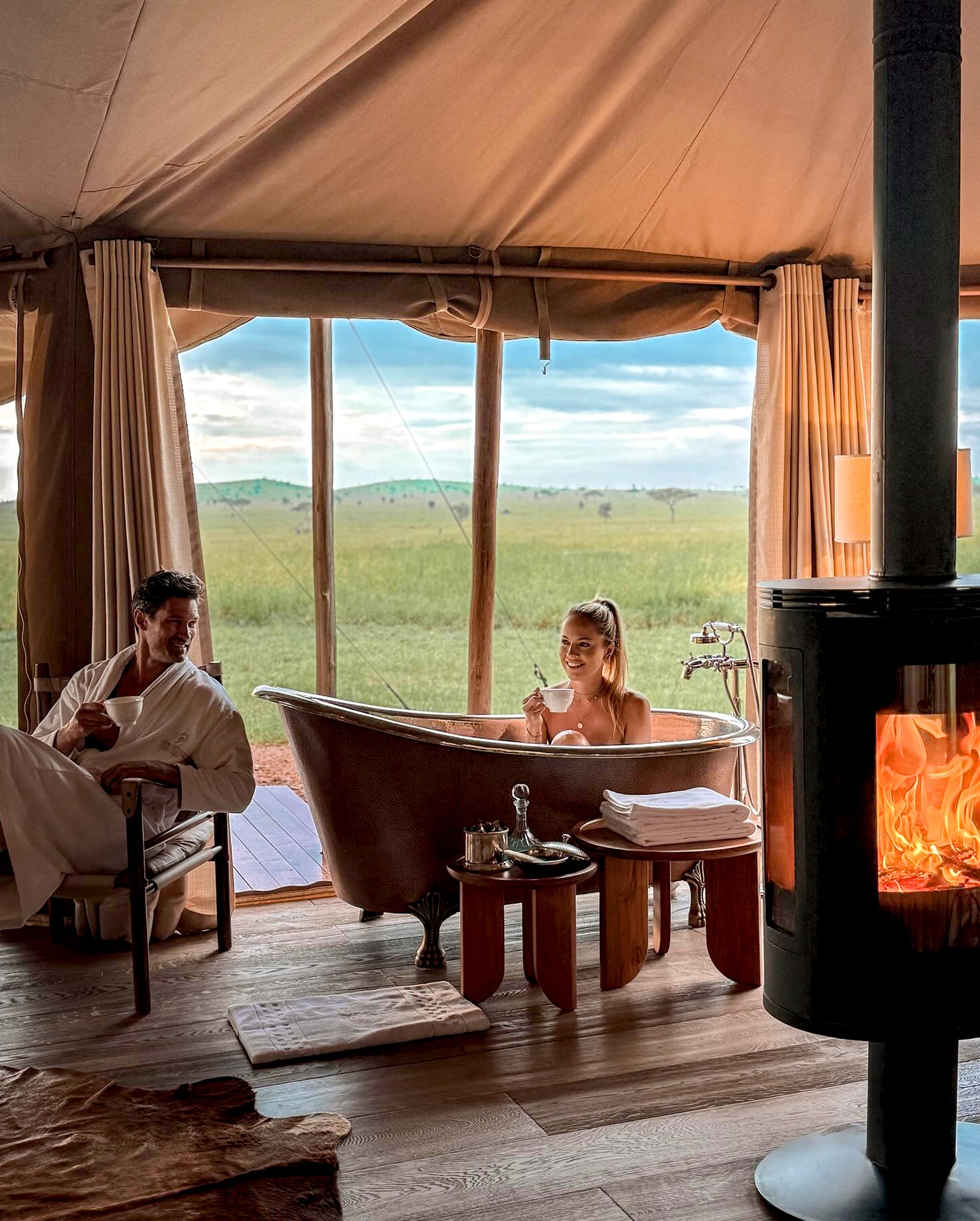
Long flights and time zone changes can leave you feeling tired and dehydrated, which may affect your ability to enjoy Tanzania’s safari adventures. By planning ahead and following a few simple strategies, you can arrive feeling refreshed and ready to explore.
1. Adjust Your Sleep Schedule
In the days leading up to your trip, gradually shift your sleep and meal times closer to East Africa Time (GMT+3). This helps your body adjust more easily to the new time zone.
2. Stay Hydrated
Drink plenty of water before, during, and after your flight. Proper hydration reduces fatigue and helps your body cope with changes in altitude and climate. Include electrolyte-rich drinks if your journey is long.
3. Get Quality Rest
Ensure a good night’s sleep before departure. Being well-rested improves your body’s ability to adapt quickly upon arrival.
4. Avoid Alcohol and Excess Caffeine
Alcohol and too much caffeine can disrupt sleep patterns and dehydrate your body, making jet lag worse. Stick to water or light, hydrating beverages during your flight.
5. Spend Time in Natural Sunlight
After arrival, expose yourself to natural daylight to help regulate your internal body clock. Morning sun is especially effective in resetting your circadian rhythm.
6. Eat Light and Nutritious Meals
Focus on healthy, hydrating foods rich in melatonin-promoting nutrients such as tryptophan, magnesium, calcium, and vitamin B6. Avoid heavy or salty meals that may disrupt sleep or digestion.
7. Stretch and Move During Flights
Take short walks in the cabin, stretch, or perform simple exercises to improve blood circulation and reduce stiffness during long flights.
8. Pack Comfort Essentials
Bring a neck pillow, eye mask, and noise-canceling headphones to make resting during flights easier. Small items like a light blanket or compression socks can also improve comfort.
9. Practice Relaxation Techniques
Meditation, deep breathing, or listening to calming music can help reduce stress and make it easier to sleep during the flight.
10. Allow Recovery Time Upon Arrival
Give your body at least a day to acclimate before starting strenuous activities. A relaxed first day allows you to enjoy safari drives, hikes, and excursions at your best.
Pro tip: Combining hydration, light movement, and exposure to natural sunlight can dramatically reduce jet lag, helping you start your Tanzania adventure energized and ready for wildlife encounters.
Zanzibar Travel Advisory & Emergency Contacts

Traveling to Zanzibar requires careful preparation to ensure a safe and seamless experience. In addition to general travel documents, Zanzibar authorities require proof of inbound travel insurance, covering medical emergencies, evacuation, and repatriation. This insurance is mandatory for all visitors, regardless of any existing coverage you may have.
Travel Insurance Requirements
- Obtain your inbound travel insurance online before departure.
- Pay in full to ensure smooth entry at immigration checkpoints.
- Keep both a digital and printed copy of your insurance certificate for easy access throughout your stay.
While You Are Traveling
Should you encounter a travel emergency, it’s important to have reliable contact options. While emails may not be monitored 24/7, our Client Handling Team is ready to assist with urgent matters. If you require assistance during your stay at lodges, camps, or on safari excursions, speak directly to the on-ground staff, who are trained to provide support and guidance.
Emergency Contact Details
For immediate assistance while traveling with Paul Tours Safari, use the following official contacts:
- Phone / WhatsApp: +255 745 170 000
- Email: [email protected]
Pro tip: Save these contacts in your phone and keep a written copy in your travel pouch. Having direct access ensures that any unexpected situations are quickly addressed, allowing you to focus fully on your safari adventure in Zanzibar and mainland Tanzania.
Final Note
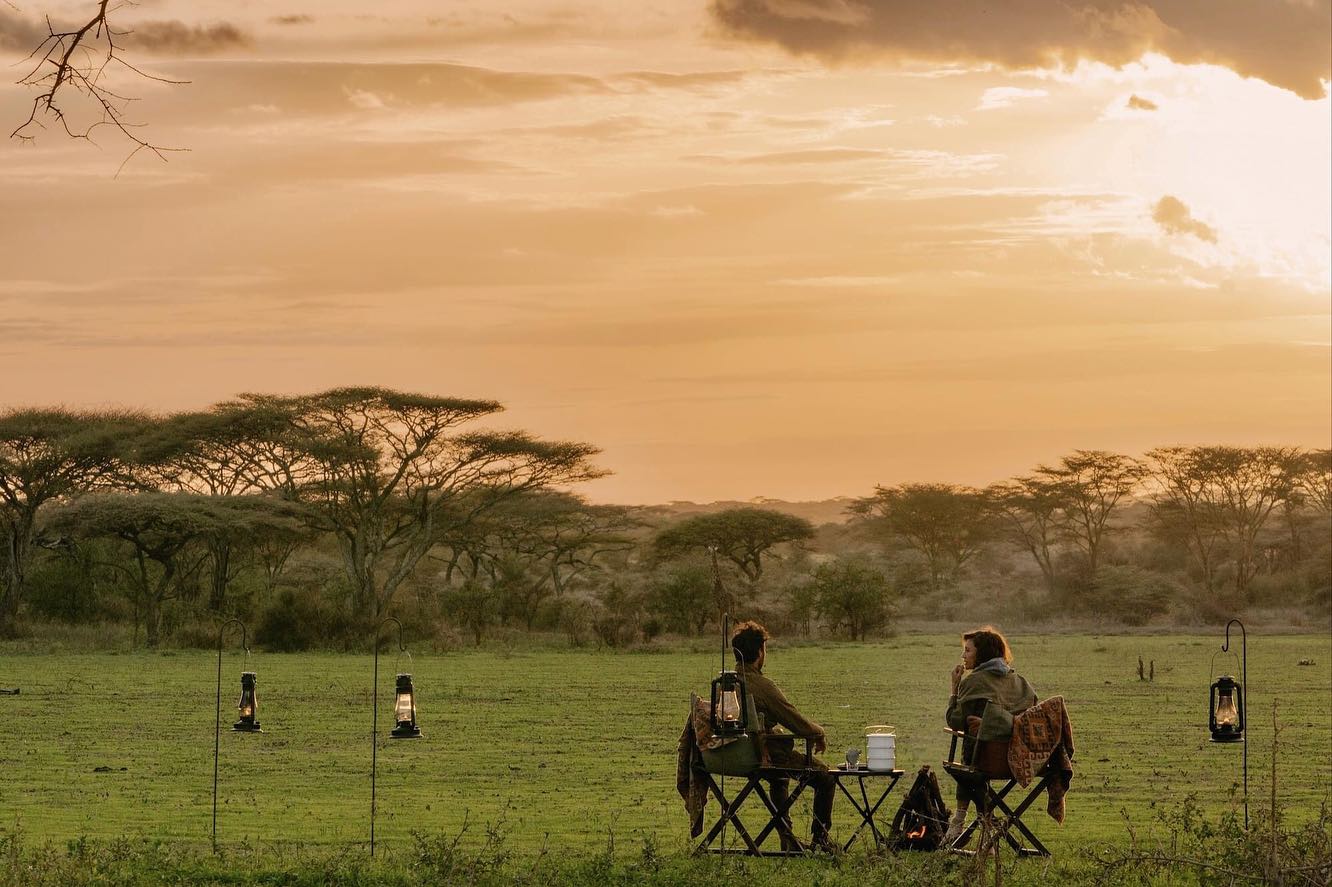
At Paul Tours Safari, we don’t just organize trips — we create once-in-a-lifetime experiences. From the wildlife-packed plains of the Serengeti to the idyllic beaches of Zanzibar, every journey with us is carefully designed to be seamless, safe, and unforgettable.
We are passionate about showcasing the beauty, culture, and wildlife of Tanzania while ensuring you enjoy every moment in comfort and style. With our expert guides, luxury accommodations, and personalized itineraries, your adventure becomes more than a trip — it becomes a story you’ll treasure forever.
Why Travel With Us?
- Tailored safari itineraries to match your interests and schedule
- Handpicked lodges and camps for comfort and luxury
- Experienced local guides with conservation knowledge
- 24/7 support throughout your journey
We believe travel is about memories, wildlife encounters, and experiences that stay with you long after your return home. Ready to explore Tanzania and East Africa like never before?
Your adventure begins here. Let Paul Tours Safari take you on a journey you will treasure forever. or Email us at [email protected]
Discover more from Paul Tours Safari
Subscribe to get the latest posts sent to your email.